Headlines about Italy paying people to move to the mountains tend to travel fast. The fine print travels a lot slower. Behind each eye-catching figure sits a specific region, a specific set of rules, and often a deadline that has already passed.
The $30,000 number is real, but it doesn’t belong to one village with one application form. Here’s where it comes from, who can claim it, and what other mountain communities are offering in 2026.
What the $30,000 Headline Really Refers To
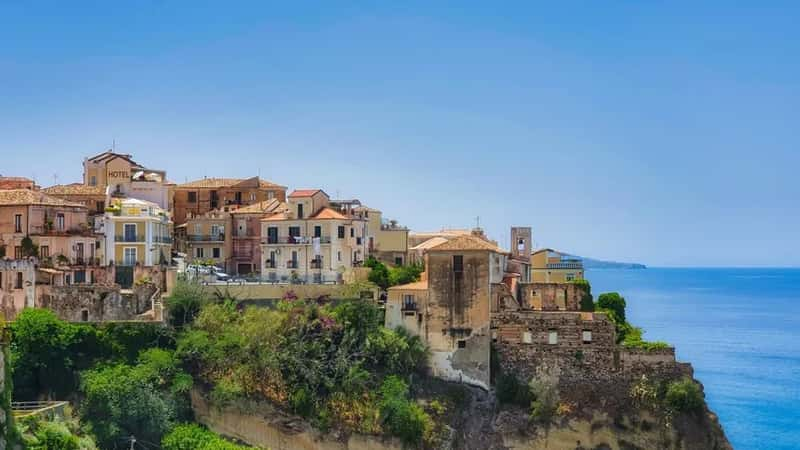
The figure comes from Calabria, in southern Italy. CNN reported that the region would offer up to €28,000 ($33,000) over a maximum of three years to people willing to relocate to small villages.[1] Quartz puts it slightly differently, noting that several small towns in Calabria are offering €28,000 to €30,000, more than $30,000, to newcomers who start a business in villages with fewer than 2,000 residents.[2]
So it isn’t a single prize waiting in one place. Nine Calabrian villages originally signed up for the program, ranging from seaside to mountain locations.[3] The scheme goes by the name Reddito di Residenza Attiva, or Active Residency Income.
Why Calabria Wants Newcomers
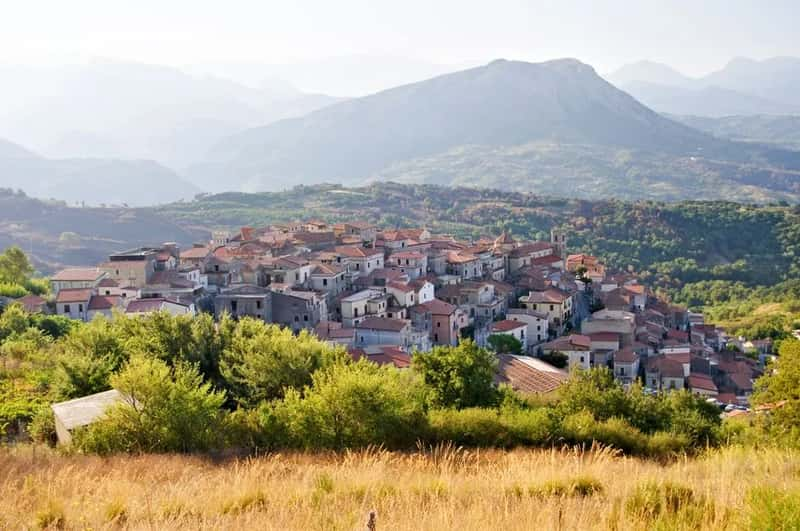
The reasoning is demographic. Regional authorities are using financial incentives to reverse rural flight and breathe fresh life into communities that range from coastal towns to rugged mountain villages.[1] It’s part of a wider Italian pattern, since the trend is born of a decades-long fight against depopulation in the country’s rural and mountainous heartlands.[4]
Scale matters here. Calabria has 404 municipalities as of 2026, and Bova, a village that appears on lists of participating places, has a population of just 460.[5] Note also that Italy has no national relocation payment. There are no national laws providing relocation assistance, and all such programs are local initiatives under regional laws or municipal regulations.[6]
Who Can Actually Apply
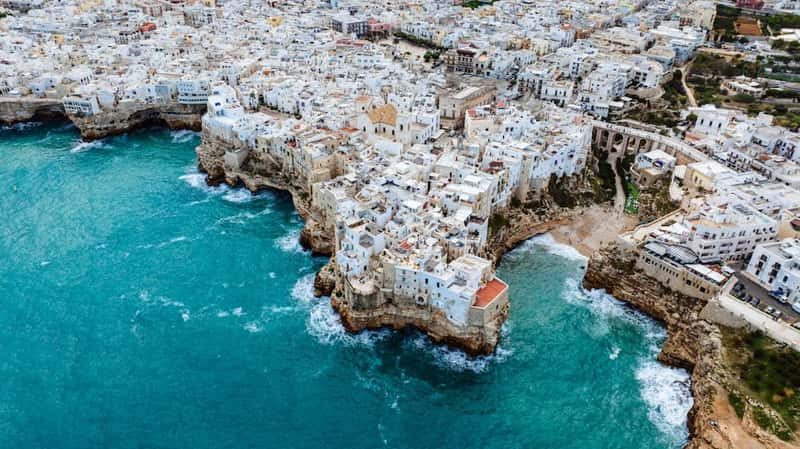
Age is the first filter. One program listing describes the eligible applicant as an individual under 40 who moves residency to a participating Calabrian village of under 2,000 people and starts a business or works in a demanded profession.[7] Relocation must happen within 90 days of the application being approved.[7]
Where you live now matters too. Candidates must either live in an Italian municipality with more than 2,000 residents or be relocating from abroad.[1] Another guide adds that applicants must commit to living in the village full time for at least three years and already hold a valid Italian residence permit or EU citizenship.[8] Sources vary on some details, such as the length of the required stay, so the official call is the one to trust.
How the Money Is Paid Out

Nobody gets a lump sum on arrival in most descriptions of the scheme. The incentive is distributed over three years, working out to roughly €800 to €1,000 per month.[8] One report describes it as payments of up to €28,000, not all at once, amounting to €700 to €800 per month.[6]
Published amounts differ depending on the applicant’s situation. Forbes reported in 2024 that the project offers up to €20,000 to people moving to mountain towns of fewer than 3,000 inhabitants,[9] with a grant of €1,000 available for remote workers.[9] Applicants also need a plan, since you must propose a new small business or fill a specific professional gap, such as a plumber or shopkeeper, identified by the municipality.[8]
The Villages Named So Far
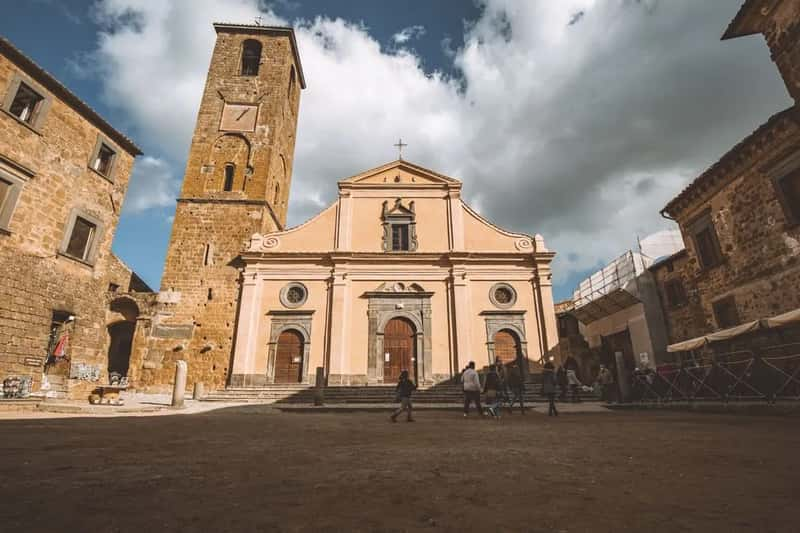
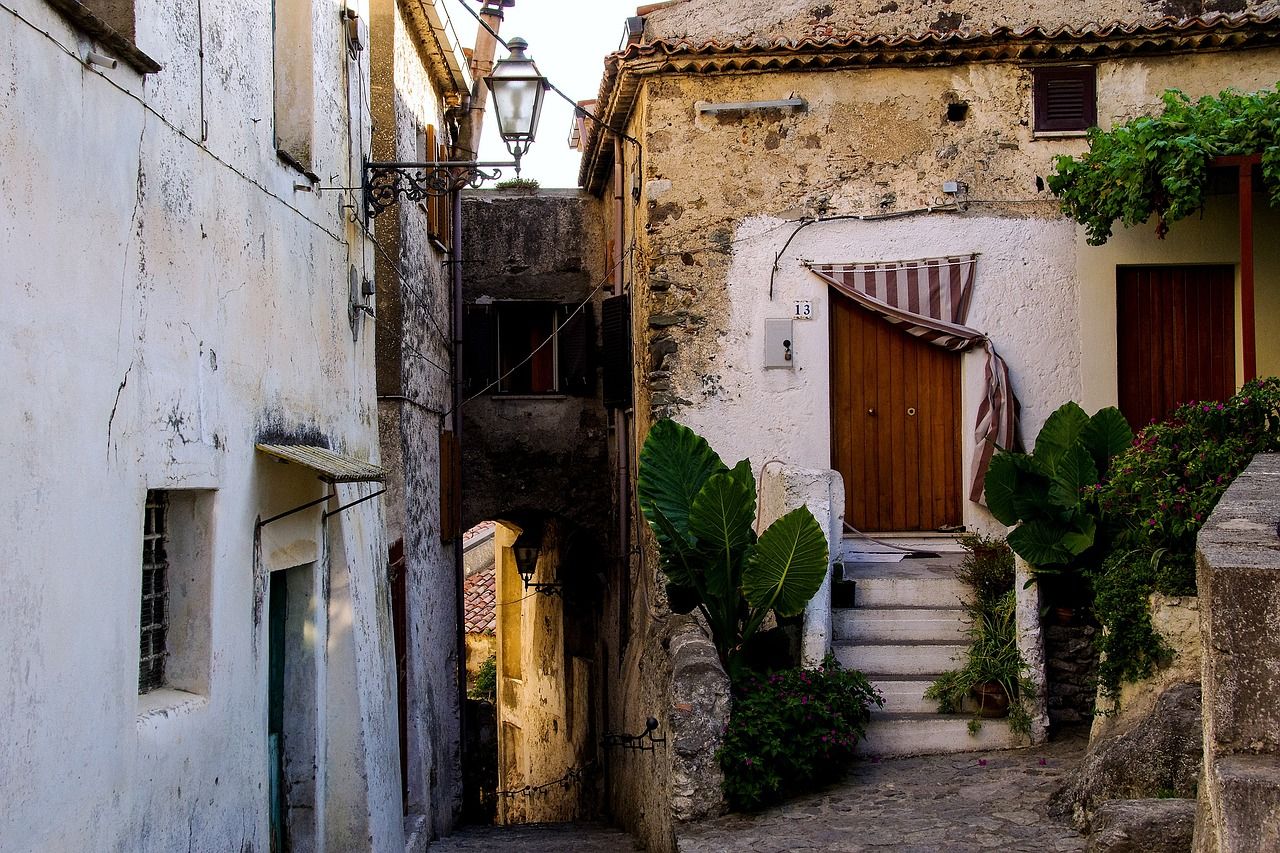
Several Calabrian names come up repeatedly. One overview of the scheme lists permanent residence in municipalities such as Albidona, Santa Severina, or San Donato di Ninea.[6] Another guide describes Bova as one of Italy’s most beautiful villages[10] and San Donato di Ninea as mountainous and peaceful.
The mountain label is not just marketing. A regional table of incentives lists the program as “Live the Mountain Villages of Calabria,” aimed at mountain towns with fewer than 3,000 inhabitants.[11] The population threshold appears as 2,000 in some descriptions and 3,000 in others, which is another reason to read the current call closely.
Is the Offer Open Right Now?

This is where the sources disagree. One grants database lists the program as active, though its deadline field simply says to check the source.[7] A separate relocation data index says that it was a 2020 to 2021 pilot with no confirmed open round for 2026.[12]
A third guide sits in between, noting that town selection has closed and a new round is possible.[11] The practical advice from the data index is to confirm through the Regione Calabria portal that a current round is open before planning a move around this grant.[12] Until a new call is published, treat the $30,000 as a possibility rather than a guarantee.
Trentino and Its Dolomite Villages
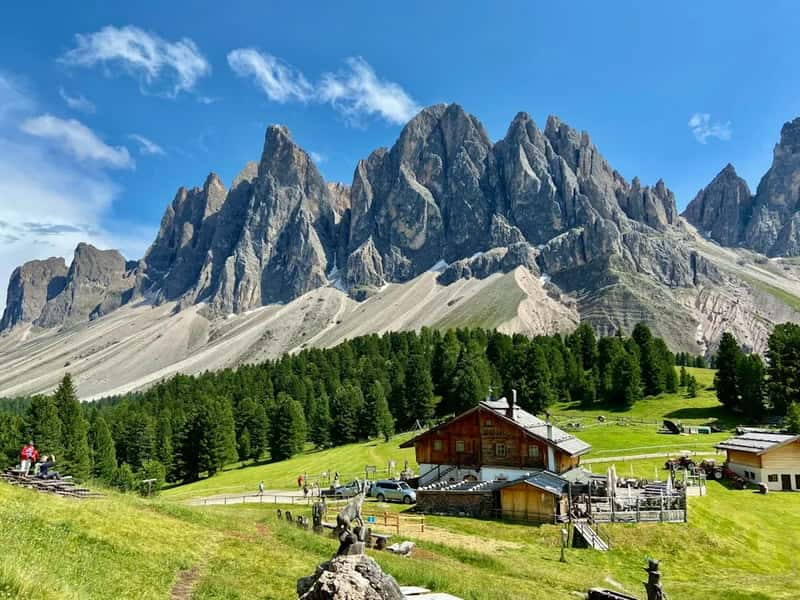
If you want the biggest mountain payout, it’s in the north. Trentino offers up to €100,000, made up of €80,000 for renovation plus €20,000 towards the purchase, to anyone who repopulates one of the at risk villages, with a ten year residency requirement.[13] The Autonomous Province of Trento confirmed that the scheme continues with new funding allocated for 2026.[14]
It’s a property grant rather than a monthly income. Renovations are capped at €200,000, which prevents anyone from building a massive villa out of keeping with the local village.[15] The province originally set aside €10 million, aiming to reclaim around 100 properties.[16]
Radicondoli, the Tuscan Hill Option
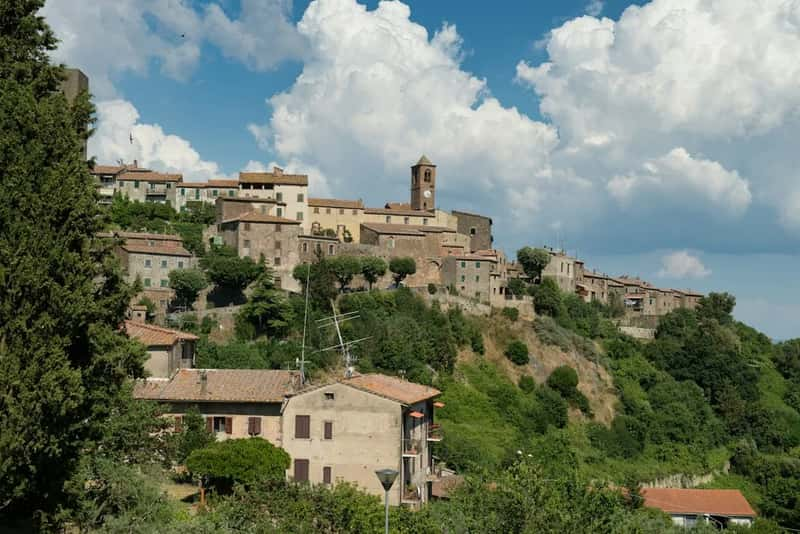
Radicondoli isn’t high alpine, but it’s often grouped with these offers. The village in the Siena hills made headlines when CNN reported it was paying people $23,000 to move there.[17] The program began in the summer of 2023.[18]
Its rules are specific. Of 450 houses in the village, 100 are currently empty, and new residents must stay ten years if they buy and four years if they rent.[18] A rent subsidy covering half of the first two years was offered to new tenants through early 2026,[17] so that part of the scheme may already be closed.
Sardinia and Abruzzo, With Smaller Sums
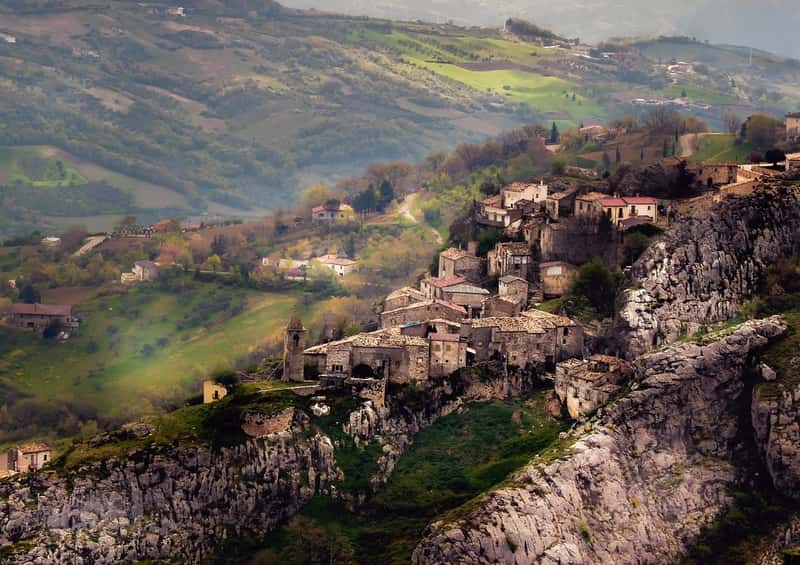
Other regions run smaller programs. In Sardinia, authorities grant up to €15,000 to individuals moving to a village of fewer than 3,000 residents to purchase or renovate a home, provided they stay at least five years.[19] That’s about half the Calabrian figure, though it comes with fewer demands on your career plans.
Abruzzo’s mountain towns have run their own offer. It paid up to €2,500 a year for three years, and up to €15,000 for those starting a business.[11] Yet no window is open in 2026, since the last call closed on 15 October 2023.[11]
Reading the Fine Print Before You Pack

Quartz is blunt about the pattern across all these schemes. Almost none are simple cash windfalls, and nearly every one demands a binding commitment such as buying property, launching a business, or keeping full time residency for years.[2] Common traps include claw back clauses if you leave early, language requirements, mandatory renovation costs that exceed the headline grant, and separate visa requirements for non citizens.[20]
For people outside the EU, the visa is a separate hurdle. Italy’s digital nomad visa, in force since 2024, requires proof of remote work, income of roughly €28,000 a year, and health insurance.[21] Around 315 municipalities offer some kind of measure in 2026,[21] and the surest way to confirm what’s available is to reach out to the local municipal authorities of the village you’re interested in.[22]