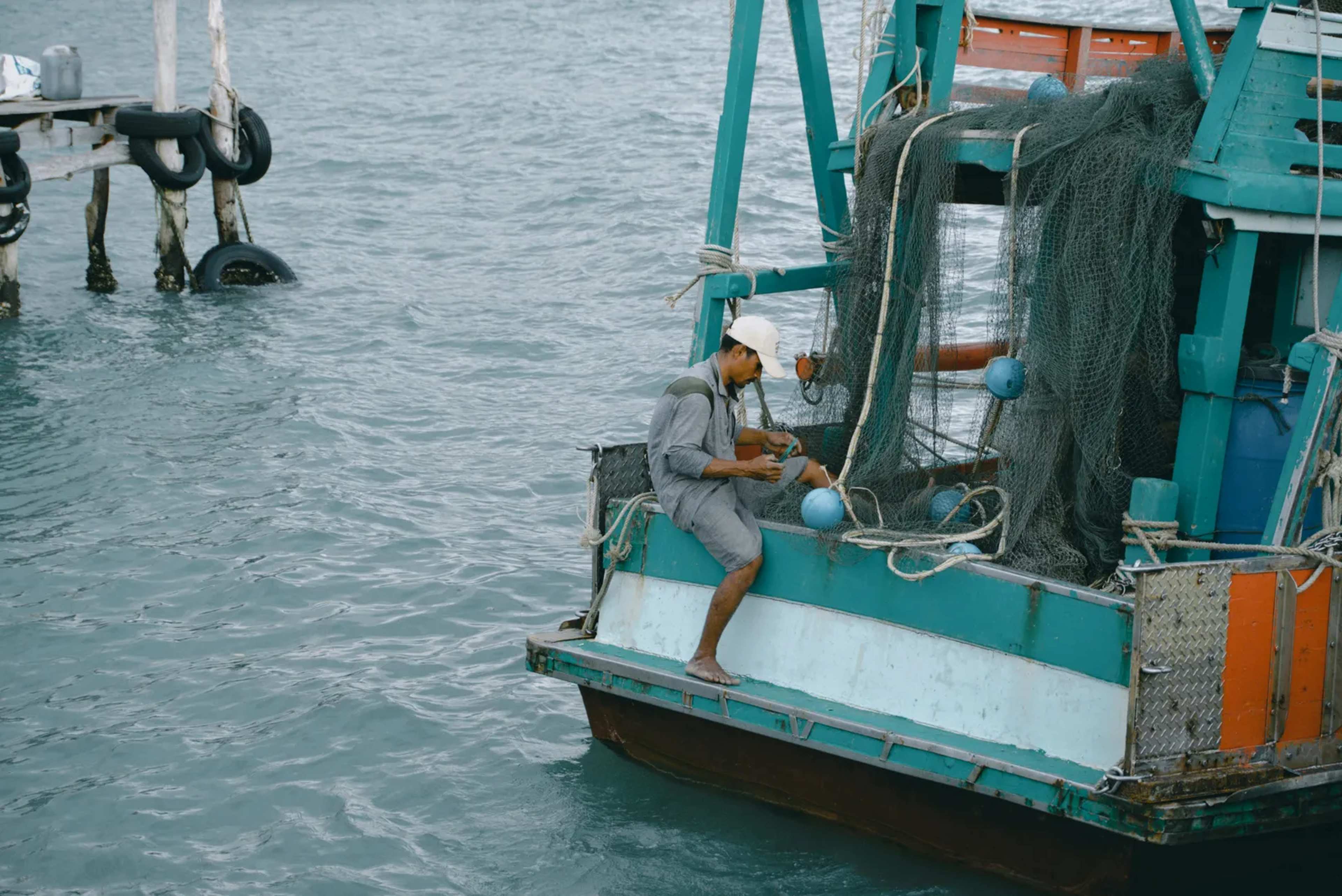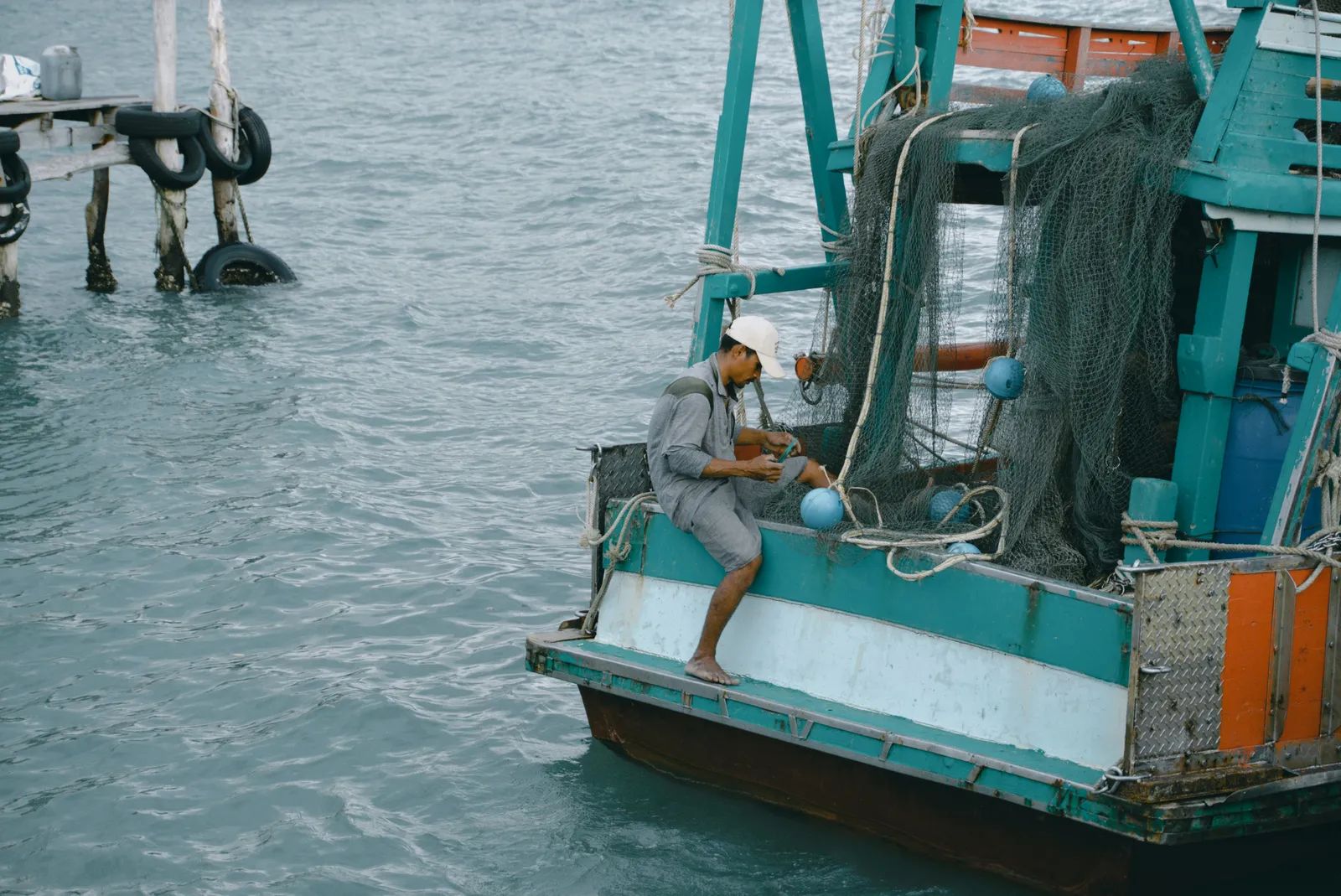
Phnom Penh – Cambodia’s Koh Sdach archipelago features striking turquoise waters that face growing strain from overfishing, plastic waste, and shifting climate patterns. Commune deputy chief Sorn Srenh has channeled his background in fishery science into sustained local efforts that link community needs with marine safeguards. His work centers on practical steps to maintain fishing livelihoods while reducing damage to the surrounding ecosystem. ([1])
From University Training to Village-Level Action
Sorn Srenh, 38, studied fishery science at the Royal University of Agriculture in Phnom Penh before returning to the islands. That education shaped his approach to balancing daily economic pressures with longer-term resource management. He has spent years organizing fishers around shared rules that limit harmful practices and support recovery of local stocks.
The practical result shows in tighter coordination between residents and outside partners. Enforcement of existing regulations has strengthened at the commune level, where decisions affect daily catches and future yields. Stakeholders include the fishing households whose income depends on healthy waters and the government bodies that set broader policy.
Building a Marine Fisheries Management Area
Srenh has collaborated with Cambodia’s Fisheries Administration and the UK-based group Fauna & Flora to create a community fisheries management area, or MFMA. The designation gives local fishers clearer authority over designated zones while setting limits on gear and catch volumes. Implementation has required repeated meetings to align village priorities with national rules.
Timeline matters here. Progress has unfolded over several years rather than through a single announcement. Early steps focused on mapping boundaries and training monitors; later phases addressed compliance and monitoring of plastic debris. Affected parties range from small-scale operators to regional planners who track biodiversity trends.
Key Pressures and Local Responses
Overfishing remains the most immediate concern, as rising demand can quickly deplete near-shore populations. Plastic waste adds a visible layer of damage that affects both marine life and the scenic quality that draws occasional visitors. Climate-related changes, including warmer waters and altered currents, compound these issues by stressing coral and fish habitats.
Srenh’s response has emphasized capacity building within the community. Regular training sessions cover sustainable techniques and reporting of violations. These measures aim to reduce conflict between short-term survival and the need to keep stocks viable for coming seasons.
Why the Effort Extends Beyond the Islands
Healthy marine areas in Koh Sdach contribute to wider regional stability. Fish populations that recover locally can support neighboring waters, while reduced pollution helps maintain the clear conditions that define the archipelago. The model also offers a template for other Cambodian coastal communes facing similar trade-offs.
Continued success will depend on steady enforcement and ongoing dialogue among fishers, officials, and partner organizations. Srenh’s role illustrates how one official at the commune level can translate scientific training into measurable steps that protect both livelihoods and the turquoise environment itself.