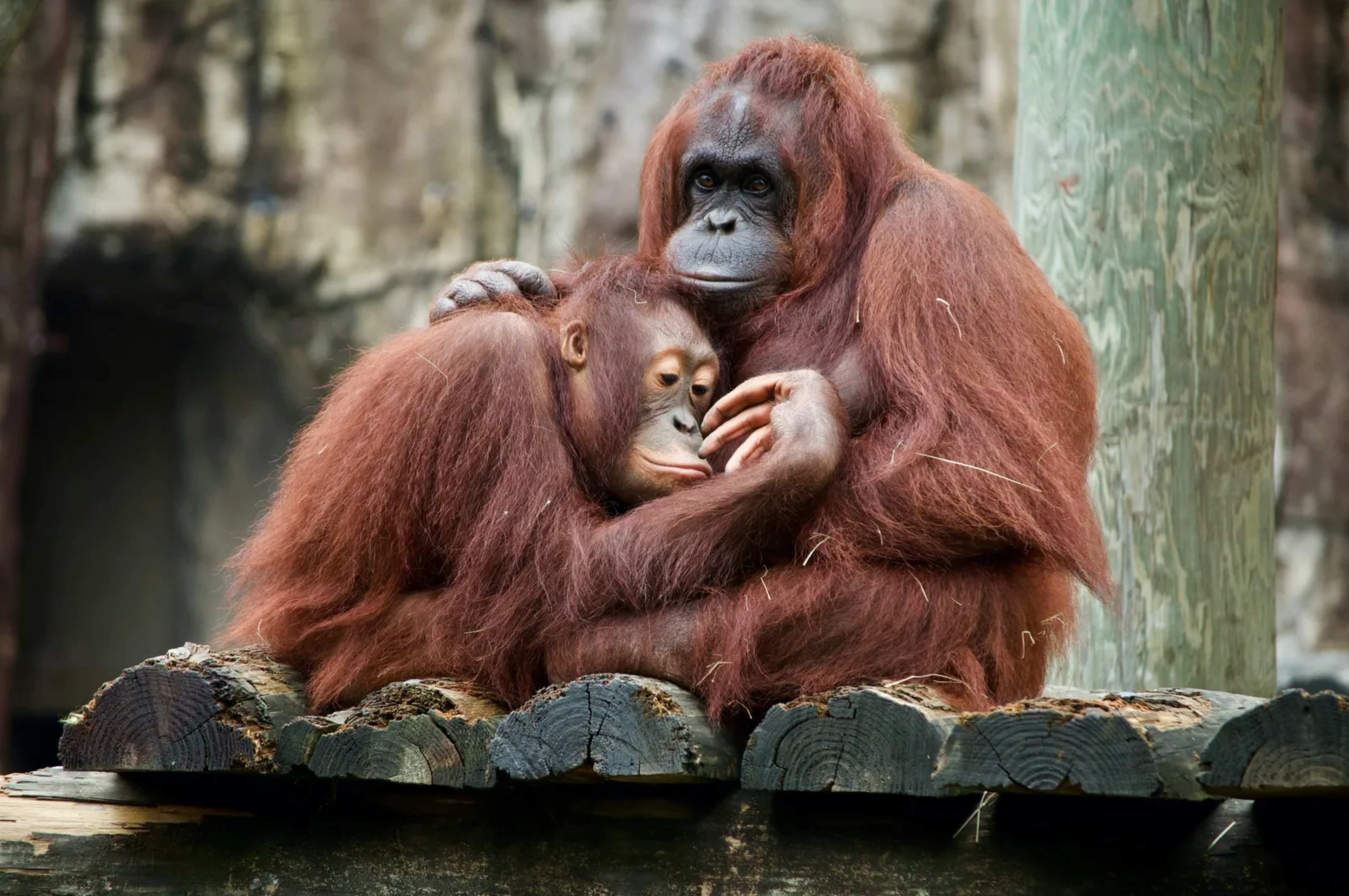
Deep in southeastern Liberia, the remaining stretches of the Upper Guinean rainforest still echo with the calls of chimpanzees and the rustle of ancient canopy. Yet these forests, which once blanketed much of West Africa, have already lost the majority of their original extent over the past century. Commercial agriculture, road building, and logging cleared vast areas across the region, leaving Liberia as the last major stronghold. Now a new wave of clearing tied to cacao planting is accelerating the loss.
A Landscape Under Pressure
The Upper Guinean rainforest once formed a continuous green belt across several West African countries. Today only fragments survive, and more than half of what remains lies inside Liberia’s borders. Satellite imagery has documented rapid clearing in the southeast in recent years, with large tracts converted to cacao farms. The shift has drawn migrant workers and investors seeking quick returns from the global chocolate market.
Local communities that once managed forest resources now face difficult choices. Some landowners lease or sell plots for planting, while others watch as neighboring areas disappear. Forest rangers report increased activity along the edges of protected zones, including areas set aside for chimpanzee conservation. The pace of change has surprised even longtime observers of the region.
Voices From the Forest Edge
Travelers who venture into these remote areas encounter a mix of hope and concern. Migrant cocoa workers describe long days clearing land and planting seedlings, often arriving from neighboring countries in search of steady income. Community members speak of both the promise of new cash crops and the loss of hunting grounds, medicinal plants, and clean water sources that the intact forest once provided.
Protected chimpanzee habitat sits at the center of the tension. Rangers patrol trails that now border freshly cleared plots, noting how the noise of chainsaws and the smoke from burning brush reach deeper into the forest each season. The contrast between the quiet of the remaining canopy and the activity at its margins is striking.
Global Demand Meets Local Reality
Chocolate consumption continues to rise worldwide, creating steady pressure on cacao-producing regions. Liberia’s southeast has become one of the newest frontiers for expansion because suitable land and climate still exist there. The same forces that removed most of the Upper Guinean forest elsewhere – agriculture, infrastructure, and logging – are now converging on the last large block.
Investigations that combine satellite monitoring with on-the-ground reporting reveal how quickly the pattern repeats. What begins as small clearings can expand into sizable plantations within a few seasons. Discussions have reached international forums, including the European Parliament, where questions about supply-chain responsibility and forest protection are under review.
What Travelers Should Know
For those drawn to rare natural destinations, the window to experience Liberia’s intact rainforest is narrowing. Guided visits to community-managed areas or protected zones still offer opportunities to walk beneath towering trees and hear the forest’s resident wildlife. Responsible operators emphasize low-impact travel and direct support for local conservation efforts.
Yet the underlying drivers remain powerful. Rising global demand for cacao continues to reward expansion, while enforcement capacity on the ground stays limited. Travelers who choose to visit can witness both the beauty that remains and the changes underway, gaining a firsthand sense of why these forests matter beyond any single commodity.
Key points for visitors
- Liberia holds more than half of West Africa’s surviving Upper Guinean rainforest.
- Cacao planting has accelerated forest loss in the southeast in recent years.
- Protected chimpanzee areas now sit close to active clearing zones.
- Low-impact travel can support communities working to balance livelihoods and conservation.