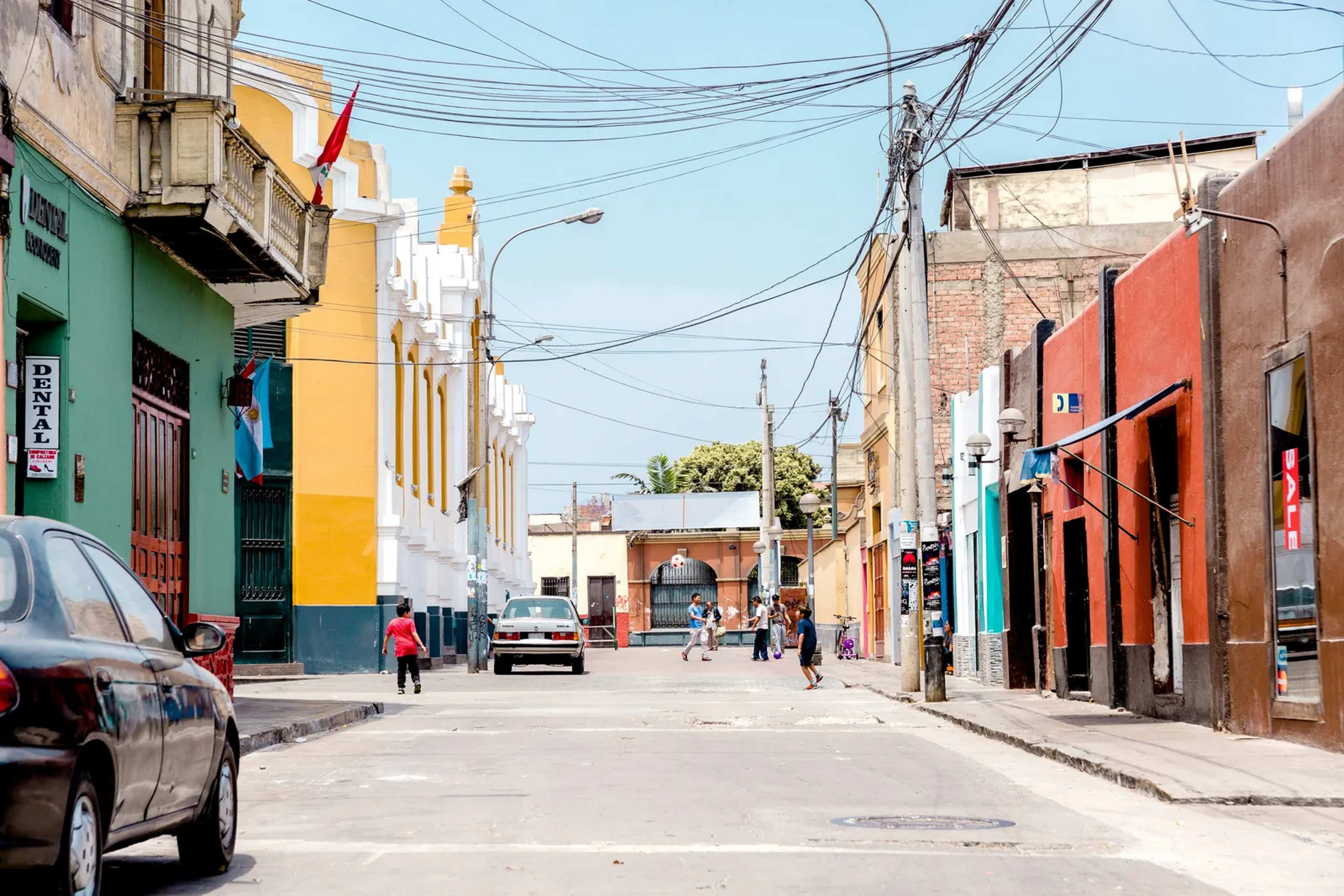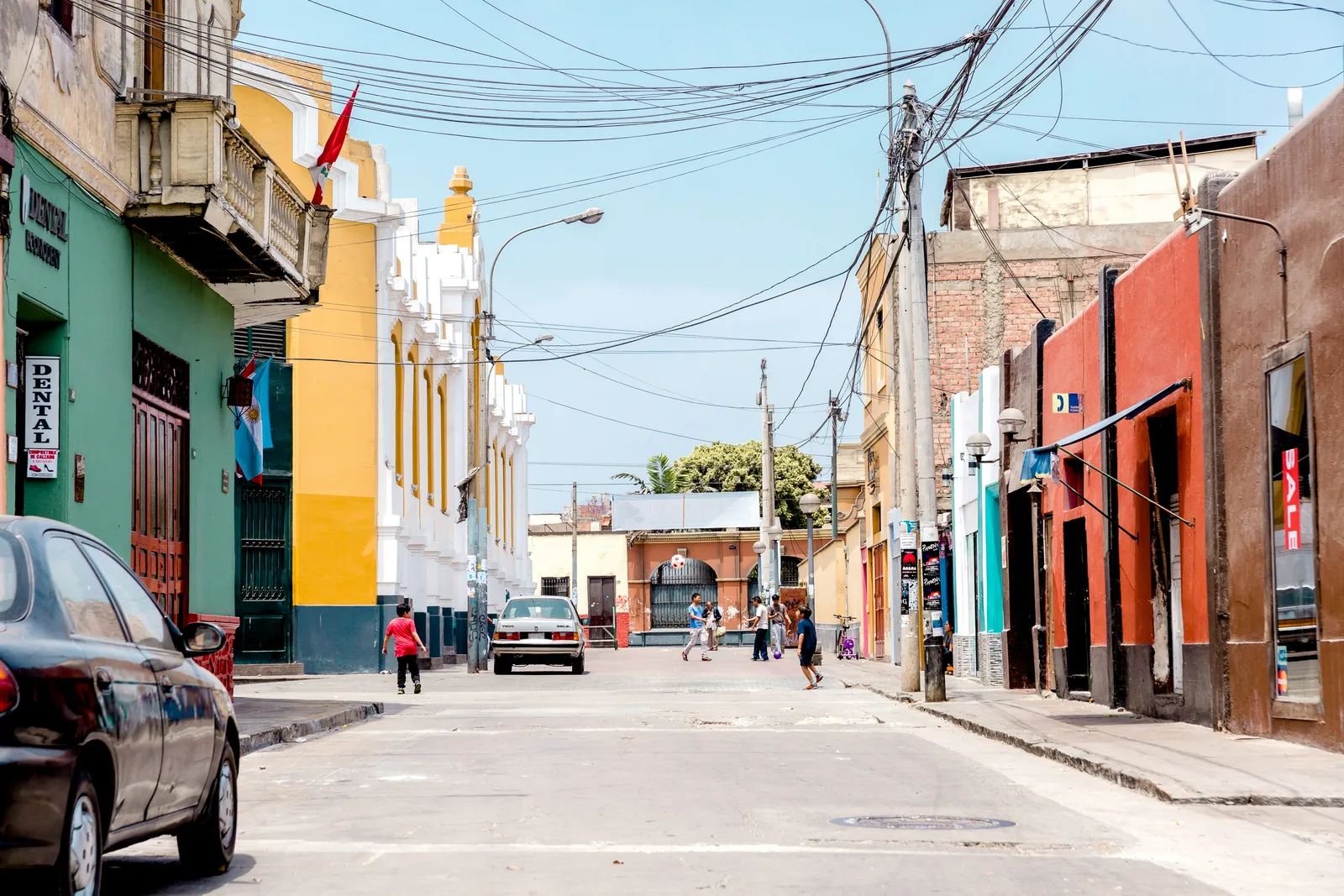
Lima, Peru – Many travelers land in Peru’s capital expecting the Andean character of Cusco or the elegant plazas of Arequipa, only to find themselves amid heavy traffic, pollution, and constant noise. The city nevertheless holds genuine cultural and culinary depth that rewards those willing to stay longer than a quick connection. The choice between the historic center and the coastal districts of Barranco and Miraflores determines whether visitors experience Lima as a mere transit point or as a place with its own distinct character. ([1])
Two Distinct Clusters Define the Options
Hostel locations in Lima fall into two primary groups. One centers on the old city around Plaza Mayor, where colonial buildings and major sights sit within walking distance. The other lies along the coast in Barranco and Miraflores, neighborhoods known for their sea views and more relaxed atmosphere.
Barranco stands out for its artistic and bohemian feel, with colorful streets, galleries, and easy access to viewpoints and restaurants. Miraflores tends toward a more modern and upscale setting, though both coastal areas share a tourist-friendly reputation. The historic center, by contrast, places visitors directly amid museums, cathedrals, and parks that can be visited early before crowds build.
Practical Effects of Each Location
Distance to the new international airport, which opened in 2025, favors the historic center by roughly 20 to 40 minutes compared with the coast. Travelers on short layovers therefore gain convenience by staying inland. Those with more time often prefer the coastal areas for their fresher air and walkable restaurant scenes, even when the Pacific waters remain cool and fog can appear.
Traffic between the two zones can add 45 to 70 minutes each way, so splitting a longer stay across both neighborhoods allows visitors to sample the different rhythms without daily commutes. The center offers immediate access to historic architecture and morning sightseeing, while Barranco and Miraflores provide evening strolls and a stronger sense of local character.
Hostels That Match the Surroundings
Properties in Barranco often occupy restored heritage houses that emphasize rooftop terraces and ocean views, creating a quieter setting suited to both work and relaxed evenings. In the historic center, some hostels sit inside former mansions that retain high ceilings and marble details while still fostering a social atmosphere through shared spaces and activities.
Coastal options in Miraflores frequently include design-focused buildings with coworking areas and additional amenities such as movie rooms or bars. These choices reflect the surrounding neighborhood rather than overriding it, so the daily experience aligns closely with the decision of where to base the trip.
Integrating Lima Into a Peru Itinerary
Most visitors use Lima as the entry point before heading south toward desert landscapes, Arequipa, or Cusco. Selecting one area for the arrival and the other for departure provides two perspectives on the capital without extending the overall schedule. The contrast between the dense historic core and the breezier coastal districts becomes part of the journey rather than an afterthought.
Where travelers ultimately stay influences how much of Lima’s own identity they encounter before moving on to the better-known highlights of Peru.