The hardest part of landing at JFK isn’t the flight. It’s the hour after it. The cheapest way into Manhattan runs about $10 for a rider with a Reduced Fare card, while the yellow cab at the curb costs about $75 before tolls and tip.
Same city, same bags, same tired knees, and a price gap of roughly seven to one. But the cheapest ticket is not always the cheap one. Stairs, transfers, a 4 p.m. clock and a gate you may not expect all change the real price, and the first of them is waiting the moment you step off the AirTrain.
#11 – The AirTrain Charges You at the Exit Gate
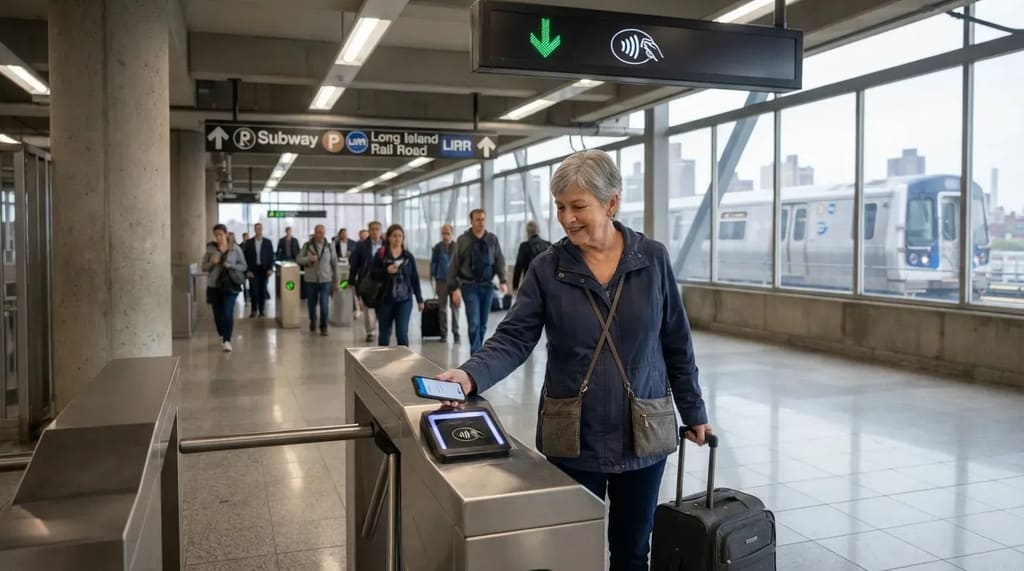
You board at the terminal without passing a gate. The $8.75 is charged when you leave at Jamaica or Howard Beach. Those two stations are where the AirTrain meets the subway and the Long Island Rail Road, so they are the only places the system collects money. Riding between terminals costs nothing.1
You pay by tapping a contactless card, a phone or an OMNY card. Use the same one every time, because eligible AirTrain fares are capped at $43.50 within a rolling 30-day period.2 That matters only if you are staying a while and coming and going.
If you prefer cash, you can buy or top up an OMNY card at the machines in the Jamaica or Howard Beach subway stations. Children under five ride free.
Fast Facts
- The fare is $8.75, charged only when you exit at Jamaica or Howard Beach.
- Rides between airport terminals are free.
- Tap the same card or phone every time to count toward the $43.50 cap in 30 days.
- Children under five ride free.
The charge is per person on paper, though a second rider does not pay the full amount again if you tap the right way.
#10 – A Second Rider Pays About Half
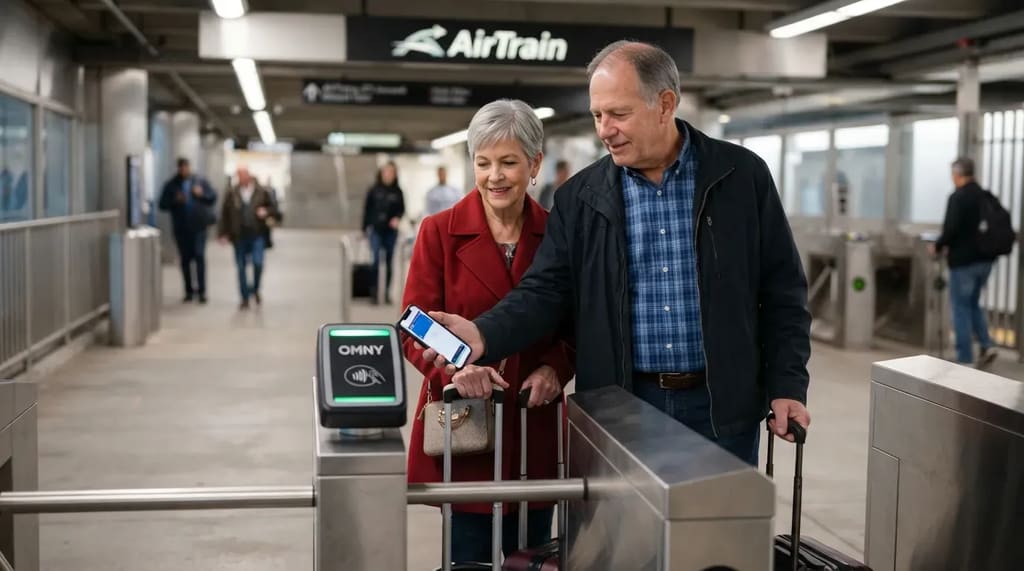
The group fare charges the first rider $8.75 and each additional rider $4.50, with a maximum of $26.75. Everyone has to tap the same card or device within five minutes.1 2
- One rider: $8.75
- Two riders: $13.25
- Four riders: $22.25
- Five riders: $26.75, the ceiling
Two travelers therefore pay $13.25 instead of $17.50, which is about a quarter less. The discount runs through one card, so it suits couples and families who are happy to let one person handle the payment for everyone.
The group discount ends at the AirTrain gate, and the subway turnstile just beyond it charges each person separately.
#9 – The Subway Ride After It Adds $3
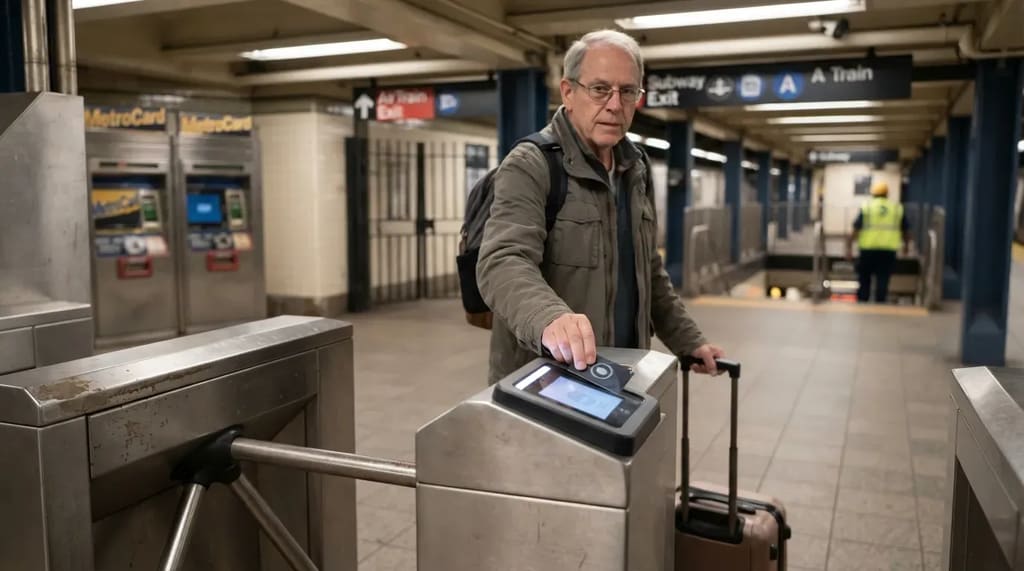
AirTrain plus subway comes to $11.75: $8.75 for the AirTrain, then a $3.00 subway fare.2 That subway fare rose from $2.90 on January 4, 2026.
You tap in at the turnstile, because the MTA stopped selling and refilling MetroCards on January 1, 2026. The 7-day and 30-day unlimited MetroCards are gone too, and subway unlimited passes never covered the AirTrain.
For one adult with one small bag and no deadline, this is the lowest standard published fare of any route in this piece, and it is hard to argue with. Whether it stays a bargain depends on what you carry, which comes up again once the stairs are counted.
That $3 is a full fare, and riders 65 and older may pay half of it once they hold a particular card.
#8 – Riders 65 and Older Can Pay Half
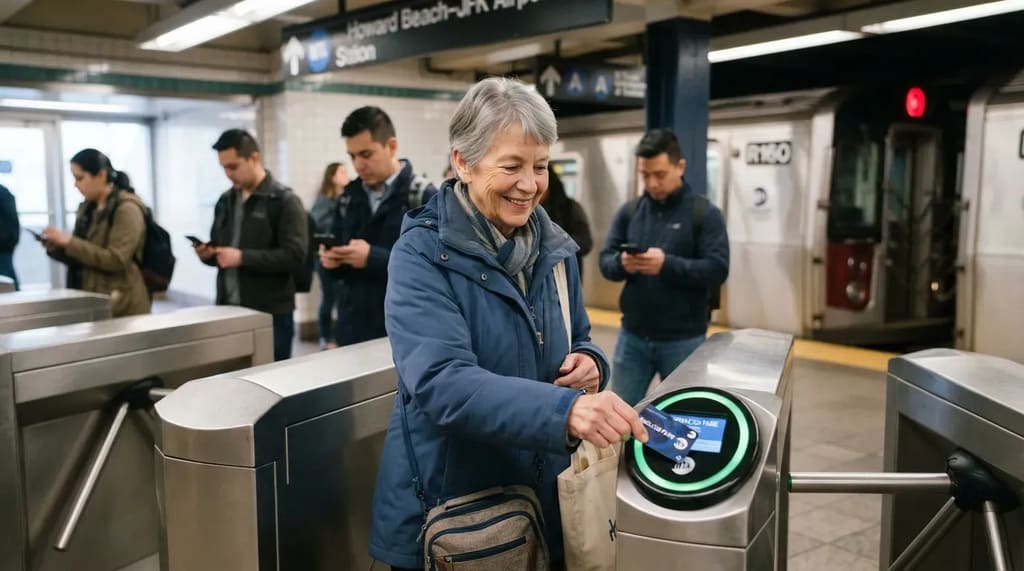
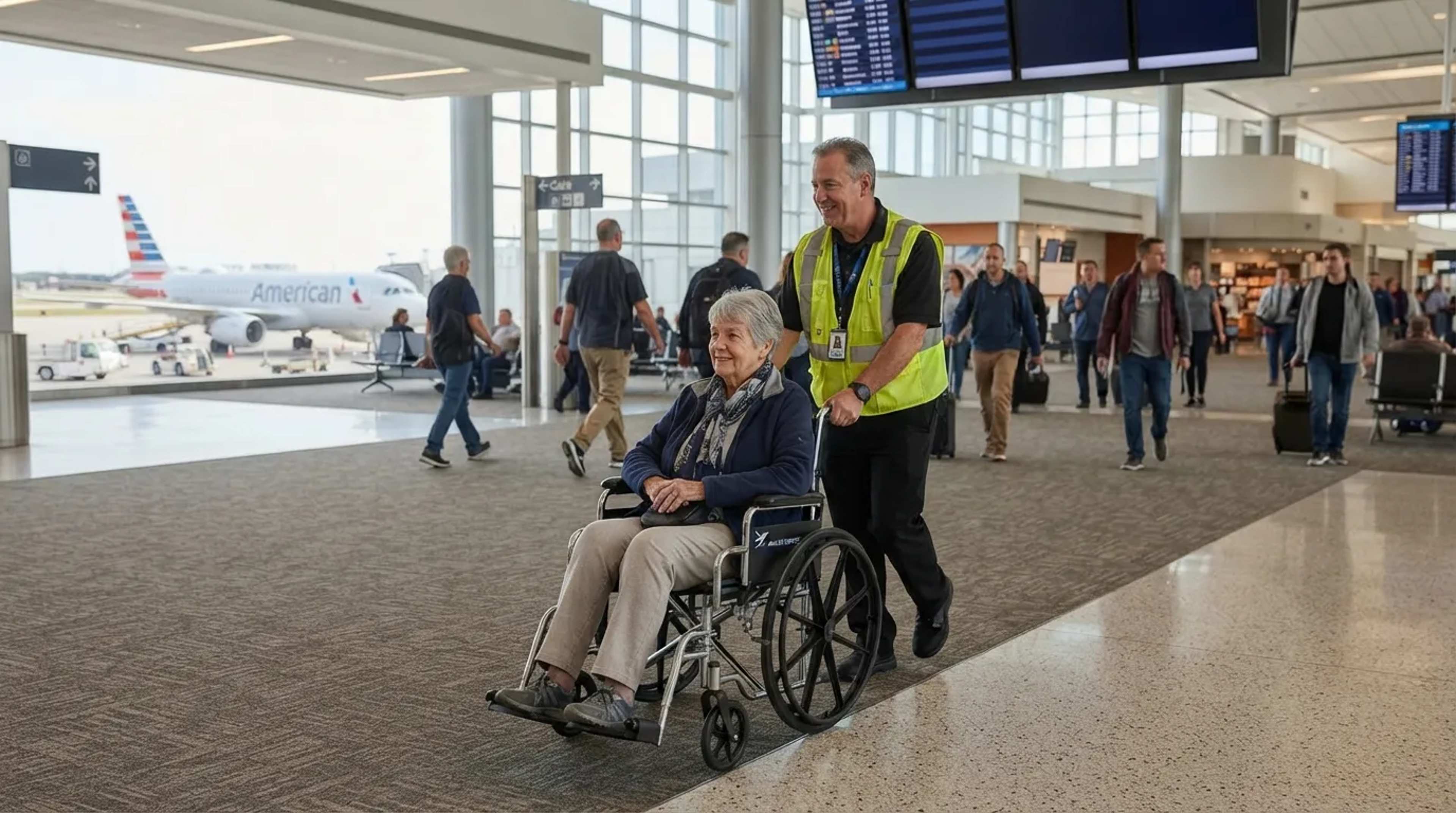
Seniors 65 and older qualify for Reduced Fare OMNY, which means a $1.50 base fare and a $17.50 weekly cap. The program covers anyone 65 or older, or anyone with a qualifying disability.3
The catch is the card itself. As of February 2026 there was no online application. You can apply in person and sometimes leave with the card the same day, while a mailed application can take up to three months.3
For a one-time visit with one ride each way, the savings come to $3 in all, which is not worth an errand to a customer service center. For a stay of a week or more, or if you live in the city, the card pays for itself quickly. The MTA describes the program as open to New Yorkers, so a visitor from out of state should ask whether a home address elsewhere counts before planning around it.
A half-price ride helps only if it starts at the right station, and the AirTrain has two ways out into the subway.
#7 – Jamaica and Howard Beach Lead Different Directions
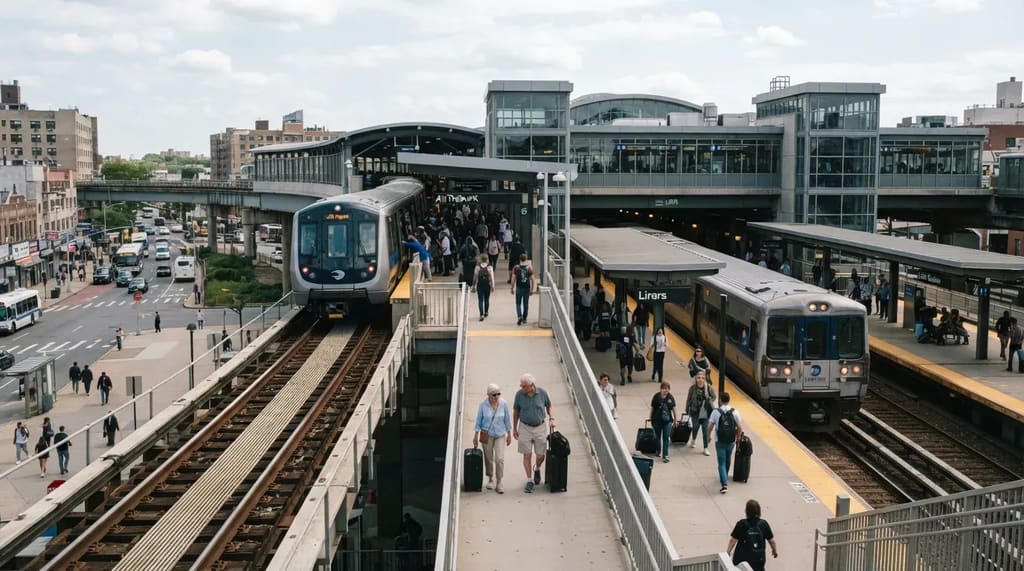
The exit you pick decides what you board next. Jamaica connects to the subway and the Long Island Rail Road, and Howard Beach connects to the subway.
- Jamaica: the E, J and Z subway lines and the LIRR
- Howard Beach: the A train
The ride to Jamaica takes about 10 to 12 minutes and the ride to Howard Beach about 8. That difference is a matter of minutes, so choose the exit by where you are going rather than by the clock.
If your hotel is near Penn Station or Grand Central, Jamaica is the better exit. The LIRR leg to Penn Station takes about 20 minutes. If you are bound for lower Manhattan, Howard Beach and the A train are the more direct choice. Look up the station nearest your hotel before you land.
Jamaica also has one option Howard Beach lacks, a commuter train priced by the clock.
#6 – The Commuter Train Reaches Penn Station in 20 Minutes
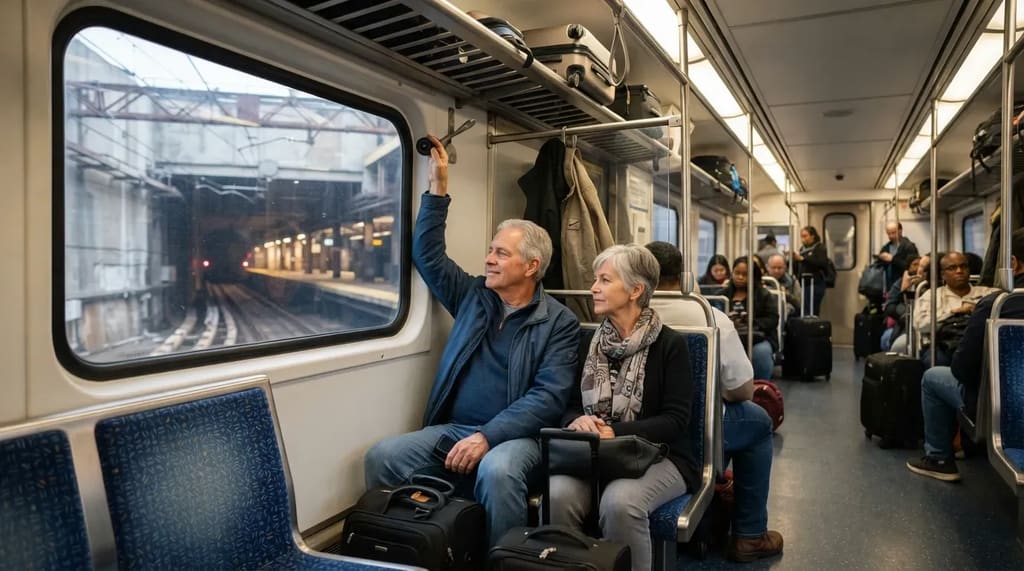
The route is the AirTrain to Jamaica and then the LIRR into Manhattan. The CityTicket fare from Jamaica to Penn is $5.25 off-peak and $7.25 peak. Add the AirTrain and an off-peak trip comes to about $14 and a peak trip to about $16.2 4
- AirTrain plus LIRR, off-peak: $14.00
- AirTrain plus LIRR, peak: $16.00
- AirTrain plus subway: $11.75
The train costs $2.25 more than the subway route at off-peak prices. At Jamaica, the LIRR serves both Penn Station and Grand Central, and the whole journey usually runs under an hour. If you have luggage and a Midtown address, that $2.25 is the best money in the piece.
Riders 65 and older may qualify for reduced LIRR fares, so ask about that when you buy. Both fares above assume an off-peak train, and the same clock also governs the cab line.
#5 – Weekday Rush Hour Raises Every Price
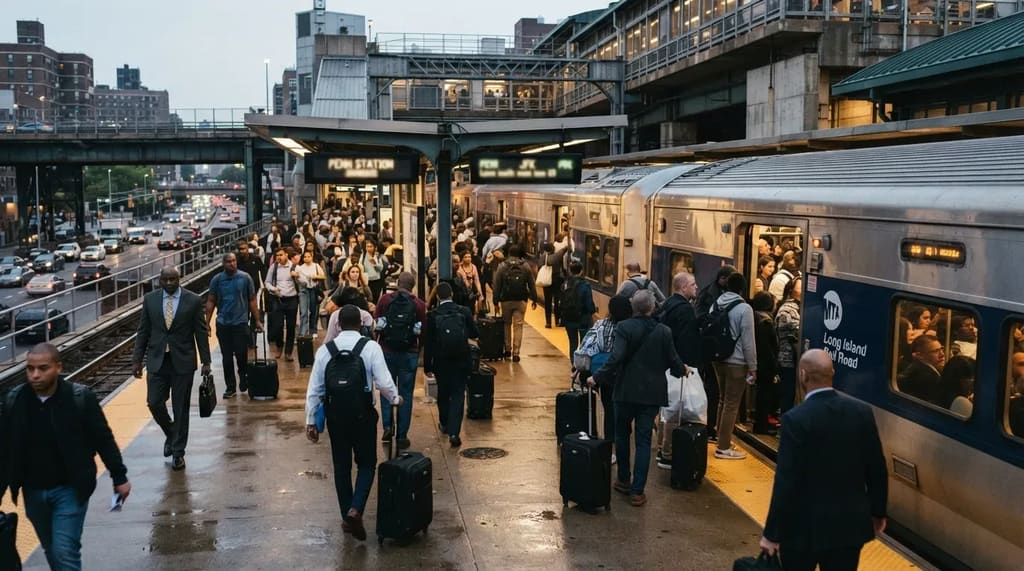
On the train, peak adds $2: $7.25 against $5.25 off-peak. Peak generally means the weekday commuter rush, so a mid-morning or midday arrival is the cheaper one.
The cab penalty is bigger. The flat fare gains $5 on weekdays between 4 and 8 p.m.5 The train’s surcharge buys a ride that takes about the same 20 minutes, while the cab’s buys a ride through the worst of the evening traffic.
If your flight lands on a weekday between 4 and 8, the cab is the option that gets pricier and slower at once. The train loses only $2.
Neither price says anything about the stairs, which is where the cheaper routes start to feel expensive.
#4 – Stairs and Suitcases Change Which Route Is Cheap
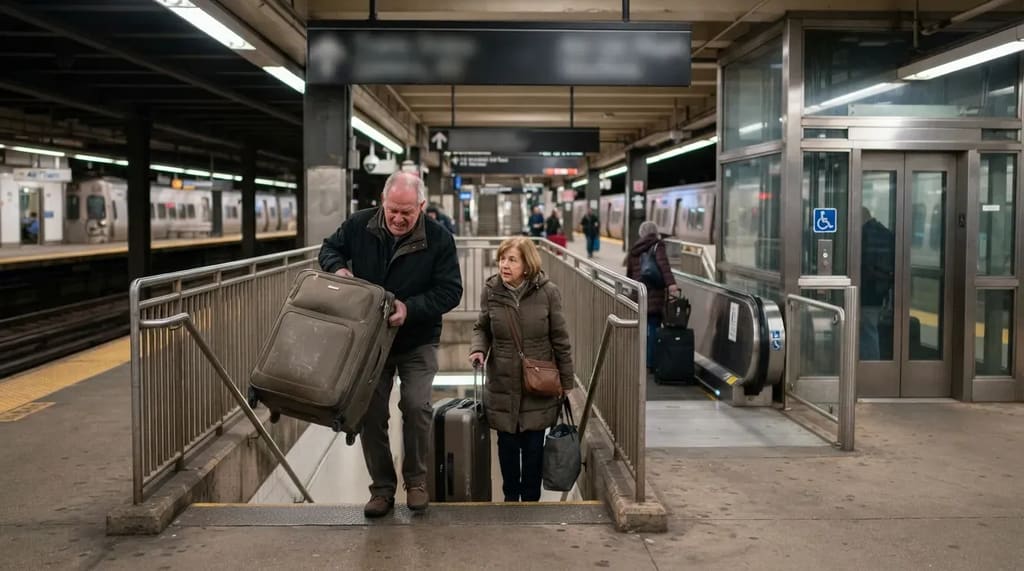
The airport says AirTrain stations and trains are ADA compliant, and it points to accessible subway links at Jamaica and Howard Beach. That covers the airport end. Not every subway station in the city has an elevator, so the station nearest your hotel matters.
The subway route means a transfer at the AirTrain exit and then a ride to a station you may not know. The commuter route has one transfer at Jamaica, where stairs, an elevator or an escalator take you up to the main level and the ticket machines. Penn Station has its own elevators and escalators at the other end.
If you travel with two large bags, or stairs bother your knees, the $11.75 subway route stops being the bargain it looks like. The extra $2.25 for the train, or the cab fare covered later, buys fewer unknowns. A single carry-on and a free afternoon can change that answer.
Worth Knowing
- AirTrain stations and trains are ADA compliant.
- Jamaica and Howard Beach both have accessible subway links.
- Not every subway station in the city has an elevator, so check your hotel’s nearest stop.
- The LIRR route has one transfer, at Jamaica, and Penn Station has elevators and escalators.
For a traveler who has run out of patience for stairs, the cab line is not the only door-to-door choice, since app drivers now meet some arrivals at a separate spot.
#3 – App Rides at Terminals 5 and 7 Start at Howard Beach
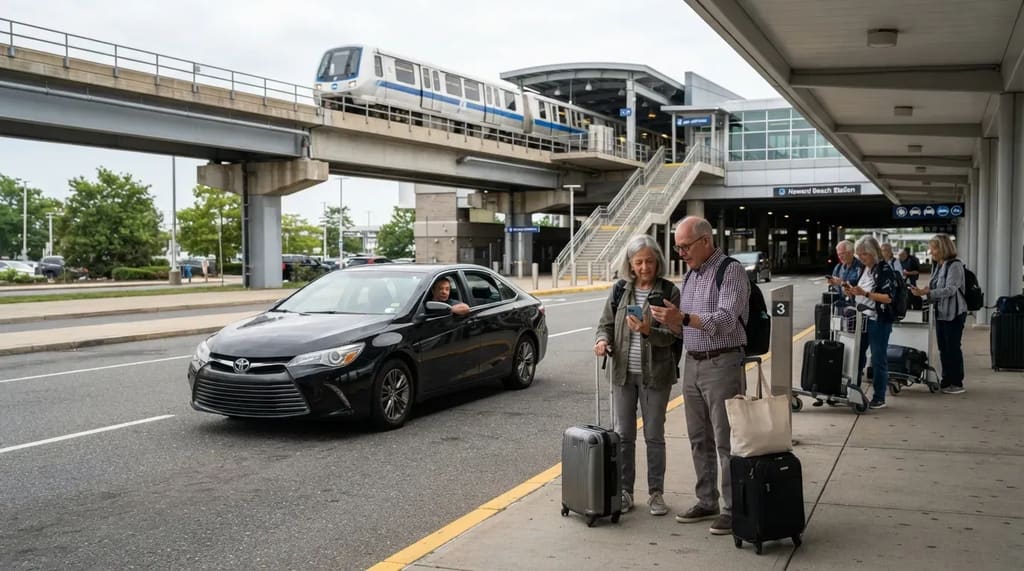
Under a construction-era arrangement at the airport, arriving passengers at Terminals 5 and 7 take the AirTrain, free of charge, to a designated area at Howard Beach for Uber, Lyft and other app pickups. Look up your terminal’s pickup rules before you land, because the curb you expect may not be the curb you get.
Price is the other difference. App prices vary with destination, demand and time of day, while the yellow cab trip to Manhattan has a regulated flat fare. The standard peak congestion toll is $9 for vehicles entering Manhattan below 60th Street, while a yellow cab carries a 75-cent congestion toll for the same zone.
Compare the app’s quote with the cab’s fare, about $74.75 plus tolls, which is worked out in the last item. If the app is cheaper and picks you up closer to your terminal, it wins. If it comes in higher, the flat fare is the better deal.
The yellow cab line at the curb works on different rules, and one of them is a price that does not depend on traffic.
Related Stories From Travelbinger

#2 – The $70 Flat Fare Belongs to Yellow Cabs Only
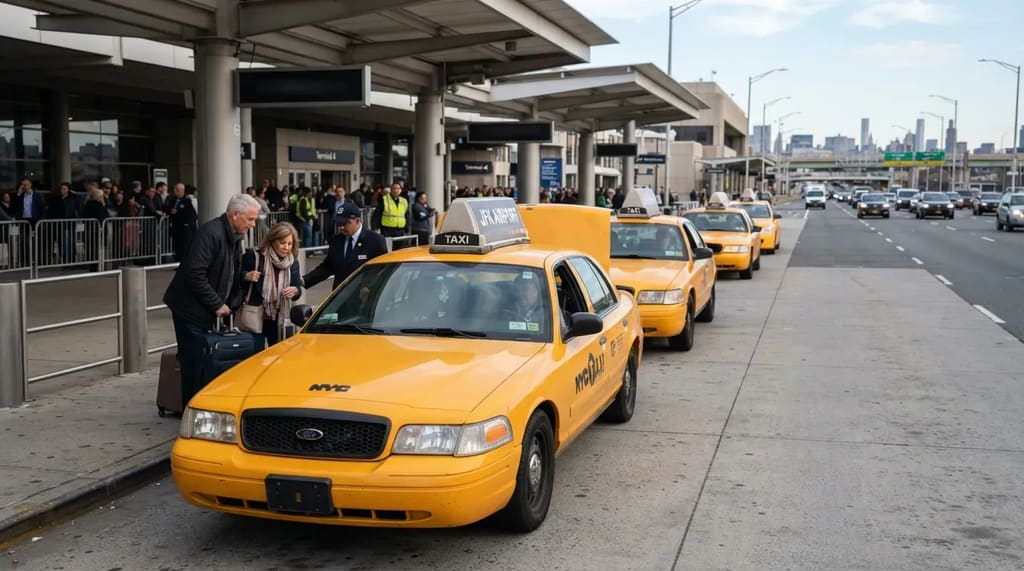
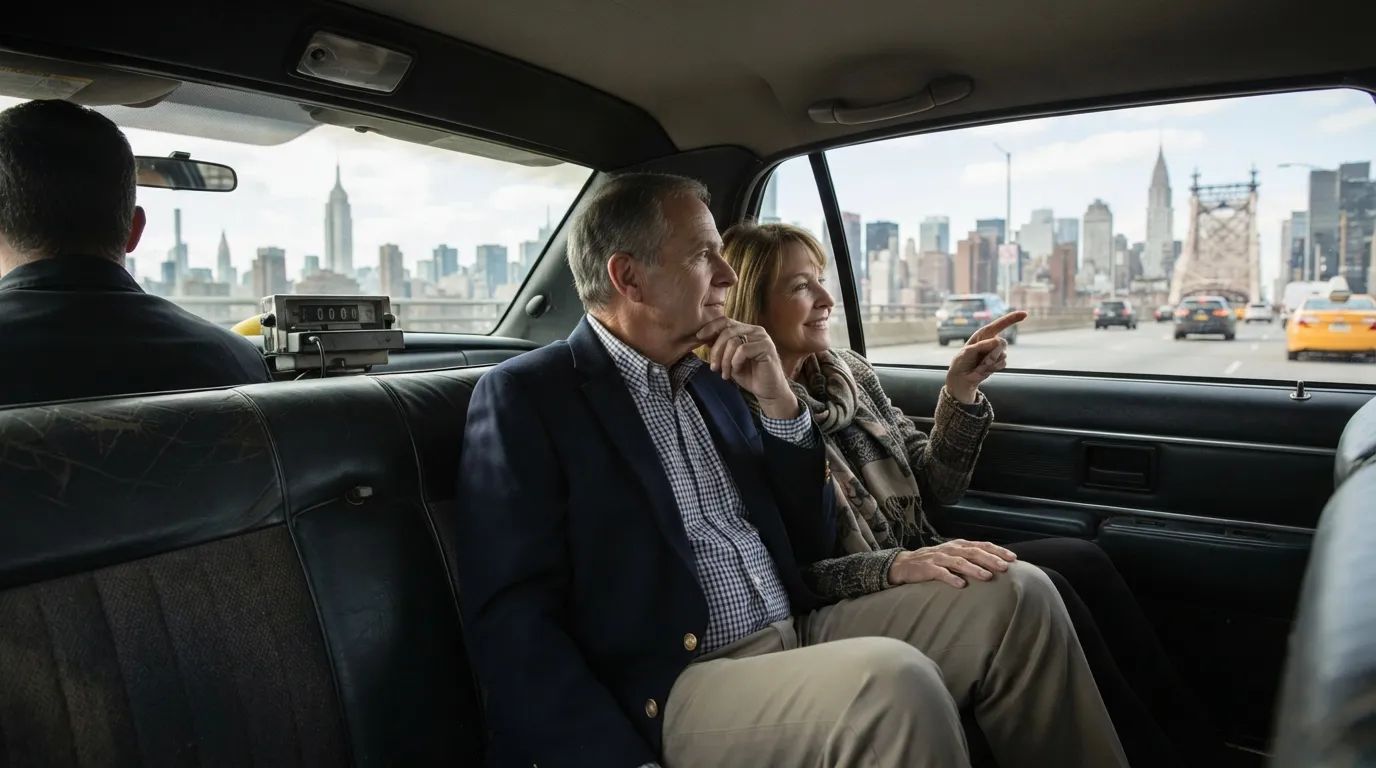
The Taxi and Limousine Commission sets one flat fare of $70 for yellow cabs between JFK and Manhattan, and it applies in either direction. The meter stays off for this trip, so a jam on the Van Wyck Expressway does not change the base price.5
The flat fare has edges. It applies only between JFK and Manhattan, and other New York City destinations are charged the standard metered fare. A hotel in Brooklyn or Queens gets the meter, which starts at a $3 drop, adds 70 cents per fifth of a mile and keeps adding while the cab sits in traffic.5
For a Manhattan address, the flat fare is the one real advantage the cab has. You know the base price before you get in, whatever the roads do. For anywhere else, ask the driver to explain how the meter will run before you pull away.
Quick Compare
- Manhattan address: $70 flat, meter off, same price in either direction.
- Brooklyn or Queens address: the meter runs, starting at a $3 drop.
- Heavy traffic: the flat fare holds, but the meter keeps climbing.
The $70 is fixed, though the charges stacked on it decide the final total.
#1 – A $70 Cab Ride Becomes About $75 Before Tolls
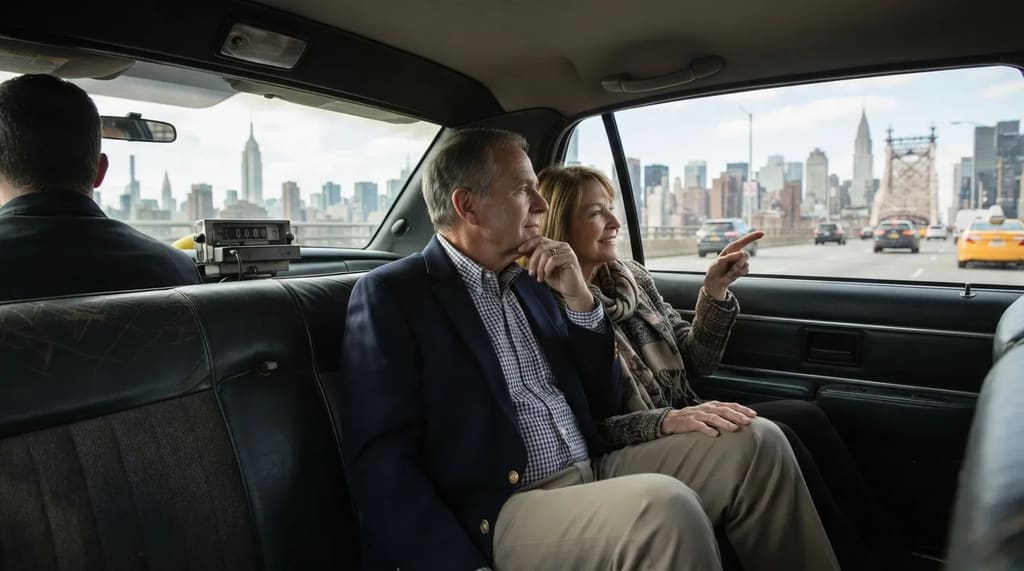
The TLC lists the extras: a 50-cent state surcharge, a $1 improvement surcharge, the $2.50 state congestion surcharge below 96th Street, and the 75-cent congestion toll below 60th Street.5 Added to the base, the sum is shown below.
- Flat fare: $70.00
- State and improvement surcharges: $1.50
- Congestion surcharge and toll: $3.25
- Total before tolls and tip: $74.75
On a weekday between 4 and 8 p.m. the total is $79.75, and bridge or tunnel tolls and the tip come on top of that. The price you were quoted at the curb is the base, not the receipt.
Here is the comparison. A party of four, using the group fare and four off-peak commuter tickets, pays $43.25 in all. The cab costs about $74.75 before tolls and tip, roughly $31 more.
For a solo traveler, the cab costs about $60 more than the train, so it is worth it only when your bags or your balance demand it. For four people with luggage, about $19 a person is a fair price for a ride from the curb to the door.
The number on the sign is where the trip’s cost starts, not where it ends. The cheap routes charge in stairs and transfers, and the easy ones charge in surcharges added after the base fare.
Before you fly, write down your hotel’s address, the nearest station, and how many bags you will carry. Those three answers pick the route more reliably than any fare chart does. Check the current fares at mta.info and jfkairport.com before you go, since both can change.
The best way into Manhattan is the one your knees, your luggage and your budget can all live with by the time you reach the hotel lobby.
- JFK Airport AirTrain: https://www.jfkairport.com/transportation/airtrain
- JFK to Manhattan Transit Guide: https://nyctransit.us/airport/jfk
- MTA Reduced-Fare Program: https://www.mta.info/fares-tolls/subway-bus/reduced-fare
- LIRR Penn Station to JFK: https://transpovia.com/en/blog/lirr-penn-station-to-jfk
- NYC Taxi Fares Explained: https://newyorkexplained.com/explained/how-nyc-taxi-fares-work/