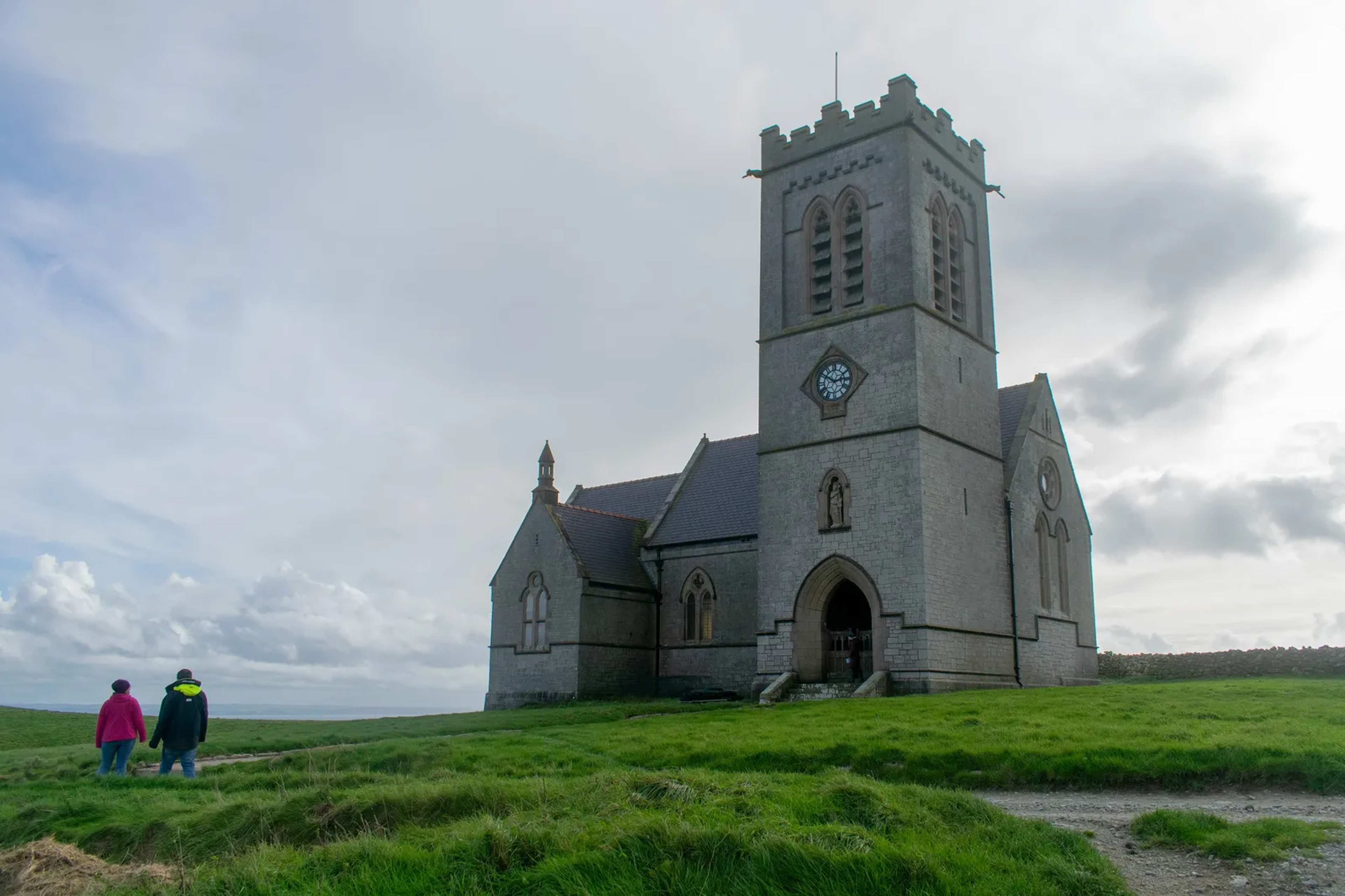
Lundy sits in the Bristol Channel, a rugged island of granite lying between Wales and England. Its waters and cliffs have drawn conservation attention for decades, and the island is now often cited as one of the UK’s most pioneering examples of nature recovery. The original report on the island is available at Mongabay [1]. Its story is less about closing a place off than about rebuilding it while keeping people involved. ([1])
Rats, seabirds and a slow comeback
On land, one of the most consequential changes came with the removal of an invasive species. Important seabird colonies, including Manx shearwaters, guillemots, as well as puffins, have also flourished following the eradication of rats on Lundy between 2003 and 2006. The island has remained rat-free since then, and that status now shapes how visitors are asked to behave.
The seabird numbers are part of what makes the island stand out. Its colonies and the surrounding sea give birds a stretch of coast with little disturbance, which helps explain why the return has been so visible. Rat removal was only one piece of the picture, however. The marine protections that followed were just as deliberate.
A marine protection timeline built over decades
Protection at sea began long before the most recognized designations. The island’s waters have been shaped by a series of steps, each building on the last:
- 1971: Lundy was established as a voluntary Marine Nature Reserve. The first Marine Nature Reserve designation followed in 1986.
- 2003: An area to the east of the island was declared a No Take Zone, meaning no fishing or collection of sea life of any kind can take place in this area.
- 2005: The Marine Nature Reserve also became a Special Area of Conservation.
- 2010: The island’s Marine Conservation Zone was designated, adding another layer of protection.
Together these designations cover a sizable protected area. The Marine Protected Area covers around 13.9km^2 and extends all around the island’s 15km long coastline. The no take zone is the most restrictive part of that network, and it is where the island’s marine life has shown some of its strongest results.
Fishing communities at the center of the plan
Lundy’s approach differs from many protected areas because local fishing was not pushed aside. Fishermen helped shape the marine protected area, and the no take zone was designed with the needs of people who depend on these waters in mind. Geoff Huelin, who spent decades fishing the waters around Lundy for lobsters and crab, is one of the people whose experience is reflected in that story.
The zoning scheme also leaves room for working fishing. Outside the strictest zone, the rules are more flexible. The refuge zone allows certain types of fishing, such as potting or angling, while the no take zone prohibits them. That split is how the island has kept a working fishing community alongside a protected sea.
What visitors need to know before arriving
The island now welcomes thousands of visitors each year, and the rules are designed to keep that visit from undoing the progress. Visitors are asked to respect the zones and keep their distance from wildlife. Visitors should keep at least 100m away from seals, seabirds, dolphins and basking sharks. Taking marine life from protected waters is not allowed, and the rules apply to everyone who goes out on the water.
Related Stories From Travelbinger

Rats are another concern. Visitors are asked to behave responsibly before arriving on Lundy, because items they bring can harbour rats. The rat-free status has helped the seabirds recover, so small habits matter. Guided walks and warden-led events also give visitors a way to learn about the wildlife without disturbing it.
A recovery that depends on continued care
Lundy shows that a small island can recover when protection is planned carefully and local people have a voice in the process. The seabirds returning to its cliffs, the marine life beneath its waves and the fishing families who still work nearby all depend on the same management choices. For travelers, that makes the island more than a scenic stop. It is a place where the balance between visitors, livelihoods and wildlife remains a live question, and the answer will shape what the island looks like for the next generation.