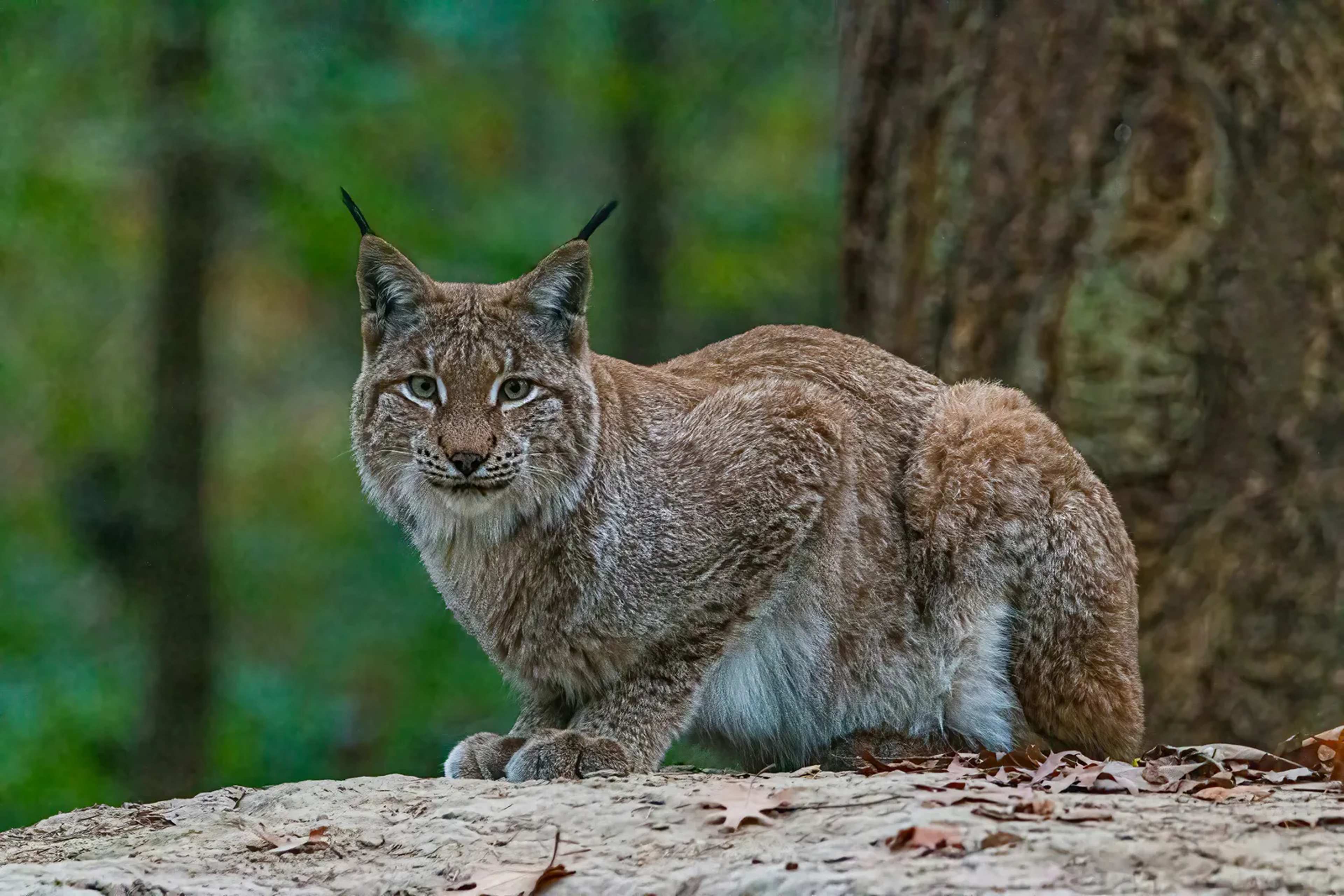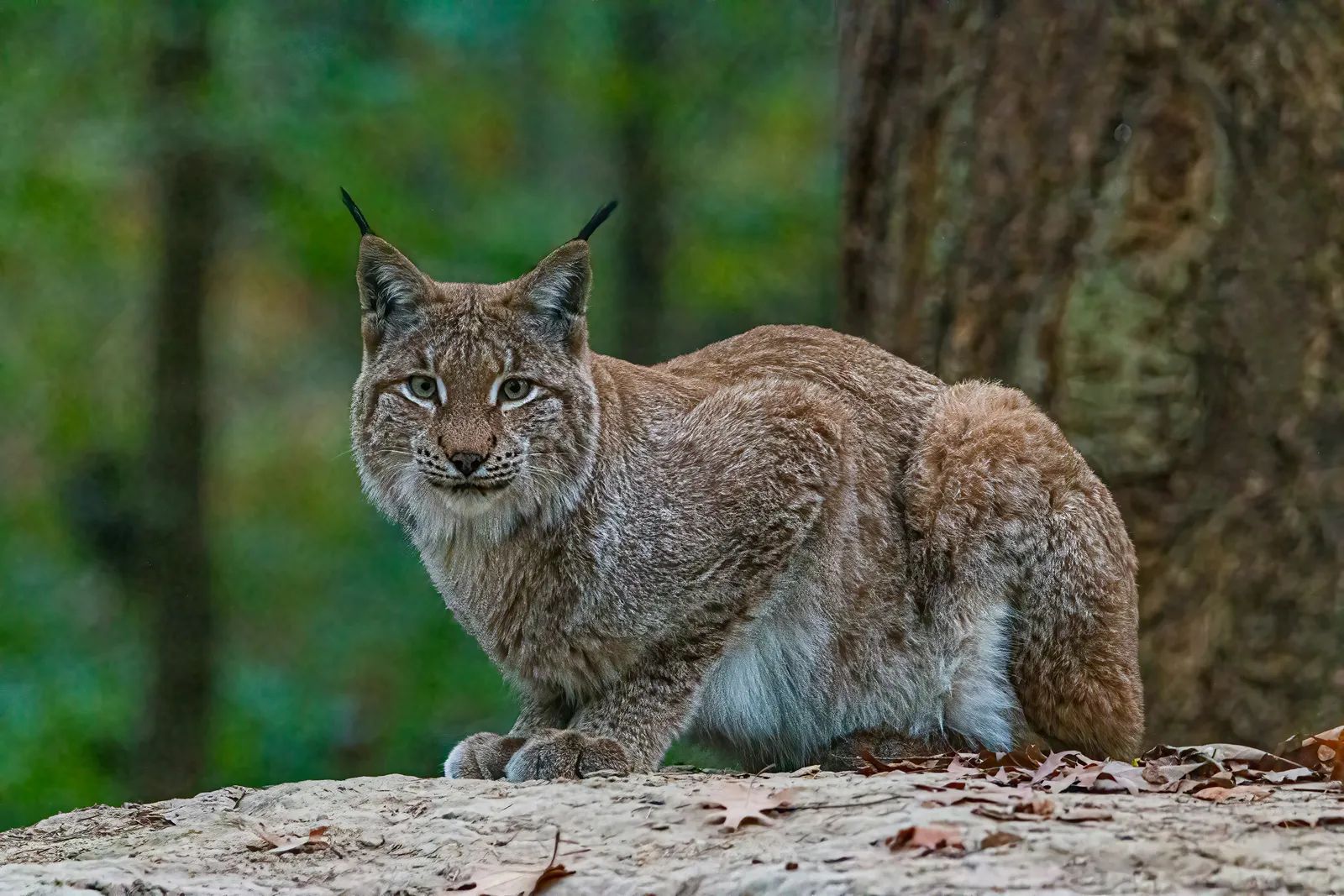
Camera traps placed across parts of Spain have recorded a behavior in Iberian lynxes that had never been seen before in any wild cat species. Over a five-year period, researchers documented several females carrying dead rabbits to water troughs and repeatedly submerging the prey. The footage adds another layer to ongoing studies of this once-critically endangered animal. ([1])
Unexpected Footage From Routine Monitoring
Long-term camera trap programs in Spain focus on tracking the Iberian lynx population as it rebounds from near extinction. The same setups that capture daily movements and breeding activity also turned up the new observations. Multiple adult females were seen transporting rabbits to artificial water sources and dunking them several times before consumption.
The pattern appeared consistently enough across different individuals and seasons to rule out a one-off event. Researchers reviewed hours of recordings to confirm the sequence of actions. No similar behavior had been noted in earlier studies of the species or in other wild felids.
What the Recordings Actually Show
Each instance begins with a lynx carrying a rabbit to the edge of a water trough. The animal then lowers the prey into the water, lifts it, and repeats the motion several times. After the dunking, the lynx typically carries the rabbit away to eat or to feed nearby cubs.
The troughs are common features in the monitored landscapes, installed for livestock or wildlife. The behavior occurred during both warmer and cooler months, though researchers noted more frequent sightings in summer. The lynxes involved were all females with dependent young in several cases.
Why the Dunking Remains a Mystery
Scientists have considered several practical explanations without settling on one. The water could help the lynxes stay hydrated in dry conditions, or it might soften tougher parts of the rabbit for easier feeding of cubs. Another possibility is that the action removes parasites or dirt from the prey.
Still, none of these ideas fully accounts for every recorded instance. The behavior has not been observed in males or in lynxes without young, which adds to the uncertainty. Further field work and analysis of the existing footage will be needed to narrow the options.
Context Within Lynx Recovery Efforts
The Iberian lynx population has grown steadily thanks to habitat protection, prey restoration, and captive breeding programs. Discoveries like this one highlight how much remains unknown even about a species now under close watch. Continued camera trap studies are expected to reveal more about daily habits and adaptations.
Each new observation helps refine conservation strategies for the cats and the ecosystems they inhabit. The dunking behavior stands as a reminder that even well-studied animals can still surprise researchers.