Ask ten expats which country feels safer, and you will likely get ten different answers depending on where they live, not which country they picked. That inconsistency is the real story here. Mexico and Belize both draw thousands of American retirees and remote workers every year, and both carry the same official caution level from Washington, yet the day-to-day experience of safety in each place depends far more on the specific town than on the passport-stamp headline.
This comparison pulls from the latest State Department advisories, current crime data, and on-the-ground healthcare and cost realities to sort out what “safer” actually means for someone weighing a move in 2026.
What the State Department advisories actually say
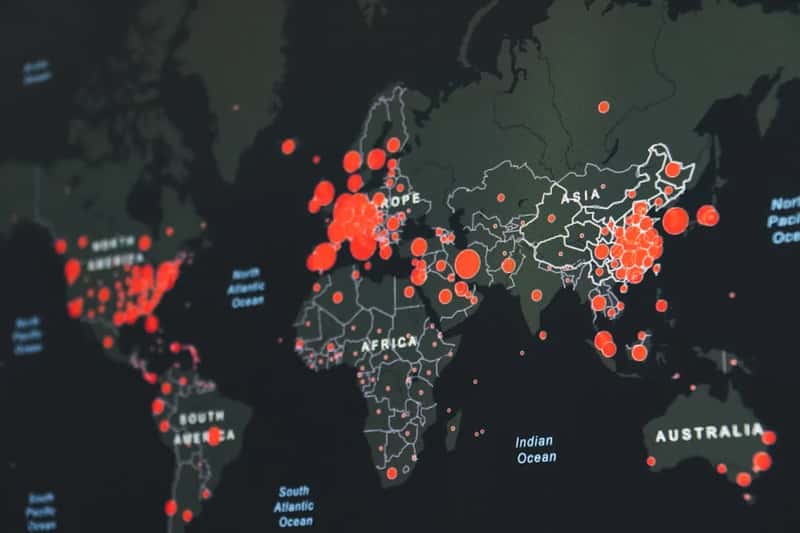
Both countries currently sit at Level 2, “Exercise Increased Caution,” which happens to be the same tier assigned to France, Italy, and the United Kingdom. The nationwide baseline is Level 2: Exercise Increased Caution, the same level assigned to France, Germany, Italy, and the United Kingdom. That single number, though, hides a lot of nuance on both sides of the border.
Mexico is unusual in that its advisory is broken down state by state. The U.S. State Department uses a 1–4 scale for travel advisories, and Mexico is the only country in the world where every individual state is assigned its own level. Six states currently sit at the highest warning tier. Six states remain under a Level 4 “Do Not Travel” advisory: Colima, Guerrero, Michoacán, Sinaloa, Tamaulipas and Zacatecas. Belize, by contrast, gets one national rating with a single carved-out exception. One area carries a stricter rating: the south side of Belize City, from the Haulover Creek Canal continuing south to Fabers Road, is rated Level 3 (Reconsider Travel) due to gang-related violent crime.
Crime statistics: homicide rates in context

Raw murder numbers make Mexico look far more dangerous than it feels to most residents. Mexico’s national homicide rate sits well above the US average, but it is dropping. Mexico’s 2025 homicide rate dropped 30% compared to the previous year, government officials reported. That decline was not evenly distributed, but it was broad. Among Mexico’s 32 federal entities, only six recorded annual increases in homicides in 2025.
Belize’s numbers are smaller in absolute terms but striking on a per-capita basis given its tiny population. Police recorded 89 murders in 2024, after 87 in 2023. That pushed the country into a state of emergency. The government declared a state of emergency in June 2024 to curb gang violence, and safety conditions vary by district and neighborhood. Belize’s own crime observatory data, along with the US advisory, both point to the same conclusion, that this violence clusters almost entirely in one part of one city rather than spreading nationwide.
Where the danger really concentrates in Mexico
The honest answer for Mexico is that risk depends entirely on geography. Tourist-heavy states like Yucatán and Campeche sit at the lowest advisory tier, while a handful of interior and border states remain under “Do Not Travel” warnings. Six states currently sit at Level 4 while popular tourist hubs like Yucatán and Campeche remain at Level 1. Mérida in particular has built a reputation as one of the calmer large cities in the country, with a trailing homicide rate reported at roughly one per 100,000, which is lower than any major US city.
Even inside a single advisory zone, conditions swing wildly. Mexico City’s citywide homicide rate is about 7.9 per 100,000 over the last 12 months, comparable to a mid-range US city, though central tourist areas like Roma, Condesa and the Centro Histórico generally sit below the citywide average. The pattern holds elsewhere too. Cartels do not generally target tourists since doing so draws unwanted attention, and the risks tourists actually face are mostly urban crime such as petty theft, express kidnapping via unlicensed taxis, drink spiking, and scams, which standard precautions largely address.
Healthcare access and medical emergencies
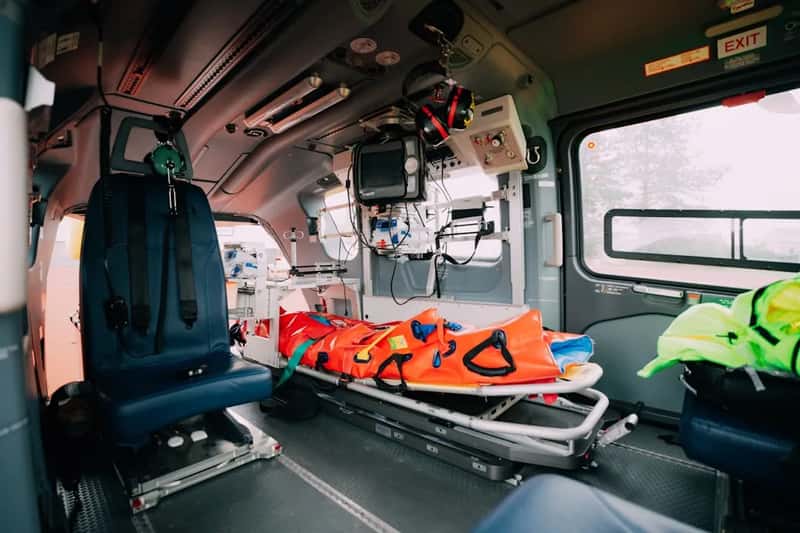
Here the two countries diverge sharply, and it matters as much to long-term safety as crime statistics do. Mexico’s private healthcare system in expat hubs is genuinely strong. Mexico’s healthcare is excellent and affordable, with big cities and expat hubs offering modern private hospitals, some internationally accredited, at 50 to 70 percent less cost than equivalent US care, and many doctors speak English and have US training, with a GP visit running around $30.
Belize simply does not have that depth of infrastructure yet. The main weakness for an expatriate is the lack of advanced technical facilities for complex treatments and the absence of a Level I trauma center, so in practice many residents go to Mexico, Guatemala, or Panama for major procedures. That gap has real cost implications too. Medical evacuation flights can cost 10,000 to 15,000 USD or more, which is why international health insurance with an evacuation clause matters so much. For anyone weighing personal safety in the fullest sense, including what happens if you have a heart attack or a bad fall, this is arguably a bigger factor than crime headlines.
Cost of living and the safety trade-off
Cheaper living is not automatically safer living, but the two are often discussed together because budget constraints shape where people can afford to settle. Belize runs on a modest but not dirt-cheap scale. The short answer is $1,500 to $3,500 per month for a comfortable lifestyle depending on where and how you live, which is dramatically less than the US or Canada.
Mexico offers a similar range but with more regional spread, from budget-friendly interior cities to pricier coastal resort towns. Electricity costs in Belize tend to surprise newcomers. Electricity runs $100 to $250 a month since Belize’s power comes from a mix of hydro and imported Mexican electricity at rates higher than the US, which pushes smart expats toward solar and limited air conditioning. Neither country is meaningfully cheaper in a way that should override safety considerations, so this factor tends to matter more for lifestyle planning than for the safety question itself.
Residency and visa pathways
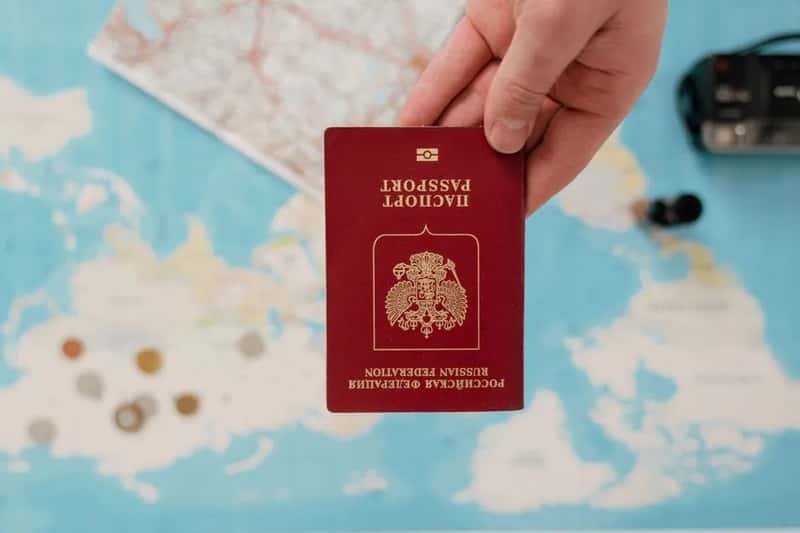
Ease of legal residency affects how settled and secure an expat’s daily life feels, even if it is not “safety” in the crime-statistics sense. Mexico’s temporary resident visa is widely regarded as approachable. Mexico’s Temporary Resident process is quite forgiving, with reasonable income or savings requirements, easy renewal, and permanent residency available after four years, plus a 180-day tourist allowance that lets newcomers test the waters first.
Belize’s flagship program targets a specific demographic and comes with its own rules. The Qualified Retired Persons Program is open to applicants aged 40 or older who can show at least $2,000 per month in retirement income, and members must spend a minimum of 30 consecutive days in Belize each year to keep their status. One clear advantage Belize holds is language. Belize is the only country in Central America where English is the official language, making it uniquely accessible for American expats seeking a tropical relocation without a language barrier.
Expat communities and support networks

A well-established expat community often functions as an informal safety net, sharing warnings about scams, bad neighborhoods, or unreliable contractors long before any official advisory catches up. Belize’s community, while smaller than Mexico’s, is tightly organized. An estimated 5,000 to 15,000 Americans reside in Belize concentrated in Ambergris Caye, Placencia, Corozal, Cayo District, and Consejo Shores, with English-language services and expat associations readily available across these hubs.
Mexico’s expat population dwarfs Belize’s by a wide margin, spread across Mérida, Lake Chapala, Puerto Vallarta, and Mexico City among other hubs. That scale brings a deeper pool of shared knowledge, more English-speaking professionals in law and real estate, and a longer track record of communities weathering both good years and rough patches together. It is not that Belize lacks support, it is that Mexico’s expat infrastructure has simply had decades longer to mature.
Natural hazards and everyday risks
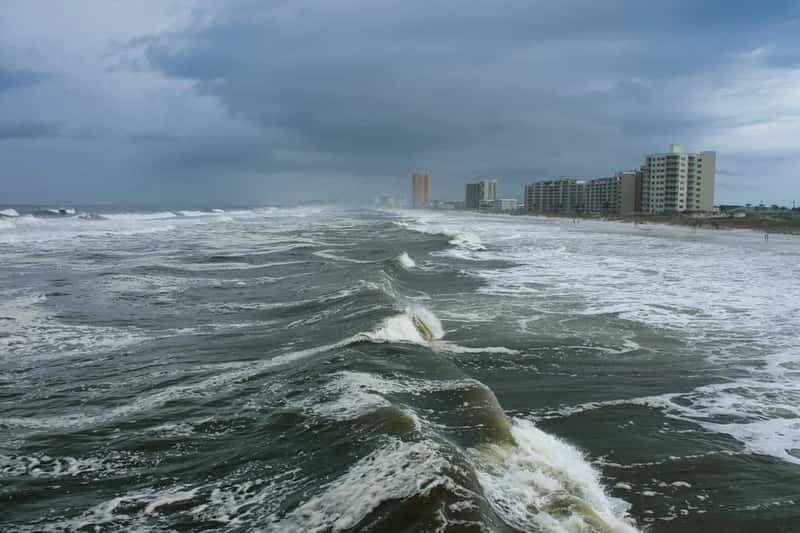
Crime statistics tell only part of the safety story. Belize sits squarely in the Caribbean hurricane belt, and that geography carries its own planning burden. Hurricane season from June through November poses property and logistics risks that factor into any long-term relocation decision.
Mexico’s hazard profile varies by region, with earthquake risk in central and southern zones and hurricane exposure along both coasts, though its far larger landmass means residents can often choose a location that minimizes one hazard or another. Both countries also carry everyday health considerations worth flagging honestly, including mosquito-borne illness and water quality concerns that call for basic precautions rather than alarm. For most expats, these environmental risks end up requiring more day-to-day attention than the crime statistics that dominate the online debate.
The bottom line for American expats
Neither country is simply “safer” in a way that settles the debate outright. Mexico carries a scarier national homicide number but offers so much regional variety that a place like Mérida or the Lake Chapala area can feel genuinely calm, backed by strong private healthcare and a mature expat scaffolding. Belize carries a smaller absolute crime count concentrated almost entirely in one Belize City district, paired with an English-speaking advantage but a thinner medical safety net for anything serious.
The practical takeaway is the same for both destinations: the country-level advisory tells you almost nothing useful on its own. What matters is picking a specific town, understanding its particular risks, whether that is street crime, hurricane exposure, or distance from a trauma center, and planning around those realities rather than a single headline rating.