World Mushroom Day on October 15 draws attention to fungi that extend well beyond the dinner plate. These organisms already shape ecosystems and human diets, yet researchers and companies now explore their role in cutting plastic use and strengthening food systems. Practical applications range from new packaging materials to additional income streams for farmers. ([1])
The Reproductive Role of Mushrooms
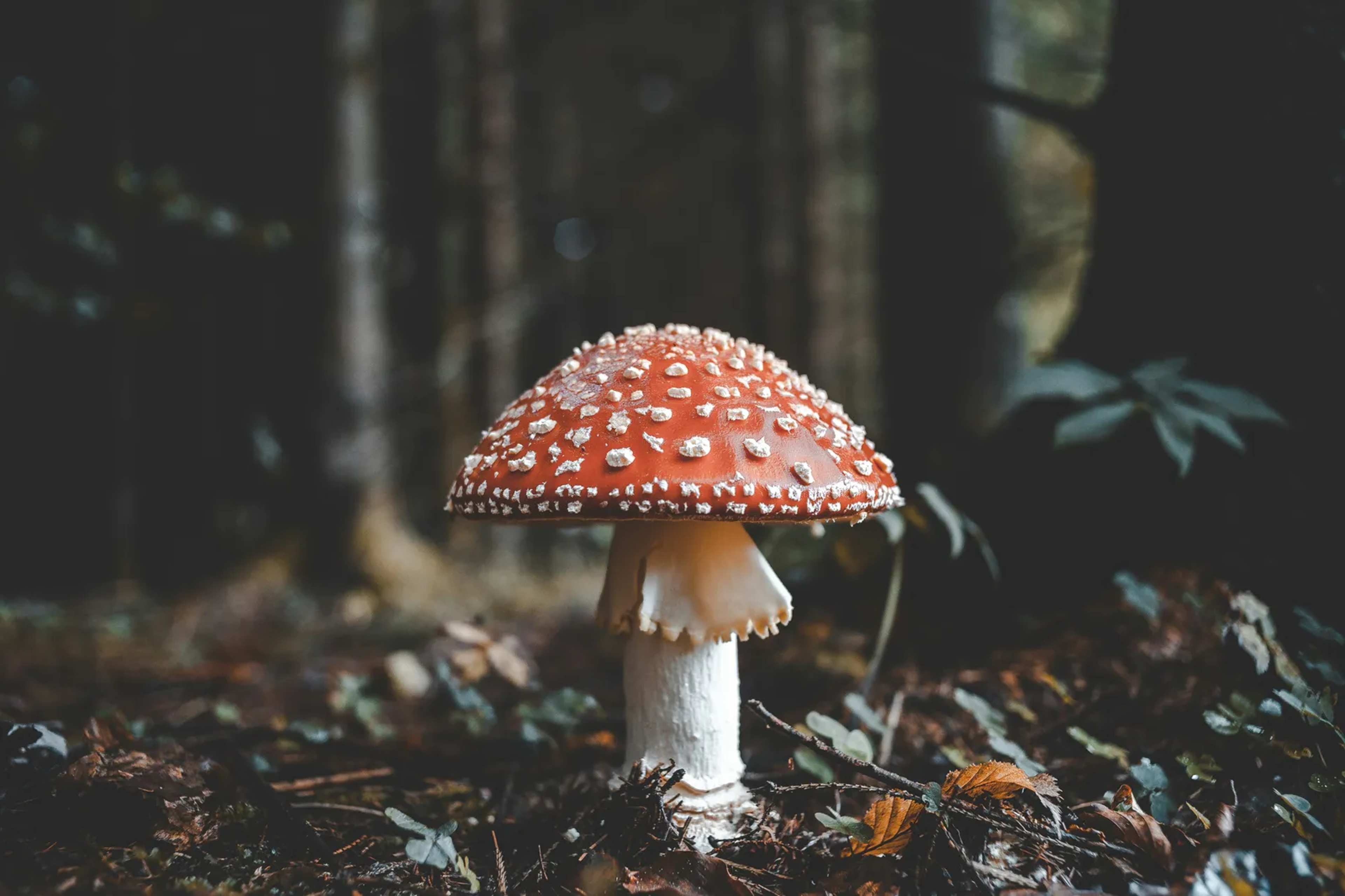
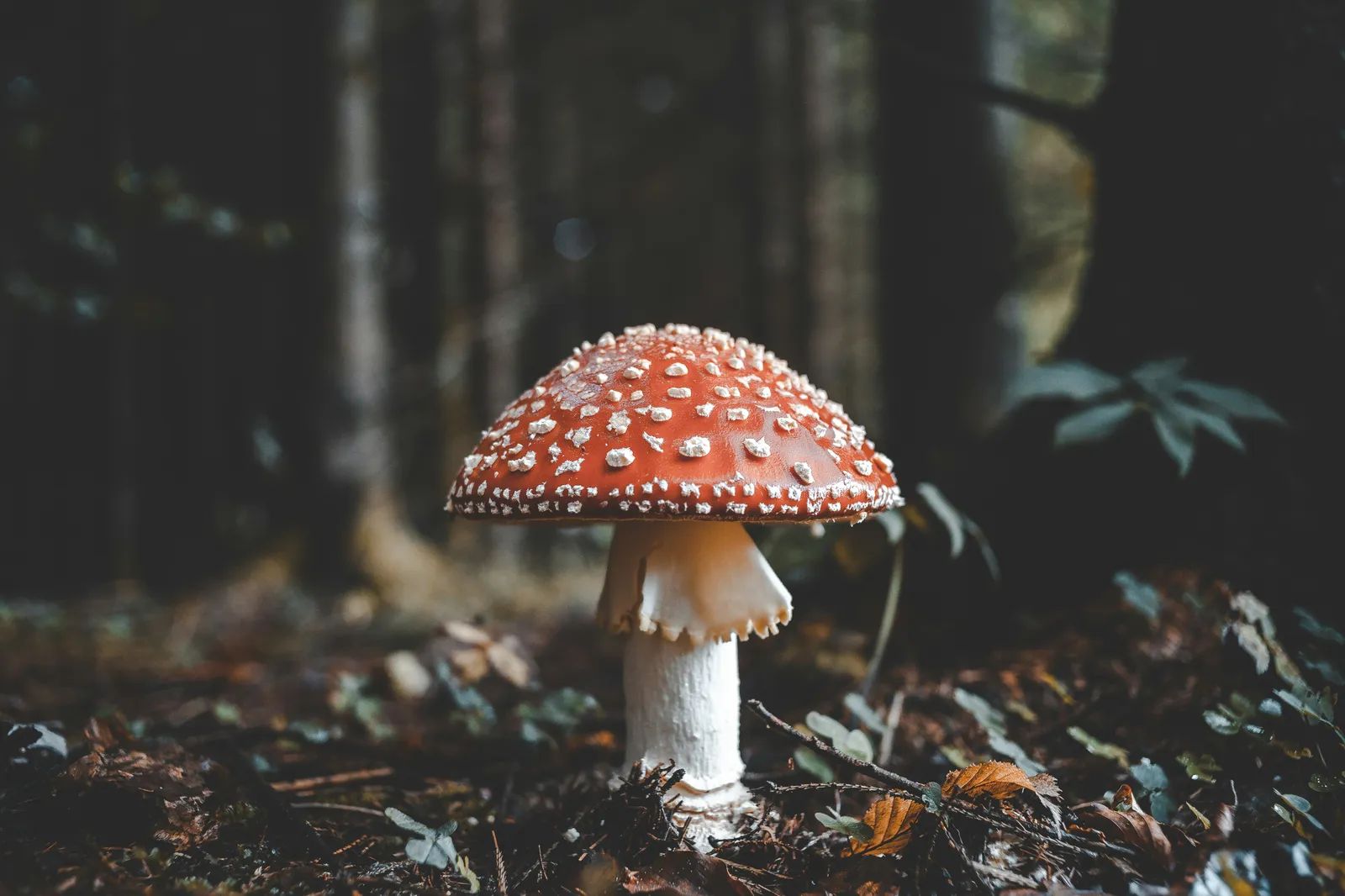
A mushroom functions much like a flower on a plant. It serves as the reproductive structure of a larger fungus, releasing spores that allow the organism to spread. This basic biology underpins the many ways fungi interact with soil, plants, and animals. Understanding that relationship helps explain why certain species show promise in industrial and agricultural settings.
Fungi break down organic matter and cycle nutrients through forests and fields. Their underground networks often support plant growth in ways that chemical inputs cannot match. For communities facing resource limits, these natural processes offer low-cost options that align with existing farming practices.
Turning Fungi Into Materials
Companies have begun testing mushroom-based products that could stand in for leather, foam packaging, and other petroleum-derived goods. One example involves the artist’s conk mushroom, Ganoderma applanatum, grown into sheets that mimic conventional materials. The approach reduces reliance on plastics while creating new revenue for growers who supply the raw fungi.
Gabriela D’Elia, director of the Fungal Diversity Survey, has pointed to projects that combine waste management with material production. Farmers can use agricultural leftovers as substrate for mushroom growth, then sell the resulting composites. Such methods lower disposal costs and open markets for sustainable goods without requiring major new infrastructure.
These developments carry direct consequences for manufacturers and waste handlers. A shift toward fungal materials could trim plastic volumes in shipping and consumer goods over the coming years. Stakeholders in both agriculture and packaging industries stand to gain if production scales reliably.
Tracking an Invasive Edible Species
Golden oyster mushrooms, valued for their color and taste, have moved beyond their Asian origins. A 2025 study documented their spread through North American forests, where they compete with native fungal species. The bright yellow caps make them easy to spot, yet their ecological footprint raises questions for forest managers.
Lead author Aishwarya Veerabahu of the University of Wisconsin-Madison noted that popularity as a food item helped drive the introduction. Once established, the mushrooms alter local fungal communities in ways that remain under study. Landowners and conservation groups now weigh the benefits of an edible crop against risks to biodiversity.
Monitoring efforts focus on how quickly the species expands and which habitats prove most vulnerable. Early data suggest targeted management may limit further displacement while preserving the mushroom’s value as a food source. The outcome affects both commercial foragers and agencies responsible for forest health.
Looking Ahead for Stakeholders
Continued work on fungal materials and food applications will shape decisions by regulators, investors, and rural economies. Success depends on consistent supply chains and clear performance standards that match or exceed current plastics. Communities already experimenting with these methods provide early evidence of both opportunities and limits.
The timeline for wider adoption remains tied to research funding and market acceptance. Farmers, manufacturers, and environmental groups each hold stakes in whether these alternatives move from pilot projects to routine use. Ongoing observation of species like the golden oyster will further inform how fungi fit into larger sustainability plans.