Summer travel in Europe hit another rough patch on August 30, when flight tracking data showed thousands of delayed departures and dozens of cancellations rippling across the continent’s busiest airports. For passengers already juggling connections, hotel bookings and holiday plans, the day added yet another entry to what has become a recurring theme in 2026: a European aviation network stretched close to its breaking point.
The scale of the disruption was striking even by this summer’s standards, touching hubs from London to Madrid and airlines ranging from budget carriers to full-service flag operators. What makes the story worth unpacking isn’t just the raw numbers, but what they reveal about how fragile Europe’s air travel system has become during peak season.
A Single Day, Sixteen Hubs, Thousands of Disrupted Journeys
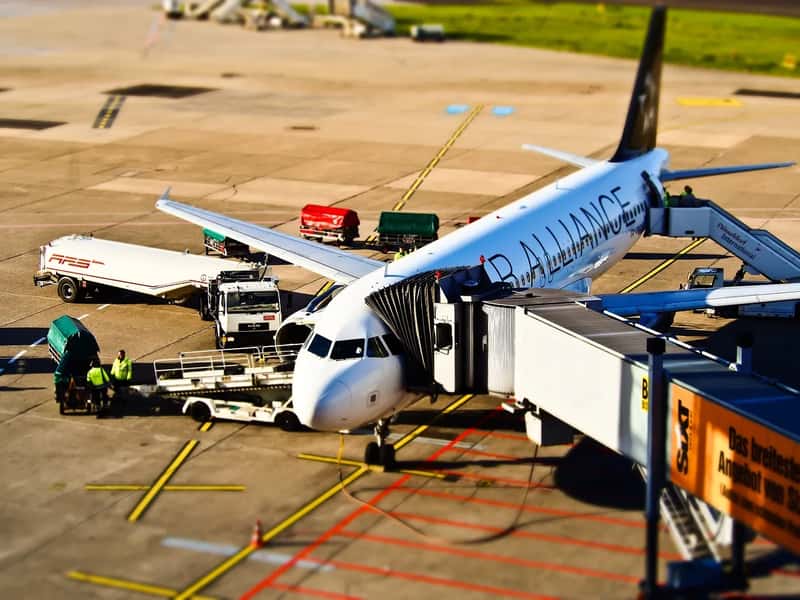
Publicly available disruption trackers for 30 August 2026 showed that London and 15 other large European gateways collectively logged 2,911 delayed departures and 83 cancellations, a tally that pushed bottlenecks across some of the continent’s busiest hubs.[1] That single-day figure was enough to push the day well past the “nearly 3,000” mark once delays and cancellations were combined, making it one of the more severe disruption spikes of the season.
Airports caught up in the chaos included London Gatwick, Amsterdam Schiphol, Frankfurt, Paris Charles de Gaulle, Madrid Barajas and Rome Fiumicino.[2] Live tracking data placed the total at 2,911 delayed flights and 83 cancellations in just 24 hours across London and 15 other major airports, according to reports published the same day.[3] For thousands of travelers, that translated into long lines at rebooking desks, missed onward connections and unplanned overnight stays.
Which Airports and Airlines Felt It Most
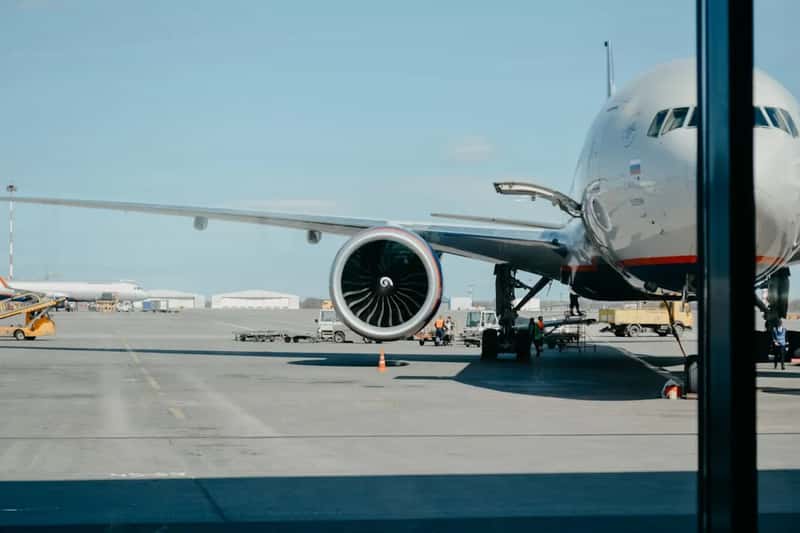
Disruption trackers for 30 August 2026 pointed to a cluster of large European airports, including London Heathrow, London Gatwick, London Luton, Dublin, Paris Charles de Gaulle, Amsterdam Schiphol, Frankfurt, Madrid Barajas and Barcelona El Prat, that collectively recorded the 2,911 delayed departures and 83 cancellations.[3] London’s cluster of airports featured especially prominently, a pattern that has repeated itself through much of the summer.
According to published tallies, easyJet registered the highest number of late services among European airlines on the day, with more than 550 delayed flights and dozens of cancellations, followed by Ryanair and Air France, while British Airways, KLM, Jet2 and Vueling were also listed among the most affected carriers.[3] The concentration of delays among large, point-to-point carriers underscores how a handful of high-frequency airlines can end up absorbing the brunt of network-wide congestion.
Weather, Staffing and a Network With No Room to Breathe
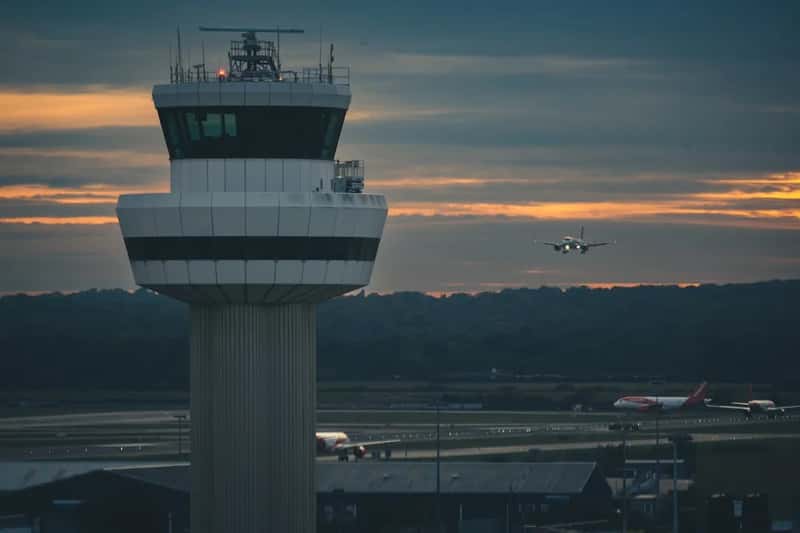
Unlike earlier episodes this year, including a sudden air traffic control strike in Belgian airspace and power and ground-handling problems at Barcelona that each triggered thousands of disruptions on their own, the late-August spike occurred without a large-scale strike or singular technical failure dominating the narrative, underlining how even a non-strike day can tip into widespread disruption when the network is already stretched thin.[1] That distinction matters, because it suggests the problem isn’t limited to isolated incidents anymore.
Throughout August, European networks had been absorbing pressure from several overlapping factors, including local technical failures, staff shortages, storms, and wider airspace constraints linked to geopolitical tensions.[3] When several of these pressures converge on the same day, even routine congestion can snowball into the kind of network-wide slowdown seen on August 30.
Not an Isolated Incident: A Summer Marked by Repeated Chaos
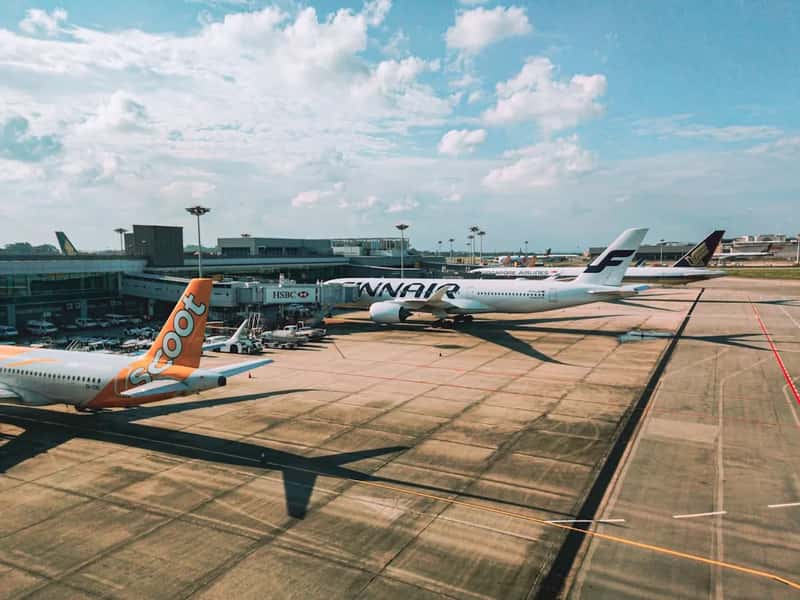
The late-August disruption was far from a one-off. Just days earlier, on 25 August 2026, operational problems at Rome Fiumicino and 12 other airports affected 1,946 flights, including 1,871 delays and 75 cancellations, with many services delayed by more than an hour.[3] Earlier in the summer, the weekend of 20 June 2026 saw 3,136 flights delayed or cancelled in the 24 hours ending late on 21 June, as weather and air traffic limits hit major hubs including Amsterdam Schiphol, Zurich Airport and Rome Fiumicino.[4]
Some of the year’s most severe episodes involved outright strikes rather than routine congestion. A wildcat air-traffic-control strike in Belgium in early June effectively closed Belgian airspace for part of the day, while a separate 24-hour ground-staff strike hit Paris CDG, Orly, and Le Bourget on 18 June.[5] Taken together, these episodes paint a picture of a network that lurches from crisis to crisis rather than one that has simply had a single bad day.
Europe’s Skies Are Busier Than Ever
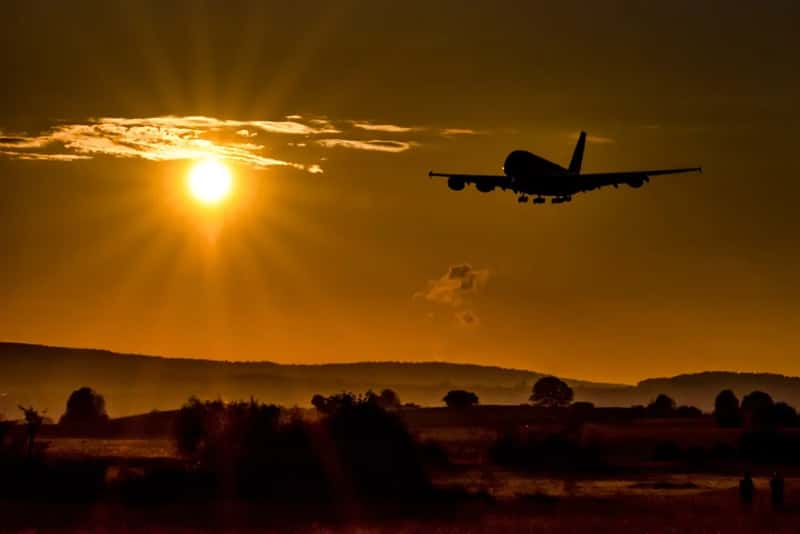
Part of the explanation lies in sheer volume. The European network hit an all-time record of 37,659 flights on July 24, 2026, beating the previous record of 37,640 set just two weeks earlier.[6] The European network averaged 36,554 flights a day in Week 30 of 2026, up roughly one percent on the prior week and about three percent on the same period in 2025, with new records set across five states, seven Area Control Centres, and four airline groups, leaving the system with almost no slack left.[6]
That leaves airports and controllers with virtually no buffer to absorb shocks. France was responsible for roughly a third of this summer’s en-route delays, Spain accounted for close to a fifth, and Greece contributed about one in eight.[6] When a single major control centre or airport underperforms even slightly, the ripple effects can spread across the entire continent within hours.
Know Your Rights: What EU261 Covers and What It Doesn’t
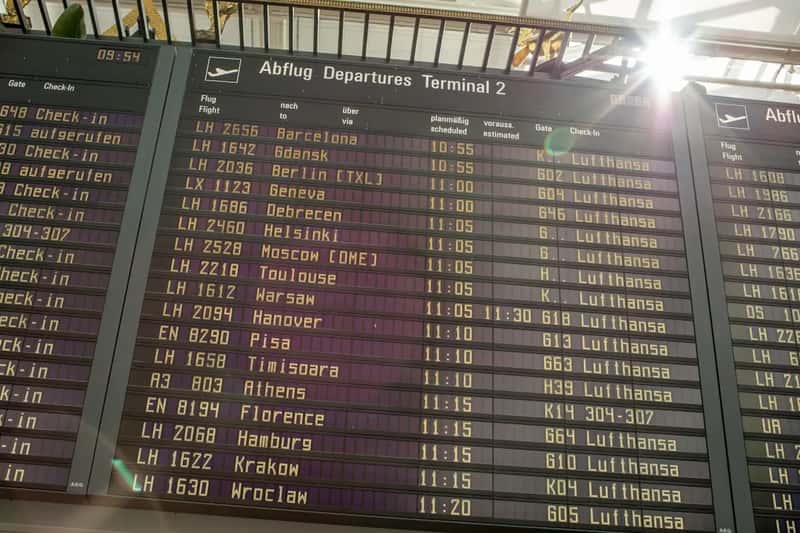
For travelers caught up in days like this, the key question is usually simple: am I owed anything? EU261 compensation of between 250 and 600 euros is a right that passengers are entitled to when flights departing from or arriving in the EU are delayed by over three hours, cancelled, or overbooked, unless the disruption was caused by extraordinary circumstances beyond the airline’s control.[7] That last clause tends to decide most claims.
Air traffic control strikes are generally classified as extraordinary circumstances under EU261 regulations, meaning airlines are typically not required to pay financial compensation for delays or cancellations caused by ATC industrial action.[8] Even so, the right to care still applies, so airlines must provide support like food, refreshments and, when needed, hotels and transport, regardless of who caused the disruption.[8] Weather-driven delays fall into a similar category, which is worth remembering before assuming every disrupted trip automatically qualifies for a payout.
New Rules, Same Compensation: The 2026 EU261 Reform
Passenger rights themselves haven’t stood still this year. After 13 years of deadlock, the EU agreed to modernise its air passenger rights rules, with the new EU261 framework keeping the three-hour delay threshold and the 250 to 600 euro payout structure intact, alongside added rerouting and baggage transparency provisions.[9] Earlier proposals had floated pushing the compensation threshold to four or six hours, a change campaigners warned could have cut up to 60 percent of eligible claims.[9]
Beyond the headline compensation figures, the reform brings a handful of practical improvements for travelers. A personal item and a small cabin bag now travel free of charge, there is no more surcharge to sit next to a child or someone being accompanied, and airlines can no longer require mandatory apps just to retrieve a boarding pass.[10] Airlines will also be required to notify passengers that they may be owed compensation and provide clear instructions on how to claim it, within four days of arrival at the destination.[11]
What Travelers Can Do When Disruption Strikes
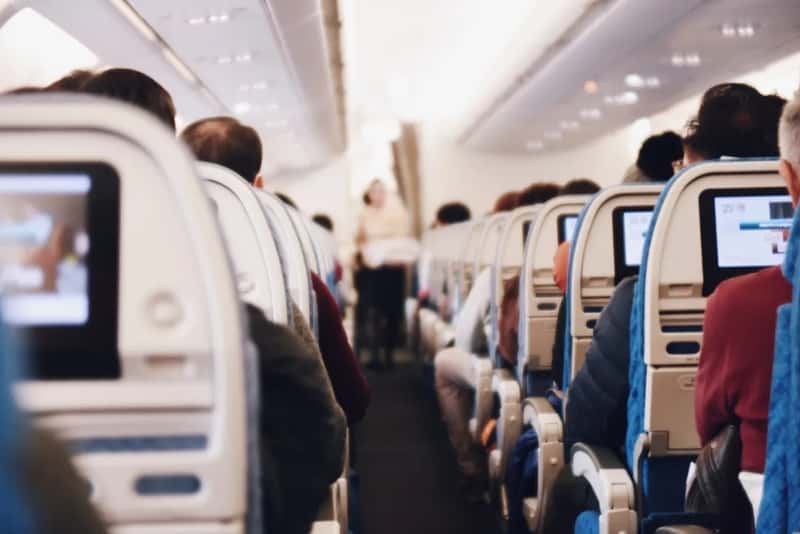
Given how often these disruption waves have recurred through 2026, a bit of preparation goes a long way. Building extra time into connections, monitoring flight status through airline apps and independent trackers, and checking airport departure boards frequently can help travelers catch problems before they snowball into missed flights. It’s also worth knowing in advance whether a delay is attributed to weather, an ATC issue, or an airline-controlled problem, since that distinction determines whether compensation is even on the table.
The nearly 3,000 flights disrupted on August 30 weren’t caused by a single dramatic failure, but by a network already running close to capacity meeting a routine mix of weather and staffing pressure. That combination is likely to recur as long as European air traffic keeps setting new volume records each summer. For now, the most reliable advice for anyone flying through Europe’s busiest hubs is to expect the unexpected, know your rights under EU261, and build a little slack into every itinerary.