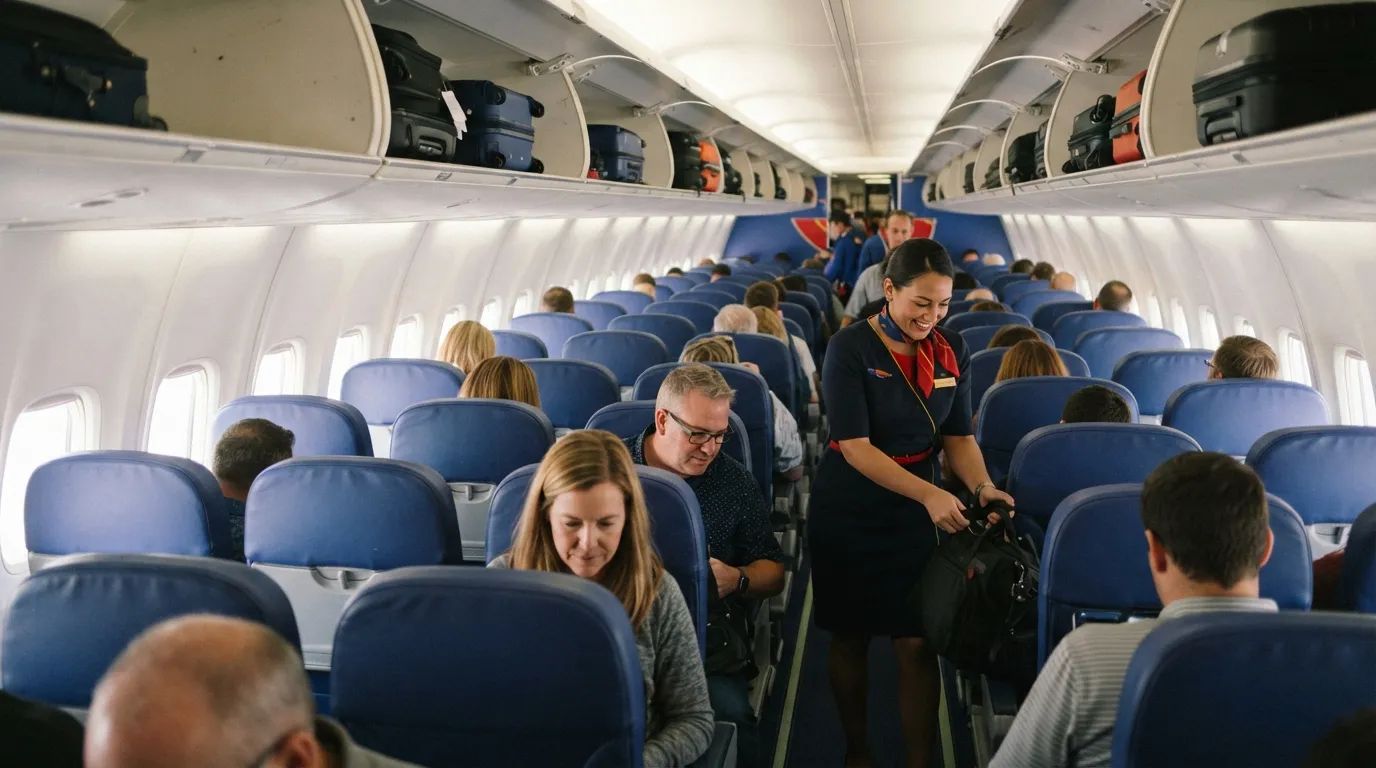
There was never a farewell announcement. One day the seat pocket was thinner, the peanuts had turned into pretzels, and the steaming towel simply never showed up. Twelve once-ordinary parts of flying disappeared this way. Some went for health reasons, some for safety, and plenty for plain arithmetic.
Together they explain why a ticket buys less than it did a generation ago. But a couple of them are not as gone as you would think, and the newest one, which took effect in 2026, ended a rule one airline had kept for nearly its whole history. The countdown starts with the towel, which left first and with the least fuss.
#12 – The Steaming Towel That Arrived Before Dinner
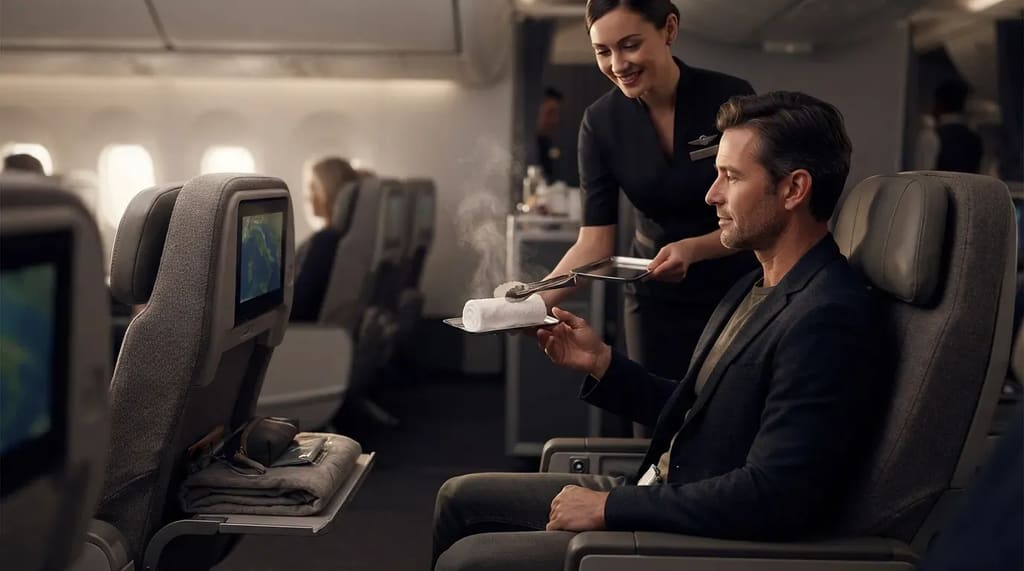
Before the meal cart started down the aisle on a long flight, an attendant came through with a tray of rolled, steaming towels and a pair of tongs. Passengers wiped their hands and faces, and the cabin got a small ceremony before any food showed up.
The towel cost the airline laundry, heating equipment and an extra pass through the aisle, so it went out in the same cost-cutting wave that ended free meals. It did not vanish everywhere. Hot towels survive in premium cabins, and a few international carriers still offer them in coach. A warm towel is now one of the quickest ways to tell which cabin you are sitting in, and that divide keeps coming up on this list.
Reading material left the seat pocket on a similar schedule, though its exit had as much to do with fuel as with money.
#11 – The Seat-Pocket Magazine That Cost Fuel to Carry
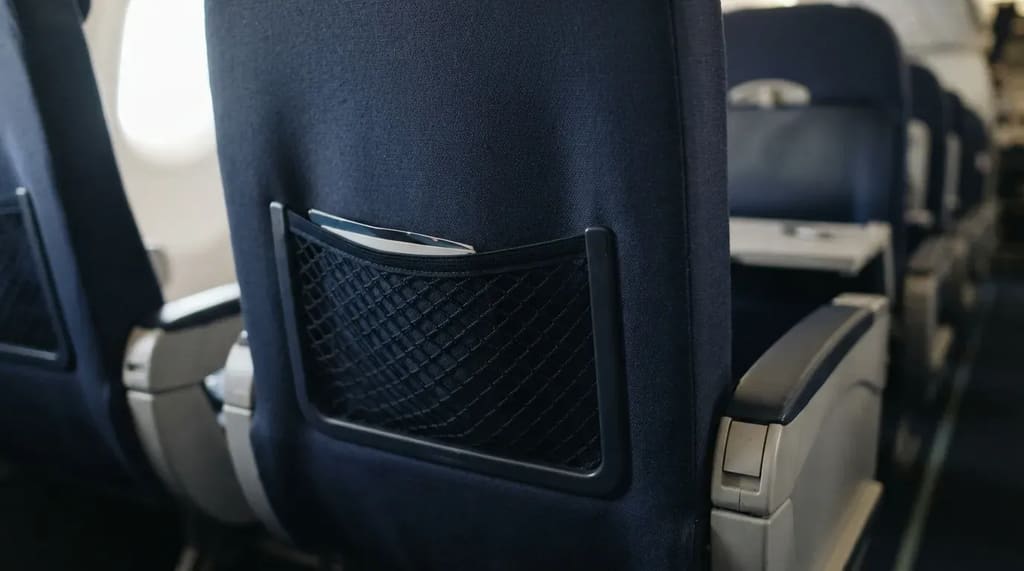
United’s Hemispheres had been in seatback pockets since 1992 before the print edition ended in 2024. Delta’s Sky magazine went sooner. Its last printed issue was March 2020, and the airline said it pulled the magazine at the start of the pandemic to eliminate nonessential items and reduce touchpoints.
The pandemic gave airlines a reason to empty the pocket, and the savings gave them a reason to leave it empty. Paper is not free to carry, because paper has weight and weight means fuel. Abroad the habit has lasted longer: KLM offers Holland Herald in print and digital, and Japan Airlines still offers Skyward in print. In the U.S., only one airline magazine remains, according to AOL.
The same pocket held a catalog whose whole business depended on a passenger having nothing else to do.
#10 – SkyMall and the Audience That Walked Away
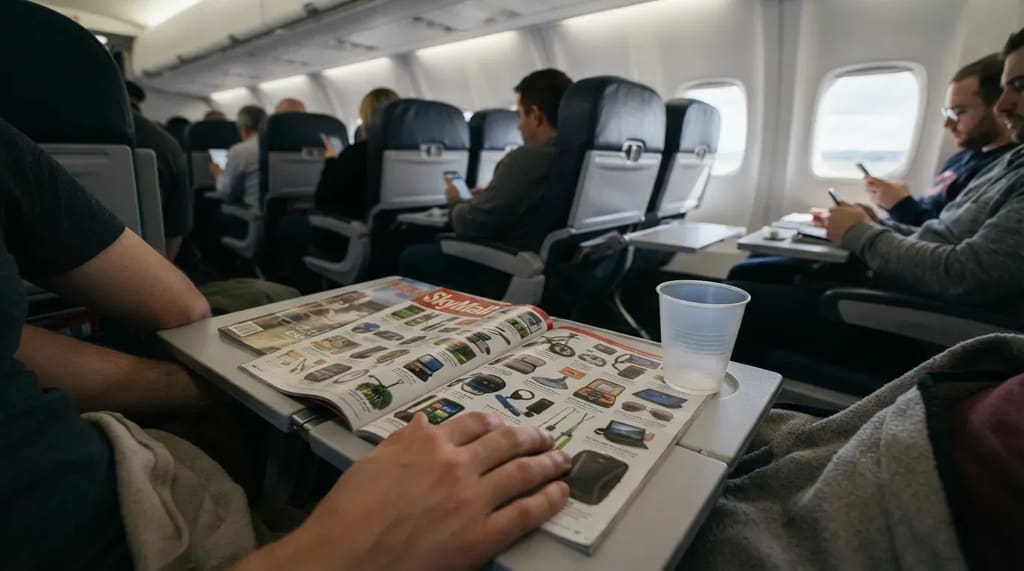
SkyMall was the catalog tucked beside the magazine, packed with gadgets and gifts you would never have shopped for on the ground. Its business rested on one fact: a passenger buckled into a middle seat had little else to look at.
The company filed for bankruptcy in 2015, by which point in-flight internet and personal entertainment devices had ended the captive audience. Airlines did not give up on advertising. United’s strategy is a network of targeted digital ads, which can follow a passenger onto a screen instead of waiting in a pocket. If you miss the catalog, what you miss is the browsing, since anything it sold can now be found on your phone in about a minute.
A passenger who wanted something other than browsing once had one more option at the seat: a handset billed by the minute.
#9 – The Phone Built Into the Seat Back
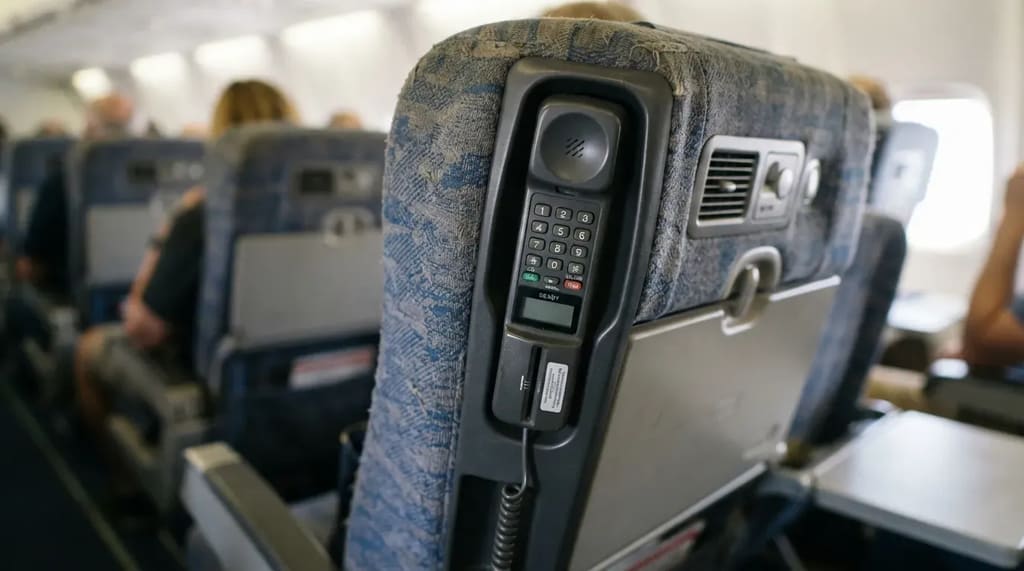
Before most travelers carried a cell phone, many planes had a handset in the seat back. You slid a credit card through the slot and placed a call from the sky. Calls were billed by the minute at rates high enough that even a short one was a real expense, so the phone mostly served emergencies and the occasional show of importance.
It went for the same reason the catalog did. Passengers started bringing their own devices, and Wi-Fi at altitude is now common on many flights. The airline no longer had to buy, wire and repair a handset at every seat, and passengers stopped paying a small fortune for the privilege.
Quick Compare
- Then: a handset in every seat back, paid for with a swiped credit card.
- Now: your own phone, plus Wi-Fi on many flights.
- Who carries the cost: the airline used to maintain the hardware, and today the passenger brings it.
The front of the plane once had an open-door policy of its own, at least for children.
#8 – The Cockpit Visit and the Plastic Wings
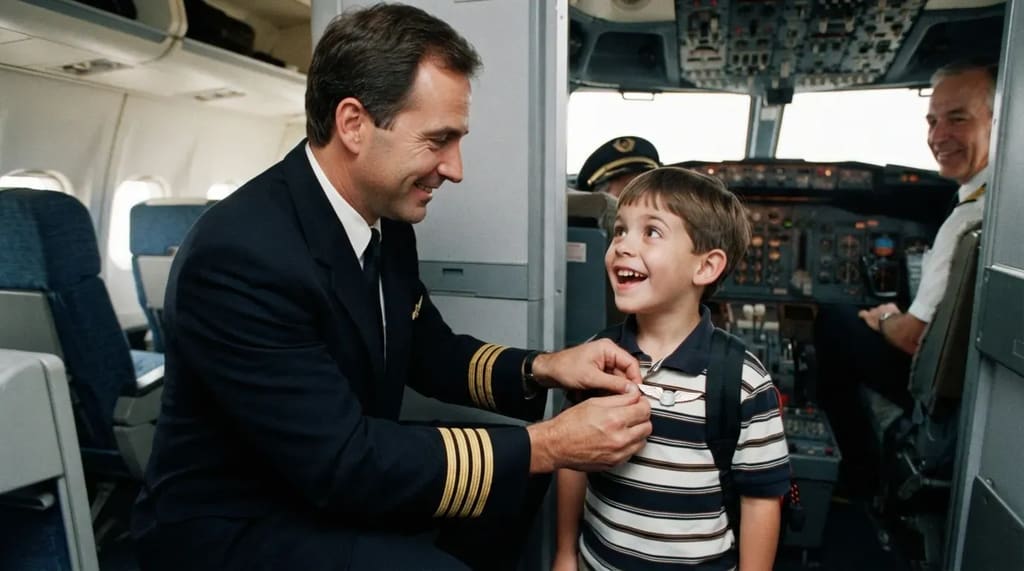
Before September 11, 2001, a child who asked politely on many flights might be invited up to see the flight deck. The captain pointed out the instrument panel and pinned on a set of plastic wings. For a kid it was the high point of the trip, and for the crew it was a small kindness that took a few minutes.
After the attacks, U.S. rules required reinforced cockpit doors, and those doors stay locked in flight. Of everything on this list, this is the change I would call settled, because the reason is safety rather than price. No new technology replaced the visit, and no airline is likely to bring it back.
#7 – The Little Foil Bag of Peanuts
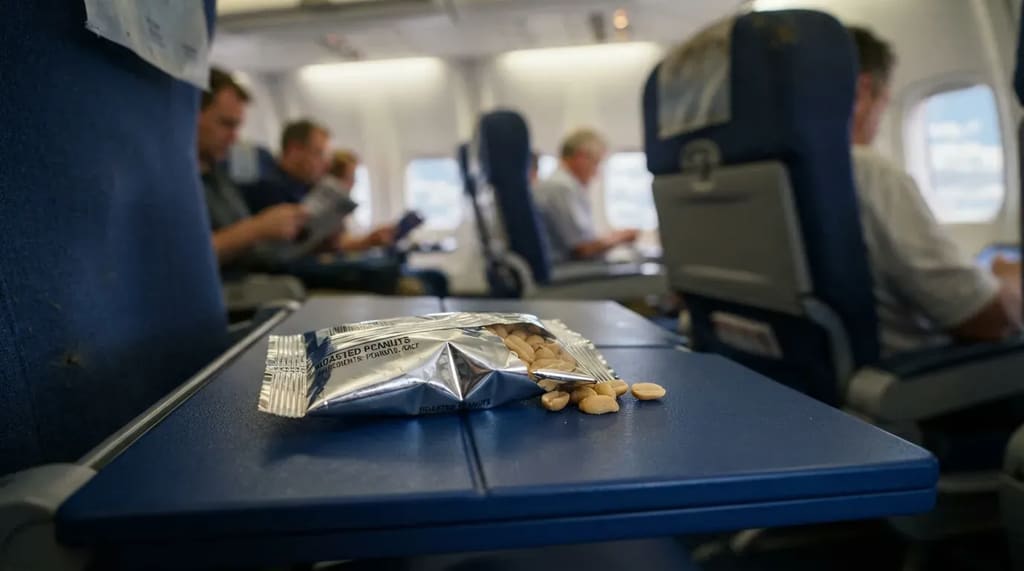
A small bag of peanuts was once the default snack in coach, handed out by the hundreds on a short hop. Southwest was one of the best-known airlines still serving them when it stopped in 2018, switching to pretzels and other snacks because of passengers with peanut allergies.1 2 The airline had built part of its friendly image on that bag, so the decision gave up a real piece of tradition.
The reasoning is easy to follow. A severe allergic reaction is frightening anywhere, and it is worse at 35,000 feet, where help is far away and an opened bag shares a closed cabin with everyone else. Like the cockpit visit, this one ended over safety rather than cost, and that makes it hard to argue with.
Fast Facts
- Southwest stopped serving peanuts in 2018.
- Pretzels and other snacks took their place.
- The stated reason was passengers with peanut allergies, not savings.
- Like the cockpit visit, it is a cut few people argue with.
#6 – The Free Pillow and Blanket in Coach
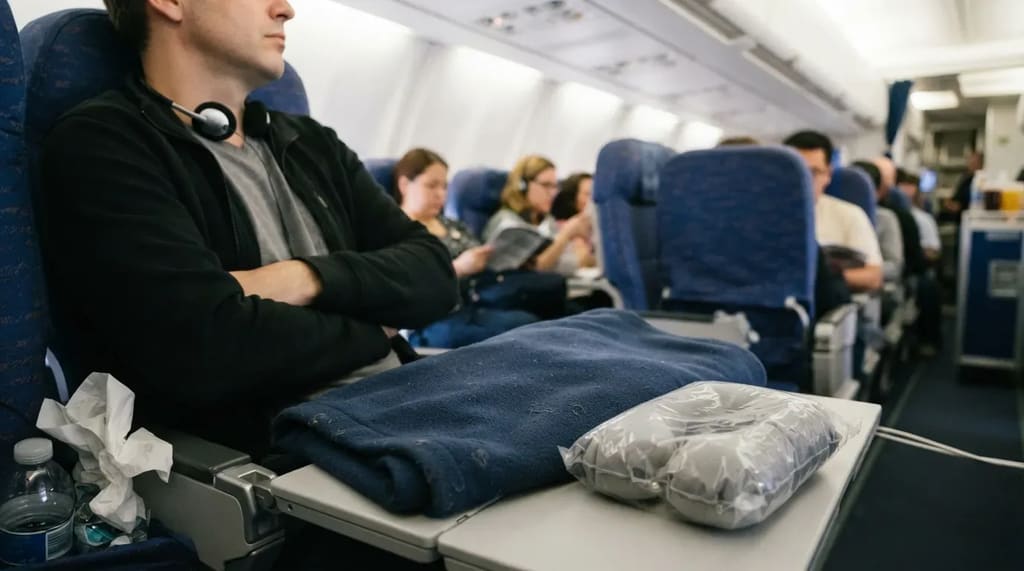
Pillows and blankets once came with a domestic ticket. JetBlue started selling blanket and pillow packs in 2008, and US Airways began charging for sleep kits the following year. American followed in 2010. On May 1 of that year it began charging $8 on domestic flights for a blue fleece blanket and an inflatable neck pillow that fliers could keep.
These cuts came in a wave of cost cutting after several rocky years for the airline industry in the 2000s. Free bedding held on longest where the ticket was dearest: passengers on international flights or in premium cabins were still offered complimentary blankets. As with the hot towel, a blanket now says which cabin you bought.
A blanket handles a cold cabin. The older problem was the haze overhead, and that one was ended by law.
#5 – Smoking Sections Where Everyone Shared the Same Air
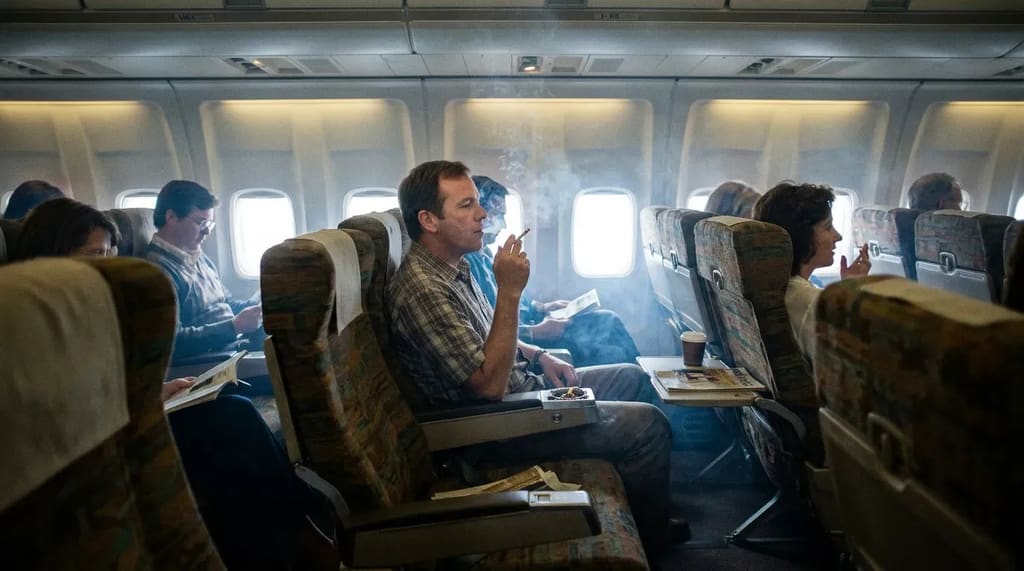
Smoking left U.S. flights in stages. A ban covered domestic flights under two hours in 1988, was extended to flights of up to six hours in 1990, and became complete for all domestic and international flights to and from the United States in 2000.3 Before that, airlines relied on smoking and non-smoking sections, an approach that did not actually reduce exposure to tobacco smoke.4
The push came from the crew. In the 1980s, several studies linked lung cancer and other diseases in non-smokers to tobacco smoke, and a group of flight attendants led by Patty Young lobbied Congress for nearly two decades.4 Many planes still have a small ashtray built into the lavatory door, a leftover from the old arrangement. Of everything on this list, this is the change that most clearly paid off for the people who work on planes.
#4 – Free Coach Meals and the Comeback Nobody Planned On
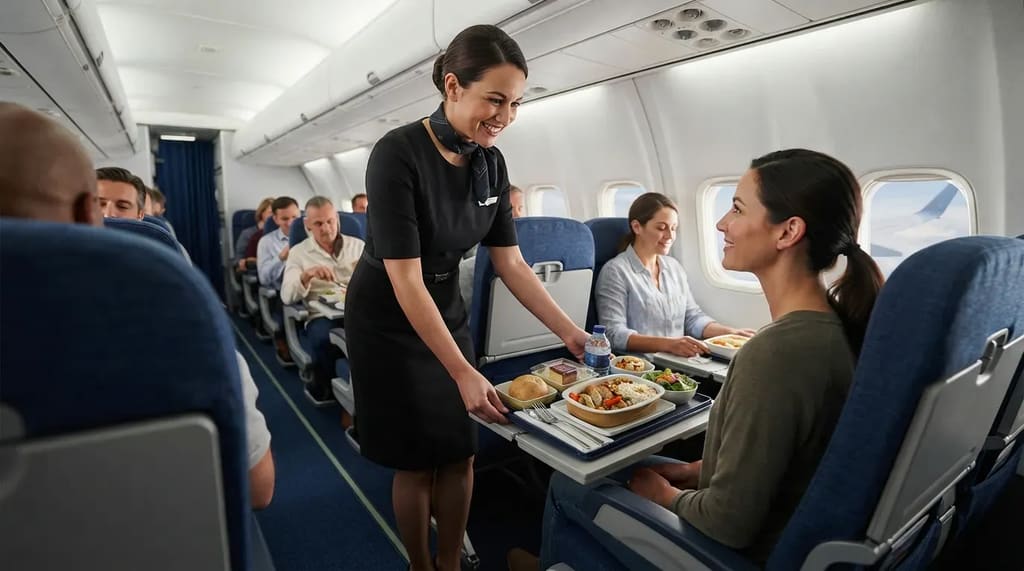
Free meals in coach disappeared in the same cost-cutting wave as the pillow, after several rocky years for the airline industry in the 2000s. The meal cart was also the reason for the hot towel’s trip down the aisle, so when the meal went, the towel had no reason to stay.
Not every cut was permanent. In 2017, Delta announced the return of free meals in coach on certain routes, and within weeks American made a similar announcement. Whether you get fed now depends on your airline and route, so check before you board hungry. A free meal on one route is a marketing choice that can be reversed, and I would not plan a long travel day around it.
Worth Knowing
- Free coach meals faded during the cost-cutting wave that followed the rocky 2000s.
- Delta announced free coach meals on certain routes in 2017, and American soon followed.
- The return is route by route, not systemwide.
- Check your airline and route before you leave for the airport.
The food is returning on some routes, while the screen in the seat ahead has had a more complicated run.
#3 – The Seatback Screen That Airlines Pulled Out, Then Promised Back
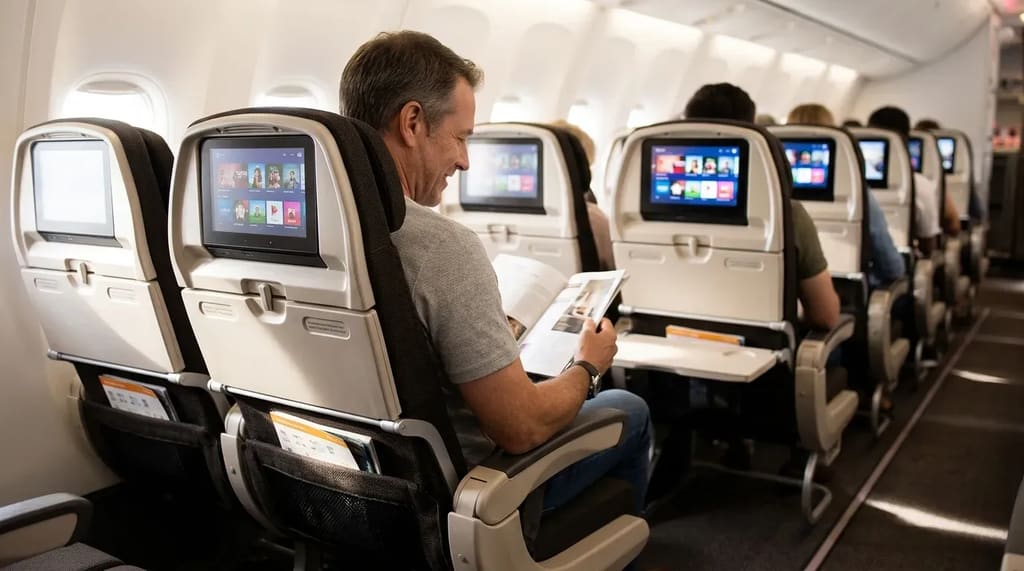
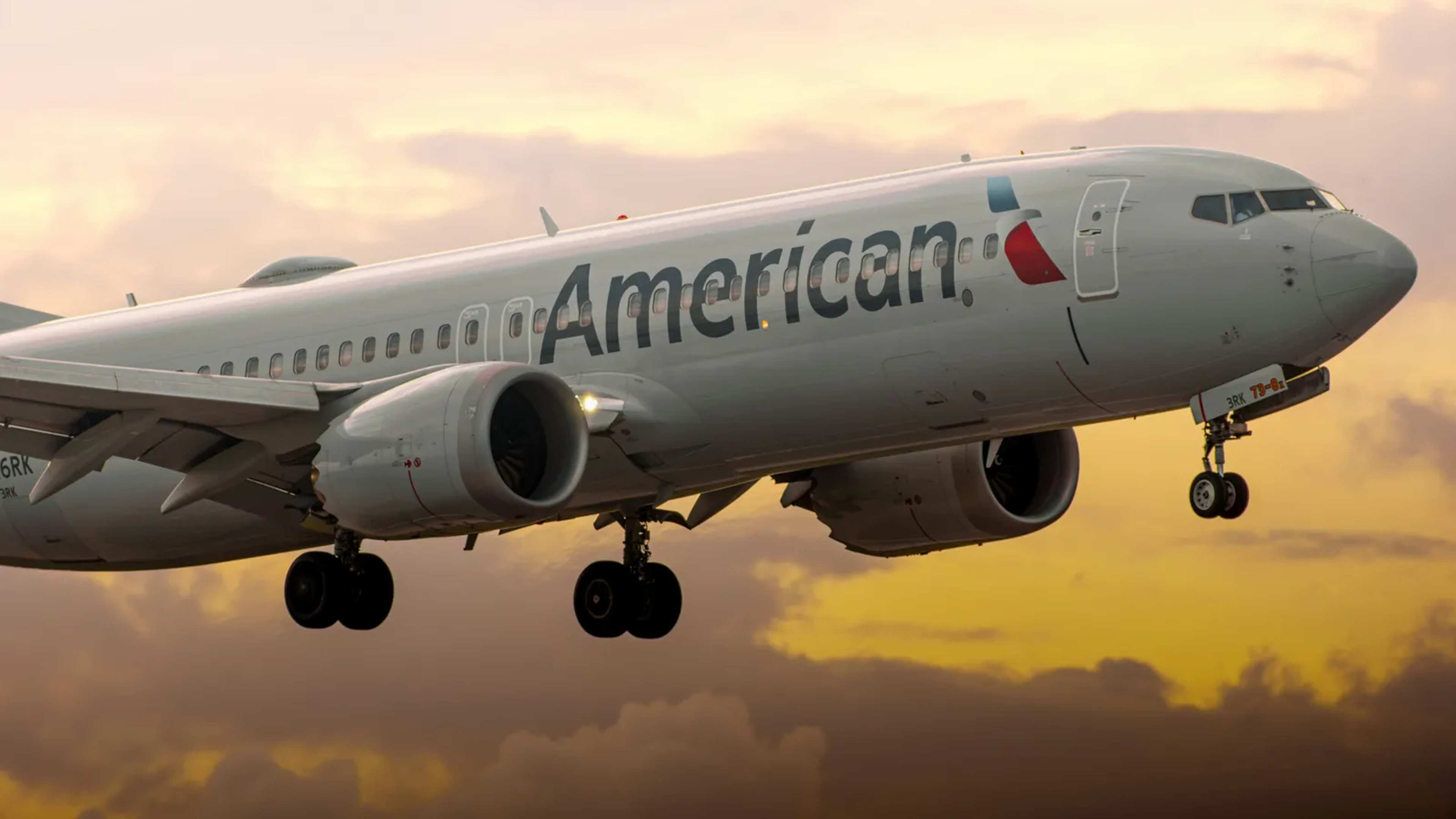
Seatback screens are older than most people assume. Airvision installed 6.9-centimeter screens on the backs of seats for Northwest Airlines in 1988. In 2017, American Airlines decided to remove seatback entertainment screens across its mainline narrowbody fleet, and United and Alaska also removed them from some domestic planes.
The argument was that passengers carry their own devices, and that removing screens improves fuel costs and allows slimmer seats. Then the direction changed. On August 18, American announced it would reinstall seatback entertainment screens at every seat across more than 800 mainline single-aisle aircraft. The swing back suggests the saving came with a cost, because a phone with a low battery on a four-hour flight is a weak substitute for a screen in the seat.
Related Stories From Travelbinger
Screens are part of what a ticket buys. The suitcase in the hold is the item airlines found easiest to bill separately.
#2 – Southwest’s Two Free Bags, Gone After 15 Years of Holding Out
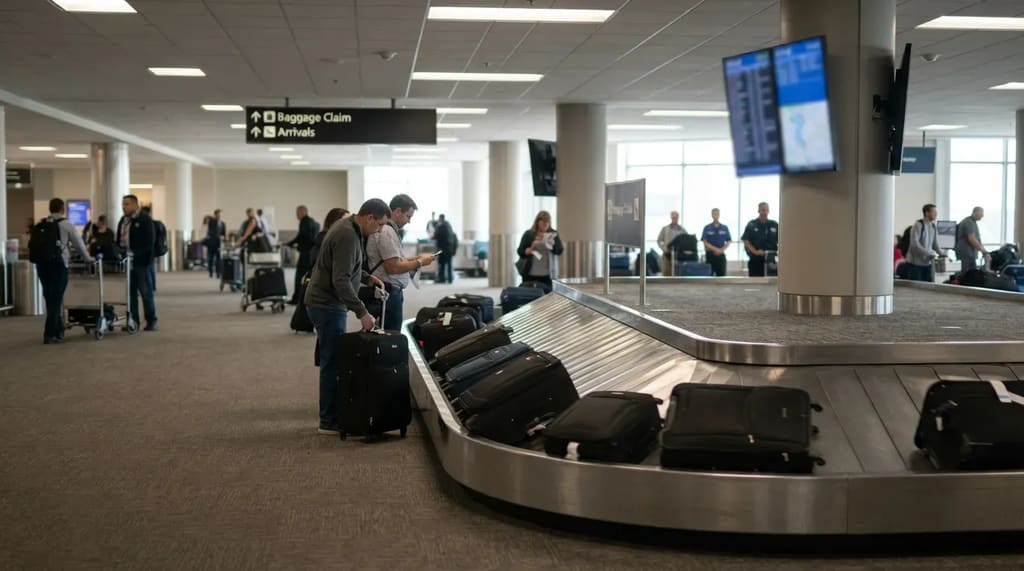
For flights booked or changed on or after May 28, 2025, Southwest introduced bag fees for most fare products. The first bag was $35 and the second $45 at the start, and reports in April 2026 put them at $45 for the first bag and $55 for the second.5 Some travelers are still exempt: two free checked bags go to A-List Preferred members and Choice Extra fares, and one to A-List members and co-brand cardmembers.6
The airline was a holdout rather than an innovator. American had already raised its first checked bag to $25 and its second to $35 for U.S. travel in 2010, so Southwest kept its policy for more than a decade after the rest of the industry moved. If you travel with a carry-on only, nothing changes for you. If you check a bag each way, the April 2026 rates come to $90 per person round trip, so price Southwest against the competition before assuming it is cheaper.
At a Glance
- American, 2010: $25 for the first bag, $35 for the second on U.S. travel.
- Southwest, May 2025 start: $35 for the first bag, $45 for the second.
- Southwest, April 2026 reports: $45 and $55.
- Still exempt: A-List and A-List Preferred members, Choice Extra fares and co-brand cardmembers, with the number of free bags varying by group.
The bag fee settled what goes in the hold and left alone where a passenger sits. Southwest changed that eight months later.
#1 – Open Seating, Ended After More Than Fifty Years
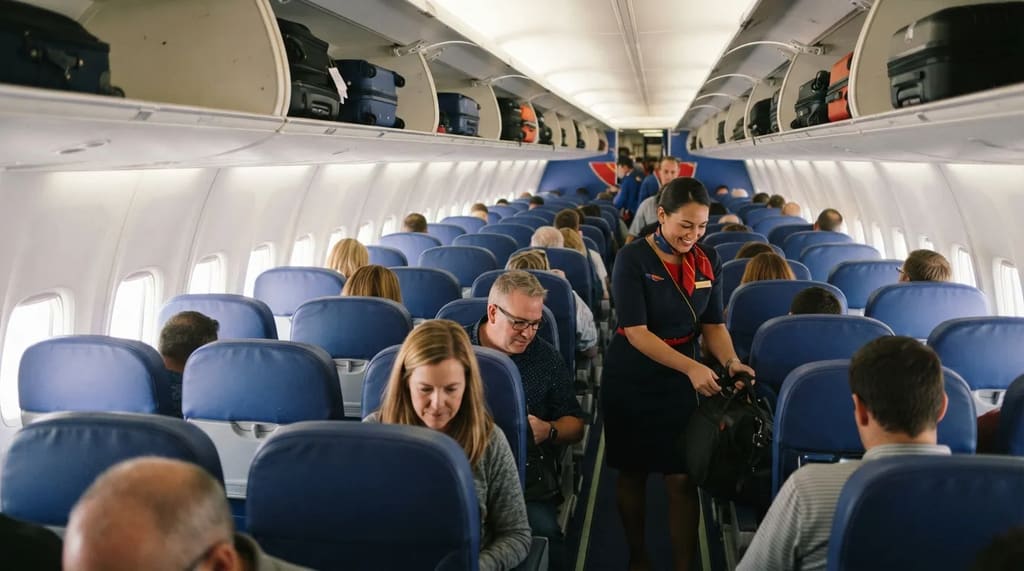
For years Southwest’s boarding meant lining up at numbered posts and racing for a window or an aisle. For travel on or before January 26, 2026, fare bundles included open seating. For travel on or after January 27, 2026, they include assigned seating.7 Southwest had kept open seating almost since the airline was founded, and passengers now board in numbered groups 1 through 8.6
Under the new rules, a Basic fare is assigned a standard seat at check-in, or can buy a standard, preferred or extra legroom seat. EarlyBird Check-In was discontinued, and Forbes noted that many felt assigned seating was a chance to pay more for the same seats. This change reaches every passenger on every flight, while the bag fee reaches only those who check a bag, which is why I count it the bigger of the two. What survives is the policy of no change fees on Choice, Choice Preferred and Choice Extra fares.
Look at the list again and a pattern shows up. Nearly every one of these was decided somewhere you could not see, and you found out when you reached the gate or sat down. The fare is only the starting line now, and what rides along with it changes faster than the price does.
Think back to the first flight you can remember. Chances are the airline handed you something that day that it would not hand you now.
- NPR Southwest Peanuts: https://www.npr.org/2018/07/10/627681758/southwest-airlines-says-it-will-stop-serving-peanuts
- CNBC Southwest Peanuts: https://www.cnbc.com/2018/07/09/southwest-airlines-is-getting-rid-of-peanuts.html
- Smoking Ban Timeline: https://simpleflying.com/world-timeline-smoking-ban-planes/
- Airline Smoking Ban History: https://csts.ua.edu/cartoons/government/airlines/
- Southwest Bag Fee Details: https://withautopilot.com/blog/southwest-repricing
- Southwest Seating and Bags: https://deeparrival.com/airlines/southwest-airlines/
- Forbes Southwest Fee Structure: https://www.forbes.com/sites/michaelgoldstein/2026/02/21/new-southwest-airlines-fare-and-fee-structure-off-to-rough-start/