A massive glacial collapse on the Tibetan Plateau unleashed a torrent of water and debris across the Nepal-China border in recent days. More than 1,000 people are confirmed dead and over 4,000 remain missing across both countries. Rescue teams continue searching through thick mud for workers trapped in hydropower tunnels along the Trishuli River. The disaster underscores growing hazards for travelers drawn to Nepal’s high mountain trails and river valleys. ([1])
The Sudden Scale of Destruction
The flood struck with little warning, sweeping through remote border areas and downstream communities. Hydropower construction sites bore the brunt, with tunnels large enough for trucks now filled with silt and debris. Recovery operations face difficult terrain and ongoing instability in the affected river corridors. Officials report that the combined death toll in Nepal and China continues to climb as search efforts expand.
Climate Pressures on Himalayan Rivers
Glacial retreat linked to rising temperatures has increased the likelihood of sudden outburst floods in the region. The recent event fits a pattern of accelerating change across the Himalaya, where melting ice can release vast volumes of water in hours. Nepal’s network of steep valleys and fast-flowing rivers amplifies the downstream impact. Travelers who venture into these landscapes encounter both spectacular scenery and heightened exposure to such events.
Implications for Adventure Visitors
Thousands of Americans and other international visitors trek or raft in Nepal each year, often following routes near major river systems. The latest flood highlights the need to monitor conditions in river-adjacent areas and to understand seasonal and climate-related risks before departure. Popular destinations along the Trishuli and other waterways may face temporary disruptions or require updated safety assessments. Operators and trekkers alike are reassessing itineraries in light of the changing environment.
The Karnali as a Different Kind of River
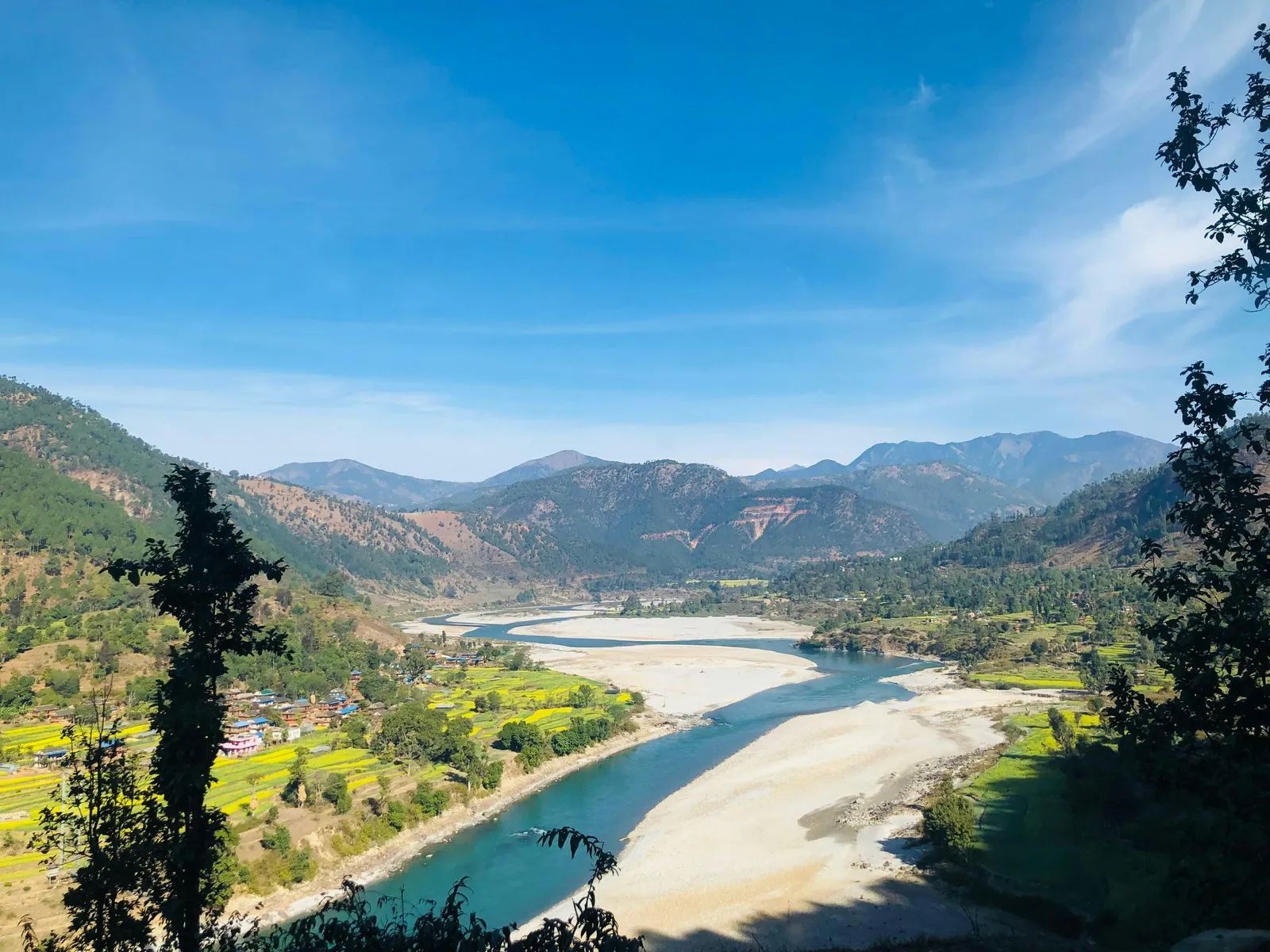
Among Nepal’s major waterways, the Karnali stands out as the last large river without major dams. Its free-flowing character supports world-class whitewater rafting through remote canyons and class-five rapids. Conservation advocates note that preserving such rivers could offer alternatives to heavily developed corridors while maintaining ecological buffers. For visitors, the Karnali region presents both opportunity and the same underlying climate considerations that affect the broader Himalaya. The disaster serves as a clear signal that planning for Himalayan travel now requires attention to evolving flood risks alongside traditional concerns like altitude and weather.