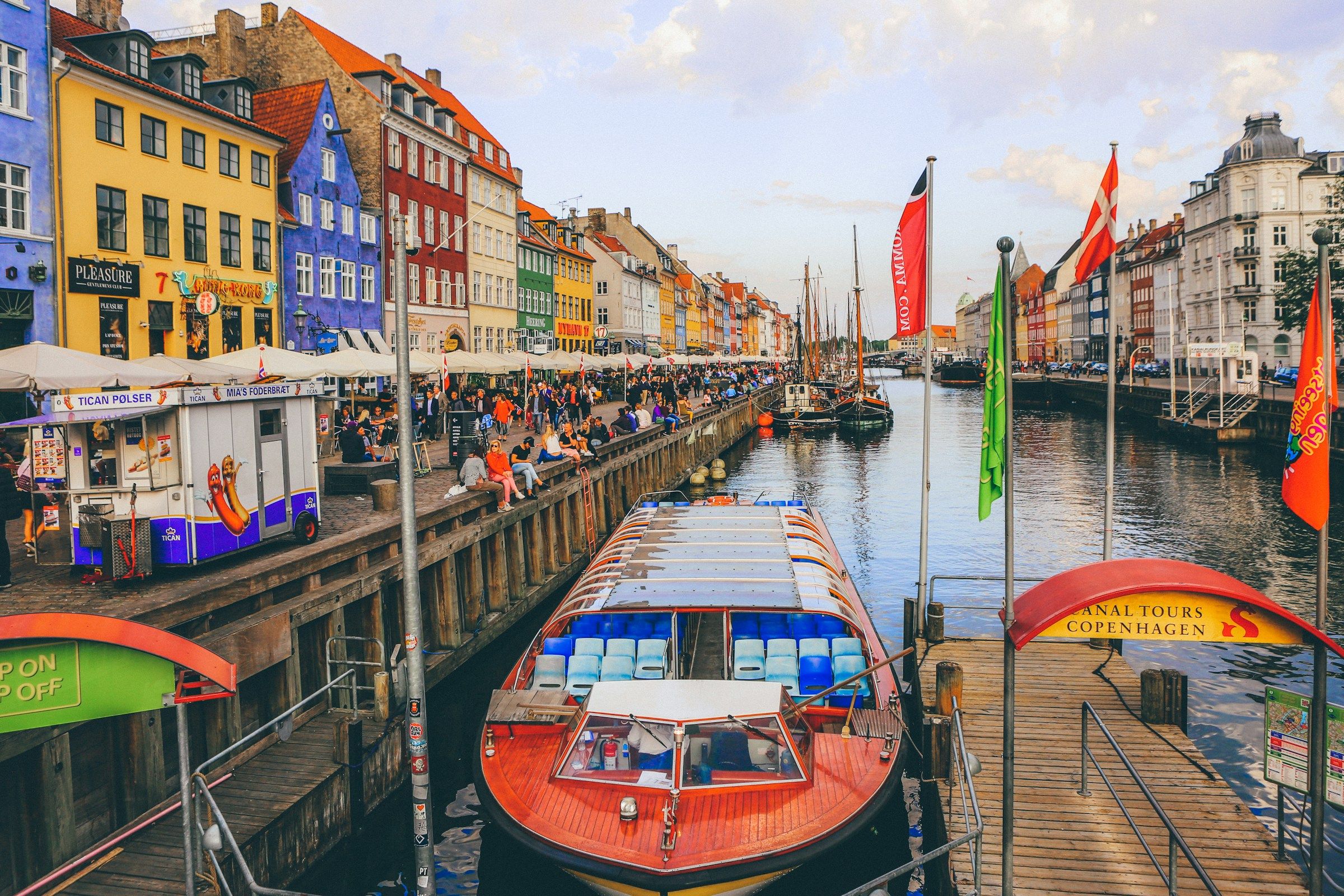
Most trip planners start with a checklist: sights, tickets, train times, a table booked for 8 p.m. Slowing down usually means deleting half of it. Some places make that easy because daily life already moves at a gentler speed.
Calm isn’t something you can measure directly. Still, rankings like the Global Peace Index and the World Happiness Report give a rough picture of where people feel safe, connected and unhurried. The ten countries below mix those figures with what travelers actually find on the ground.
Portugal: Skip the Viewpoints, Head for the Vineyards
Portugal sits seventh on the 2025 Global Peace Index[1], which fits its reputation for easy, unfussy days. It’s also busy. Lodgings hosted 32.5 million visitors in 2025, up three percent on 2024.[2] Lisbon’s viewpoints fill by mid-morning in summer.[3]
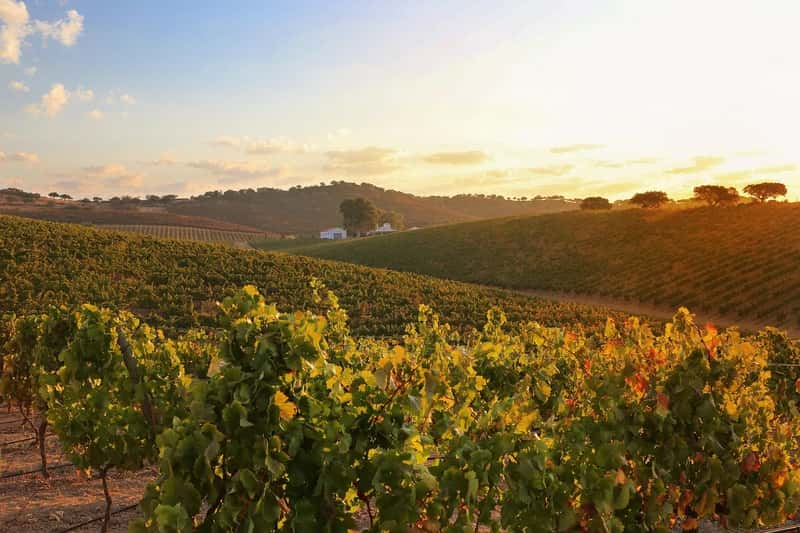
The slower version of Portugal is inland. Visitor data shows arrivals spreading into the Alentejo, the northern interior and the Setúbal Peninsula.[4] The Alentejo has rolling countryside, vineyards and historic towns that encourage slower itineraries.[5] Plan fewer stops and longer lunches.
Costa Rica: The Pura Vida Climb
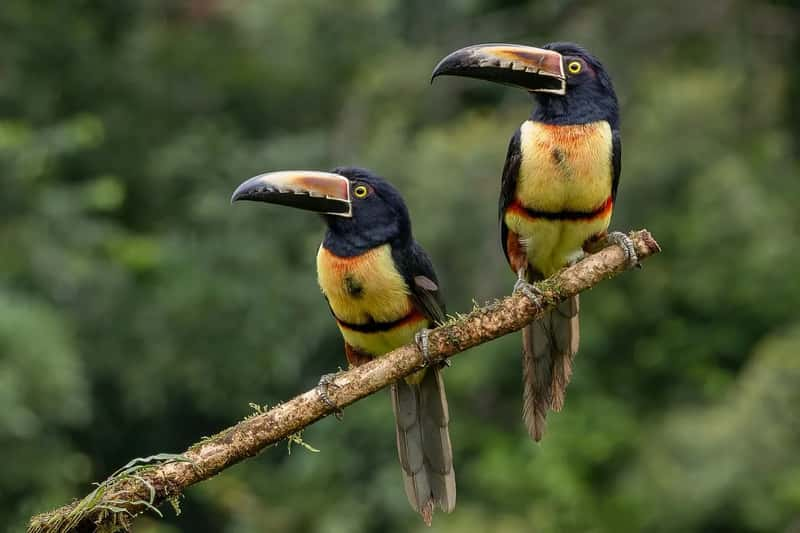
Costa Rica reached fourth place in the World Happiness Report 2026, its highest position ever.[6] Only Finland, Iceland and Denmark ranked ahead of it.[6] Its average life evaluation score was 7.439.[6]
The rise has been steady rather than sudden. Costa Rica was 23rd in 2022, 12th in 2024 and sixth in 2025.[7] For visitors, that translates into a country built around rainforest, volcano and beach time. Rain can shape the plan, so a loose itinerary works better than a tight one.
Bhutan: Slow by Design
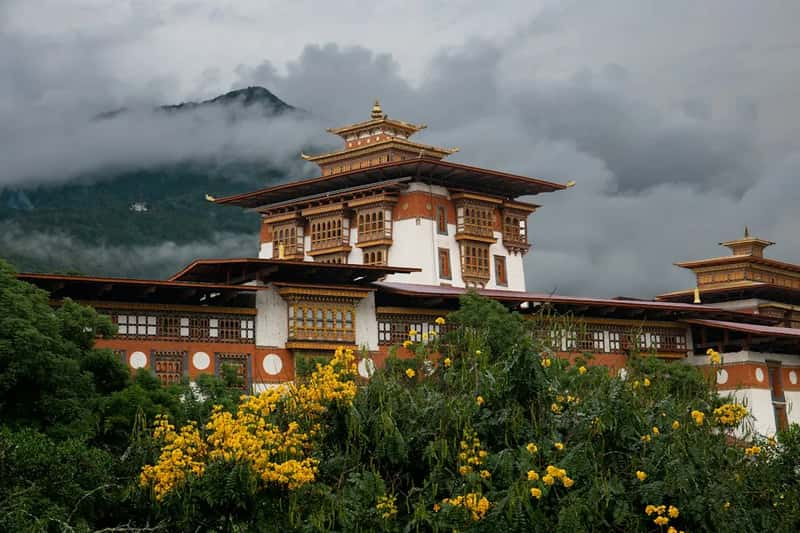
Bhutan doesn’t try to be cheap, and that’s part of how it stays quiet. The Sustainable Development Fee is USD 100 per person per night until 31 August 2027, and the rate after that hasn’t been decided.[8] It started at US$200 and was cut in 2023 to encourage longer stays.[9] Children aged 6 to 12 pay USD 50 a night.[8]
The fee isn’t a bundle. It covers none of your hotel, guide, food or transport.[8] A new five percent tourism GST has also been in place since January 2026.[10] Budget accordingly, then use the time on valley walks and monastery visits rather than rushing between them.
Iceland: Quiet at the Top of the Peace Rankings
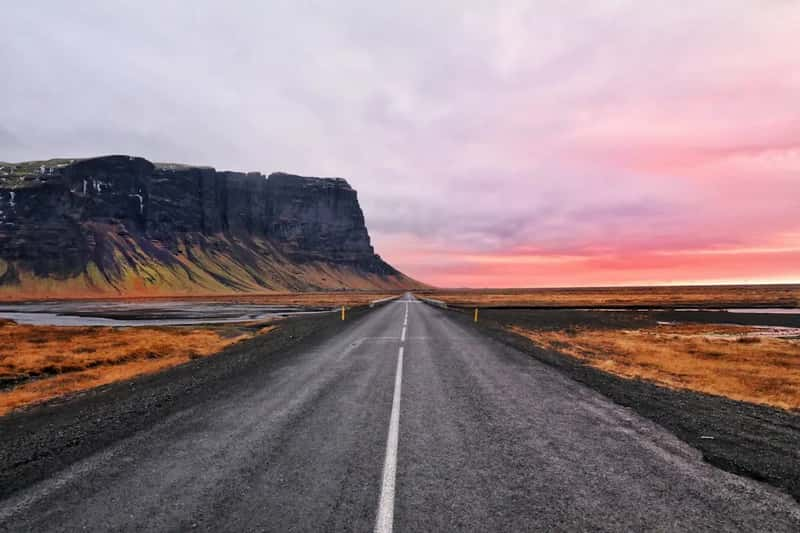
Iceland has held the title of the world’s most peaceful country for the 17th consecutive year.[11] It also ranks first in the Safety and Security domain, making it the world’s safest country in 2025.[11] That sense of low stress is easy to feel in small towns and on empty roads.
Contentment backs it up. Iceland came second in the 2026 World Happiness Report, scoring 7.540.[12] Build your days around hot pools, short hikes and long drives, and let the weather decide what’s next. Daylight changes a lot by season, so check sunrise and sunset times before you commit to a plan.
Ireland: Conversation Over Itinerary
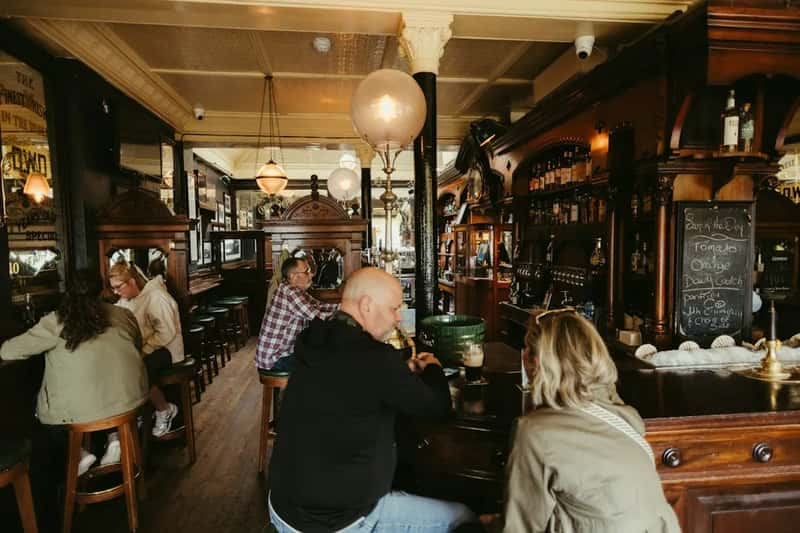
Ireland ranked second in the 2025 Global Peace Index with a score of 1.260.[13] It’s also the second most peaceful country in Europe, just below Iceland.[13] The numbers match the experience of a place where nobody seems in a hurry to end a chat.
In happiness terms, Ireland ranked 13th in the 2026 report with a score of 6.928.[12] Pubs with live music, coastal walks and small villages reward lingering. Pick a base for several nights and let the days drift from there.
New Zealand: Space to Breathe
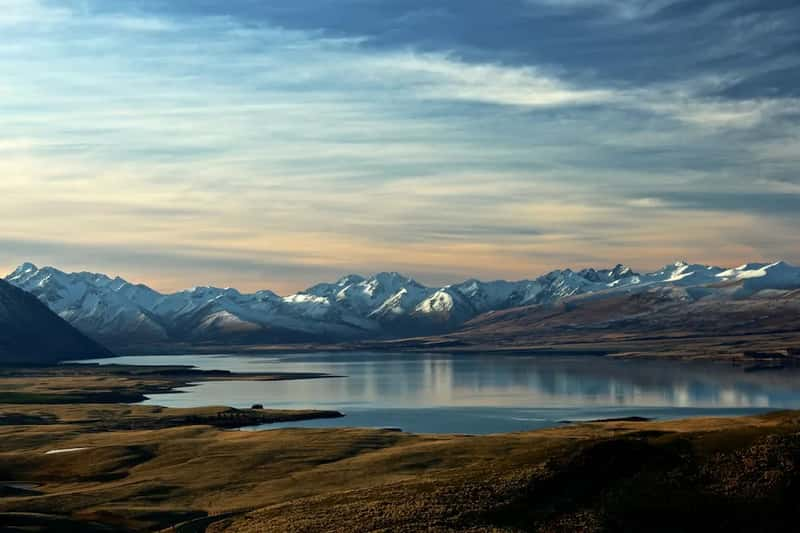
New Zealand rose two positions in 2025, becoming the most peaceful country in the Asia-Pacific region and third globally.[11] It is also the only Pacific nation to make the top ten list.[13] Remote geography plays a role, as the Global Peace Index coverage notes.
It does well on happiness too. New Zealand placed 11th in the 2026 World Happiness Report with 6.995.[12] Long drives and wide open scenery suit slow trips, but distances can be bigger than they look on a map. Fewer stops and more time in each place is the sensible approach.
Denmark: Comfort as a Way of Life
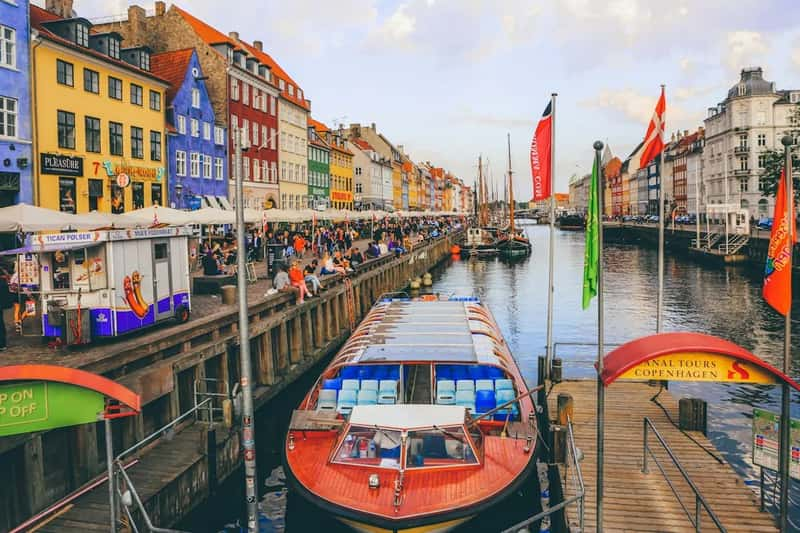
Denmark is the home of hygge, the habit of treasuring cosy, low key time with other people. The data suggests it’s more than a marketing line. Denmark ranked third in the 2026 World Happiness Report with a score of 7.539.[12]
On peace, it placed eighth in the 2025 Global Peace Index.[1] Cities like Copenhagen are easy to cover by bike, and cafés, harbors and parks make good stopping points. Slow travel here means fewer attractions and more time sitting down.
Finland: Sauna Time and Silence
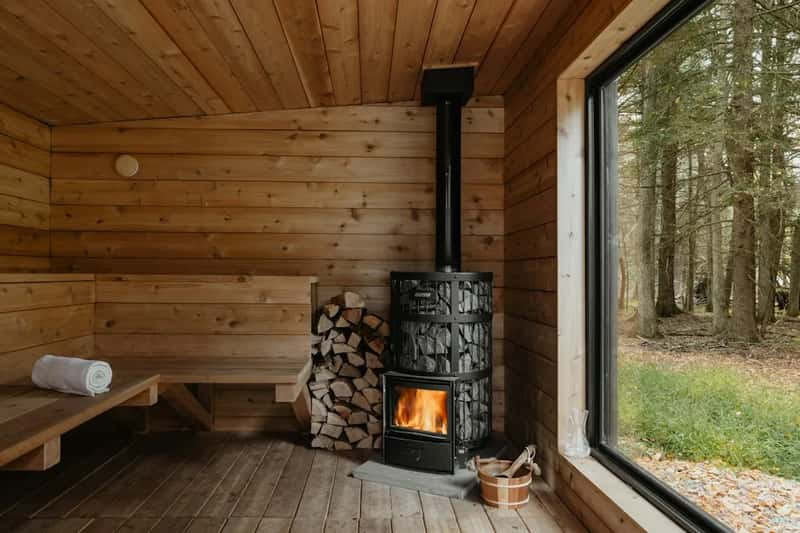
As of March 2026, Finland has been ranked the happiest country in the world for nine years in a row.[14] Its score was 7.764, well ahead of the runners up.[12] Sauna culture, which UNESCO recognized as living heritage in 2020, is a daily ritual rather than a spa treat.
Peacefulness is strong too. Finland improved by three positions in the Global Peace Index and entered the top ten in 2025.[13] Lakes and forests dominate the landscape, so a cabin stay is the obvious choice. Bring patience for the silences, which locals treat as normal.
Slovenia: Small, Green and Unhurried
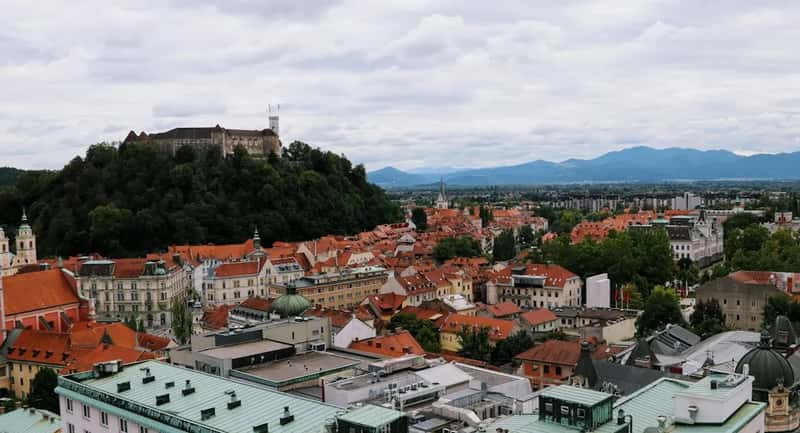
Slovenia placed ninth in the 2025 Global Peace Index.[1] It ranked 18th in the 2026 World Happiness Report.[7] It’s a compact country, so you don’t spend days in transit.
The capital, Ljubljana, has a historic center largely closed to cars, which makes strolling the default. Lakes, mountains and caves are all within a short drive. Staying in one or two bases works better than a rushed loop.
Mexico: Warm, Social and Higher Than Expected
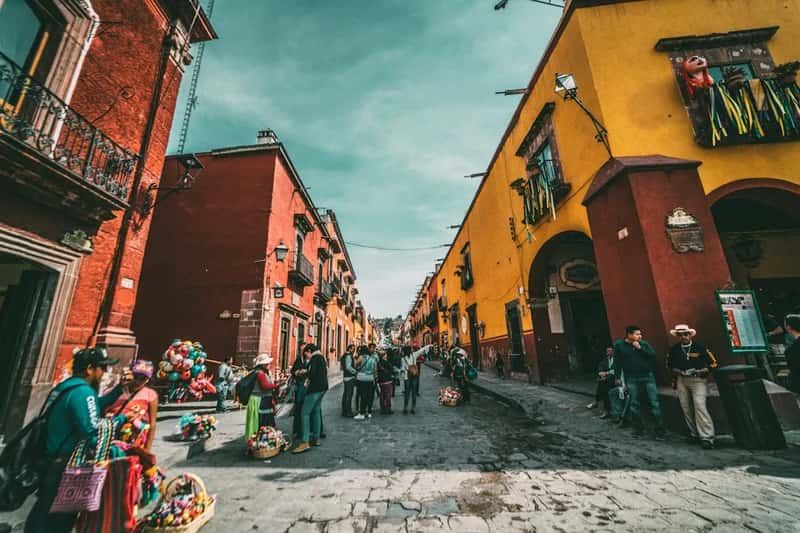
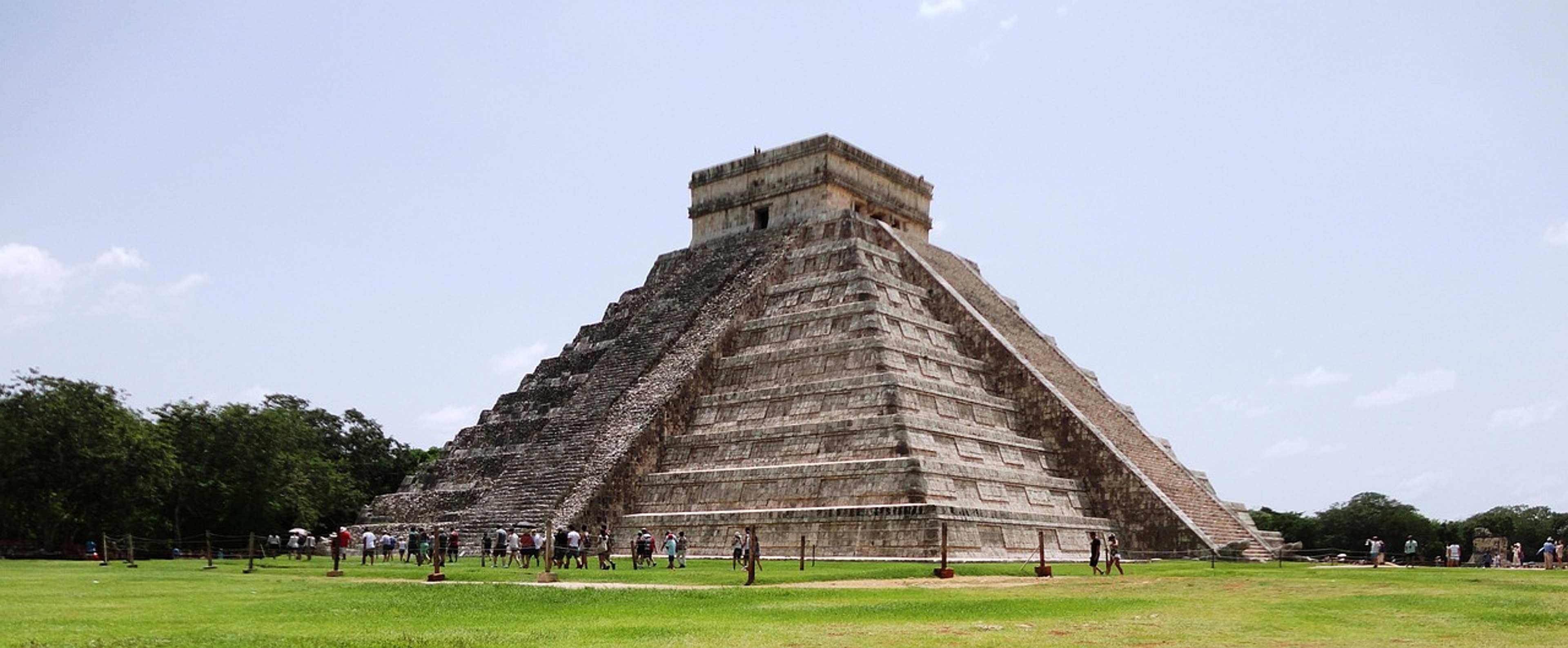
Mexico ranked 12th in the 2026 World Happiness Report.[6] Visual Capitalist notes that Mexico ranks well above richer countries such as Ireland, Australia and Germany.[15] The report’s authors pointed to social trust, community and everyday quality of life[15] as factors that can matter as much as income.
That social side shows up in long meals, plazas and family gatherings. Mexico is a large country with varied conditions, so check your government’s current travel advisories for the region you plan to visit. Choose one or two places and settle in.