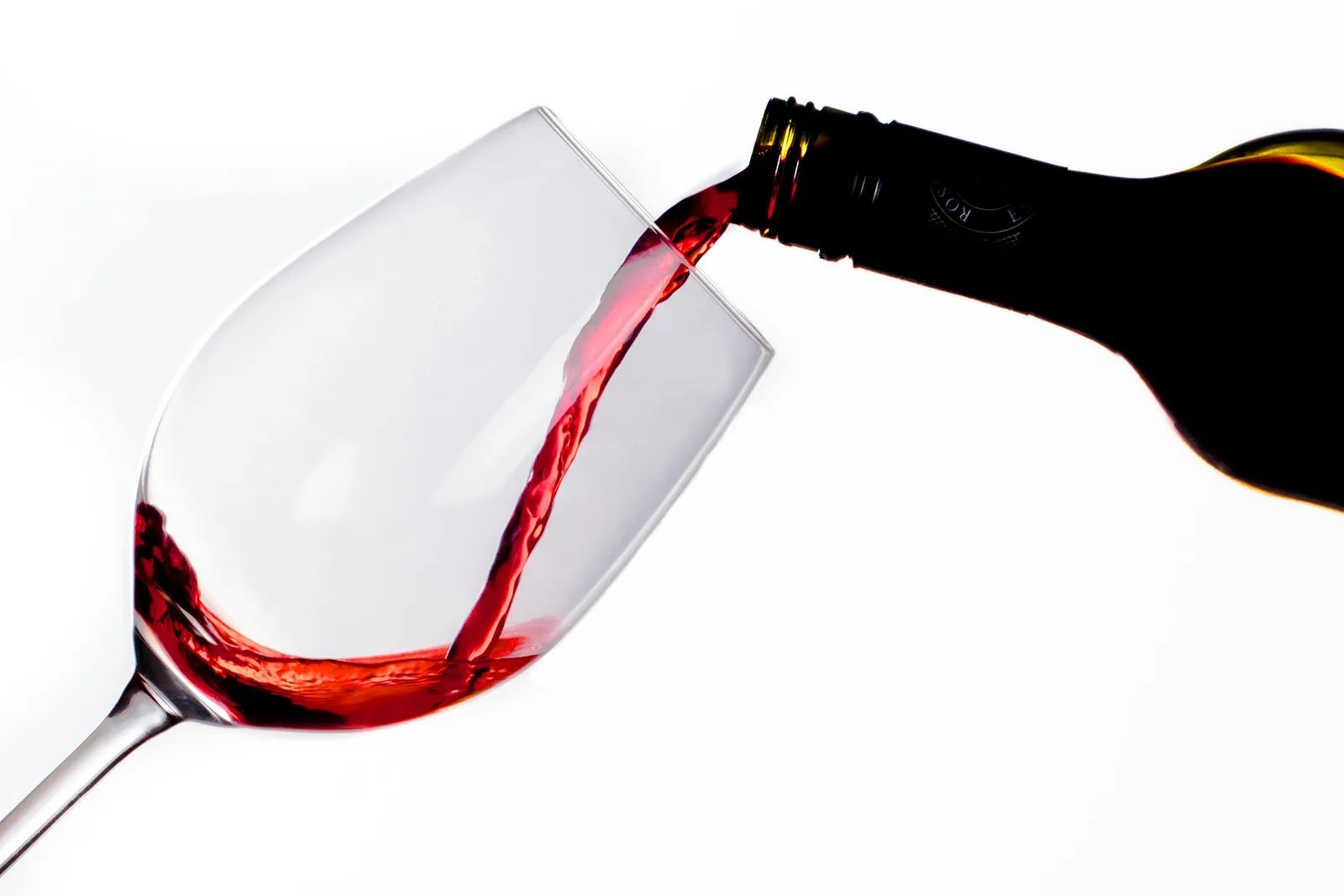
An opened bottle of wine changes quickly once air reaches the liquid inside. Most still reds and whites hold their quality for just a few days when stored properly, while sparkling varieties fade even sooner. The original source provides clear guidance drawn from wine educators and producers on these practical windows.
Still Reds and Whites Follow a Narrow Window
Red wine typically remains enjoyable for three to five days after opening. Experts at the Wine & Spirit Education Trust note that a re-closed bottle kept in the refrigerator can stay reasonably fresh for up to five days. White wines and rosés fall into a similar range, though lighter styles may lose appeal after about two days. The Missouri Wine and Grape Board aligns with the three-to-five-day estimate for most still wines when sealed and chilled. Refrigeration slows oxidation for reds as well as whites, so the same cool storage applies across categories. Taking a red out of the fridge twenty to thirty minutes before serving prevents it from tasting too cold.
Sparkling Wine Loses Its Fizz Quickly
Sparkling wines present the shortest timeline once opened. Most producer guidance points to one to three days of good quality when a proper sparkling stopper is used and the bottle stays refrigerated. The Wine & Spirit Education Trust suggests an inexpensive stopper can extend that period to as many as five days for some traditional-method wines like Champagne. Tank-method wines such as Prosecco tend to lose carbonation faster than their traditional counterparts. A simple teaspoon in the neck of the bottle offers no real protection, according to both the Wine & Spirit Education Trust and the Comité Champagne. Dedicated stoppers designed for sparkling wine remain the reliable choice.
Fortified and Boxed Wines Offer More Flexibility
Fortified wines vary widely depending on style. Fino and manzanilla sherries generally last up to a week or two when refrigerated, while tawny ports and certain oloroso sherries can remain sound for two to three months. Pedro Ximénez sherry sometimes keeps quality for up to a year under the right conditions. Boxed wines outlast traditional bottles because the inner bag collapses and limits air exposure. University guidance from UF/IFAS places newer bag-in-box designs at two to three weeks after opening, while some producers claim up to six weeks when the box stays refrigerated. These longer periods still require cool storage to maintain freshness.
Simple Steps Help Preserve Quality
Re-closing the bottle and moving it to the refrigerator represents the most effective baseline approach for nearly every style. The Wine & Spirit Education Trust bases its five-day recommendation on exactly this method. Vacuum pumps and inert-gas sprays can help for a few days, though results vary and none match the performance of a needle-style system for extended periods. Pouring leftovers into a smaller screw-cap bottle reduces the air space above the wine and slows oxidation. Checking color and aroma before serving provides the best practical test. A brown tint or notes of bruised apple, nuts, or vinegar signal that the wine has moved past its best window. A bottle that still smells clean can often find a second life in cooking rather than being poured away. Freezing measured portions in ice-cube trays also works well for future recipes, provided room is left for expansion. These small habits turn occasional leftovers into useful ingredients instead of waste.