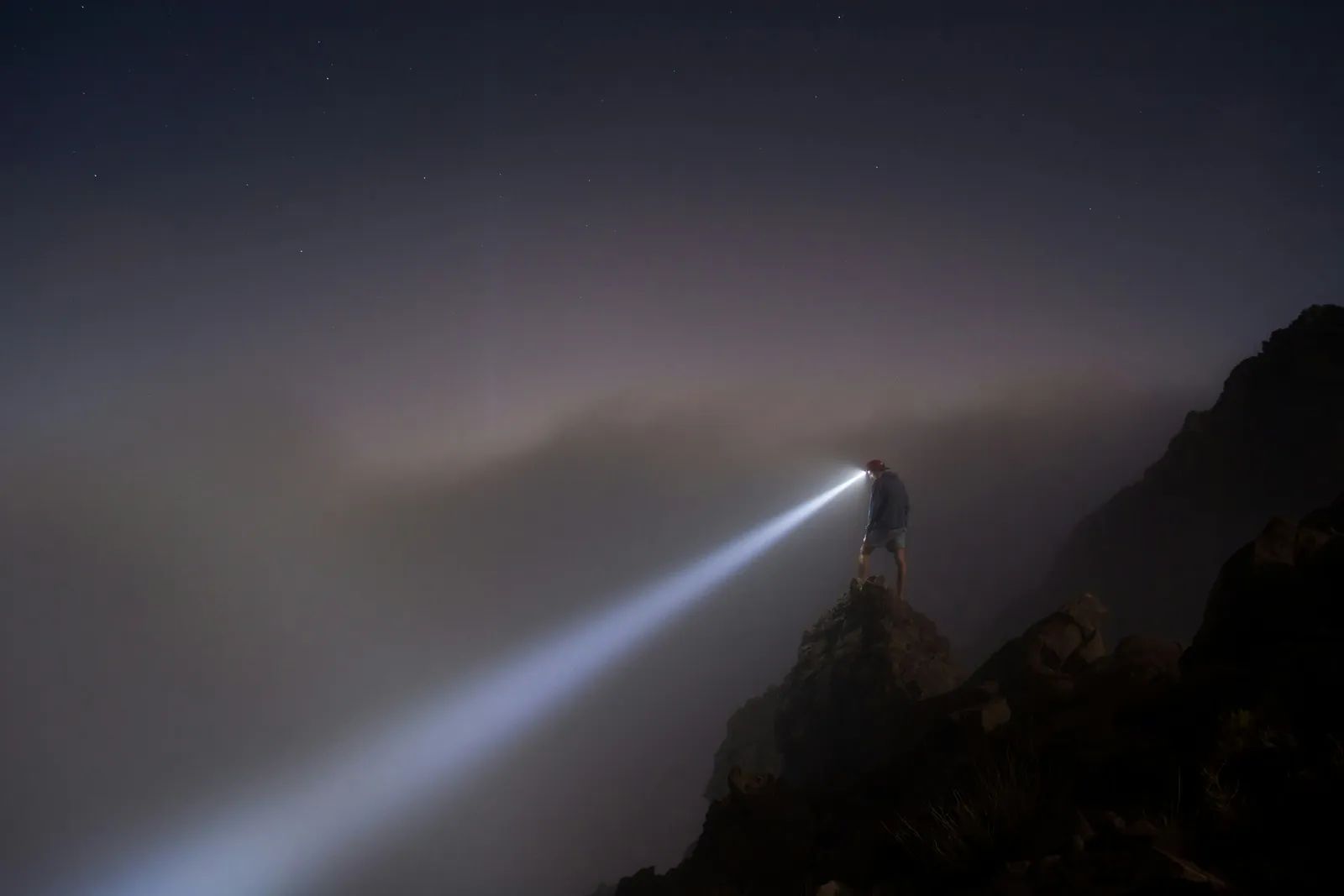
A professional photographer has relied on Black Diamond headlamps for more than two decades while capturing the northern lights. The experience includes repeated winter nights in Iceland and Scotland, where the lights often require long waits beside a tripod in cold conditions. A companion pair of the same brand supported a 2014 ascent of Kilimanjaro. These accounts come from direct, repeated use rather than brief testing. ([1])
Hands-Free Light in Remote Night Settings
Night photography in northern latitudes demands reliable illumination without occupying the hands. Photographers frequently adjust camera settings, change batteries, or manage filters while the aurora remains active overhead. A headlamp meets this need by directing a focused beam exactly where required. The same tool also aids navigation across uneven terrain when returning from a shoot site after dark.
Long-Term Performance in Harsh Conditions
Continuous use since around 2000 has shown the durability of these headlamps across multiple seasons. Winter nights in Iceland and Scotland bring low temperatures, moisture, and extended periods of operation. The equipment has remained functional through repeated exposure to these elements. Such consistency matters when a single failure could interrupt a planned shoot or compromise safety on the return journey.
Versatility Across Different Expeditions
The same brand supported a high-altitude climb on Kilimanjaro in 2014. That environment presented its own challenges, including thinner air and variable weather during the ascent. Headlamps proved useful for early morning starts and evening camp routines. The overlap in requirements between arctic night photography and mountain trekking highlights the practical value of proven gear across varied travel scenarios.
Practical Considerations for Similar Travel
Travelers planning northern lights viewing or high-altitude treks often seek equipment with a track record in comparable conditions. First-hand accounts from professionals emphasize reliability over time rather than isolated features. Selecting gear used successfully in Iceland, Scotland, and East Africa provides a concrete reference point. This approach reduces uncertainty when preparing for remote or cold-weather trips.