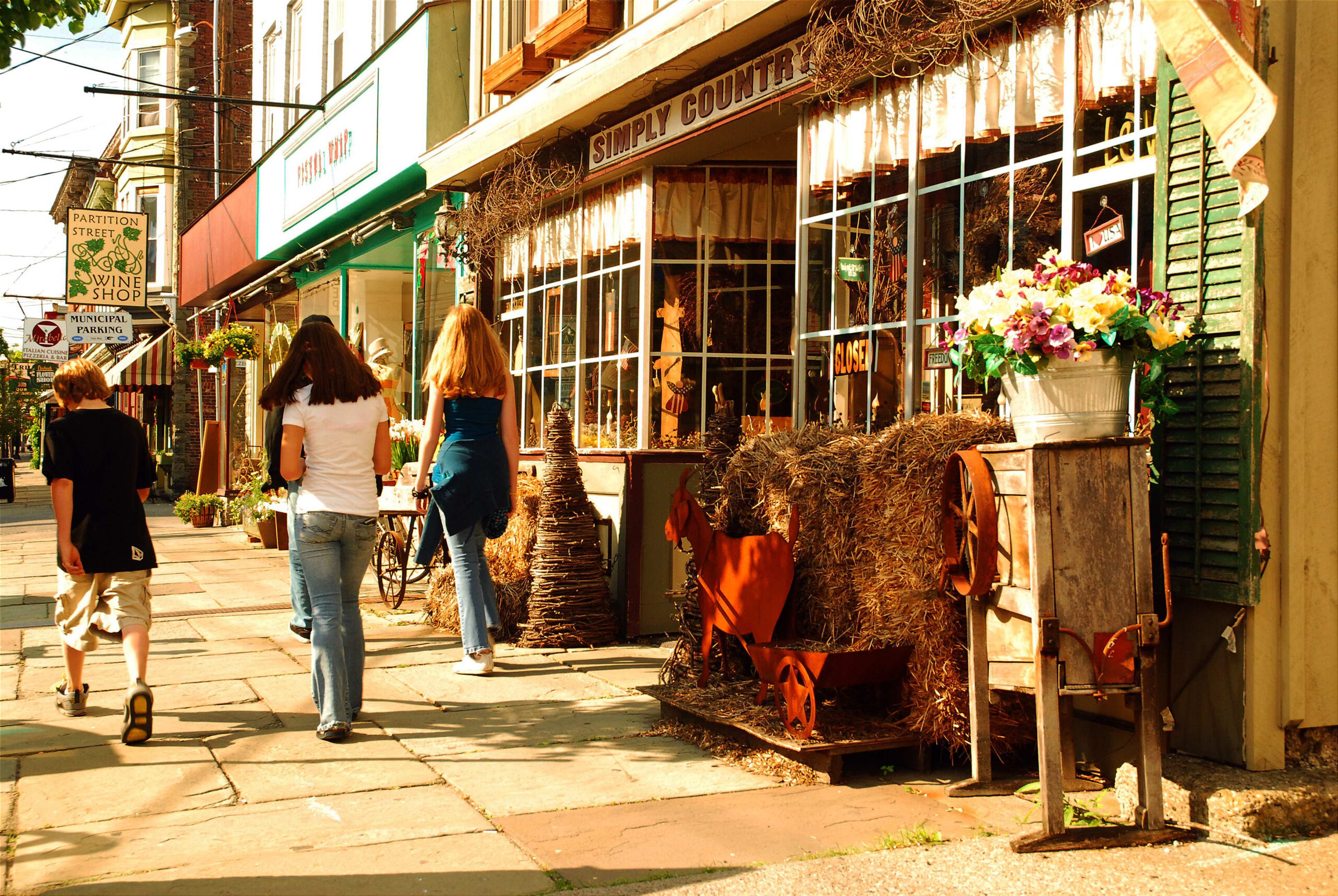
You walk into the café.
Cobblestone street behind you. Strange language on the chalkboard menu. The smell of something unfamiliar and almost perfect.
And before you even order – before you even breathe – you scan the room.
You find the seat against the wall. The one with a clear sightline to the door. You sit down. Your back, safe. The entrance, visible. Your cortisol, already doing the math.
Nobody made you do that. No travel guide suggested it. Something older did.
We tell ourselves we travel to get lost. To shed the skin of our ordinary lives and dissolve into somewhere unfamiliar. But the body doesn’t forget. The nervous system doesn’t buy a plane ticket. It just relocates its surveillance to a new zip code. The identity gap is this: we arrive in a foreign city as someone new, someone free – only to discover that our oldest self came with us, checked into the same hotel, and quietly claimed the seat facing the door.
1. The Sentinel Posture
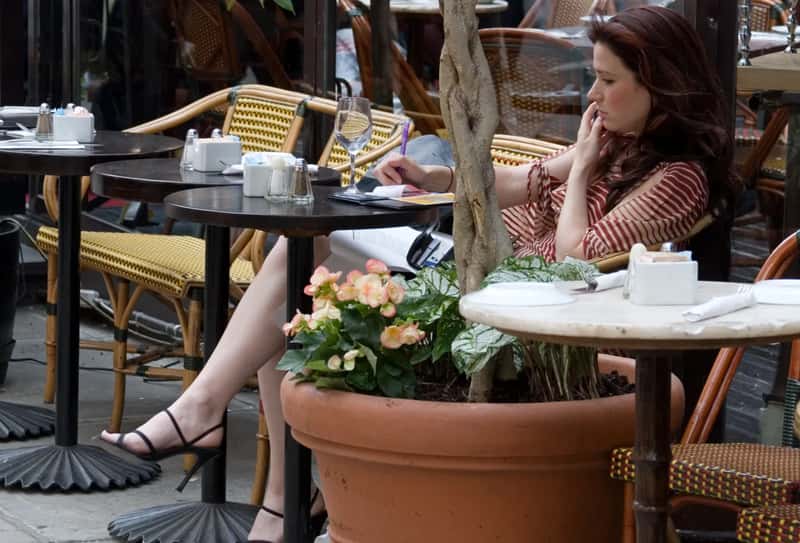
You don’t choose this seat. It chooses you.
People managing high-alert patterns may frequently look over their shoulders, monitor exits, or feel unable to turn their backs on a door. In a foreign café, stripped of your social armor, that instinct gets louder.
It has a name: the Sentinel Posture. The body positioned for maximum threat detection.
Hypervigilance is not just “being jumpy.” It is a physical and mental state where your brain is constantly searching for threats.
The Sentinel Posture is the body’s autobiography. It tells the story of every room you were in as a child where something could go wrong – and usually did.
Hypervigilance is strongly linked to childhood trauma, largely because as we grow up, our brain develops in a way that’s responsive to our environment. The child in you learned to read a room before trusting it. The adult in you never got the memo that the threat has passed.
You sit with your back to the wall in Lisbon. In Bangkok. In a rainy cafe in Edinburgh. The geography changes. The posture does not.
That is the Sentinel. Always on duty. Never off the clock.
2. The Threat-Mapping Reflex
You walk in. You catalogue.
Who is too loud. Who is too quiet. Which table is closest to the exit. Whether the waiter’s energy is warm or electric with tension.
This isn’t paranoia. It’s a program that ran so early you never noticed the install.
Adults shaped by chaotic childhoods grow into people who are always “on,” even when there is no obvious threat. They notice small changes others miss – a shift in someone’s voice, a glance across a room, a slight tension in conversation. Entering a space, they instinctively assess the emotional atmosphere before deciding how to behave.
In a foreign café, this reflex goes into overdrive. Every unknown face becomes a variable to be assessed. Every loud voice a cue to monitor.
It is common for a hypervigilant person to watch the people around them diligently for slight changes in behavior, tone, cadence, body language, written communication, or even sentence structure. “These individuals tend to do a lot of overanalyzing of people’s moods and their expression.”
You aren’t suspicious of people. You’re just fluent in a language most people never had to learn.
3. The Invisible Exit Strategy
You always know the way out.
Not because you’re planning to leave. But because not knowing would feel like suffocation.
Hypervigilant individuals always want to make sure they have a way to escape, so they scan their environment for the closest exits. In a city that is not your own, this need amplifies. The language barrier, the unfamiliar streets, the absence of social scaffolding – all of it triggers the ancient calculation: if this goes wrong, how do I get out?
This is not cowardice. This is engineering.
Children raised in volatile homes needed to figure out how to cope, and their options were limited. Some learned to withdraw and pull back – shut down, hide in their rooms. Others learned to walk on eggshells – be the good kid who reads the signs and accommodates as best they can to not cause trouble.
The exit strategy was born in those hallways. It followed you to every airport, every unfamiliar city, every cafe that doesn’t feel quite safe enough to let your guard down.
You drink your espresso with one eye on the door. It tastes fine. It just tastes better if you can see the exit.
4. The Amygdala That Never Clocked Out
Here is the architecture of the problem.
Your brain was built to keep you alive. In a chaotic childhood, it built itself accordingly.
The patterns of hypervigilance and internal retreat are rooted in how the brain processes trauma. Childhood trauma often induces changes in brain structures such as the amygdala, hippocampus, and prefrontal cortex.
The amygdala becomes hyperactive, constantly scanning for threats. Meanwhile, the prefrontal cortex, which is responsible for reasoning and impulse control, may become underactive. These neurological shifts reinforce hypervigilant behavior and reduce a person’s ability to self-regulate.
In a foreign cafe, with none of your usual familiar cues, the amygdala does what it was trained to do. It asserts control. It overrides the part of you that wants to just sit, sip, and be.
The seat facing the door isn’t a preference. It’s the amygdala’s non-negotiable.
You are not being difficult. You are being exactly what your neurology was shaped to be.
5. The Eggshell Calibration
I remember the first time I understood this in myself.
A café in Porto. Warm light. Nobody I knew within a thousand miles. And still – the low hum of vigilance. The counting of tables. The quiet noting of who raised their voice, who left quickly, who walked in looking like trouble.
Nobody in that café threatened me. But my nervous system hadn’t gotten that far in the analysis yet.
When someone experiences trauma, the body’s protective alarm system – the fight-or-flight response – is engaged in full force. Normally, once a threat passes, that system quiets and returns to baseline. But something changes – the “off switch” doesn’t fully reset. Instead, the brain and body remain sensitized, ready to detect danger at all times.
This is Eggshell Calibration: the lifelong art of reading the room so carefully that you can respond before the room even knows it’s shifting. You learned it young. You perfected it young. And now, sitting alone in a beautiful European café with a glass of wine, you are still doing it. Automatically. Fluently. Exhaustingly.
6. The Emotional Weather Forecaster
You read people the way a ship’s navigator reads the sky.
Not because you’re curious. Because you’re survival-trained.
The hypervigilant person is always trying to keep tabs on others’ emotions – especially if they seem like they could get angry or violent. They become hyperalert around authority figures or anyone who could have power over them.
In a foreign cafe, everyone is an unknown. The waiter. The couple arguing at the corner table. The man who laughed too loudly. Each one gets assessed. Each one gets filed.
This is the Emotional Weather Forecaster – someone who grew up needing to predict the emotional climate of a room before deciding whether it was safe to exist in it.
If you are this way, you likely grew up in a chaotic family where things were never emotionally stable – perhaps the mother struggled with addiction, the father had bipolar disorder, or the parents were always arguing.
You became so good at reading emotional weather that you do it on vacation. In cities where nobody knows your name. In languages you don’t speak. The forecast runs constantly. Cloudy with a chance of someone raising their voice.
7. The Distrust of Stillness
Peace makes you nervous.
Not in a way you can easily explain. Just a low static that activates whenever things are too quiet, too easy, too calm.
Hypervigilance refers to a state of constant, heightened alertness – always watching, always waiting for danger – even when the environment is safe. It keeps the alarm system running, long after the traumatic threat has passed. While hypervigilance may once have felt protective, over time it becomes exhausting, intrusive, and disruptive to daily life. Sleep becomes restless, concentration frays, relationships feel strained, and just relaxing feels impossible.
In a foreign city, on a slow afternoon with nowhere to be, the distrust of stillness sharpens. Your body is waiting for the other shoe. Your mind is already writing the contingency plan.
Many adults who grew up in chaotic households carry stress responses that feel confusing or disproportionate in the present. Intellectually, you may know you are safe. Physiologically, your body may still be bracing for impact.
You came abroad to rest. Your nervous system came abroad to stay operational. Only one of you is getting what they came for.
8. The Control Anchor
Certain things must be exactly right.
The hotel room with the door locked. The bag with the passport always within reach. The café table that is yours – positioned, assessed, approved – before you can settle.
This is the Control Anchor: the need to manufacture predictability in unpredictable environments because you grew up in a world where predictability was a luxury nobody could afford.
Research shows that children raised in chaotic homes – characterized by noise, overcrowding, and a lack of order – tend to score lower on tests of cognitive ability and self-regulatory capabilities and score higher on measures of problem behaviors and learned helplessness.
Childhood chaos does not require obvious abuse to be impactful. From a developmental perspective, chaos refers to environments that lack predictability, emotional safety, or consistent caregiving.
Controlling your seat in a café is the smallest, most portable version of the stability you never had at home. The table. The angle. The sightline to the door. These are your anchors. They cost nothing. They mean everything.
9. The Chronic Cortisol Debt
You are tired in a way that sleep doesn’t fix.
Travel should be energizing. Often, for the high-alert traveler, it is merely a beautiful form of exhaustion.
When cortisol levels stay high for too long, they damage your ability to rest. Your body feels like it is running a marathon while you are trying to watch TV. This chemical imbalance is why you cannot simply “relax” on command. Your biology is working against your psychology.
Living in a constant state of alertness is exhausting. Over time, this can lead to burnout – not because life is overwhelming, but because the mind and body never fully switch off.
In a foreign city, with its sensory overload – the new sounds, the unfamiliar smells, the social codes you haven’t decoded yet – the cortisol bill comes due quickly. You are processing more than the average tourist. You are processing the present and simultaneously cross-referencing it against every past moment your brain deemed dangerous.
That is the Chronic Cortisol Debt. You pay it daily. Most days, you don’t even notice the withdrawal.
10. The Homecoming That Never Comes
This is the heaviest one.
The reason you keep moving. The reason foreign cafés feel almost safer than your own living room. The reason the seat facing the door is, paradoxically, the closest thing to peace you know.
In many ways, our childhood experiences provide a blueprint for our lives. Growing up in a predictable environment with loving caregivers teaches us that the world is a safe place. But negative childhood experiences, like trauma, can impact us into adulthood. Children who survive abuse, neglect, and violence might, understandably, see the world as an unsafe place.
Hypervigilance is an intense state of alertness where you constantly look for threats, even when none exist. It often develops in childhood as a response to trauma, teaching the brain that danger is always near.
The Homecoming That Never Comes is this: you travel because you are looking for a place that feels safe. But safety was never a geography. It was always supposed to be a nervous system. Yours was calibrated – very young, by forces beyond your control – for threat, not rest.
Growing up in a loud or unpredictable household leaves lasting impressions, even when those impressions are invisible. Whether someone becomes highly alert or deeply composed, both patterns reflect adaptation to an environment that requires constant adjustment. These traits may look like strengths – and in many ways, they are. But they also carry hidden costs that only become clear when individuals begin to examine where those patterns came from.
So you keep going. Prague. Oaxaca. A side street in Tbilisi you found by accident. You keep choosing the table facing the door. You keep running the threat assessment. You keep being the most alert, most perceptive, most quietly exhausted person in the room.
There is something nobody tells you about hypervigilance: it is a form of loyalty. A loyalty to the child who needed it. A loyalty to the version of you who survived something that required this level of attention just to get through a Tuesday afternoon.
The behavior isn’t the problem. The behavior was the solution. It worked. You made it. You are, by most measurable standards, still here – still functioning, still traveling, still finding the most beautiful cafés in cities that don’t know your name. The pattern carried you this far. Honoring that, before trying to release it, is not weakness. It is the first honest accounting of what it cost.
One day, in some café not yet visited, in some city still unnamed on your itinerary – maybe you’ll take a different seat. Not the one against the wall. Not the one with the door in full view. Maybe you’ll sit with your back to the world, just for a moment, and let the room exist without your surveillance. And if the thought of that still makes something tighten in your chest – that tightening is not a flaw. It is the last of the evidence. Proof that somewhere inside you, a child is still doing their very best job.