
I sometimes like to joke that I’m a bad Puerto Rican.
In spite of being born there, my family moved to the mainland United States when I was a little over a month old, so I grew up in a small town in Oklahoma and later Arizona. I grew up American, as my mom likes to say, so I didn’t really know much about my heritage growing up aside from the small bits brought up in passing. I didn’t fully understand the historical context of Puerto Rico until I was much older, especially after spending some time in Hawaii, where I learned how deeply the two island “states” are intertwined.
In honor of Bad Bunny’s Super Bowl halftime show and the renewed attention it brought to Puerto Rico, I want to share some of the history of my home island and the nature of its territorial status.
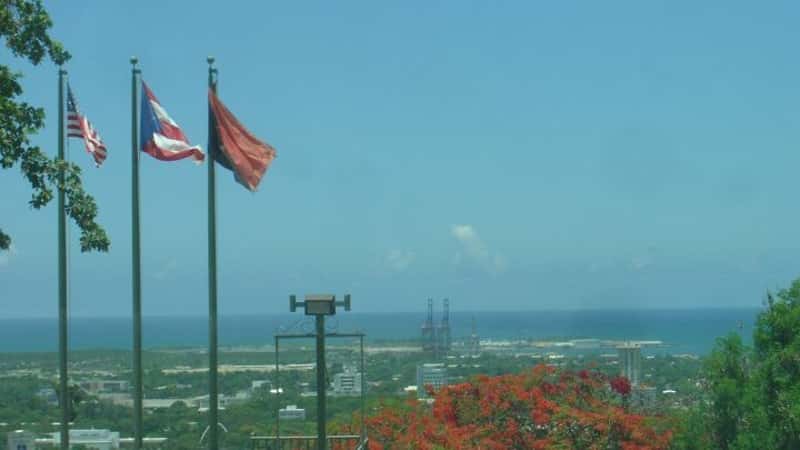
Colonial Origins & Political Status Formation
To begin, Puerto Rico was a Spanish colony for over 400 years before it was transferred to the United States following the Spanish–American War. From the outset, it was treated much like other colonies of the era and was not considered a future state.
The Foraker Act established a civilian government largely controlled by Congress, and later the Jones–Shafroth Act granted Puerto Ricans U.S. citizenship while withholding full political rights. As a result, Puerto Ricans occupy a uniquely complicated position in American geopolitics. They do not participate in federal elections such as presidential races and lack voting representation in Congress, yet they remain subject to federal law.
Puerto Ricans are also subject to Selective Service, a fact that helps explain the timing of the Jones–Shafroth Act, which was passed shortly before the United States entered World War I. These overlapping conditions created a status that closely resembled a “separate but equal” logic: Puerto Ricans were expected to fight for a country in which they did not enjoy equal political rights.
Statehood Movement vs. Alternatives
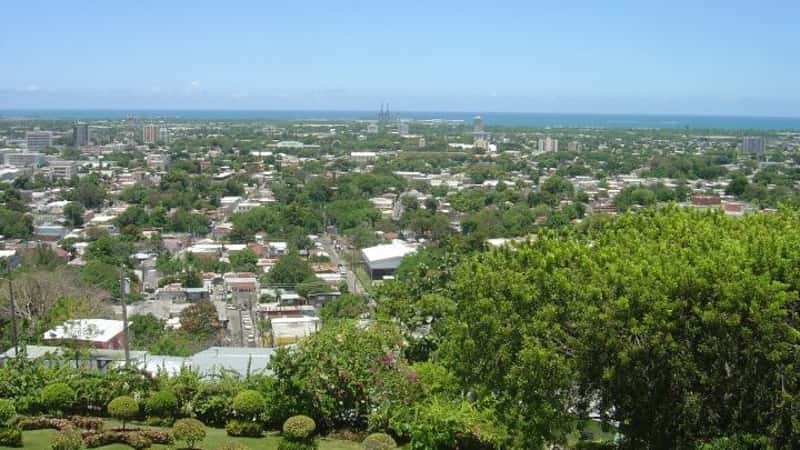
It would not be until the 1950s that the Commonwealth system was put in place under the Puerto Rico Federal Relations Act. The goal was to grant the island greater autonomy, and while it did so to an extent, it also institutionalized Puerto Rico’s half-in, half-out status. This framework continues to define Puerto Rico’s political reality today.
Over time, three dominant political visions emerged: full statehood, independence, and enhanced autonomy. The case for statehood is relatively straightforward, advocating for equal rights and representation similar to what occurred with Hawaii. The independence movement argues that Puerto Rico should sever ties with the United States and exist as a fully sovereign nation. The enhanced autonomy position favors a permanent association with the U.S. without full statehood.
Each of these movements is deeply tied to questions of cultural identity, language, and national pride. Multiple referendums have been held over the decades, often pointing in different directions depending on turnout, framing, and political context.
Modern Referenda, Crisis, and the Present Moment
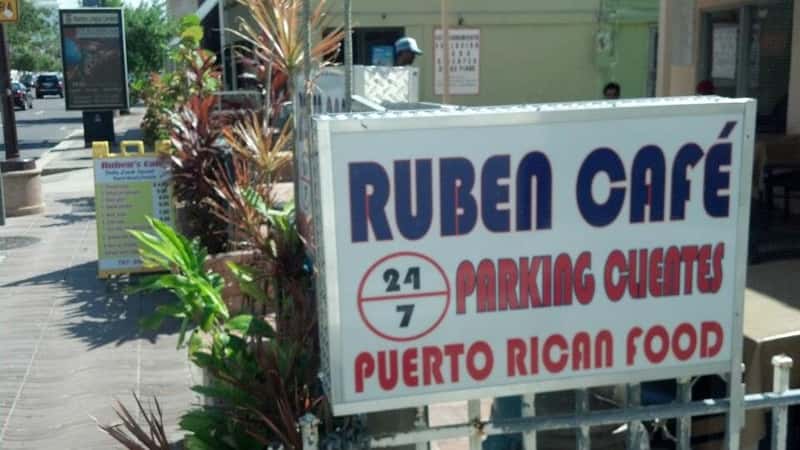
These referendums began in the 1960s and have continued intermittently, with inconsistent formats and participation. While several votes have favored statehood, their legitimacy has frequently been contested, sometimes due to boycotts and sometimes due to ballot design. In some cases, the results were ultimately rejected or ignored by Congress.
More recently, Puerto Rico’s debt crisis and Hurricane Maria further complicated the issue. The former led to increased federal control through fiscal oversight, while the latter exposed the limitations of disaster response for a U.S. territory lacking full political power. Because Puerto Rico remains a territory, Congress retains final authority over its future. Given both the island’s economic contributions and the fiscal burden that assuming its debts would place on the United States, I don’t see this situation being resolved anytime soon.
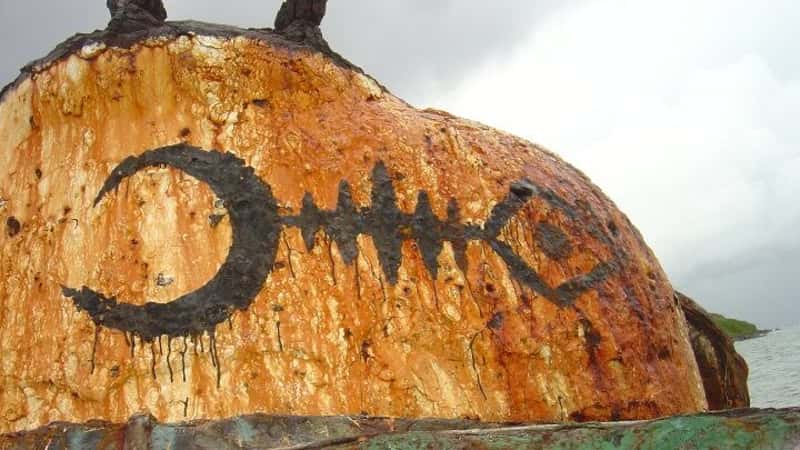
Esqueleto Bailando
I never worried about any of these issues during the times I visited Puerto Rico growing up. Given how locals sing, dance, cook, and celebrate, you could be forgiven for thinking there were no political issues at all.
During one visit, however, I was introduced to the idea of the esqueleto bailando, the dancing skeleton. I first encountered it as graffiti painted on an old World War II Sherman tank. As it was explained to me, the image represents the idea that while Puerto Rico may be a skeleton of what it once was, the people who remain continue to dance and celebrate life anyway.
It’s a philosophy I try to carry with me. And now that you’ve shared a bit in the history of my island, it’s one you can carry with you as well.