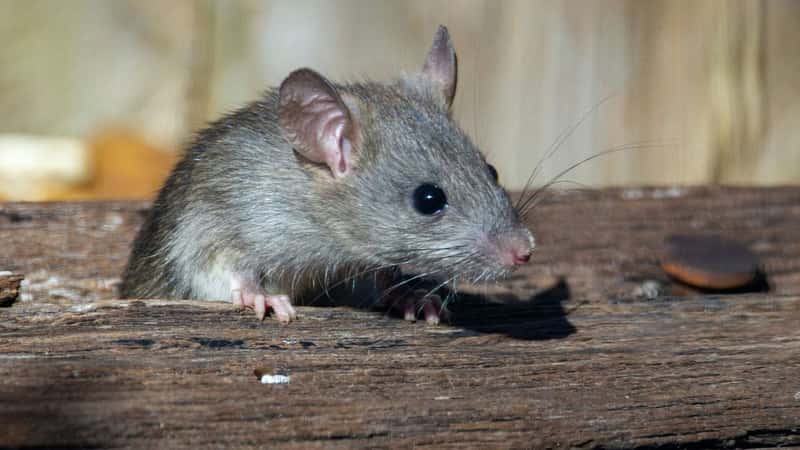
Researchers find dramatic restoration on land and sea after island rat removal – Image for illustrative purposes only (Image credits: Unsplash)
Palau – Removing invasive rats from a tropical island produced measurable ecological gains on both land and in surrounding waters within a single year, according to new field research. Scientists had long expected such recovery to unfold over decades. The findings come from a controlled experiment on Ulong Island that paired direct eradication with repeated surveys before and after the effort.
Setting Up a Clear Test
Researchers from the nonprofit Island Conservation selected Ulong Island for the removal and kept rats in place on nearby Ngeruktabel Island as a control. Baseline data were gathered on both sites, including recordings of bird calls, soil samples, fish biomass estimates, and coral cover measurements. The approach allowed direct comparison of conditions with and without the rodents. Rats had been abundant enough on Ulong to appear during daylight hours and to disrupt campers as well as native wildlife. As opportunistic feeders, they heavily targeted seabird eggs and chicks, leaving very few nesting seabirds that we would find, noted Coral Wolf, the conservation science program manager at Island Conservation.
Land-Based Shifts After One Year
Surveys repeated twelve months after the rats were cleared showed clear increases in seabird activity. Detections of bridled tern calls rose sharply once predation pressure ended. Soil samples also reflected changes tied to greater bird presence and nutrient inputs from nesting colonies. These land improvements occurred without any additional interventions beyond the initial removal. The speed surprised the team, given prior assumptions that meaningful rebounds would require far longer periods.
Effects Reaching Marine Areas
Indicators in the water around Ulong also moved in positive directions. Fish biomass increased and coral cover showed gains compared with the unchanged control site. The researchers linked these marine responses to the restored flow of nutrients from seabirds on the island, which can fertilize nearshore waters and support food webs. The dual recovery on land and sea emerged from the same single action. Earlier models had not anticipated such rapid cross-ecosystem effects.
What the Results Suggest Next
The experiment supplies the first direct evidence that island ecosystems can respond more quickly than decades-old expectations allowed. It underscores the value of targeted eradications for places where invasive rodents have suppressed native species for generations. Further monitoring will help determine how long the gains persist and whether similar patterns appear on other islands. The work adds practical weight to ongoing global efforts to restore seabird colonies and the broader habitats they influence.