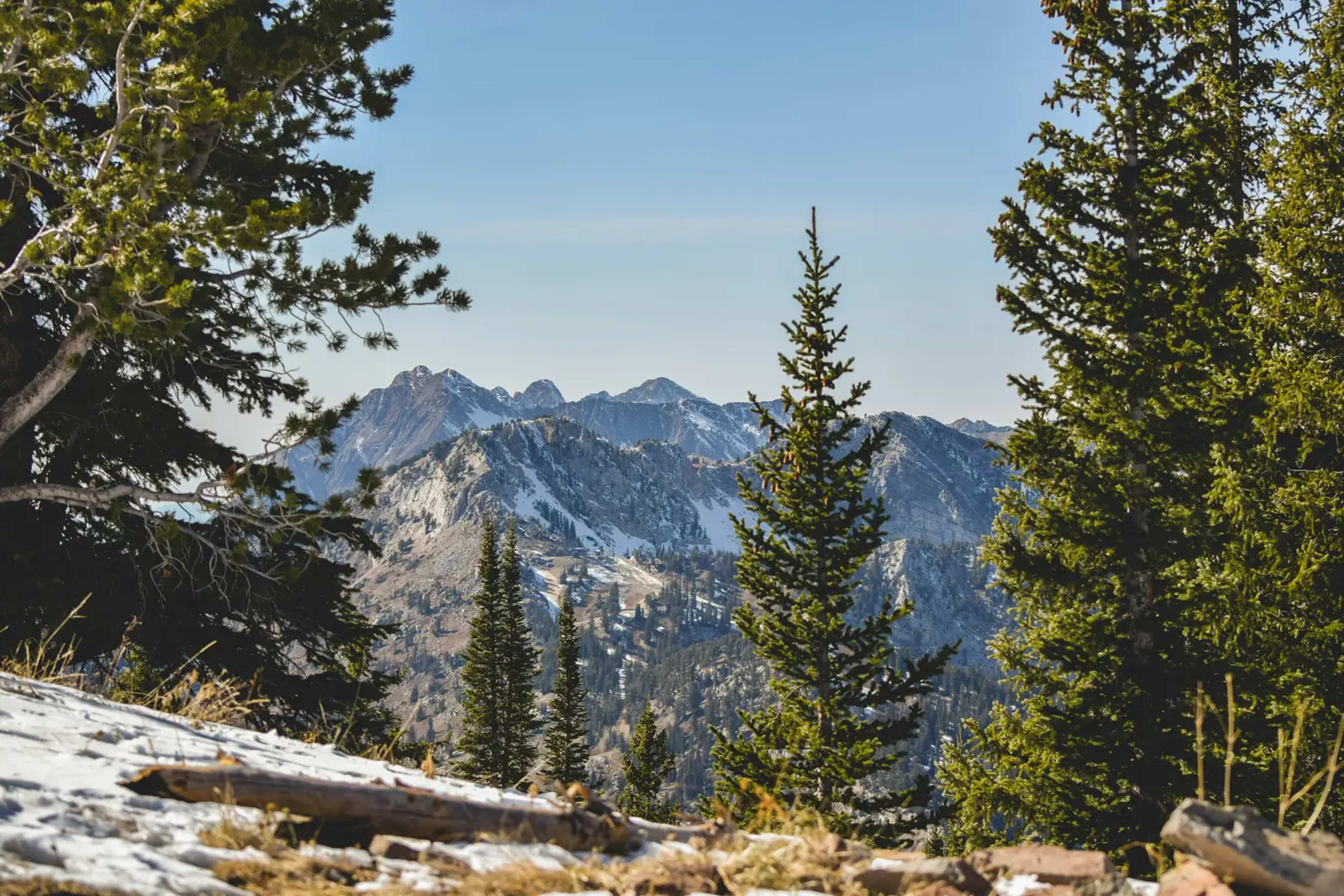
The best US national parks you should visit at least once (or twice) – Image for illustrative purposes only (Image credits: Unsplash)
Despite a modest national decline in overall visits during 2025, twenty-six individual parks shattered previous attendance marks. This contrast highlights shifting traveler preferences toward specific destinations that combine iconic scenery with improved access or fresh appeal. The trend suggests that certain protected areas continue to draw dedicated crowds even as total system numbers eased from 331.9 million to 323 million.
Why Attendance Patterns Shifted
The National Park Service data reveals that popularity concentrated in a handful of sites rather than spreading evenly. Parks with distinctive natural features or recent infrastructure upgrades captured the largest gains. Travelers appear willing to plan around peak periods when the payoff includes rare geological formations or abundant wildlife sightings.
Accessibility also played a role. Airports near several high-performing parks expanded flight options, shortening travel times for domestic visitors. This practical change lowered barriers for families and first-time parkgoers who previously viewed remote locations as logistically difficult.
Standout Performers With Broad Appeal
California’s Redwood and Sequoia national parks both set new records, underscoring the enduring draw of ancient forests. Visitors return for the scale of the trees and the variety of trails that range from easy boardwalks to strenuous backcountry routes. The same state’s Yosemite continued to attract hikers seeking granite cliffs and seasonal waterfalls.
Lesser-publicized sites also posted strong numbers. Florida’s Dry Tortugas drew snorkelers and history enthusiasts to its remote islands and Civil War-era fort. Alaska’s Gates of the Arctic appealed to those seeking true wilderness, where trails are minimal and wildlife encounters remain common. These additions show that record growth reached beyond the most famous names.
Practical Planning Considerations
Advance reservations remain essential at several high-traffic parks during summer months. Campgrounds and popular trail permits fill quickly, so booking windows open months ahead. Shoulder seasons often deliver similar scenery with fewer people and more flexible lodging rates.
Transportation logistics vary widely. Some parks sit within a short drive of major airports, while others require multi-hour transfers or ferry rides. Checking current road conditions and shuttle schedules prevents last-minute disruptions, especially in mountainous terrain where weather can change rapidly.
Balancing Crowds With Meaningful Experiences
Even at record-setting locations, strategies exist to reduce time spent in lines. Arriving at trailheads before dawn or exploring lesser-used sections of a park often yields quieter conditions. Rangers frequently recommend mid-week visits or alternative viewpoints that still deliver signature landscapes.
Many parks now emphasize sustainable practices such as leave-no-trace principles and timed entry systems. These measures protect resources while maintaining access for future visitors. The result is a more predictable experience that rewards preparation over spontaneity.
National parks continue to offer unmatched variety in one country, from desert dunes to volcanic craters. The 2025 numbers confirm that certain sites retain strong pull even amid broader fluctuations. Planning around verified records and practical access details helps travelers secure rewarding visits without unnecessary complications.