There’s a particular kind of traveler who slips into a city and somehow finds the bakery with no sign, the bar where the bartender remembers regulars, the bus route that skips the tourist shuttle entirely. It’s not luck. Ask enough seasoned explorers how they do it, and patterns start to emerge, small habits and mindset shifts that separate a checklist vacation from something that actually feels like living somewhere, even briefly.
Skip the highlight reel and follow a neighborhood’s actual rhythm
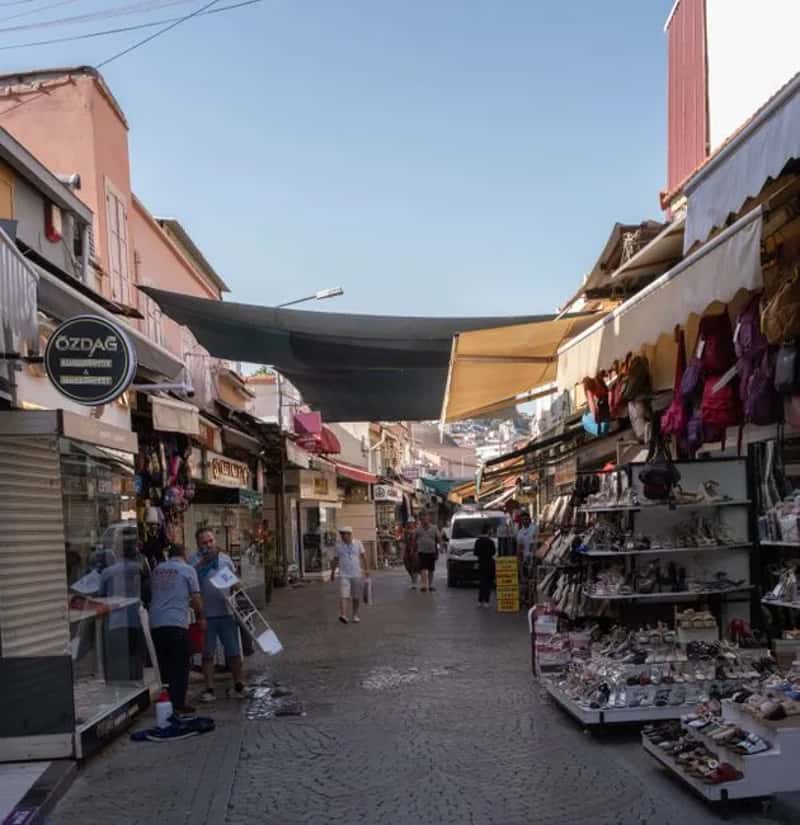
Seasoned travelers tend to treat famous landmarks as a starting point rather than the whole itinerary. Instead, they gravitate toward the areas where daily life actually happens. As one 2026 travel trends report put it, travelers continue to prioritize diving deep into local life, wanting to spend time in areas where locals actually live, shop, and gather, from bustling souks to charming cobblestone streets[1].
This shift matters because the busiest attractions rarely reflect how a place actually functions day to day. A market at seven in the morning tells you more about a city than any monument does at noon. It’s a small adjustment in mindset, but it reshapes an entire trip.
Time the visit around the season, not just the calendar
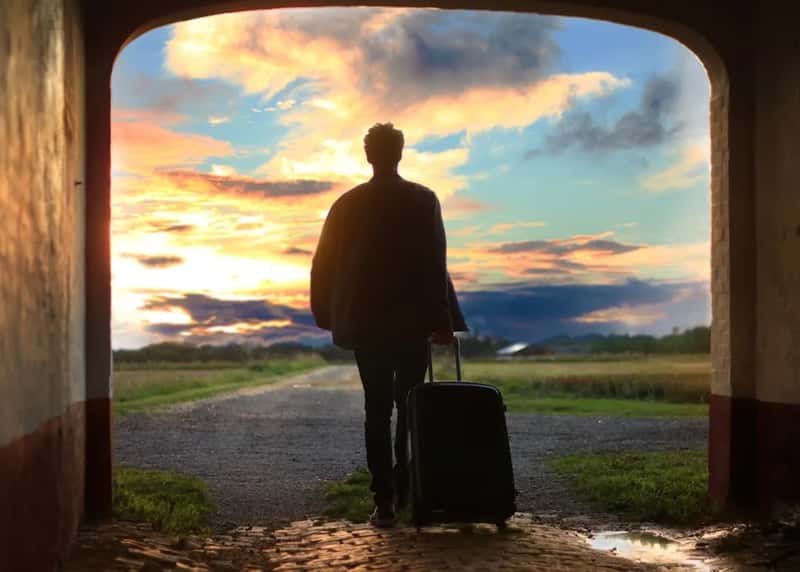
Veteran travelers rarely book blind. They think about when a city feels most like itself, and increasingly, they’re building trips around climate comfort rather than just school holidays or flight prices. According to one 2026 industry report, forty-five percent of advisors from travel agency Virtuoso say their clients are adjusting plans due to climate change, with three quarters reporting increased interest in shoulder season or off peak travel[2].
There’s also a simple logic to visiting places when they’re less crowded and more affordable. Fewer people on the ground generally means shorter lines, more relaxed locals, and a better shot at genuine conversation. Some travel guides even suggest specific windows, noting that certain cities feel most alive at particular times of year, such as Tokyo in spring, Amsterdam in the fall, and Rio in summer[1].
Learn to move around the way residents do
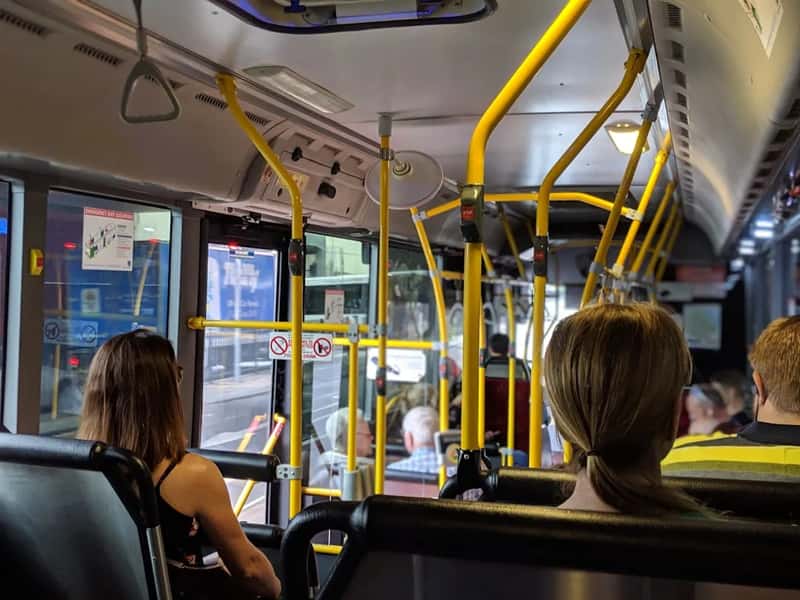
Nothing marks a tourist faster than confusion at a metro turnstile or a reliance on taxis for every short trip. Experienced travelers make a point of figuring out public transport early, even if it takes an extra half hour on day one. A well known 2026 travel guide specifically flags this habit, noting tips for traveling like a local, including using public transport, trying the local cuisine and carefully choosing where you stay[3].
Beyond the practical savings, there’s something clarifying about riding a city bus next to people running errands rather than sightseeing. It resets the pace of a trip. Suddenly you’re not just visiting a place, you’re briefly part of its everyday traffic.
Eat like it’s an errand, not an event

Fine dining has its place, but seasoned travelers increasingly chase something smaller and less curated. One emerging habit, dubbed snackpacking by travel journalists, involves tourists heading to supermarkets and food stalls to try local flavours[4]. It sounds almost too simple to matter, yet it consistently produces the most memorable food moments of a trip.
This isn’t just anecdotal enthusiasm either. Survey data backs it up, with one 2026 global travel report finding that whether it’s a tortilla making class in Mexico City or a fragrance workshop in Paris, the vast majority of Millennials and Gen Z surveyed say they’re likely to seek out local[5] culinary experiences over conventional restaurant meals. A grocery store, it turns out, can be as revealing as a museum.
Choose accommodations that put money into the neighborhood
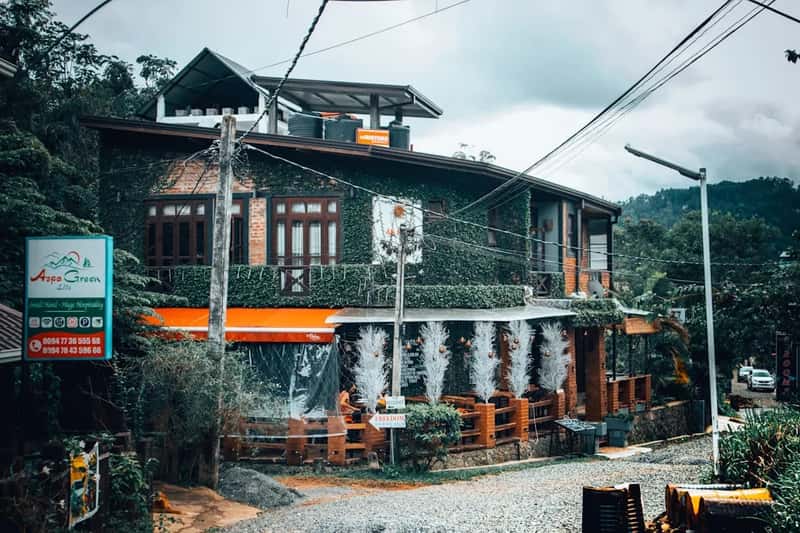
Where a traveler sleeps shapes more of a trip than most people realize. Seasoned explorers tend to avoid large international chains in favor of smaller, locally run guesthouses or apartments, partly for authenticity and partly out of practicality. One responsible travel guide puts it plainly, advising travelers to shop local and stay local, avoiding international hotel chains and large resorts, so that more of their money reaches local hands[6].
There’s a quieter benefit too. A host who lives in the neighborhood, even a distant one managing a rental, tends to answer questions a hotel concierge never will, about which bakery opens first or which bus actually runs on Sundays. It’s a small detail that often shapes the entire texture of a stay.
Pick less obvious destinations on purpose
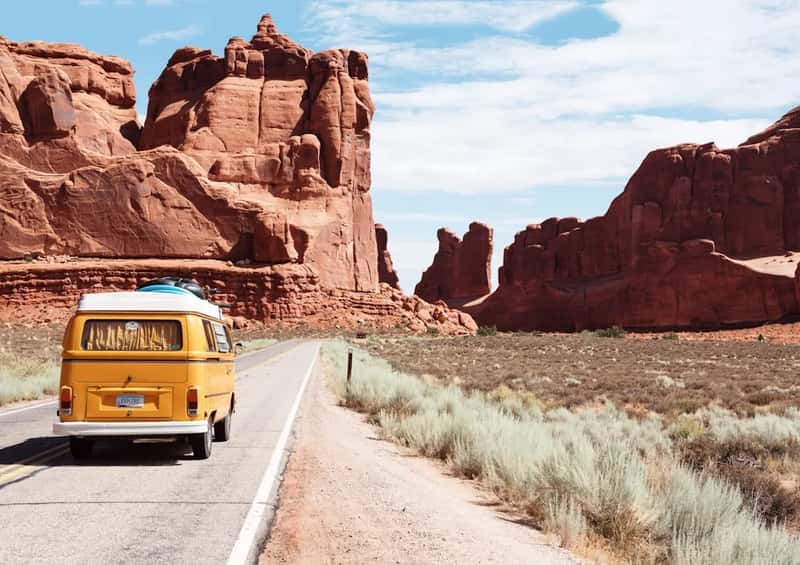
It’s tempting to default to the same handful of world famous cities every trip. Experienced travelers increasingly resist that pull, partly out of curiosity and partly out of awareness that some places are simply overwhelmed. Industry trend reports for 2026 note that fueled by a desire for truly authentic experiences, many travelers are opting to venture off the beaten path, with once overlooked destinations like Laos, Kyrgyzstan, and Ghana enjoying a travel boom[7] as a result.
This isn’t about avoiding popular places entirely. It’s about balance, and recognizing that a quieter alternative often delivers a richer, less rushed version of the same kind of experience. Travel journalists covering 2026 destination lists have made a similar point, framing the choice as less about ticking boxes and more about balance[8] between iconic sights and manageable crowds.
Build in room for the unscripted moment
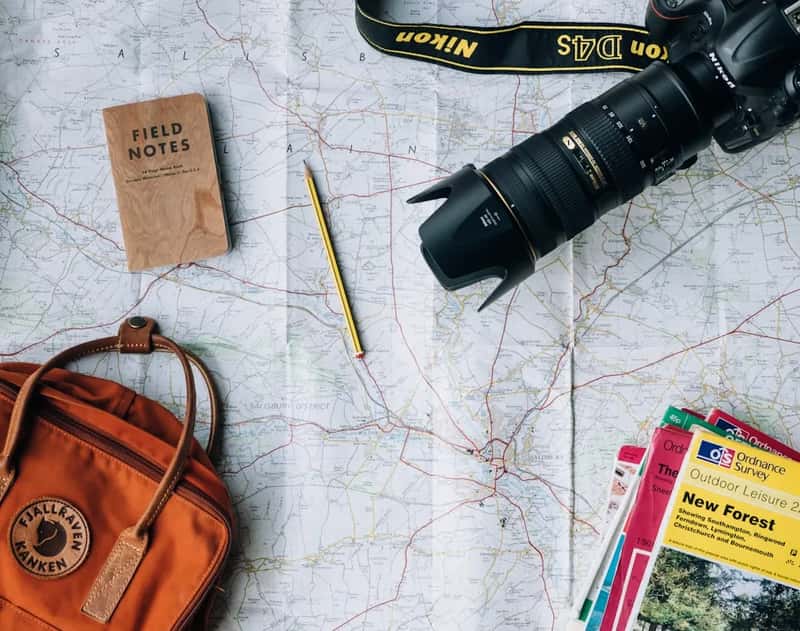
Overplanning is one of the fastest ways to miss the parts of a place that don’t show up in any guidebook. Seasoned travelers tend to leave gaps in their itineraries on purpose. One 2026 travel trends report describes this shift directly, noting that travelers are building itineraries that blend big ticket experiences with opportunities for unscripted moments[3].
This might mean wandering a few blocks past the planned destination, or accepting an invitation that wasn’t on any schedule. It requires a certain comfort with uncertainty that takes practice to develop. Still, almost every traveler who’s done this long enough will say the best stories rarely come from the parts of the trip that went exactly as planned.
Learn a handful of local phrases before arriving

It’s a small thing, but seasoned travelers rarely skip it. A few basic greetings, a polite request, a simple thank you, these go further than most people expect in shifting how a traveler is treated. It signals effort, and effort tends to be noticed and returned in kind, even in places where English is widely spoken.
This habit also opens doors that money alone doesn’t. Shopkeepers, servers, and neighbors respond differently to someone who’s clearly tried, even imperfectly, than to someone who assumes everyone should adapt to them. It’s less about fluency and more about a gesture of respect that travelers who’ve done this for years say never stops paying off.
Respect the pace and boundaries of the place being visited
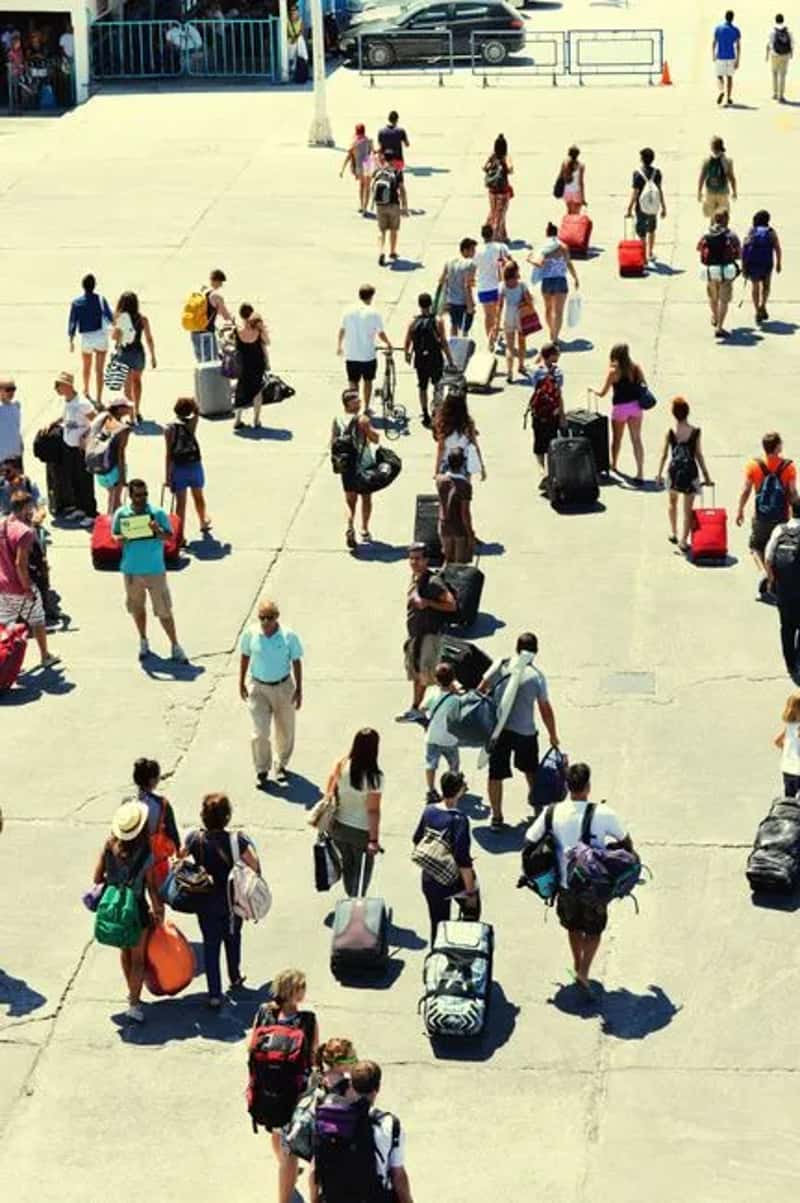
There’s a difference between curiosity and intrusion, and experienced travelers tend to know where that line sits. As tourist numbers climb in cities from Venice to Barcelona, that awareness matters more than ever. Reports on overtourism in 2026 note that in some of the most affected destinations, local people have taken to the streets to protest against being deluged by tourists[6], a reminder that a destination’s patience isn’t infinite.
Traveling like a local, at its core, means recognizing that the local really does live there, with routines, rush hours, and quiet moments that existed long before any visitor arrived and will continue after they leave. Slowing down, staying observant, and asking rather than assuming tends to be the quiet thread running through every other habit on this list. It’s less a technique than a posture, and it’s usually the one thing that separates a trip that felt like tourism from one that felt like a genuine visit.