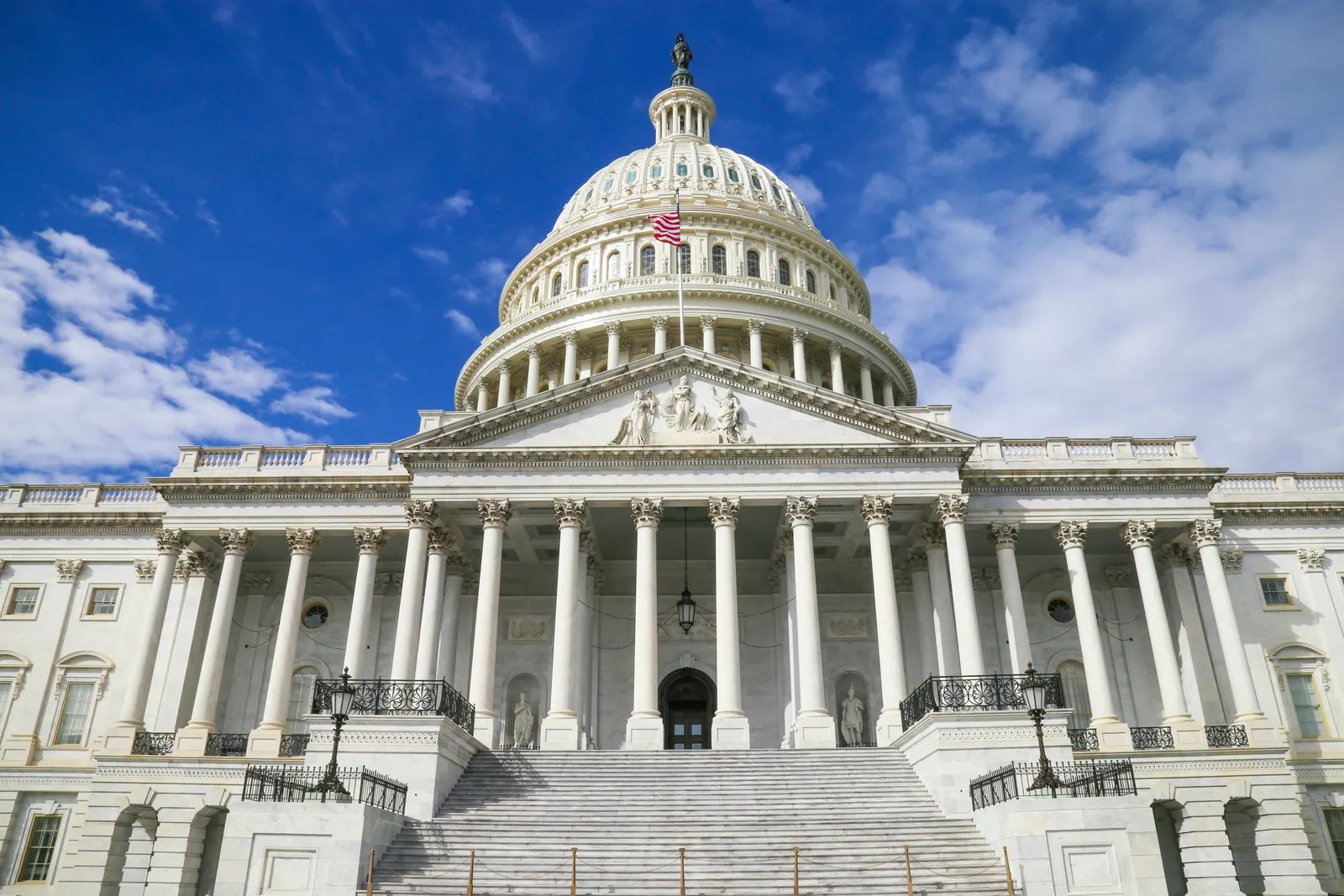
The U.S. Senate approved a broad bipartisan package on November 19 that would change how federal agencies review energy and infrastructure projects. The Bipartisan American Affordability and Jobs Act of 2026 passed 62-33 and now heads to the House of Representatives. For hunters, anglers and wildlife biologists, the vote raises a practical question about how much scrutiny projects on public lands will still receive ([1]).
A Habitat Dispute That Could Be Harder to Reverse
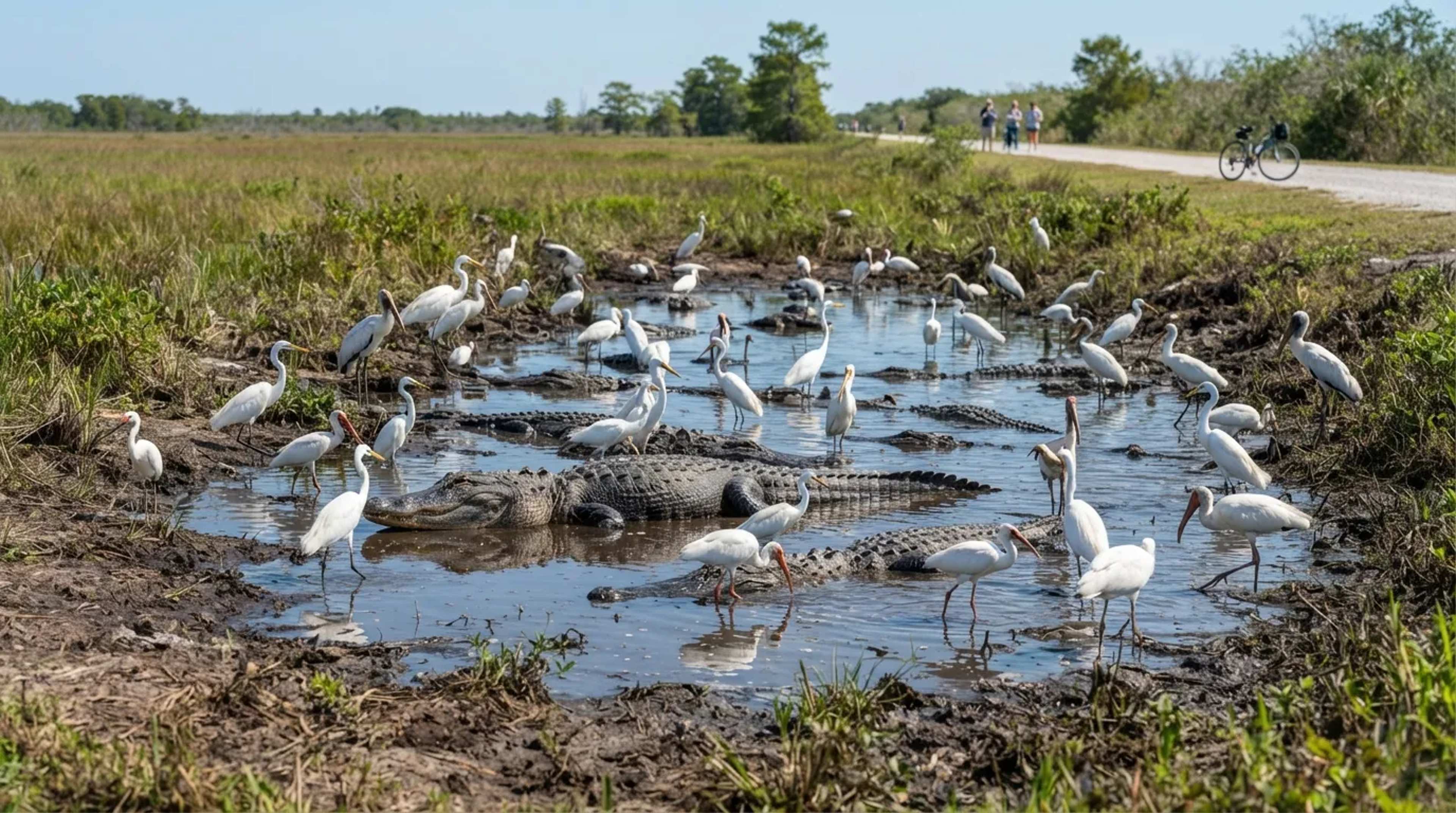
Consider a data center under construction in a sensitive fish and wildlife area. Under the bill, courts would have less room to halt or cancel the permits behind that project, even if a judge found that an agency skipped or inadequately completed an environmental review. In that scenario, a finding that the habitat’s importance was not properly assessed might still leave the approval in place.
The example is hypothetical, but it illustrates the kind of outcome critics fear. Permits approved on or after November 6 would also be harder for future administrations to revoke or change, with only narrow exceptions. For wildlife managers, that combination could mean that new ecological findings arrive after a project is already locked in.
What the Bill Would Change
A Congressional Research Service summary lays out the bill’s main provisions. The bill would:
- Narrow the reach of the National Environmental Policy Act and speed up environmental reviews
- Reduce permit obligations under the Clean Water Act
- Alter rules for threatened or endangered species to shorten federal permit reviews
- Eliminate permit requirements for onshore oil and gas drilling on nonfederal land
- Fast-track renewable, geothermal, hydropower and offshore energy projects
- Limit which projects trigger review under the National Historic Preservation Act
Taken together, these changes affect more than one federal statute. The bill also would reduce Tribal input on proposed projects, a point that has drawn sharp objections. Tribal advocates, including the National Congress of American Indians, have ([3])strongly opposed the changes, arguing they weaken tribal consultation.
Supporters and Critics Read the Vote Differently
Backers describe the measure as a way to lower the cost of building power plants, transmission lines and other infrastructure. Senator Shelley Moore Capito, a lead sponsor, has framed the bill as a response to projects stalled by lengthy reviews and regulatory uncertainty. Supporters also argue that faster approvals would help the country move toward renewable energy more quickly.
Critics see a different trade-off. Environmental and sportsmen’s groups have warned that the bill loosens core protections for land, water and wildlife, and could open more public lands to drilling, mining and data centers. Support has also crossed party lines in an unusual way, but not without objections. A spokesperson for House Minority Leader Hakeem Jeffries said the Senate version ([2])falls short in several areas, and that House Democrats will not simply accept it. President Trump has publicly backed the agreement.
What Wildlife Professionals Are Watching
The Wildlife Society, the professional organization that published the original report, has taken a measured position on energy development. It acknowledges that global energy demand will keep rising, while stating that its goal is to reduce the harm that energy projects do to wildlife populations and to the connections between habitats. That balance is exactly what wildlife biologists will be tested on if the bill becomes law.
Conservation groups have also raised a specific concern about adaptive management. The Theodore Roosevelt Conservation Partnership argued that land managers should still be able to respond when monitoring reveals impacts to fish, wildlife, water or access that were not expected when a project was approved. If courts and future administrations face tighter limits, that response could become more difficult, and biologists may find their recommendations carry less weight after a permit is issued.
Related Stories From Travelbinger


A Narrow Window in the House
The Senate vote is not the final step. The bill must pass the House, where it will compete for floor time with a possible government shutdown. The current continuing resolution expires on December 11, and Congress must pass annual spending bills before then to avoid a lapse. Negotiators have said they hope to finish the permitting measure during the lame-duck session, although the House has not yet acted.
For readers who visit national forests, wildlife refuges and other public lands, the outcome could shape which projects are built nearby and how quickly they move forward. Whether the final version keeps the Senate’s approach or changes it will determine how much protection remains for the places people hunt, fish and hike. The answer will likely depend on what the House does before the year ends.