Picture this: you’re planning your perfect beach vacation, scrolling through crystal-clear waters and pristine shores. Then that nagging thought creeps in. What about sharks? Maybe it’s the media coverage or that one documentary you watched years ago, but suddenly you’re wondering which destinations might give you more than just sun and surf.
Honestly, I think we all deserve to vacation with peace of mind. While shark encounters grab headlines and fuel our deepest fears, the reality is far more nuanced than Hollywood would have you believe. Some destinations do report more incidents than others, though, and knowing where these hotspots are located can help you make informed choices about your next getaway.
United States: The Global Leader You’d Expect
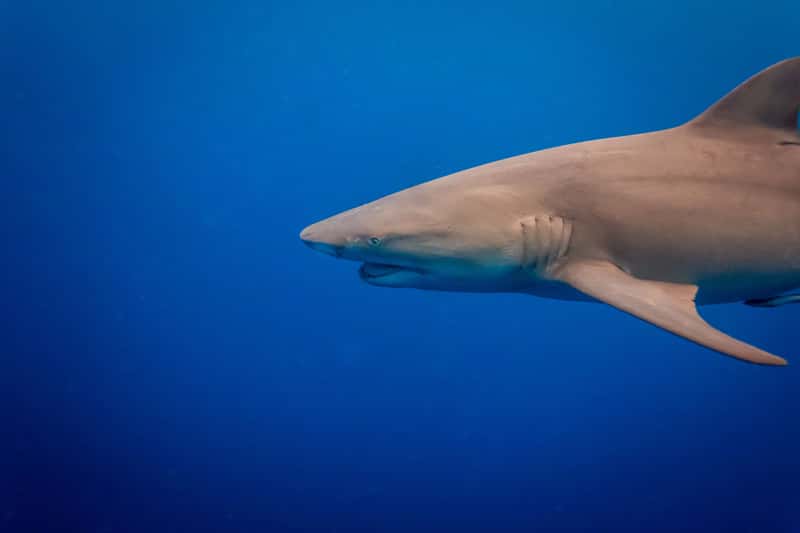
The numbers don’t lie when it comes to the United States. Consistent with long-term trends, the United States recorded the most unprovoked shark bites in 2024, with 28 confirmed cases. This represents roughly sixty percent of all global incidents.
In line with ongoing trends, the United States had the highest number of unprovoked shark bites in 2023, with 36 confirmed incidents. While this might sound alarming, consider that America has extensive coastlines and millions of beach visitors annually.
Florida steals the spotlight within the US statistics. According to data from the ISAF, the US has the highest rate of unprovoked bites in the world, and within that, Florida accounts for 44% of all US-based shark bites. There were a total of 28 reported incidents in the U.S., with half of them happening off of Florida.
What makes Florida particularly noteworthy is its unique combination of warm waters, abundant marine life, and year-round beach activities. Many of these bites were likely from blacktip sharks, whose breeding grounds stretch along the northeast Florida coastline. Many of the sharks in this area are juveniles and haven’t yet fully developed the ability to distinguish between humans and their natural prey.
Australia: High Activity with Concerning Fatality Rates
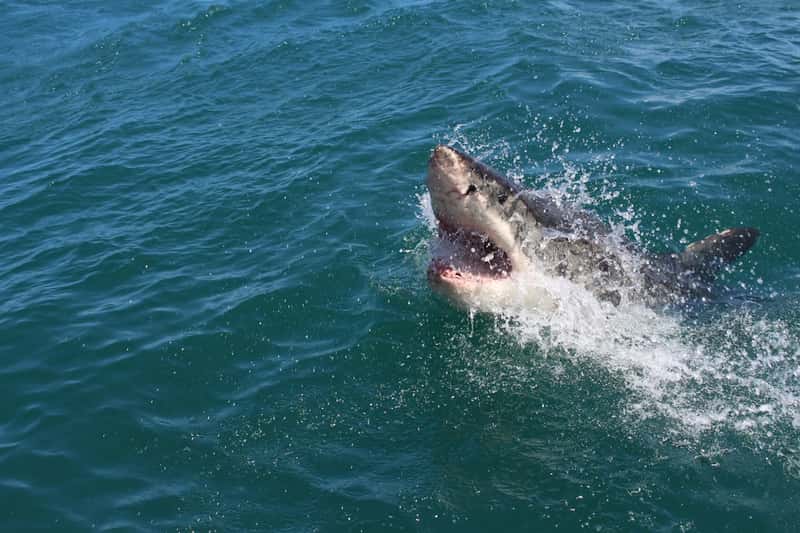
Australia consistently ranks second globally for shark encounters. An attack map published by ISAF confirmed that after the US, Australia is the second most active country for shark attacks. However, what sets Australia apart is its proportionally higher fatality rate.
However, while it may rank second for activity, Australia is the number one country for fatal attacks. Australia experienced a higher number of shark bite fatalities, making up 22% of all global attacks and resulting in four deaths, which is 40% of the total fatalities.
In 2025, activity in Australia has been unusually high. There have been 5 shark attacks in Australia in 2025 as of February 19. Two were provoked, and 3 fatal. This early-year surge has marine biologists paying close attention to patterns and potential causes.
With a long coastline and a high frequency of recreational ocean use and many remote areas overlapping with the range of great white sharks, Australia is ranked second globally in shark attacks. The country’s vast wilderness coastlines mean that help might be farther away when incidents occur, potentially contributing to higher fatality rates.
Brazil: The South American Hotspot
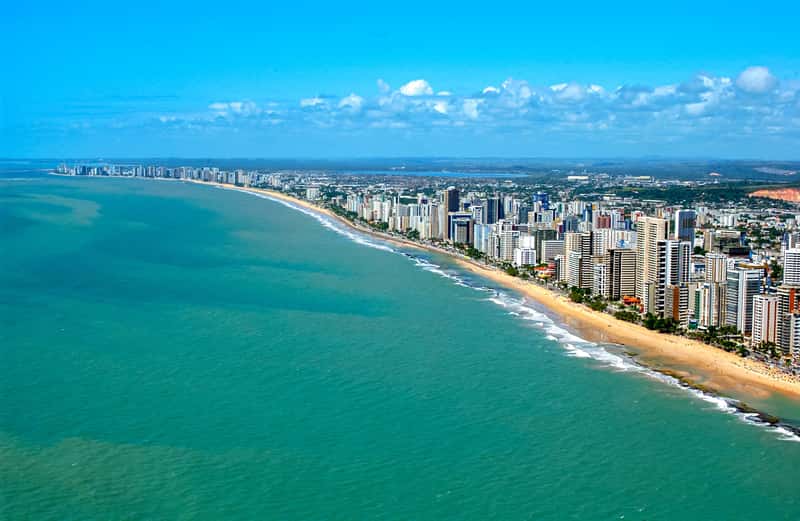
Brazil has emerged as a significant concern for shark encounter statistics, particularly in its northeastern regions. Brazil’s waters, particularly along the northeastern region, have seen a steady number of shark attacks. Recife, a city in Pernambuco, is one of the most dangerous locations in Brazil for shark attacks, with incidents occurring regularly over the years.
The region has been identified as a hotspot for shark activity, particularly bull sharks and tiger sharks, which are attracted by the abundance of marine life near the coastline. These species are known for their aggressive nature and proximity to shore-based activities.
An April 2023 study by the International Journal of Oceanography and Aquaculture reports that the local government is looking to fund scientific research to investigate the “huge number of unprovoked shark attacks [that] have suddenly started at Pernambuco’s inshore waters” since the 1990s.
In South America, Brazil has been at the top of the list when it comes to shark attacks (110) and human losses (22) since 1931. This historical data shows a concerning pattern that continues into modern times.
South Africa: Great White Territory
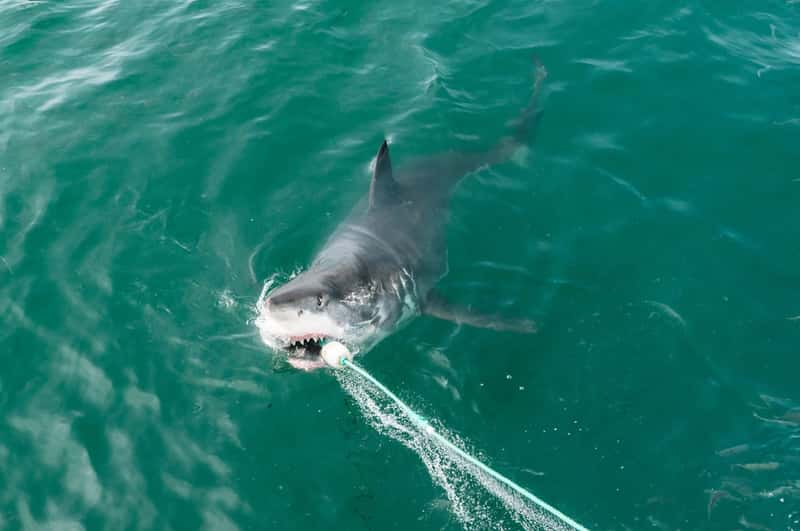
South Africa’s reputation as great white shark country is well-deserved, and this translates into notable encounter statistics. South Africa: Famous for its great white shark population, South Africa experiences shark attacks, with certain areas being hotspots, though the number of attacks is not as high as the US or Australia.
South Africa (29 bites): South Africa had 29 unprovoked shark bites between 2012 and 2021, of which six were fatal. Port St. Johns’ Second Beach, located on South Africa’s southeastern coast, is pictured. While the numbers are lower than other hotspots, the fatality rate remains significant.
South Africa: Known for its great white shark populations, South Africa’s coastal areas are hotspots for shark encounters, especially around Cape Town. The region’s unique marine ecosystem and seal populations create ideal conditions for great white sharks.
The country’s waters offer some of the world’s best shark cage diving experiences, which speaks to the healthy shark populations but also highlights the need for awareness among water enthusiasts.
Egypt: Red Sea Concerns
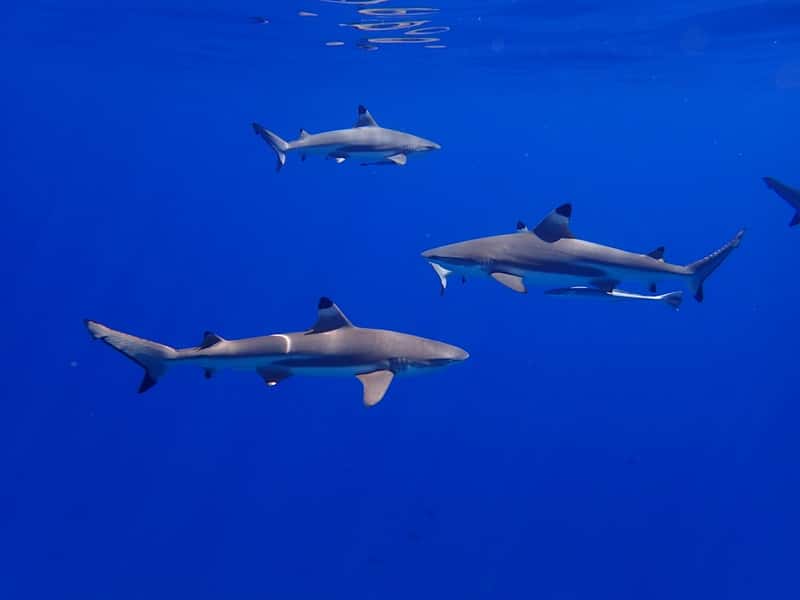
Egypt’s Red Sea region has gained attention in recent years for several high-profile incidents. The Red Sea in Egypt is a popular destination for diving enthusiasts, but it also poses some risks for shark encounters. The region saw two unprovoked shark attacks in 2023, with one of the incidents being fatal.
Egypt reported one unprovoked bite that resulted in a fatality in recent data, highlighting that even destinations known more for ancient history than marine encounters can present risks.
The Red Sea’s crystal-clear waters and abundant marine life make it a world-class diving destination. However, this same biodiversity includes various shark species that occasionally interact with humans.
Bahamas: Caribbean Paradise with Caution
Overall, unprovoked shark attacks are rare in the Bahamas, with just 34 recorded since 1580, according to the International Shark Attack File. This ranks the Caribbean country ninth among all tracked countries. While not in the top tier of concern, the Bahamas still sees occasional incidents.
Two Caribbean shark attacks occurred on the same day in 2025. Two notable shark attacks in the Caribbean were reported this year, both of which occurred on February 7th. In the evening, near Bimini Bay in the Bahamas, two American tourists were bitten by a shark.
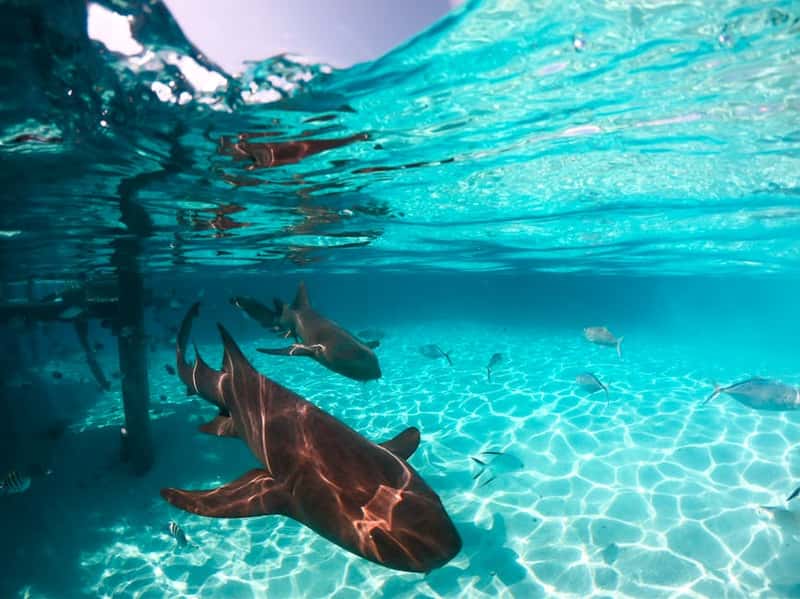
Nurse sharks are a largely unaggressive, docile species, which means that swimming alongside them is a popular tourist activity in the Bahamas. However, they’re big fellas – growing to up to 14 feet in length – and, as is to be expected with wild creatures, attacks do happen on very rare occasions.
Hawaii: Pacific Island Encounters
Hawaii maintains a significant presence in shark encounter statistics, particularly around Maui. Maui is the second-largest of Hawaii’s islands, but it’s by the far the liveliest when it comes to human-shark encounters. A big factor in this is the unique underwater terrain: Maui’s gently sloping insular shelf habitats are particularly enticing to tiger sharks.
On average, Hawaii records 4 shark attacks/year, ranking third behind California and Florida in annual US shark attacks. There have been 1 shark attacks bites in Hawaii (0 fatal shark attack) in 2025.
What makes Hawaii particularly interesting is its isolated location in the Pacific, which creates unique marine conditions. The clear, warm waters attract both sharks and water enthusiasts year-round.
California: West Coast Realities
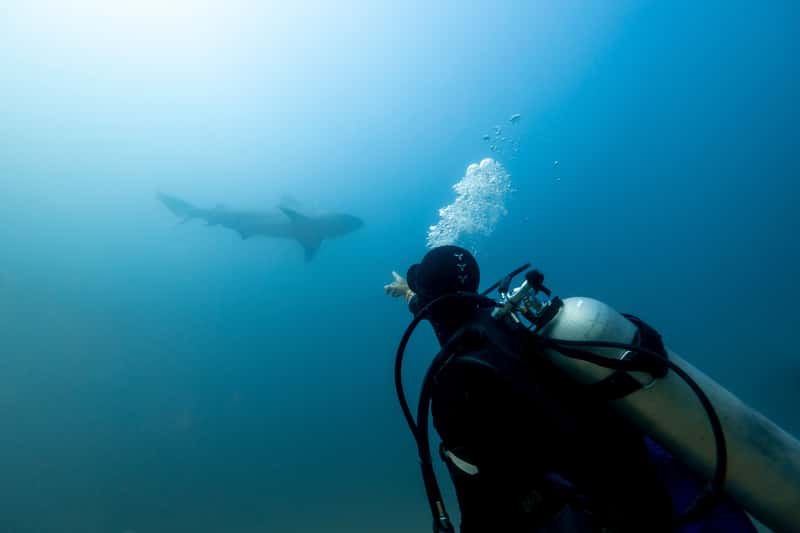
California: Despite the cooler waters, California experiences its share of shark incidents, primarily involving white sharks. The Golden State’s extensive coastline and active surfing culture create numerous opportunities for human-shark interactions.
The North Atlantic Ocean has the largest estimated population of great white sharks, particularly near Cape Cod, though California’s populations are also substantial. The state’s great whites are often linked to the abundant seal populations along the coast.
Surfers in California have become particularly aware of seasonal patterns when great whites follow migrating marine mammals closer to shore. Many beaches now have shark spotting programs and warning systems in place.
New Caledonia and Réunion: Indian Ocean Hotspots
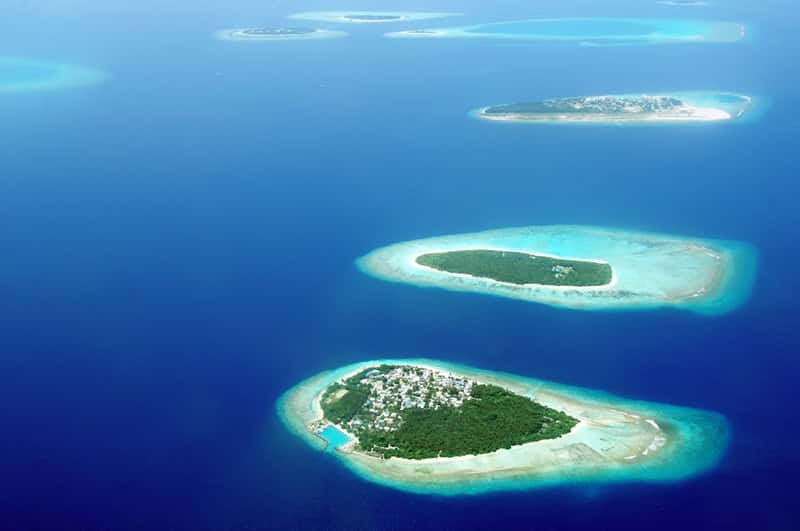
Meanwhile, New Caledonia lost a spearfisher, victim of the notorious “Bloodjaw” shark, marking another tragedy in a historically risky spearfishing location. This French territory in the Pacific has gained attention for several serious incidents.
Réunion Island: A French island in the Indian Ocean, Réunion has witnessed a significant number of attacks in recent years. This small island has unfortunately gained notoriety for a disproportionately high number of serious encounters.
The Mascarene Islands have nearly a 50 percent rate of casualties – 47 attacks and 19 deaths. These statistics are particularly sobering given the relatively small size and population of these islands.
Israel: A Rare but Notable 2025 Incident
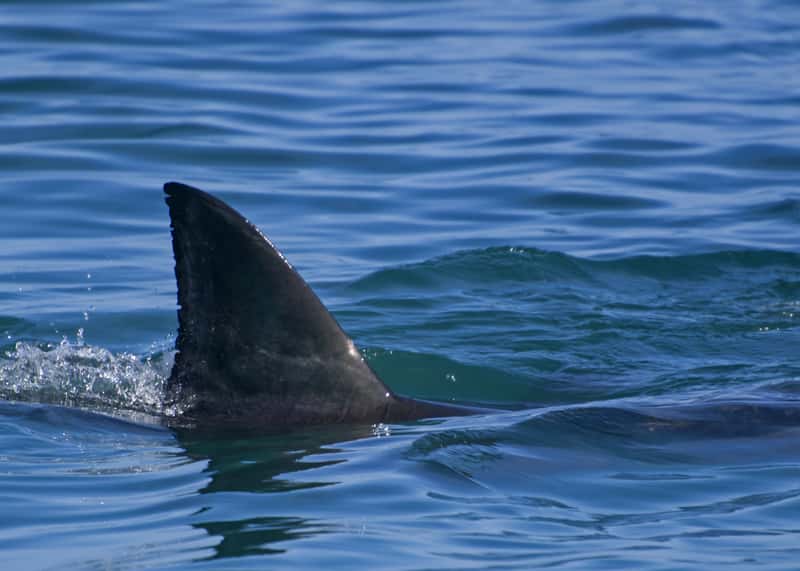
Israel made international headlines in 2024 for an extremely rare occurrence. In an incredibly rare incident, a man was killed by a shark in June off the coast of Israel in the sea at Hadera, about 25 miles north of Tel Aviv. No one is sure how the 40-year-old man became a victim, but it’s the first fatal shark attack in the history of Israel. It’s also the fourth documented shark attack since the country’s founding in 1948.
Remarkably, Israel experienced its first recorded fatal shark attack off Hadera in June 2024. A Mediterranean dusky shark is the likely culprit. This incident shows that even regions with historically minimal shark activity can experience unexpected encounters.
The Mediterranean Sea, while not typically associated with dangerous shark encounters, does contain various species that can occasionally interact with humans.
Mexico: Occupational and Tourism Risks
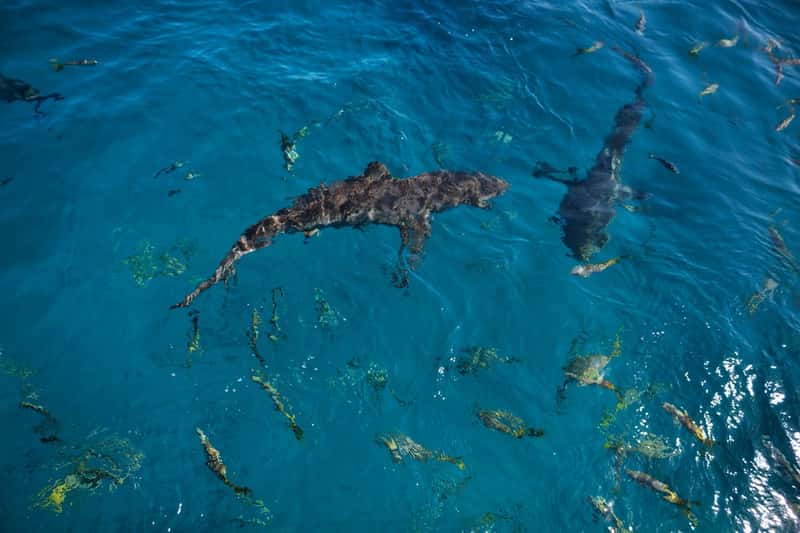
Mexico sees incidents both in tourism areas and among fishing communities. Mexico has had one confirmed shark attack incident so far in 2025. The incident occurred near the island of Banco Chinchorro off the eastern coast of Mexico on February 23rd. A fisherman was bitten on the leg by an unidentified shark while removing fishing nets from the water.
A fisherman off Banco Chinchorro was bitten while working near nets; though non-fatal, the incident highlights occupational hazards in fishing communities. This demonstrates that shark encounters aren’t limited to recreational activities.
Mexico’s extensive coastlines on both the Pacific and Atlantic sides create diverse marine environments where different shark species might be encountered.
The Maldives: Tropical Paradise with Rare Risks
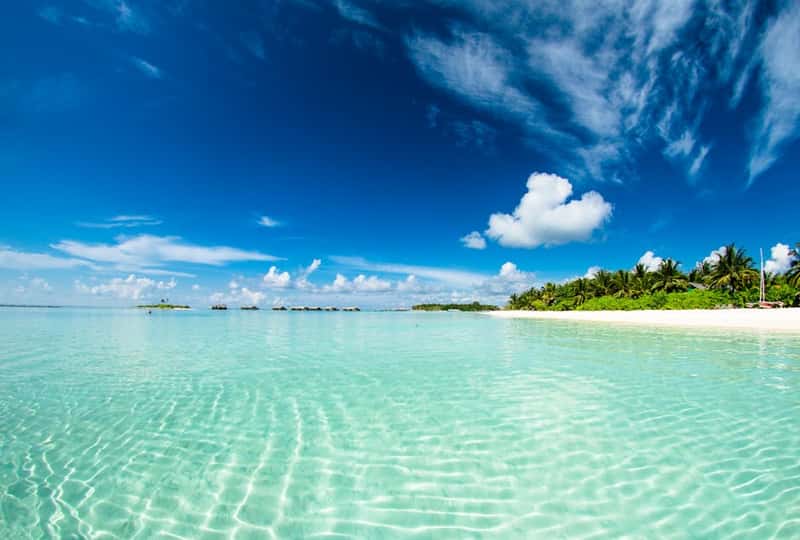
The Maldives reported one fatal unprovoked bite for 2024. This comes as a surprise to many, given the Maldives’ reputation as a luxury resort destination with crystal-clear lagoons.
The incident serves as a reminder that even the most seemingly pristine and controlled environments can occasionally present unexpected risks. Resort operators in the region have since increased their awareness and safety protocols.
The Maldives’ unique geography of scattered atolls creates diverse marine habitats that support various shark species, though encounters remain extremely rare.
Understanding the Numbers: Context Matters
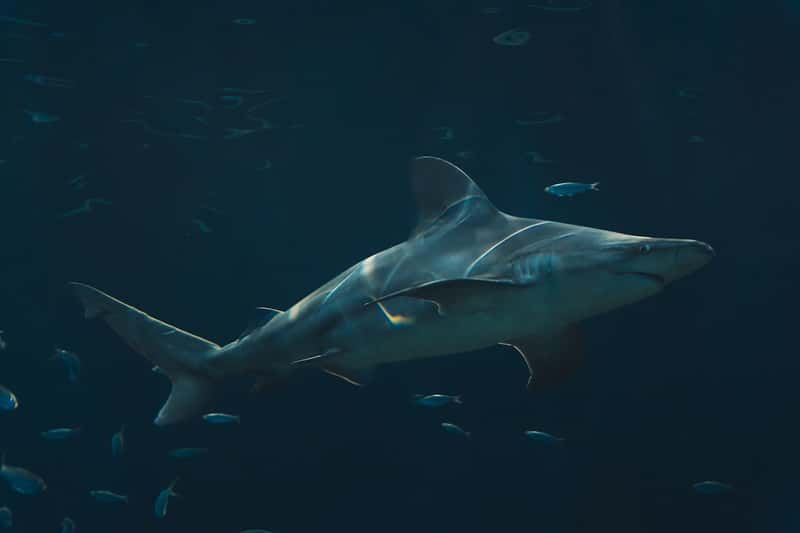
Before these statistics cause unnecessary panic, it’s crucial to understand the broader context. On average, there are about 63 unprovoked shark attacks each year, with 5 to 6 of these attacks resulting in death. In 2023, there was a slight increase to 69 attacks, but this number still fits the average trend over the past five years.
In 2024, unprovoked shark attacks reached a 28-year low, with only 47 incidents recorded globally, including four fatalities. This was a drop of almost a third since the year before, with researchers describing 2024 as “an exceptionally calm year for shark bites”.
As per a study by the International Shark Attack File, you are more likely to die by drowning than be bitten by a shark. To further quantify those statistics, you are 3,820 times more likely to drown than die from a shark bite. The chances of drowning are 1 in 1,134 compared to the 1 in 4,332,817 odds of being bitten by a shark.
In the U.S., where the risk of shark attacks are at their highest, the chance of someone being killed by a shark during their own lifetime is around 1 in 4 million. The global risk of being killed by a shark is around one in 28 million, which is more likely than winning the UK lottery but less likely than being killed by lightning in the U.S.
Smart Precautions for Any Destination
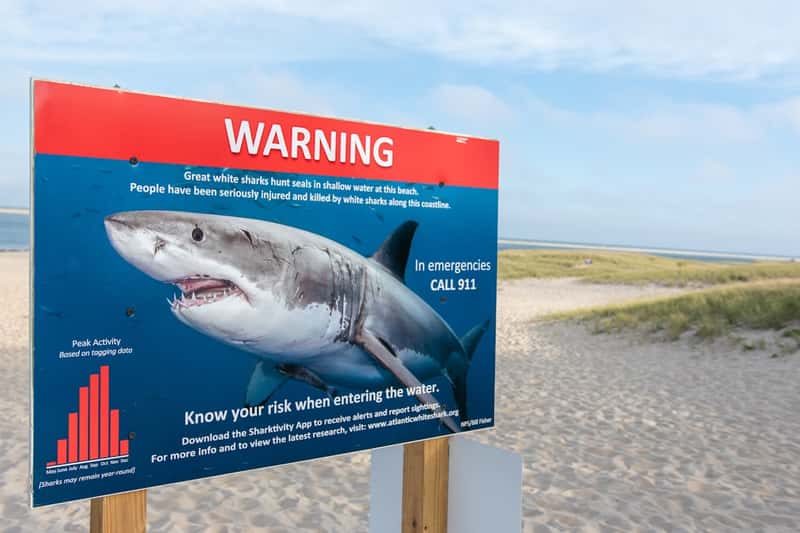
Knowledge empowers better decisions rather than creating fear. In a report published by the ISAF, more than half of all reported shark attacks are a direct result of board sports and surfing. The article specifies that swimmers and waders were involved in 39% of the incidents, while snorkelers and free divers accounted for 13%.
One of the most common causes of shark attacks is believed to be mistaken identity. For example, a spate of attacks in Florida’s Volusia County in 2024 is believed to have been caused by blacktip sharks that had recently hatched along the coast.
The International Shark Attack File provides a list of recommendations for further reducing your risk of a shark bite – such as staying close to shore, removing reflective jewelry before entering the water, and avoiding areas where people are fishing.
Simple awareness of local conditions, following lifeguard guidance, and avoiding dawn or dusk swimming can significantly reduce already minimal risks. Most importantly, remember that millions of people safely enjoy these destinations every year.
The data reveals clear patterns about where shark encounters are most likely to occur, but it also emphasizes just how rare these incidents truly are. Whether you choose Florida’s warm beaches, Australia’s stunning coastlines, or any other destination, your biggest concern should probably be remembering to pack enough sunscreen. What do you think about these statistics? Does knowing the numbers change how you’d plan your next beach vacation?