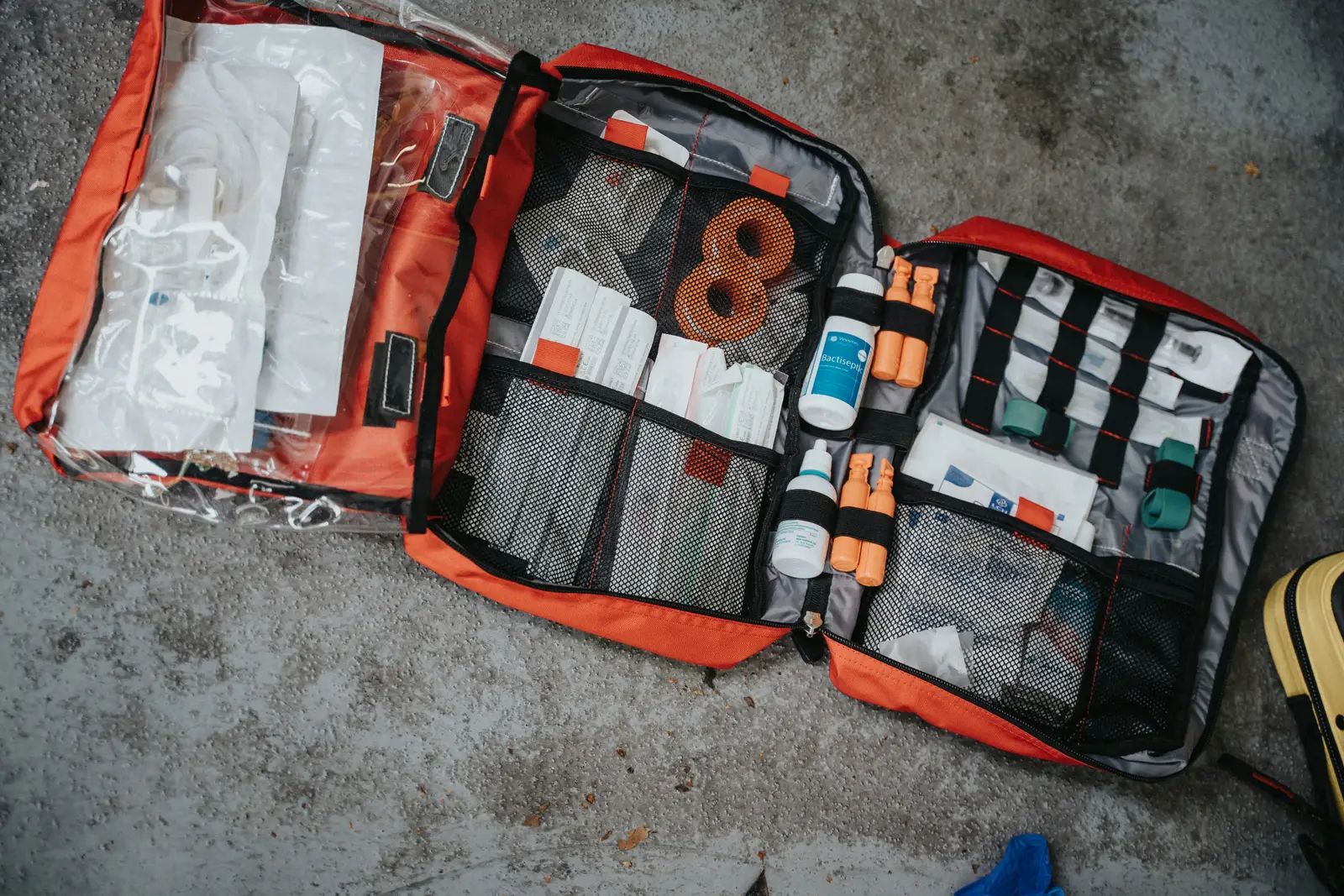
Travel brings its share of surprises, from sudden allergies to minor cuts that can derail plans. A compact first-aid kit addresses these issues on the spot and avoids the scramble for supplies in an unfamiliar place. Guidance from The Points Guy highlights practical additions that experienced travelers keep ready for exactly these moments. ([1])
Protection Against Allergies and Sun
New environments often introduce unfamiliar pollen, insect bites, or reactions to products like sunscreen. Over-the-counter antihistamines, eye drops, and anti-itch cream handle these quickly and keep discomfort from escalating. Travelers who have learned this lesson the hard way now carry a small supply on every journey. Sunscreen belongs in the kit year-round, not only for beach days. Even city sightseeing can lead to burns when protection is overlooked. A travel-sized container makes reapplication simple, while aloe vera gel offers relief if exposure still occurs.
Wound Care That Prevents Bigger Problems
Bandages of various types, including adhesive strips and hydrocolloid options, treat cuts, blisters, and scrapes that arise during hikes or routine activities. Cleaning the area first with antiseptic wipes reduces infection risk, especially when liquids face security restrictions. These supplies often prove useful within the first days of a trip. For more serious bleeding, hemostatic gauze promotes clotting when packed into a wound, while an emergency trauma dressing applies steady pressure. Both require prior review of instructions so they can be used correctly if needed. They serve as temporary measures until professional help arrives.
Tools and Hydration Support
Basic tools such as tweezers remove splinters, and trauma shears or a multitool cut away clothing in urgent situations. A compact flashlight aids nighttime assessments and can signal for assistance. Electrolyte powders mixed into water combat dehydration from flights, heat, or activity. Instant ice packs provide cooling relief for aches, sprains, or burns without requiring refrigeration. Single-use versions activate on demand and fit within carry-on limits when quantities stay modest.
Medications and Rare but Critical Additions
Common over-the-counter remedies for pain, stomach upset, motion sickness, and sleep often become harder to obtain abroad. A small pill organizer keeps doses organized and prevents loose bottles from scattering in luggage. Checking destination rules beforehand avoids any compliance issues. For those with heart conditions, a compact automated external defibrillator offers a potential lifesaving option during cardiac events. Its size and weight compare to a soda can, though the cost remains substantial.
A focused kit built around these categories delivers reliable support without excess bulk. Pre-packed travel versions or refilled containers from home both work well, especially when waterproof storage is chosen for beach or outdoor trips.
Smart preparation turns potential setbacks into manageable moments. The right items stay ready for the next departure and help maintain the focus on enjoyment rather than recovery.