Traveling without a second language in your back pocket used to feel like a gamble. These days, though, a surprising number of destinations have made English so central to daily life, business, and tourism that visitors rarely hit a communication wall. Some of these places have never had English as an official language at all, yet locals speak it with a confidence that rivals native speakers.
Below is a gallery of ten destinations, spanning Europe, Asia, Africa, and the Middle East, where English speakers can navigate hotels, transit, restaurants, and everyday interactions without much friction. The list draws on the latest English proficiency data and firsthand travel patterns rather than assumptions, so you can plan your next trip with a bit more confidence.
1. The Netherlands
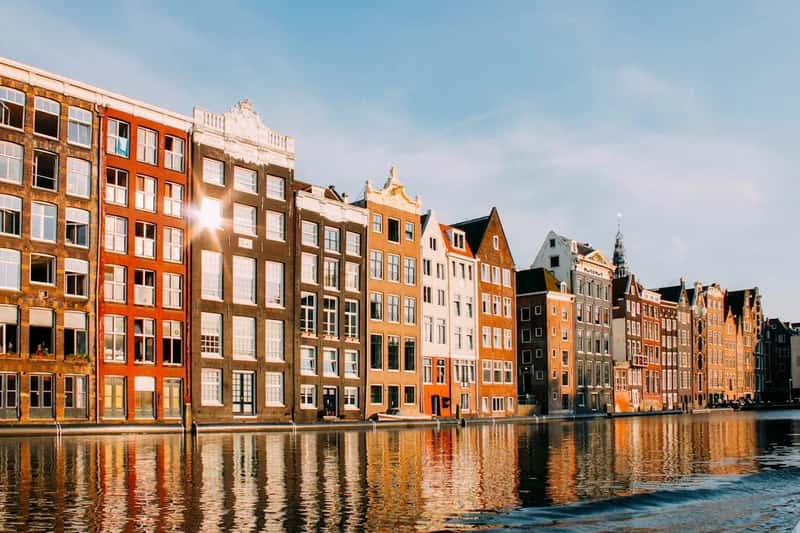
The Netherlands has topped the global rankings for English proficiency among non-native speakers for years running. According to the 2025 EF English Proficiency Index, the Netherlands has held the number one spot on the EF EPI for years, topping the ranking with a score of 624, placing it firmly in the “Very High” proficiency band. That kind of fluency isn’t limited to cities like Amsterdam either; it stretches into smaller towns, museums, and rural bike paths.
Dutch schools begin English instruction early, and the country’s television and media landscape rarely dubs English-language content, which keeps exposure constant from childhood onward. Visitors regularly report that train conductors, shopkeepers, and even elderly residents switch to near-perfect English the moment they hear a foreign accent. For anyone worried about the language barrier in Europe, the Netherlands is about as smooth a landing as it gets.
2. Croatia
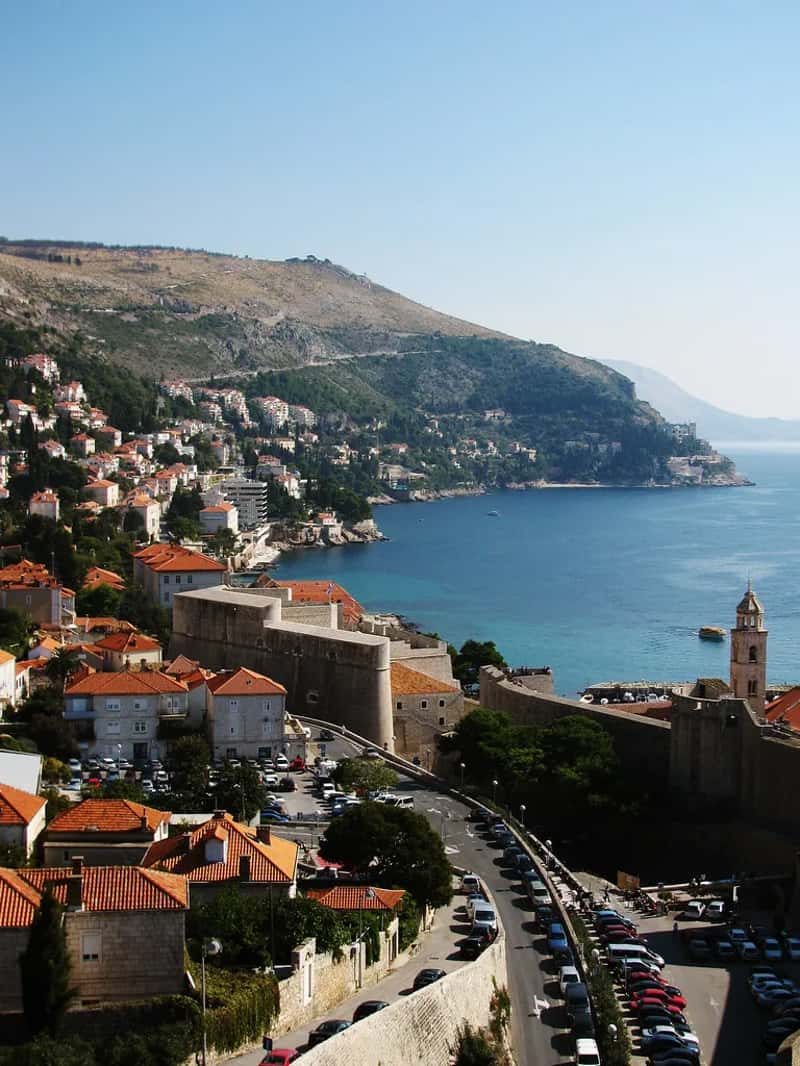
Croatia might not be the first country that comes to mind for English fluency, but it has quietly climbed the ranks. Recent index data shows the Netherlands remains number one, followed by Croatia and Austria, both of which improved their rankings in the most recent evaluation cycle. That puts Croatia solidly in the “Very High” proficiency band alongside far wealthier Western European nations.
Along the Dalmatian coast, where cruise ships and package tourists have poured in for decades, English has become the default language of hospitality. Younger Croatians in particular grew up with English-language cartoons, music, and social media, which shows in how naturally they switch languages with visitors. Inland cities like Zagreb are a bit more traditional, but tourist-facing businesses there still manage English comfortably.
3. Denmark
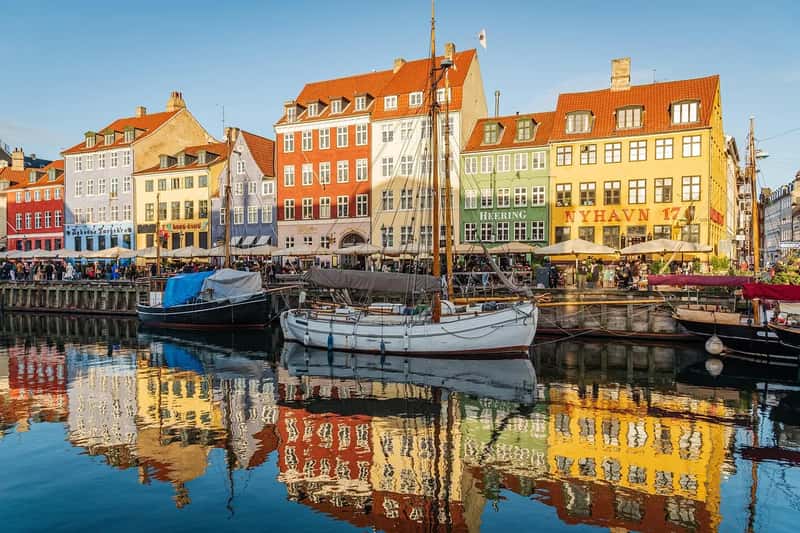
Denmark rounds out the upper tier of the world’s English proficiency rankings, and it has done so consistently. The 2025 EF EPI placed Denmark at position seven of 123 countries and regions with a score of 611, in the very high proficiency band. Danes tend to treat English less as a foreign language and more as a practical second tongue woven into work and school life.
Copenhagen’s transit system, museum placards, and restaurant menus are almost universally bilingual, sometimes skipping Danish altogether in tourist zones. Locals often apologize for their English even when it’s flawless, which says something about how ingrained the language has become in everyday communication. Travelers heading to smaller Danish towns will find the same holds true, just with a bit more small-town charm attached.
4. Sweden

Sweden has long been cited as one of the easiest non-English-speaking countries for English speakers to navigate. Reports note that despite not being the official language, English is widely spoken by Swedes, with around 90% of the population proficient in the language. That figure covers everyone from taxi drivers to pharmacists, not just workers in tourism.
Swedish television rarely dubs foreign programming, so most Swedes grow up hearing English constantly, which builds listening comprehension long before formal classroom instruction even starts. Stockholm’s public transport announcements, signage, and customer service are handled in English as a matter of course. Even in the far north, near the Arctic Circle, hostel staff and tour guides tend to speak English fluently enough that phrasebooks feel almost unnecessary.
5. Norway

Norway consistently lands among the world’s top five countries for English proficiency, and recent data confirms the trend continues. The 2025 index shows Norway ranked fifth globally with a score of 613, still within the very high proficiency band. Norwegians attribute much of this to an education system that introduces English early and reinforces it through media that rarely gets dubbed into Norwegian.
Oslo’s restaurants, ferries, and hotels operate with English as a near-default second language, and this extends well beyond the capital. Fjord tour operators, mountain lodge staff, and even rural bus drivers tend to handle English requests without missing a beat. For a country known for dramatic landscapes and remote hiking routes, that linguistic ease removes one major layer of travel stress.
6. Malta
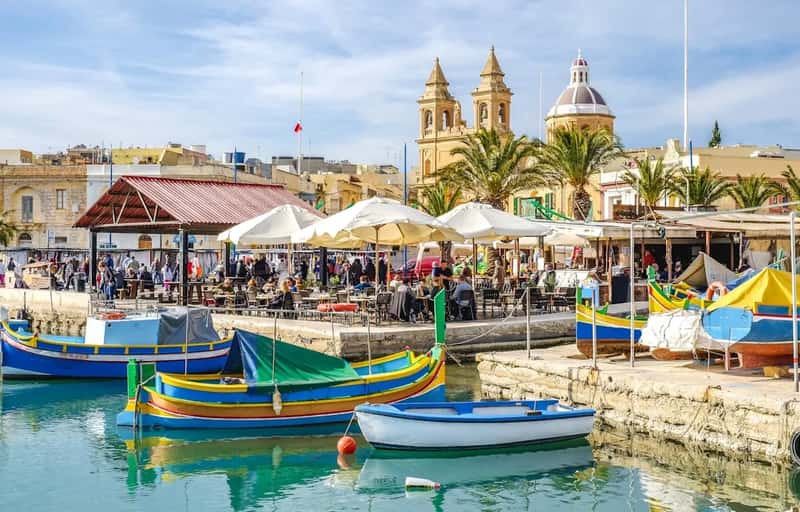
Malta stands apart on this list because English isn’t just widely spoken there, it’s constitutionally official. As one detailed guide puts it, English is an official language of Malta, co-equal with Maltese under the constitution, and in practice it is the language visitors will live their entire holiday in. Menus, bus timetables, museum labels, and hotel check-ins run in English by default.
The island’s history as a British colony until 1964 explains much of this, and government business is carried out in both languages, with secondary and tertiary education conducted exclusively in English. Roughly nine out of ten residents can speak the language, making Malta arguably the easiest Mediterranean destination for English-only travelers. Even village festas and local markets, while conducted in Maltese among residents, rarely leave visitors stranded.
7. Singapore
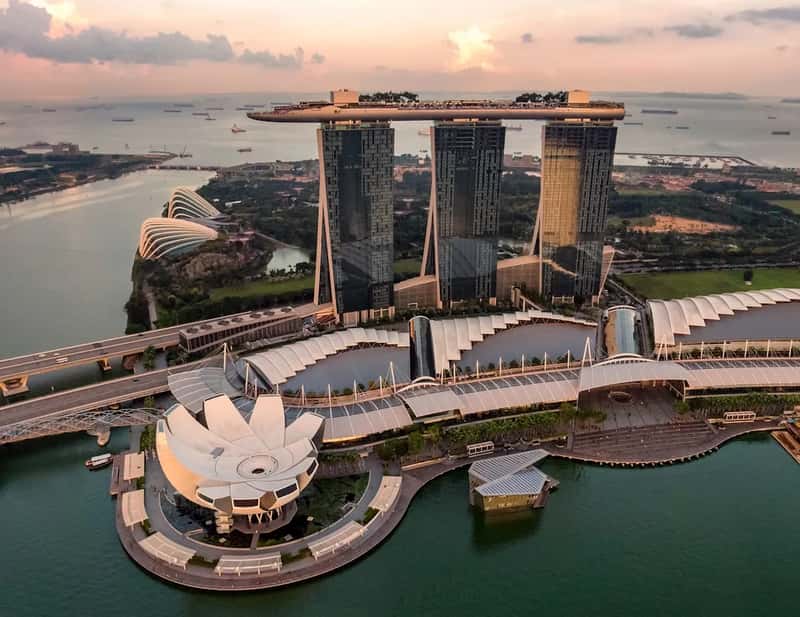
Singapore has become so thoroughly English-proficient that recent index methodology actually excludes it from proficiency rankings altogether. The reasoning is notable: Singapore, which had long ranked highly and was frequently the top performer in Asia in earlier editions, was excluded from the index since 2025 after being reclassified as a native English-speaking country. That reclassification alone speaks volumes about how deeply embedded English is in daily Singaporean life.
For visitors, this translates into effortless navigation. As English is the dominant one of Singapore’s four official languages, it is generally easier for tourists to understand when speaking to the local population, for example when shopping. Hawker centers, the MRT system, taxis, and shopping malls all operate smoothly in English, and government signage follows suit almost everywhere.
8. South Africa
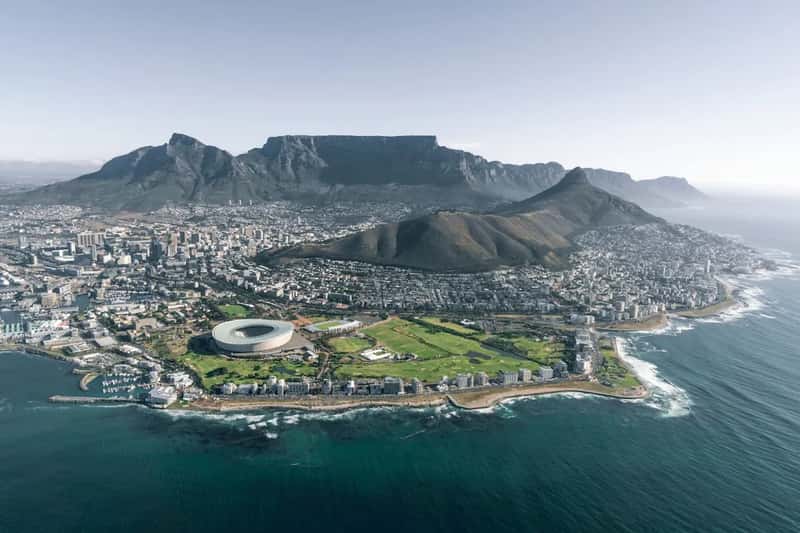
South Africa offers a rare combination for travelers: safari adventure, coastal cities, and English proficiency that rivals many European nations. The 2025 EF EPI data places South Africa tied for the top position in Africa, ranking 13th globally with a score of 602 in the Very High proficiency band. That puts it ahead of many countries where English is the sole official language.
South Africa recognizes eleven official languages, yet English functions as the practical lingua franca in business, tourism, and government. Cape Town’s restaurants, wildlife lodges, and wine estates cater almost exclusively in English, while Johannesburg’s business districts operate the same way. Even in rural areas near national parks, guides and lodge staff typically communicate comfortably in English alongside local languages.
9. United Arab Emirates (Dubai and Abu Dhabi)

The UAE presents an interesting case: Arabic is the official language, yet English functions as the everyday operating language for visitors. As multiple sources confirm, Arabic is the official language, but English is widely spoken and used in business, tourism, and daily communication throughout the country. This makes cities like Dubai and Abu Dhabi remarkably accessible for English-only travelers.
Roughly 85% of the population in Dubai speaks some level of English, according to local statistics data, a figure driven largely by the emirate’s enormous expatriate workforce. Hotel staff, mall employees, and tour operators overwhelmingly default to English, and public signage typically appears in both Arabic and English side by side. Even in more traditional neighborhoods, enough English filters through daily commerce that travelers rarely feel isolated.
10. The Philippines

The Philippines occupies a unique spot on this list because English isn’t just widely spoken, it’s one of the country’s official languages alongside Filipino, a legacy of American colonial administration in the early twentieth century. English is taught from primary school onward and used extensively in government, higher education, media, and business, making it a practical second language for the vast majority of Filipinos rather than a foreign import.
In tourist hubs like Manila, Cebu, and Boracay, English functions as the default language for hospitality, transportation, and retail, and it’s common to hear it used fluently even in smaller provincial towns. Filipino call centers and business process outsourcing industries have also reinforced English fluency nationwide, since that sector depends heavily on native-level communication skills. For travelers, this means everything from jeepney directions to resort bookings tends to happen in comfortable, conversational English.
What ties these ten places together isn’t a shared history or geography, it’s a practical relationship with English that goes far beyond tourist-brochure promises. Some, like Malta and the Philippines, built English into their constitutions and school systems generations ago. Others, like the Netherlands, Sweden, and Norway, simply absorbed it through media exposure and rigorous early education until it became a de facto second language for nearly everyone. Singapore’s case is perhaps the most striking, having grown so thoroughly English-fluent that it no longer even fits neatly into proficiency rankings built for non-native speakers.
None of this means learning a few local phrases isn’t worthwhile, since even small efforts tend to earn warm reactions from locals anywhere in the world. Still, if a language barrier is what’s holding you back from booking a trip, these ten destinations prove that English alone can carry you further than you might expect.