Not every trip to Greece needs to end with a foam party or a 3 a.m. taxi queue. For a lot of travelers, the appeal of the Greek islands has nothing to do with clubs or cocktail bars and everything to do with quiet coves, slow dinners, and the sound of cicadas instead of bass drops. The good news is that Greece has never been a one-size-fits-all destination, and some of its islands have quietly built reputations as places where the loudest thing you’ll hear after sunset is a taverna owner clearing tables.
These five islands were chosen because they consistently show up in travel research as calm, low-key alternatives to the well-known party circuit. Each one has its own personality, but they share the same basic ingredients: limited late-night infrastructure, smaller crowds, and a pace of life that rewards patience over spectacle.
Sifnos
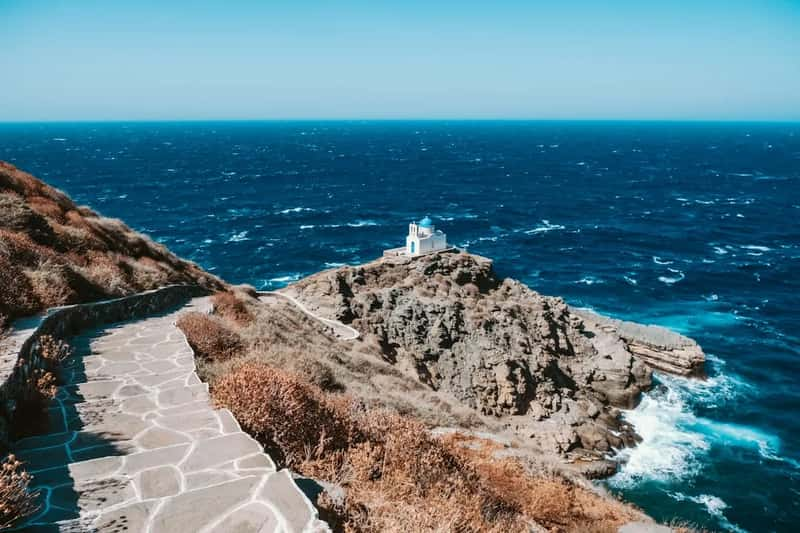
Sifnos sits in the western Cyclades and has become something of a favorite among travelers who want good food without the chaos that often comes with it. Sifnos has quietly become one of Greece’s best food destinations, and the crowds haven’t arrived yet, with walking trails connecting whitewashed villages and uncrowded beaches. Part of what keeps it grounded is practical rather than atmospheric.
There’s no airport on Sifnos, which already filters out a lot of traffic, and even though it’s in the Cyclades, it stays noticeably calmer than places like Santorini, Naxos, or Mykonos. For hikers, the island offers real range too, since Sifnos Trails is a network of 100 km of hiking routes around the island with scenic overlooks and stunning natural attractions along the way. If you want proof that quiet doesn’t mean boring, Sifnos is a solid place to start.
Folegandros
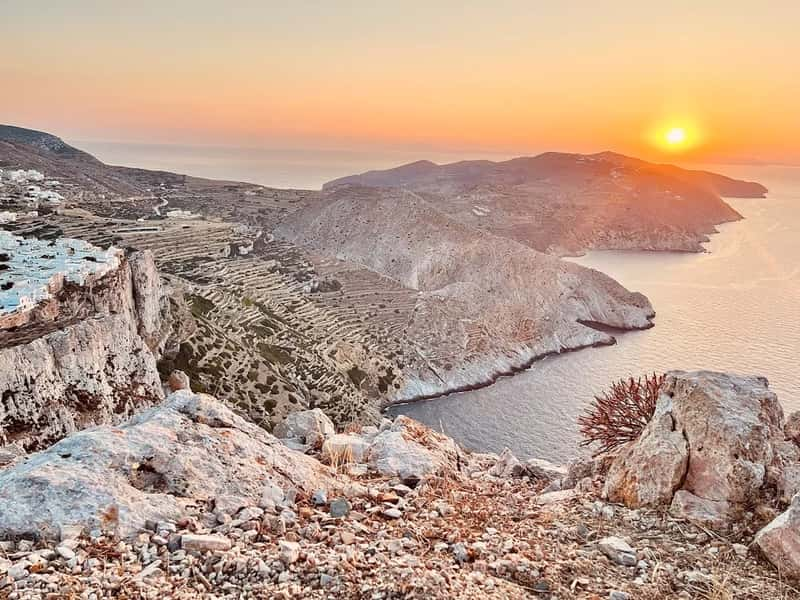
Folegandros sits between two of the biggest names in the Cyclades, Paros and Santorini, yet somehow avoided becoming a mirror of either one. The moment you arrive, you notice the silence, since the island has no cruise ships, no sprawling resorts, and no noisy nightlife, and its main village, Chora, clings to a cliff with narrow streets and white houses that shine in the sunlight. That combination of drama and restraint is rare.
The island rewards travelers who like walking more than dancing. Every corner of Chora seems to open onto another sea view, and the lack of large-scale development means the island has largely kept its original rhythm intact. If cliffside sunsets without a crowd sound appealing, this is one of the more reliable places to find them.
Astypalea
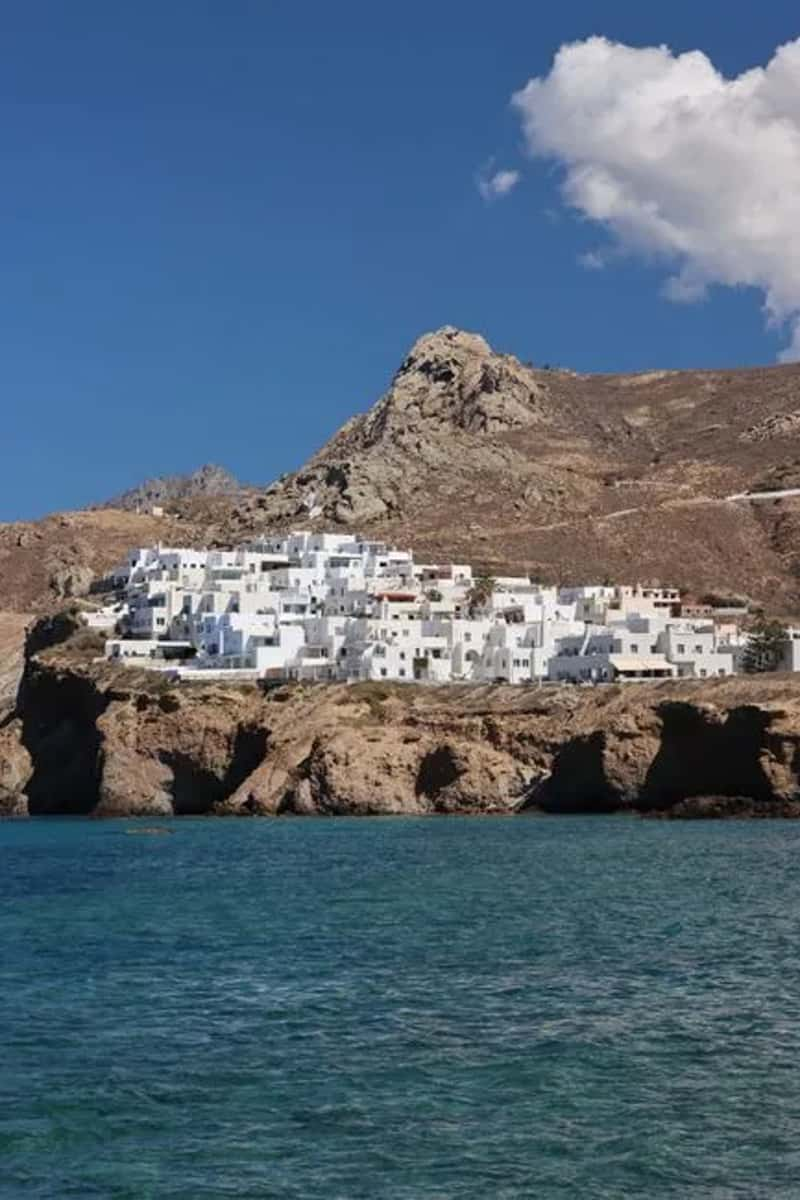
Astypalea sits on the edge of the Dodecanese, closer in spirit to the Cyclades than to its noisier regional neighbors like Kos or Rhodes. It’s a butterfly-shaped island with a compact Chora that feels made for slow evening walks rather than bar crawls. Travelers who arrive without firm expectations often end up staying longer than planned.
Visitors have described it as an island that deserves way more attention than it gets, the kind of place where you book four nights and start wondering if you should stay longer, precisely because nothing dramatic happens there. That’s not a knock on the island. It’s the entire point for anyone trying to escape the nightlife circuit without sacrificing beauty.
Paxos and Antipaxos
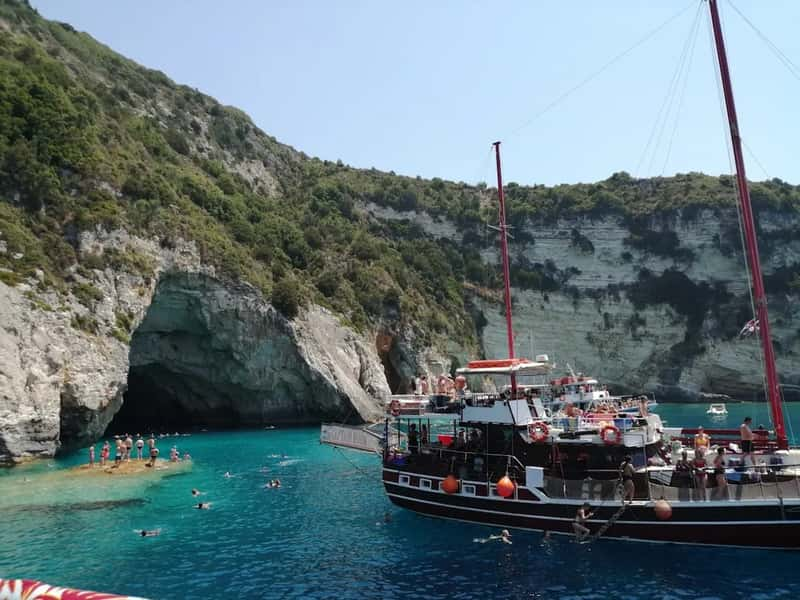
Paxos, along with its smaller sibling Antipaxos, sits in the Ionian Sea and offers a completely different flavor of quiet compared to the Cyclades. Development is limited, nightlife is minimal, and the vibe leans relaxed and natural rather than rowdy, with things feeling calm even in summer compared to nearby Corfu, which tends to attract louder crowds and heavier tourism. The water here does most of the talking.
Paxos and Antipaxos are known for some of the clearest, bluest swimming spots not only in Greece but in the entire world, and many of the best coves are only reachable by boat, which keeps them feeling untouched and uncrowded. Antipaxos in particular works best as a day trip, since it’s especially famous for its bright blue bays and shallow swimming areas, and most people visit it on a day trip by boat, which is honestly the best way to experience it. For travelers chasing turquoise water over dance floors, this pairing is hard to beat.
Ikaria
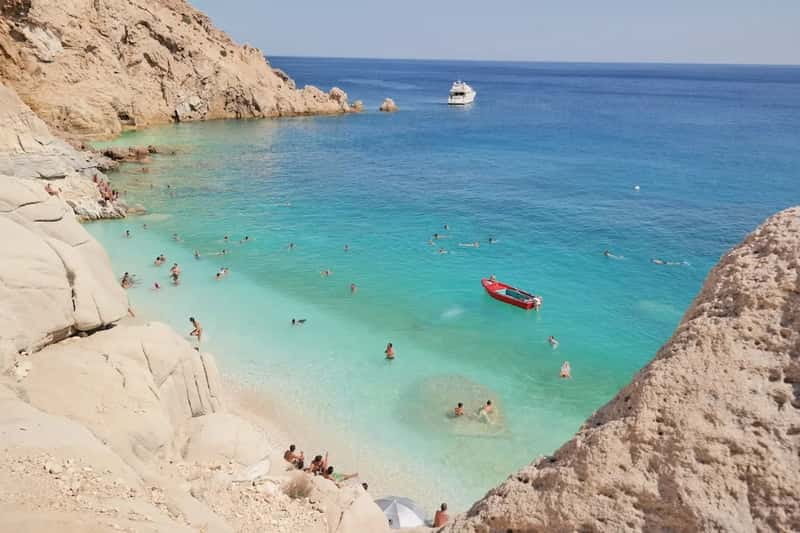
Ikaria has an unusual claim to fame that has nothing to do with beaches or nightlife. It’s known as the island that time forgot and is one of the six Blue Zones in the world, where inhabitants are known to live a particularly long life. That reputation has drawn a modest amount of extra attention, but it hasn’t turned the island into a resort destination.
Ikaria’s rugged terrain and traditional lifestyle keep the pace slow by design rather than accident. There are no strips of beach clubs or late-night venues competing for attention here, just quiet villages, mountain trails, and a culture built around longevity rather than spectacle. It’s an island that asks you to slow down simply because that’s how it has always operated, not because it’s trying to sell you a wellness retreat.