A growing number of American retirees are signing purchase agreements for homes they have never physically walked through. Instead of a plane ticket and a week of house hunting, the process now often starts and ends with a laptop, a real estate agent on speakerphone, and a live video call panning across a kitchen or a beachfront lot.
This shift is not a leftover pandemic habit. It has become a standard part of how many retirees shop for property abroad, especially in countries where agencies have built entire sales processes around drone footage, recorded walkthroughs, and remote closings. Here are five places where that pattern shows up most consistently.
Mexico: Familiar ground, fast decisions
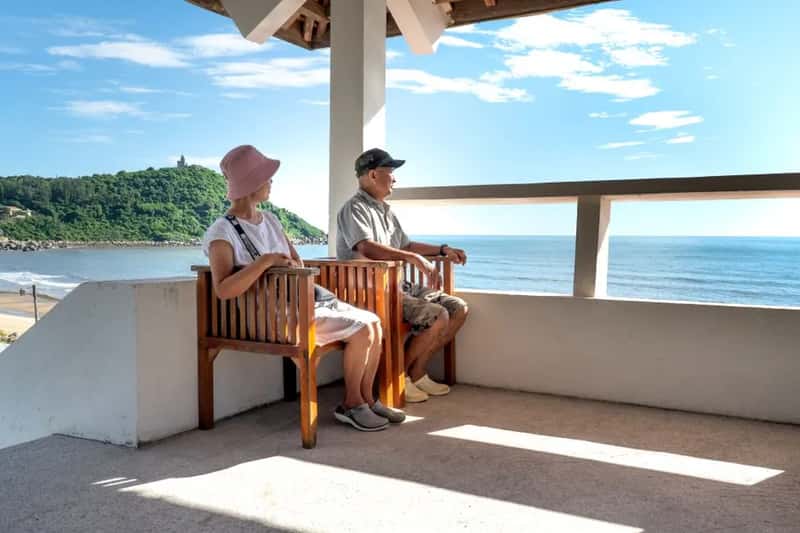
Mexico remains the default choice for many American retirees, largely because of geography and currency. Lake Chapala sits just three hours from the US, with low rents and strong expat networks, which makes it easy for buyers to feel confident even before they book a flight. Agents in these established expat corridors routinely handle inquiries from buyers who have only seen a property through photos and video calls, relying on the area’s long track record with American residents to fill in the gaps.
The legal structure also shapes how remote buying works here. The laws of Mexico prevent foreigners from purchasing properties less than 31 miles from the coast, and you cannot buy real estate within 62 miles of the international border, unless the purchase goes through a Mexican Corporation or a Mexican Land Trust. That trust arrangement, known locally as a fideicomiso, is often set up entirely through paperwork exchanged by email, which is part of why sight-unseen coastal purchases have become routine. On the residency side, though, the math has shifted. By 2025, new income requirements of $4,200 per month for temporary residency and $7,000 for permanent residency have made it unattainable for many relying solely on Social Security, so buyers now tend to be retirees with pensions or investment income beyond the standard benefit check.
Panama: The top-ranked retirement magnet
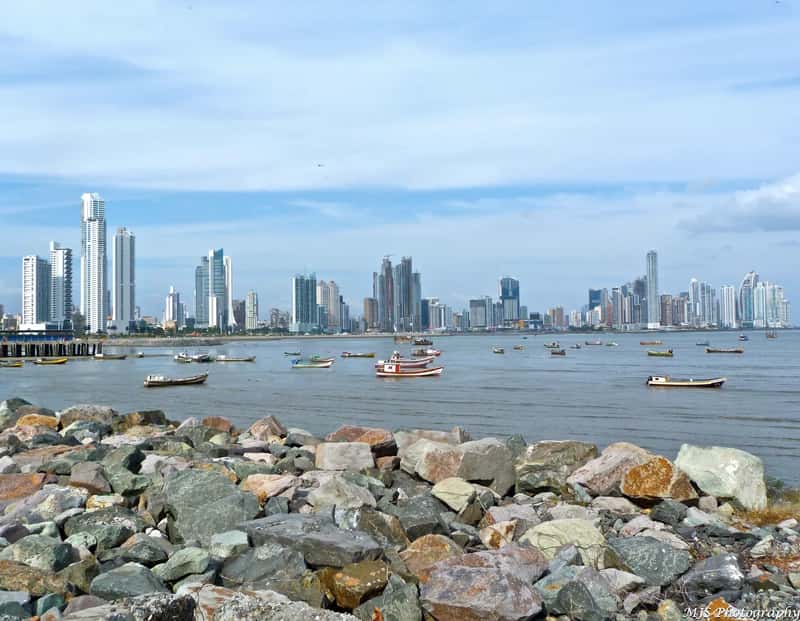
Panama has topped international retirement rankings in recent years, and that reputation alone drives a fair share of remote purchases. International Living’s Global Retirement Index named Panama the top spot, describing it as a safe, stable and wealthy country. Retirees who trust that ranking, combined with a favorable pensionado visa, are often willing to commit to a condo in Panama City or a mountain home in El Valle de Anton based on a virtual walkthrough alone.
The financial case reinforces that confidence. The monthly cost for a single person, not including rent, runs around $800 in Panama compared to roughly $1,166 in the US on average. Beyond the savings, Panama’s pensionado visa comes with perks like 25 percent discounts on electricity and restaurant bills, and up to 50 percent off cultural activities, which gives buyers a concrete set of numbers to weigh before they ever set foot on the property. That kind of documented, repeatable value proposition is exactly what makes remote decision making feel less risky.
Portugal: Sight-unseen purchases along the Algarve coast
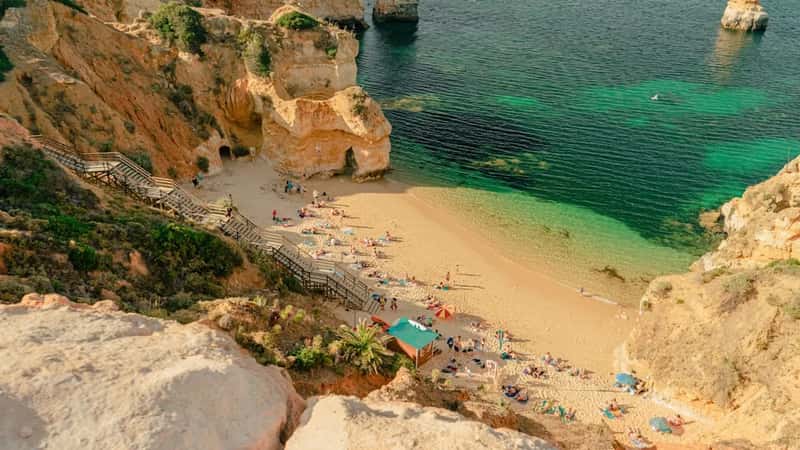
Portugal draws a different kind of remote buyer, often someone comparing European lifestyle against a lower cost base. Lisbon’s overall cost of living, including rent, runs roughly 30 to 50 percent lower than cities like New York or San Francisco, a gap wide enough that many buyers feel comfortable moving forward on a coastal apartment after a single video tour with an agent. The Algarve region in particular has become known for this pattern, with buyers locking in properties well before their first in-person visit.
Portugal’s visa framework helps explain why so many retirees commit early. Portugal offers the easiest retirement visa for US citizens, and to qualify for the D7 Retirement Visa applicants need a passive income of just 920 euros per month. On the cost side, the Algarve offers rents about 60 percent lower and groceries about 40 percent cheaper compared to US cities, numbers that agents frequently cite during remote consultations to reassure buyers who have not yet walked the neighborhood themselves. It is worth noting that real estate purchases no longer qualify for Portugal’s Golden Visa program, so most sight-unseen buyers here are motivated by lifestyle and the D7 pathway rather than investment migration.
Costa Rica: Guanacaste’s remote buyer boom

Costa Rica’s Pacific coast, especially the Guanacaste province, has turned into something of a proving ground for remote condo purchases. Luxury condos in Guanacaste start at just $150,000, a price point low enough that many American buyers treat the purchase almost like a lower-stakes bet, backed by video tours and developer renderings rather than a personal site visit. Towns like Tamarindo and Jaco have entire sales operations built around this remote buying pattern, with agencies producing polished virtual walkthroughs specifically for overseas clients.
The appeal goes beyond price. Costa Rica offers a strong healthcare system, easy access to international flights, and infrastructure that makes travel within the country easy, which gives remote buyers confidence that the practical side of life will hold up even if they have not scouted it in person. That popularity has a downside, though. The growth of the international retiree market has accelerated gentrification in areas like Guanacaste, raising the cost of services and land for local residents, a tension that researchers in the region have flagged as the sight-unseen buying trend keeps accelerating.
Dominican Republic: Virtual tours as standard practice
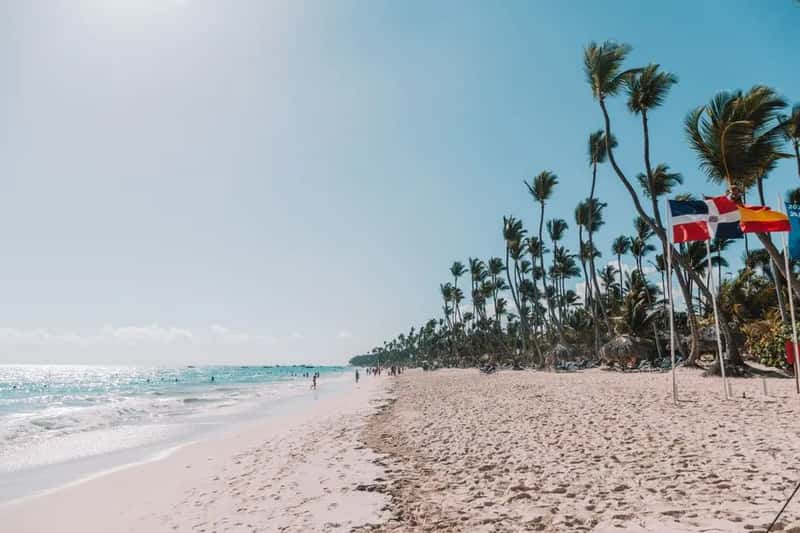
Few countries have built remote buying into their sales process as openly as the Dominican Republic. Agencies working the north coast market routinely field the same question from prospective buyers, and the answer is consistently yes. Common buyer question aside, agencies offer virtual tours, drone videos, and detailed listings for Cabarete real estate and Punta Cana condos, treating remote viewing as a normal first step rather than a workaround.
Pricing here spans a wide range, which helps explain why so many retirees are comfortable buying without an in-person visit. Punta Cana real estate includes condos for sale from $150,000 up to luxury villas priced near $2.3 million, while Cabarete beachfront villas start from $150,000, with condos beginning around $99,000 in communities like Perla Marina and Sea Horse Ranch. Ownership protections add another layer of confidence for remote buyers. Unlike Mexico or other parts of the Caribbean, the Dominican Republic’s title system allows buyers to own their properties outright without restrictions, removing one of the legal complications that often makes distant buyers hesitant elsewhere.