Most travelers know the sting of a tourist trap, that awkward moment when a price feels inflated just because you don’t speak the local language fluently. What’s less understood is that in a handful of countries, this isn’t a scam or a shady vendor cutting corners. It’s written into national policy, printed on official government price lists, and enforced at ticket counters, land registries, and tax offices.
These aren’t back-alley markups. They’re legally codified pricing structures that treat foreign residents and visitors differently from citizens, sometimes by a factor of ten or more. Here’s a look at six countries where paying more simply for not holding the right passport is not just common, it’s the law.
Singapore: a stamp duty built to keep foreigners out of the housing market
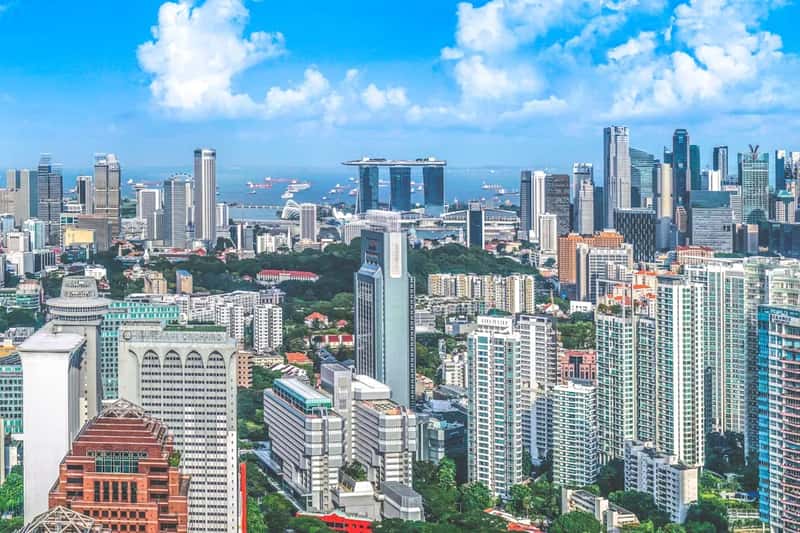
Singapore’s Additional Buyer’s Stamp Duty, known locally as ABSD, is perhaps the starkest example of legally sanctioned dual pricing anywhere in the world. The ABSD for foreigners buying any residential property was raised from 30% to 60%, meaning any residential property purchased by a foreigner is subject to a flat 60% ABSD, regardless of whether it is the first property.[1] That’s on top of the standard Buyer’s Stamp Duty every purchaser pays, foreign or local.
To put that in real terms, a foreign buyer purchasing a one million dollar condominium will pay six hundred thousand dollars in ABSD[1] alone. Singaporean citizens, by contrast, pay nothing extra on their first home and only a fraction of that rate on subsequent properties. For foreigners buying any home, the tax rate doubled to 60 per cent from 30 per cent[2] in the 2023 revision, and the government has been explicit that the goal is to protect affordability for residents rather than punish outsiders for its own sake.
India: heritage sites with a price tag tied to your passport
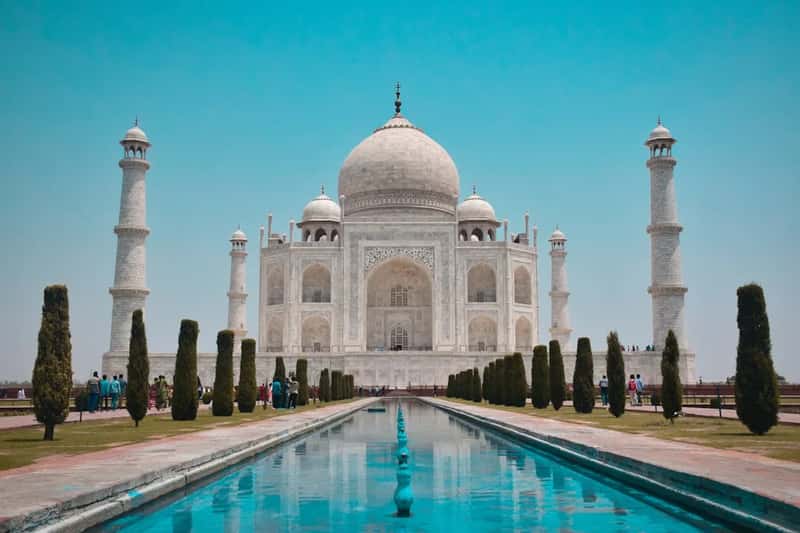
Visit the Taj Mahal and you’ll notice something almost immediately: separate queues, separate signage, and separate prices depending on nationality. The official Taj Mahal entrance fee is 250 rupees for Indian citizens, 740 rupees for SAARC and BIMSTEC citizens, and 1,300 rupees for foreign tourists.[3] That’s roughly a five-fold difference between what a local pays and what a visiting expat or tourist hands over at the gate.
This isn’t limited to one monument. Dual pricing is standard practice across India’s Archaeological Survey of India sites, and it applies whether you’re a tourist passing through or an expat who has lived in the country for years without citizenship. At security, Indian citizens and foreign visitors form separate queues, mainly for processing visas and ID checks, though foreigners do receive a few perks not given to Indian ticket holders, like shoe covers and a bottle of water.[4] The pricing gap is framed as a way to keep heritage accessible to citizens while still generating revenue from international visitors.
Bhutan: a nightly government fee that separates neighbors from everyone else

Bhutan runs one of the most tightly controlled tourism economies on earth, and its Sustainable Development Fee is a textbook case of legally mandated dual pricing. The SDF is currently 100 US dollars per person per night for all visitors except those from India, who presently pay 1200 Indian rupees per person per night.[5] That means a foreign expat living or traveling in the region pays roughly six or seven times more per night than a neighboring Indian national for the exact same right to be in the country.
The fee isn’t a private tourism markup, it’s a constitutional matter. The funds collected through the Sustainable Development Fee are deposited into Bhutan’s Consolidated Account, as mandated by Article 14 of the country’s constitution.[6] These funds support free healthcare and education for Bhutanese citizens, environmental conservation, cultural preservation, and infrastructure upgrades,[6] which explains why the government treats the fee as untouchable and non-negotiable, even for long-term foreign residents.
Switzerland: property law that quietly locks most foreigners out
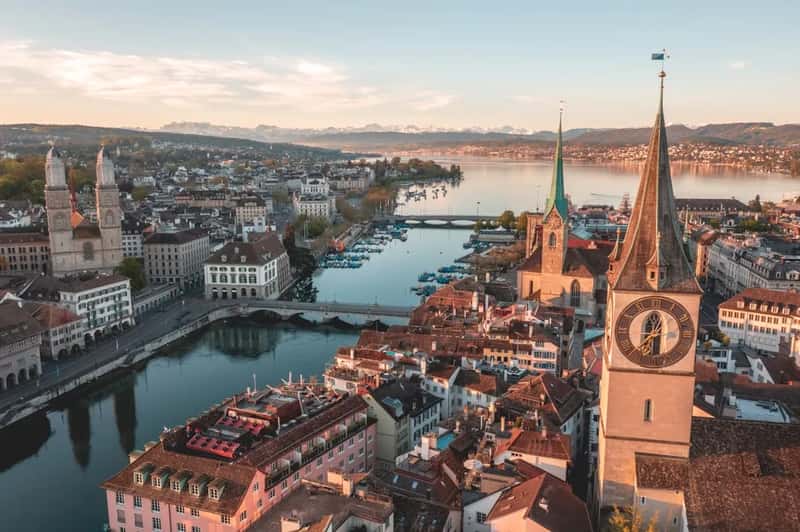
Switzerland doesn’t charge foreigners a higher sticker price for real estate in the way Singapore does, but its Lex Koller law achieves a similar effect through restriction rather than taxation. The Lex Koller law has restricted foreign property ownership since 1983, with the purpose of preventing foreign speculation from driving up Swiss property prices.[7] For an expat without the right residence permit, buying a home in most of the country simply isn’t an option, regardless of budget.
Even those who qualify face narrow lanes. Foreigners without residence may only buy holiday homes in tourist zones, capped at around 1,500 permits per year nationwide.[8] Purchases in those zones are limited to a maximum of 200 square meters of net living space and 1,000 square meters of plot area,[8] a ceiling that doesn’t apply to Swiss citizens or long-term settled residents. The practical result is a housing market where two people with identical bank balances face entirely different rules depending on their passport.
Egypt: antiquities priced for tourists, not for locals

Egypt’s museums and ancient sites have long operated on a two-tier pricing model, where Egyptian citizens pay a modest fee in local currency while foreign visitors, including long-term expats, pay a separate and considerably higher rate set by the Ministry of Tourism and Antiquities. The pricing gap at places like the Pyramids of Giza, the Egyptian Museum, and the Valley of the Kings has historically run into multiples rather than small percentage differences. Unlike a tourist scam, this structure is published, government-set, and applied uniformly at every ticket window across the country.
The rationale echoes what other nations on this list state openly: heritage preservation and site maintenance are expensive, and authorities argue that foreign visitors, who often have significantly higher spending power relative to local wages, should shoulder more of that cost. For an expat who has relocated to Cairo or Luxor and visits these sites regularly, the higher foreigner rate applies regardless of how long they’ve lived in the country or how integrated they are locally. Citizenship, not residency, is what determines which price applies.
Malaysia: a legal price floor that only applies to foreign buyers
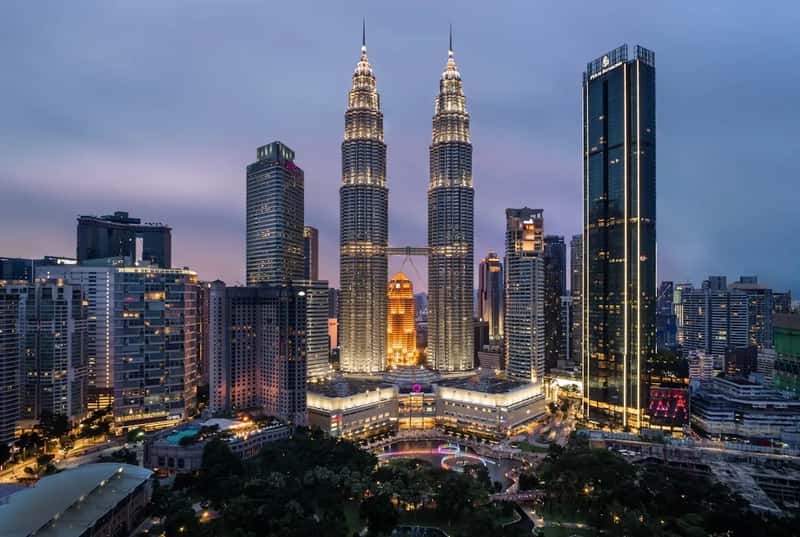
Malaysia takes a different approach to dual pricing, one built around minimum thresholds rather than surcharges. Foreign nationals looking to buy residential property must meet a minimum purchase price set by each state government, a threshold that simply does not exist for Malaysian citizens buying the same type of property. In practice, this means a foreigner and a local can walk into the same market, but the foreigner is legally barred from buying anything below a certain price point, effectively forcing them into a more expensive segment of the market by law.
These minimums vary considerably from state to state, with some regions setting far higher floors than others depending on local housing policy and demand. The stated goal, similar to Singapore’s approach, is to prevent foreign capital from squeezing out first-time local buyers in the affordable housing segment. For expats settling in Malaysia long-term, this rule shapes where they can realistically buy long before they ever start comparing individual listings.
What these systems have in common

None of the six countries above are hiding their dual pricing behind fine print or loopholes. Each system is published, government-administered, and defended publicly as a tool for protecting citizens, funding public services, or managing scarce resources like housing and heritage sites. Whether it’s a stamp duty in Singapore, a nightly fee in Bhutan, or a museum ticket in Cairo, the through-line is the same: nationality, not need or income, determines the price.
For expats and long-term foreign residents, the practical lesson is straightforward. Citizenship status can shape daily costs in ways that have nothing to do with negotiation skill or local knowledge, and in these six countries, that reality is written directly into law rather than left to chance.