Age has always shaped how the public sees political leadership, but the last few years have quietly rewritten the expectations around who gets to run a country. While the loudest headlines still tend to focus on leaders in their seventies and eighties, a smaller and less discussed group of men and women in their thirties are already sitting behind the desks that matter most. Some arrived through elections, others through upheaval, and together they offer a useful snapshot of where global politics is heading.
Balen Shah, Prime Minister of Nepal
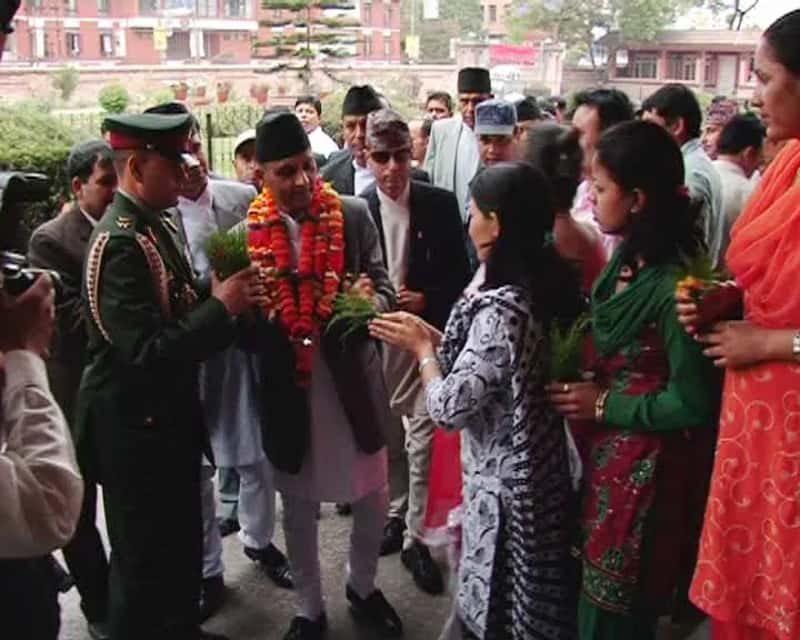
Balen Shah is, as of mid-2026, the youngest head of government anywhere in the world. As of 2026, the prime minister is only 36 years old, and he was born in 1990 in the Nepalese capital of Kathmandu. Before entering national politics, he had built a public profile as an independent mayor of Kathmandu, which gave him name recognition well beyond typical party structures.
His rise to the premiership was tied directly to unrest rather than a routine election cycle. He has only been in power since taking over the position in March 2026 after previously serving as the mayor of Kathmandu, with his election part of a youth revolt that began in 2025, as protests against the government by young Nepalese gave him a boost. That backstory makes him not just the youngest leader on this list, but also one of the newest to the job.
Kristrún Frostadóttir, Prime Minister of Iceland
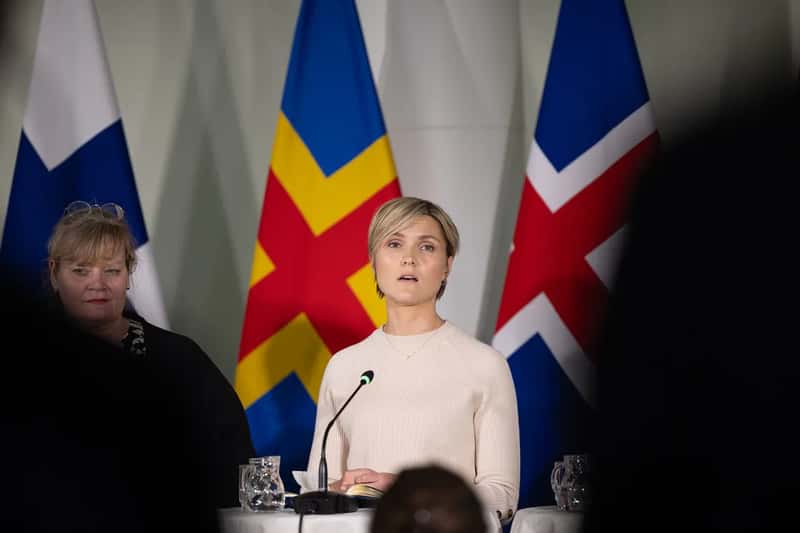
Iceland’s prime minister is an economist by training, which shapes much of how she talks about governing. Kristrún Mjöll Frostadóttir, born 12 May 1988, is an Icelandic politician and economist who has served as prime minister of Iceland since December 2024, and is the current leader of the Social Democratic Alliance. Before politics, she worked in banking and international finance, including a stint analyzing markets in New York and London.
Her path to the top job followed a fairly conventional route through parliament rather than a dramatic upheaval. She has chaired the Social Democratic Alliance since 2022, and a year earlier, in 2021, she entered Icelandic politics after being elected to the Althingi, Iceland’s parliament, for the Reykjavik South constituency. She now leads a coalition government, a common arrangement in Icelandic politics given the country’s multiparty system.
Ibrahim Traoré, President of Burkina Faso
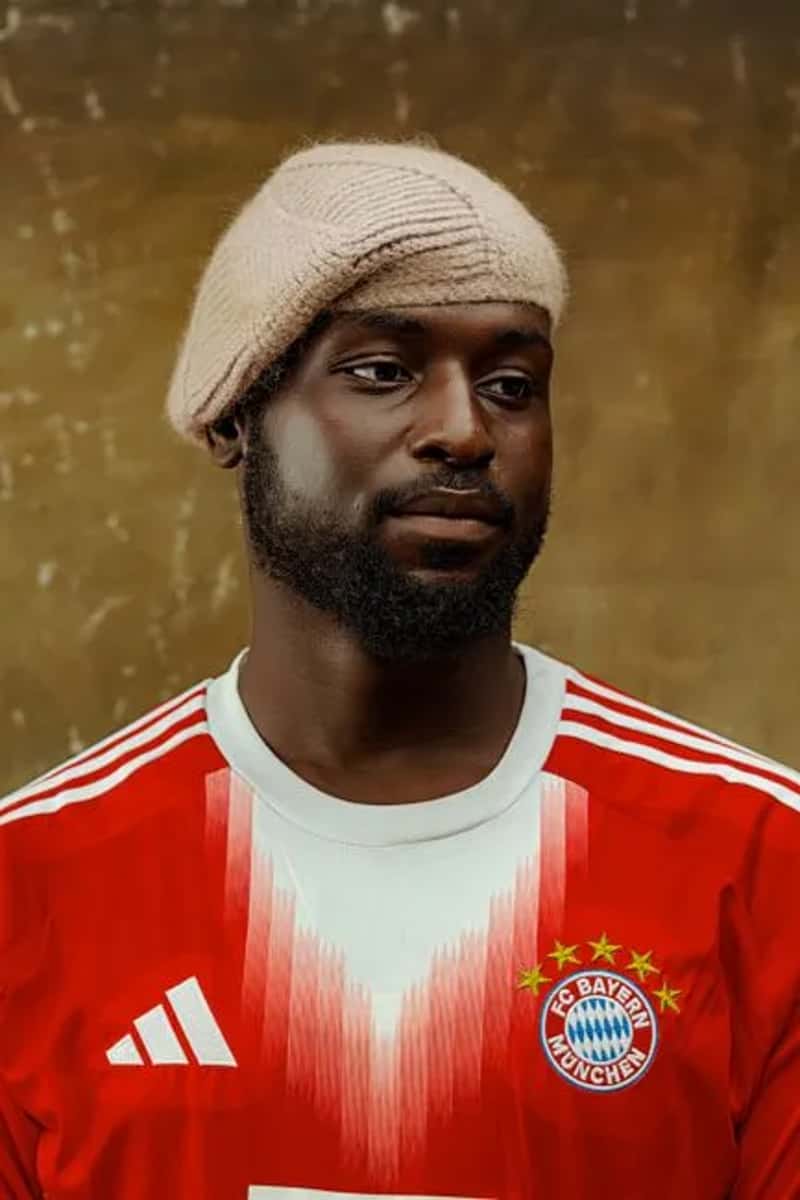
Traoré’s story is markedly different from the two leaders above him, rooted in military transition rather than the ballot box. Ibrahim Traoré, born 14 March 1988, came to power in Burkina Faso following a coup d’état in 2022. He was a relatively obscure army captain before that moment, which made his sudden rise to the presidency all the more notable across the region.
His hold on power has not gone unchallenged since he took office. Following the coup, in which interim president Paul-Henri Sandaogo Damiba was ousted, Traoré was selected to lead the Patriotic Movement for Safeguard and Restoration and run the country, and in 2023 he survived an attempt to overthrow him by dissidents in the country’s armed forces, which resulted in the government extending his presidency by five years. That extension means he is expected to remain in the role well beyond a typical transitional period.
Daniel Noboa, President of Ecuador
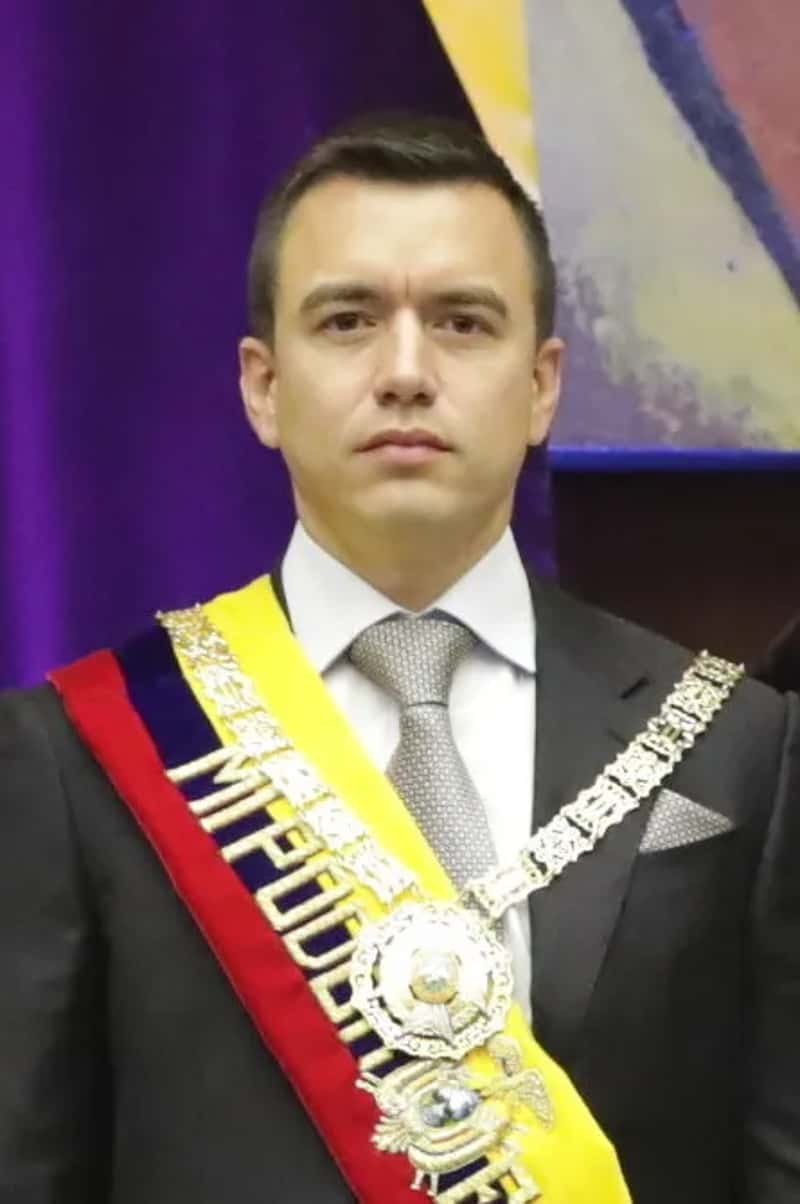
Noboa’s background sets him apart from most of his peers on this list, coming from a wealthy business family rather than a career in party politics. Daniel Roy Gilchrist Noboa Azín, born 30 November 1987, is an Ecuadorian politician and businessman serving as the 48th and current president of Ecuador since 2023, and having first taken office at the age of 35, he is the second-youngest president in the country’s history and the youngest to be elected. His family’s banana export business gave him financial independence long before he entered politics.
What is notable about Noboa is that voters have already had a chance to judge his first term and chose to extend it. He was re-elected to a full four-year term in the runoff of the 2025 presidential election, defeating González again with an improved margin. His time in office has focused heavily on public safety and economic stabilization, issues that dominated Ecuadorian politics well before he took charge.
Milojko Spajić, Prime Minister of Montenegro
Montenegro offers a genuinely unusual case among small European states, since both its prime minister and its president are unusually young. Spajić was born on 24 September 1987 in Pljevlja, in what was then SR Montenegro, SFR Yugoslavia. He built his early career in economics before moving into frontline politics, a pattern shared by several leaders on this list.
His current standing among the world’s youngest leaders is well documented in recent tracking. As of 2026, he is the fifth youngest serving state leader in the world, after Ibrahim Traoré of Burkina Faso, Daniel Noboa of Ecuador, Kristrún Frostadóttir of Iceland and Balen Shah of Nepal. That places him just behind the four leaders already covered here, rounding out a tightly bunched group all born within roughly three years of each other.
Jakov Milatović, President of Montenegro
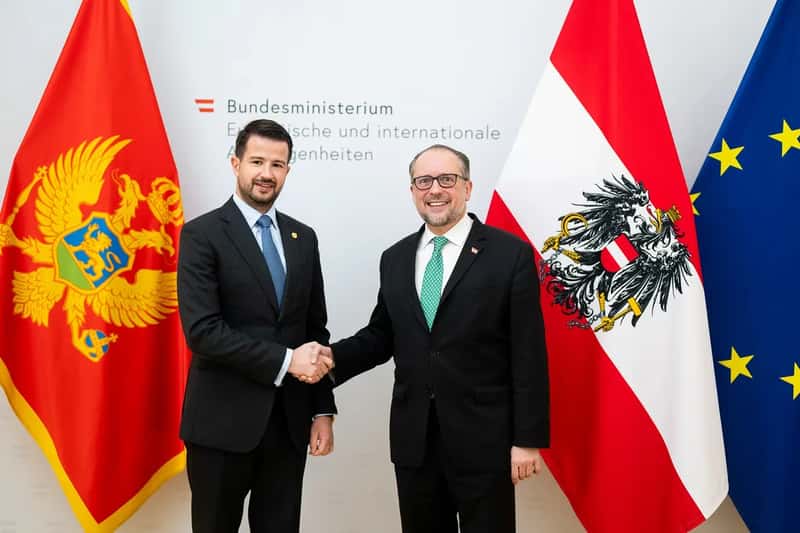
Montenegro’s head of state is, remarkably, close in age to his own prime minister, giving the small Balkan nation a rare double claim to youthful leadership. Jakov Milatović was born 7 December 1986 and has served as the incumbent president of Montenegro since May 2023. Like Spajić, his professional roots are in economics rather than traditional party organizing.
His career path ran through both government service and international finance before he reached the presidency. He worked as an economist at the European Bank for Reconstruction and Development and is the youngest person to be president of independent Montenegro. He was elected in 2023 at 36 years old, and his administration has since focused on economic reform and Montenegro’s path toward European Union membership.
A generational shift, not a one-off trend

Taken together, these six leaders point to something broader than individual biography. Roughly two of them reached office through elections shaped by economic frustration, two through political upheaval, and two through a small country where youthful leadership has become almost normalized at multiple levels of government. None of this guarantees a particular style of governance, since age alone rarely predicts policy, but it does suggest that the traditional image of a head of state as someone in their sixties or older is no longer the default anywhere. Whether this pattern continues or proves to be a temporary cluster tied to specific political moments in Nepal, the Sahel, Iceland, Ecuador, and Montenegro is something only the next few election cycles will clarify.