Getting into some countries used to mean paperwork, embassy visits, and a fair bit of waiting. That is changing quickly in several corners of the globe, where governments have decided that a smoother welcome for American passport holders is worth the effort. From Central Asia to the Gulf, a handful of destinations have quietly rolled out changes that cut down on friction at the border.
Some of these shifts are brand new for 2026, while others have been building momentum since 2024. Either way, they add up to a noticeably lighter travel burden for US citizens heading to these places right now.
Uzbekistan drops the visa requirement entirely

Uzbekistan has made one of the more dramatic changes on this list. Uzbekistan is aggressively pushing for more tourism this year, with visa-free access for U.S. citizens taking effect on January 1, 2026. That means American travelers no longer need to submit paperwork or pay a fee before their trip.
Travelers can now visit for up to 30 days for either tourism or business without needing a visa, making exploring Central Asia significantly easier and much cheaper. For a country known for Silk Road cities like Samarkand and Bukhara, this removes what used to be a genuine planning hurdle for curious travelers.
Sri Lanka keeps its free entry program running

Sri Lanka has chosen consistency over complication. The country is keeping the doors wide open for tourists by extending its free ETA program, allowing Americans to continue enjoying visa-free entry for stays of up to 30 days. That is a meaningful decision at a time when many governments are adding steps rather than removing them.
This makes planning a trip to the island completely frictionless and saves travelers the hassle of dealing with embassy forms or online fees. For anyone drawn to Sri Lanka’s beaches, tea country, and ancient temples, the entry process is about as simple as it gets.
South Korea pauses its electronic authorization

South Korea had introduced a K-ETA system in recent years, but that requirement has been put on hold. The K-ETA suspension is set to run through 2026, effectively making entry visa-free again for US citizens. That is a welcome reversal for travelers who had grown used to an extra digital step before boarding a flight to Seoul.
The change reflects a broader pattern of governments testing electronic authorization systems, then loosening them when the added friction outweighs the benefits. For now, Americans can plan Korea trips the way they used to, with just a passport in hand.
Thailand extends its visa-free stay window

Thailand made a notable adjustment that has stuck around since 2024 and continues into 2026. Thailand extended its visa-free stays from 30 to 60 days, making it one of the most accessible countries in Asia. That extra month matters for travelers who want to slow down rather than rush through a checklist of temples and beaches.
Thailand gives Americans 60 days visa-free on arrival as of 2024. It is a policy that has held steady long enough to become a dependable planning point for longer backpacking trips or extended work-from-abroad stints.
Equatorial Guinea moves its entire process online

Equatorial Guinea is not a typical name on most travel lists, but it has made a genuine effort to simplify entry. The country is moving its entire entry process online to streamline the border, so Americans are now required to use its new e-Visa system instead of dealing with confusing embassy requirements or paper visas. That shift removes a lot of the guesswork that used to surround travel there.
As an American citizen, there is no need to apply or pay for the electronic travel authorization for the rest of the year, so travelers can simply book a flight, pack their bags, and use their passport to enter with zero extra paperwork. For a destination that rarely gets much attention, this is a surprisingly traveler-friendly move.
China simplifies its visa application platform
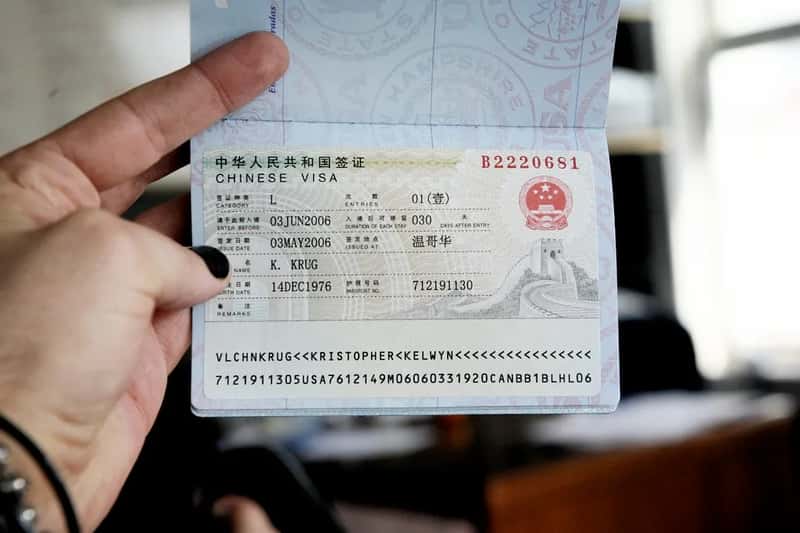
China has spent the past year working to make its visa system less intimidating for foreign visitors. The China COVA Platform, launched in September 2025, replaced the old paper system with a simplified online visa application, and the 240-hour transit visa-free policy has been expanded. That gives travelers a genuine online path instead of relying on paper forms and in-person embassy visits.
The transit-free expansion is particularly useful for anyone connecting through Chinese hubs on the way to other parts of Asia. It effectively turns a layover into a mini city visit without the usual visa paperwork attached.
Saudi Arabia streamlines its online visa system

Saudi Arabia has spent recent years opening up to tourism, and its visa process reflects that shift. Saudi Arabia has moved to an eVisa system for tourism, which is relatively straightforward to apply for online. That is a significant change from the country’s historically closed approach to leisure travelers.
American travelers can now apply from home without navigating an unfamiliar embassy process, which has made destinations like Riyadh, AlUla, and the Red Sea coast far more approachable. The country is clearly positioning itself as a more accessible stop on Middle East itineraries.
Qatar reinforces its visa-free relationship with the US
Qatar’s travel relationship with the United States has grown closer in recent years, partly through reciprocal arrangements. Qatar joined the US Visa Waiver Program in 2025 as the first Gulf nation admitted to the program. Reciprocity is central to how these programs work, since participating countries must allow similar visa-free access for American travelers in return.
Reciprocity: VWP countries allow U.S. citizens visa-free entry, mirroring the U.S.’s policy for their citizens. That arrangement gives American travelers a straightforward path into Qatar, a country increasingly used as both a destination and a convenient stopover hub for onward trips across the Gulf and beyond.
What this means for travel planning going forward

Taken together, these eight changes show a clear pattern of countries competing for tourism dollars by removing barriers rather than adding them. While Europe moves toward mandatory ETIAS authorization and the UK enforces its own ETA, other regions are moving in the opposite direction to attract more American visitors.
Travelers heading to any of these destinations should still confirm current requirements before departure, since policies can shift with little notice. For now, though, Uzbekistan, Sri Lanka, South Korea, Thailand, Equatorial Guinea, China, Saudi Arabia, and Qatar all stand out as places where the path across the border has gotten noticeably smoother for US passport holders.