Traveling without speaking a word of the local language used to mean a lot of pointing at menus and hoping for the best. These days, though, a surprising number of destinations make that worry almost unnecessary. From Scandinavian capitals to Mediterranean islands, English has quietly become the default second language in places where you might not expect it.
Below are eight countries where visitors regularly report that English gets them through hotels, restaurants, transit systems, and even casual chats with locals, no phrasebook required. The rankings and figures cited here draw on the latest EF English Proficiency Index and other current sources, so this list reflects the situation as of 2025 and 2026 rather than outdated assumptions.
1. Netherlands

The Dutch have topped the global English proficiency charts for years running, and 2025 was no exception. The Netherlands has held the number one spot on the EF EPI for years, topping the ranking with a score of 624, placing it firmly in the “Very High” proficiency band. That’s not a fluke tied to one good testing year; it reflects decades of English-language media consumption, early classroom instruction, and a culture that simply expects fluency.
Walk into any café in Amsterdam, Rotterdam, or even smaller towns like Maastricht, and staff will typically switch to English the moment they hear an accent. Museum placards, train announcements, and government websites are almost always available in English too. It’s genuinely one of the easiest countries in continental Europe for a monolingual English speaker to navigate without friction.
2. Singapore

Singapore occupies an unusual spot on this list because it’s arguably not even a “second language” situation anymore. Singapore, which had long ranked highly and was frequently the top performer in Asia in earlier English proficiency editions, was excluded from the index since 2025 after being re-classified as a native English-speaking country. That reclassification says a lot: English functions as a working language across government, business, and daily street life.
Hawker centers, taxi drivers, shopping malls, and public transit signage all operate comfortably in English, even though Mandarin, Malay, and Tamil are also official languages. For tourists arriving from the West, Singapore often feels less like a foreign-language destination and more like a culturally distinct but linguistically familiar stopover in Southeast Asia.
3. Denmark
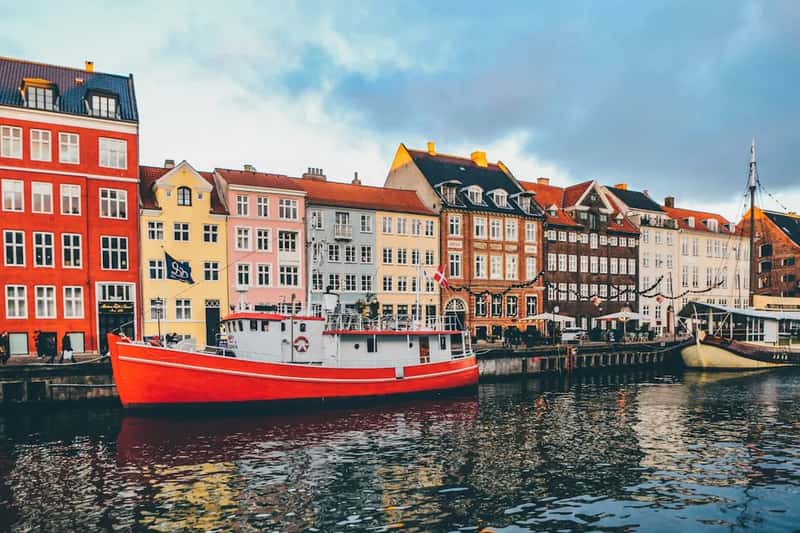
Denmark consistently lands near the top of global proficiency rankings, and its most recent showing kept that streak alive. Denmark scored 611 in the 2025 EF English Proficiency Index, placing it in the “Very high proficiency” band alongside a small cluster of northern European nations. Danish schools begin English instruction early, and much of the country’s television and streaming content stays in its original English audio with subtitles rather than dubbing.
That subtitling habit, common across Scandinavia, is often cited as one reason locals pick up such natural, conversational English rather than the stiffer textbook version. Visitors to Copenhagen or smaller cities like Aarhus rarely struggle to order food, book accommodations, or ask for directions in English, and many Danes seem to enjoy the chance to practice.
4. Sweden
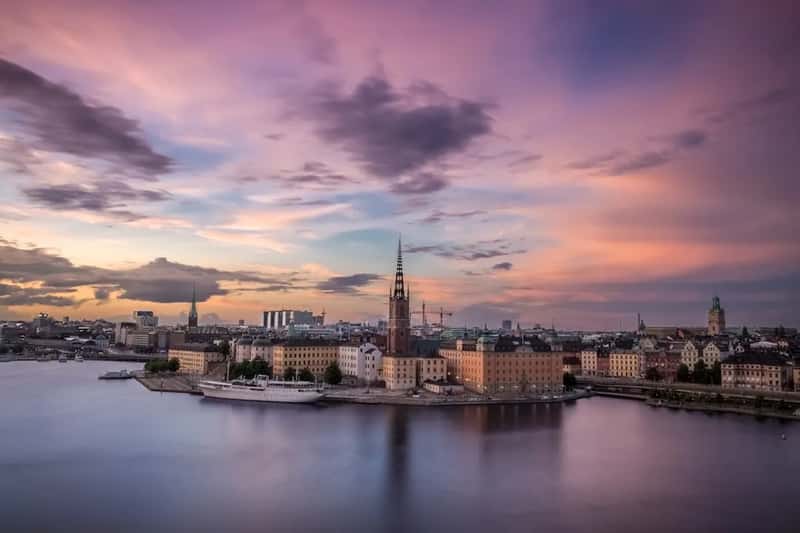
Sweden sits just a notch below Denmark but remains solidly in the top tier worldwide. Sweden scored 609 in the latest EF English Proficiency Index, keeping it in the “Very high proficiency” category alongside its Nordic neighbors. Swedish universities also offer a large number of programs taught entirely in English, which has helped normalize the language well beyond tourist zones.
In Stockholm, Gothenburg, or Malmö, service staff generally default to fluent, idiomatic English rather than a halting or memorized version. Signage in transit stations and airports is typically bilingual, and it’s common for younger Swedes to have picked up English through gaming, music, and streaming rather than formal study alone.
5. Norway
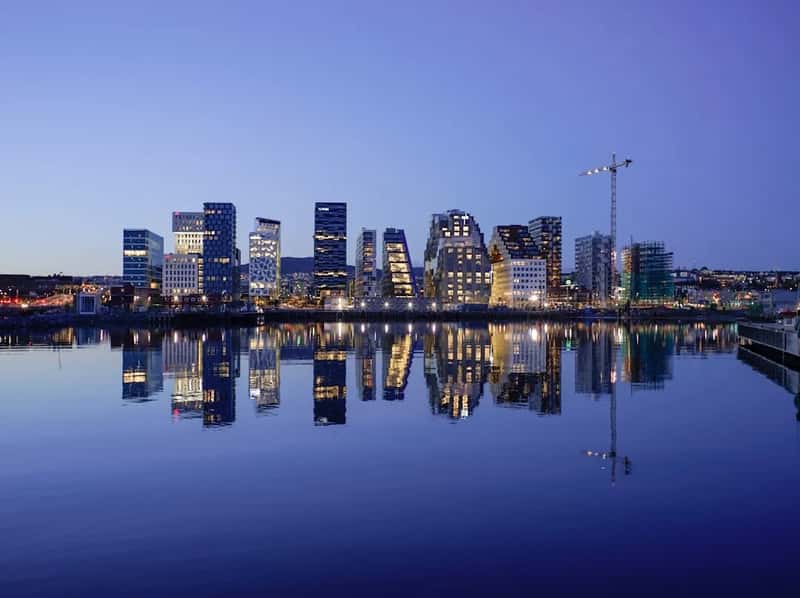
Norway rounds out the Scandinavian sweep on this list, and its English fluency extends well beyond the big cities. Norway shares the Scandinavian English advantage, with English very widely spoken and near-universal proficiency among younger generations, making Oslo, Bergen, and Trondheim effectively bilingual cities. That’s a notable claim, and it lines up with how the country’s economy actually functions.
The oil and energy sector, which dominates the economy, operates heavily in English, and the country’s robust tech and maritime industries follow suit. For travelers, this means fjord cruises, mountain lodges, and even small-town tourist offices tend to have staff who speak comfortable, natural English, often learned as much from pop culture as from school curricula.
6. Malta

Malta offers a different flavor of English fluency, rooted in over a century of British colonial administration rather than modern education trends alone. Malta was a British colony from 1814 to 1964, a colonial period that resulted in British influence being deeply ingrained into Maltese culture, language, and governance. English was formally woven into the country’s institutions during that time and never left.
Today, the numbers back up what visitors experience on the ground. English is co-official alongside Maltese and understood by 96% of the population, and in tourist areas, hotels, restaurants, and any formal setting, English is the default. Locals often slip between Maltese and English mid-sentence, a habit some call “Maltenglish,” but tourists never actually need to speak a word of Maltese to get around comfortably.
7. Philippines
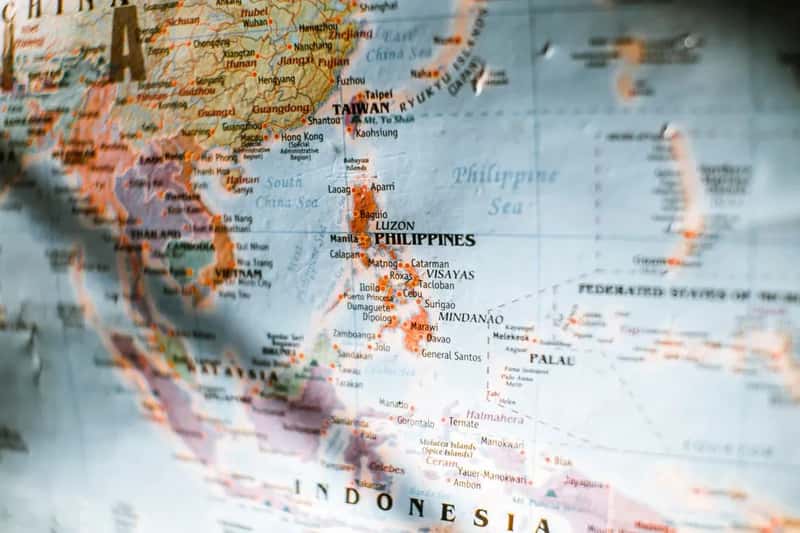
The Philippines is one of the rare countries where English carries official status alongside a local language, Filipino, and that status shapes daily tourist interactions in a big way. English is taught from early primary school, used in higher education, and remains the primary language of business, law, and much of the media. It’s genuinely one of the more English-immersed destinations in all of Asia.
Recent proficiency comparisons have actually put some non-English-official European countries ahead of the Philippines in raw test scores, which surprises people who assume colonial history automatically guarantees top rankings. Even so, walking around Manila, Cebu, or the beach resorts of Palawan, tourists will find that nearly every hotel worker, tour guide, and shop owner communicates in clear, comfortable English without hesitation.
8. South Africa
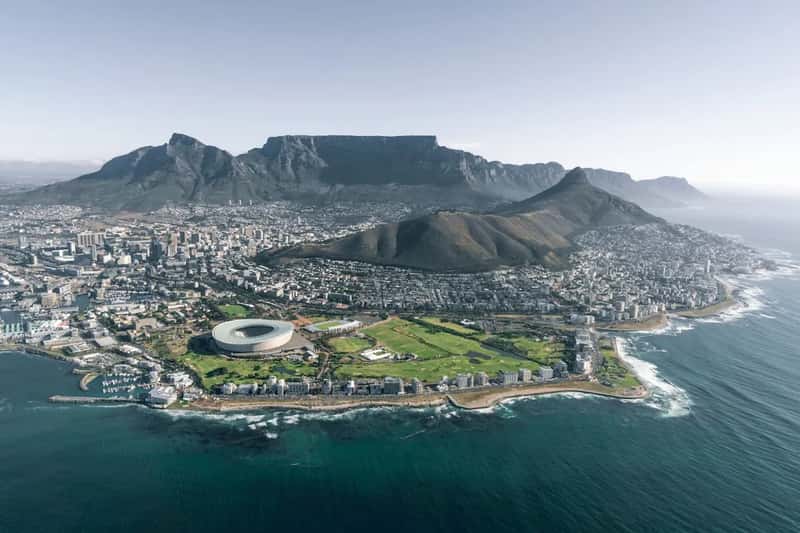
South Africa doesn’t always come to mind as an “easy English” destination, but the data suggests it deserves a spot on this list. South Africa scored 602 in the 2025 EF English Proficiency Index, tying for the “Very high proficiency” band, making it the strongest performer on the African continent alongside Zimbabwe. That’s a striking result for a country with eleven official languages.
English functions as the practical common tongue in South African cities, especially in tourist hubs like Cape Town, Johannesburg, and the Garden Route. Safari operators, wine estate guides, and hotel staff across the country typically communicate fluently in English, even in regions where isiZulu, Afrikaans, or Xhosa dominate everyday conversation among locals.
What Ties These Destinations Together

Looking across this list, a pattern emerges. Small, trade-dependent economies like the Netherlands, Denmark, Sweden, and Norway invest heavily in English education because their own languages have limited international reach, making fluency a practical necessity rather than a luxury. Meanwhile, places like Malta, Singapore, the Philippines, and South Africa inherited English through colonial history and simply kept using it as a functional bridge language across diverse populations.
Neither path is inherently “better,” but both produce the same outcome for a traveler: minimal language stress. Visitors don’t need to memorize local phrases or worry about translation apps failing at a crucial moment, though learning a few polite words in the local language is always appreciated and rarely goes unnoticed.
A Few Practical Tips For English-Only Travelers

Even in these highly English-proficient countries, a little preparation goes a long way. Rural areas and older generations, particularly outside major cities in Malta or the Philippines, may have less consistent English fluency than the urban tourist zones this article focuses on. It’s also worth noting that fluency levels can vary by profession and age group, so a taxi driver in Oslo might speak differently than a university student.
Carrying a translation app as a backup rarely hurts, even in top-ranked destinations, since accents, slang, and regional dialects can occasionally cause small misunderstandings. Still, compared to many other parts of the world, these eight countries genuinely deliver on the promise of smooth, English-only travel.