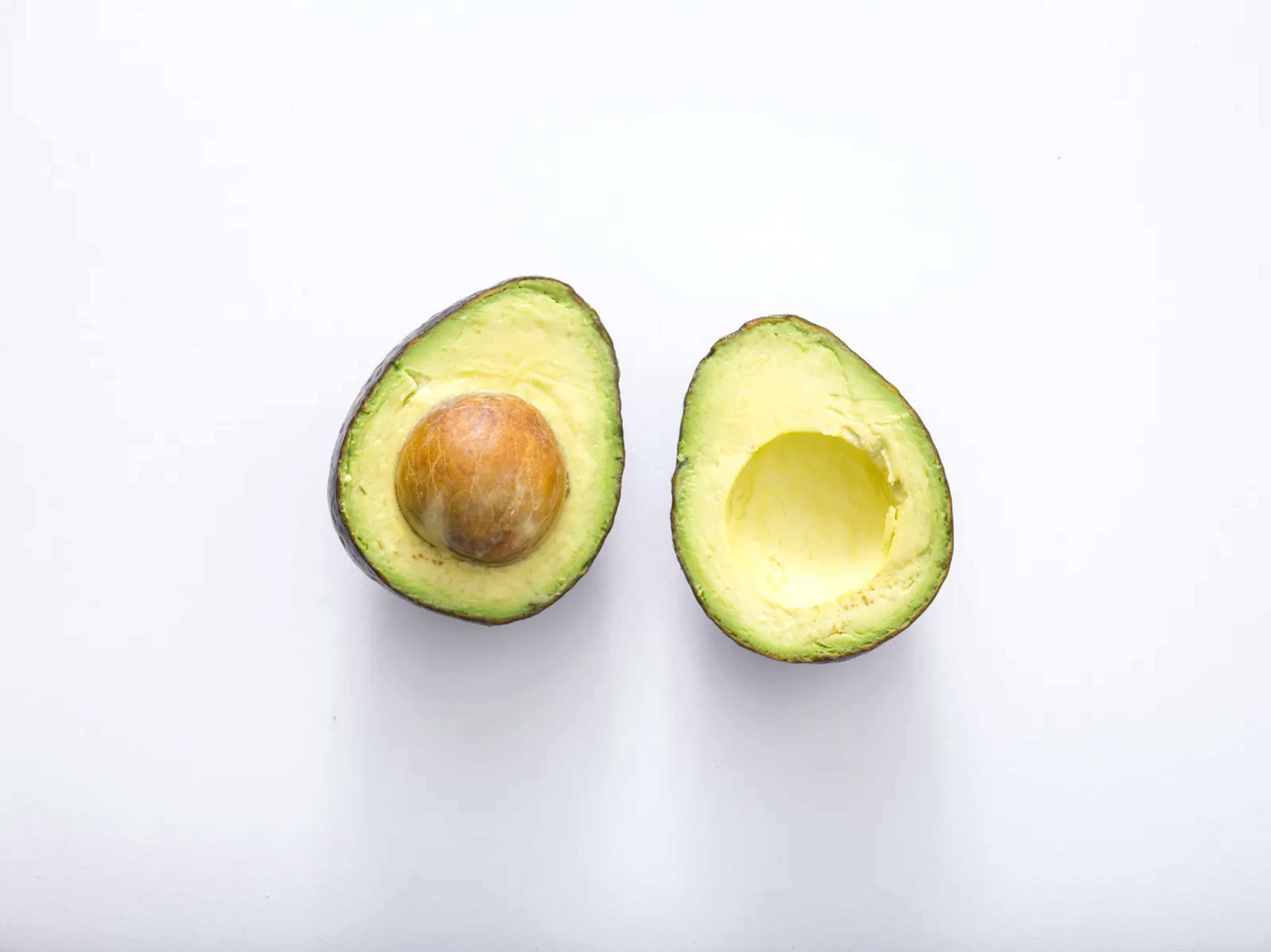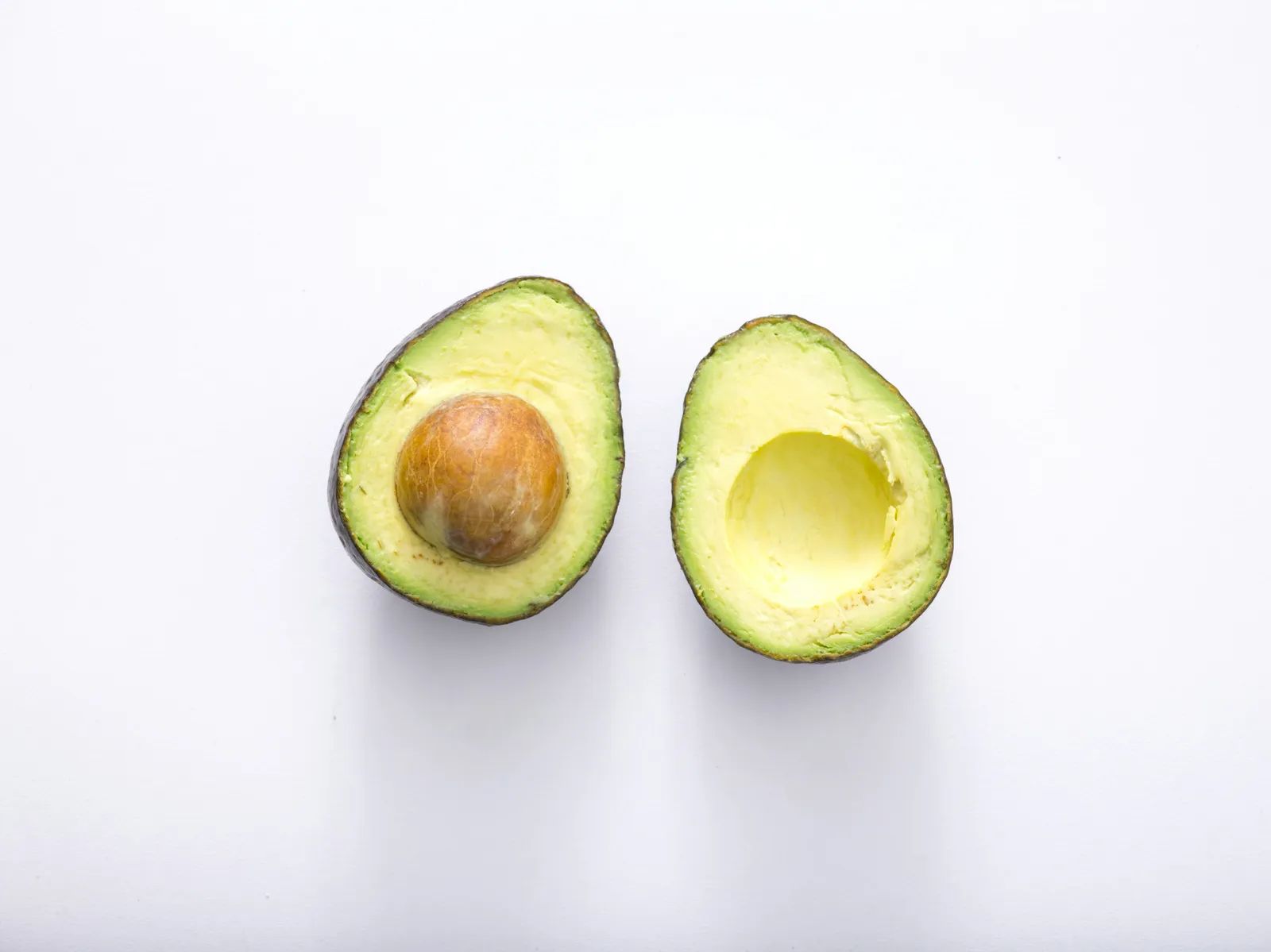
Shoppers frequently leave the produce aisle with what looks like a flawless avocado, only to discover brown streaks or a rock-hard center once they slice it open at home. A widely shared kitchen tip involving the small stem cap has fueled plenty of grocery-store experiments, yet it lacks backing from major agricultural sources. Guidance from the California Avocado Commission and university extensions points instead to simpler, more consistent checks that focus on feel and, for some varieties, skin color.
The Stem-Cap Test Falls Short of Reliable Advice
Many home cooks flick away the tiny cap at the stem end and judge ripeness by the color underneath. Green is said to signal readiness, while brown supposedly means the fruit has gone too far. No major guidance from the California Avocado Commission, Utah State University Extension, or UC Davis postharvest experts endorses this approach as a tested method. Trying the test also carries a practical drawback. Removing the cap leaves an opening that cannot be resealed, so the fruit must be used the same day or risk faster spoilage. Shoppers who prefer to keep options open may want to skip this step entirely and rely on checks that leave the avocado intact.
Color Offers a Hint, But Only for Certain Varieties
Hass avocados, the most common type found in stores, shift from bright green to a darker green or nearly black as they ripen. That visual change can serve as an early clue when paired with other signs. Varieties that remain light green even when mature require shoppers to ignore color altogether and focus elsewhere. The California Avocado Commission notes that skin tone alone never tells the full story, because bruising or other surface marks can mislead. UC Davis descriptions of postharvest changes align with this view, emphasizing that color works best as a supporting detail rather than a final verdict.
The Palm-Press Method Stands Out as the Most Dependable Check
A ripe avocado feels firm overall yet gives slightly under gentle pressure applied with the palm of the hand rather than fingertips. This approach avoids the bruising that can occur from poking and provides a direct sense of the fruit’s interior texture. Utah State University Extension and the California Avocado Commission both highlight this test as the primary way to judge readiness. Avoid any avocado that feels mushy or has loose, wrinkled skin, because those traits often indicate internal browning or rot. Dark blemishes on the surface also serve as a warning sign worth heeding. When the fruit passes the palm test without those red flags, it is ready for immediate use or short-term storage.
Speed Ripening at Home Without Risky Shortcuts
Avocados do not ripen on the tree and instead respond to ethylene gas once picked. Placing an unripe specimen in a closed paper bag traps more of that natural gas around the fruit and can shorten the wait. Adding an apple or kiwi, both known ethylene producers, further accelerates the process according to the California Avocado Commission. Check the bag daily, because the method works quickly and can push the avocado past its prime. Counter ripening without the bag typically takes two to five days. Microwaving offers no help and simply cooks the flesh, while refrigeration of unripe fruit risks internal browning and uneven ripening later.
Once Ripe, Handle Avocados With Care for Best Results
Move ripe avocados into the refrigerator to slow further softening and extend usability for a few extra days. Firm, unripe fruit should stay at room temperature until it reaches the desired stage. Only ripe avocados are suitable for freezing, because unripe ones will not continue maturing after being frozen. If an avocado turns softer than planned yet remains good inside, mash it promptly for guacamole or spreads. Planning purchases around these timelines helps reduce waste and ensures the fruit arrives at peak quality when needed.
Firm but yielding to gentle palm pressure remains the clearest sign of ripeness.
Hass avocados darken; many other varieties stay green.
The stem-cap test lacks support from major agricultural guidance.
Paper bags with ethylene-producing fruit speed ripening safely.