
There’s a particular kind of exhaustion that comes from a vacation packed with too much. You know the feeling: eleven cities in nine days, a phone full of blurry photos, and a body that needs a week to recover from the trip meant to help you recover. A growing number of travelers are quietly rejecting that pace, choosing instead to see less and feel more. This guide walks through what that shift actually looks like in practice, and why it might be worth trying on your next trip.
What Slow Travel Actually Means
Slow travel isn’t a single rule so much as a mindset. Researchers Dickinson and Lumsdon describe it as a framework where people travel to destinations more slowly overland, stay longer and travel less, treating the journey itself as part of the experience. That definition matters because it separates slow travel from simply being a “relaxed” vacation. It’s specifically about the pace of movement, not just the mood.
In practice, this means fewer stops, longer stays, and a willingness to let a single town or region be the whole trip. It doesn’t require a month off work or a remote job. It just requires resisting the urge to cram in one more attraction before the flight home.
Why the Trend Is Gaining Ground Right Now
This isn’t just a lifestyle blog talking point anymore. The European Travel Commission’s Long-Haul Travel Barometer found that slow travel is gaining momentum, increasing from 22% in 2025 to 26% in 2026 among long-haul visitors planning trips to Europe. That’s a meaningful jump in a single year, and it lines up with what hotel groups are reporting too.
Industry researchers at Euromonitor noted that after years of so-called revenge travel, “revenge travel” is now a thing of the past, with consumers slowing down and travelling more meaningfully, even if that means they travel less often. Hilton’s trend research similarly found that nearly three quarters of travelers now say they’re actively seeking authentic, local experiences rather than checklist tourism.
Choosing Fewer Destinations, Not More

One of the easiest ways to start slow traveling is simply cutting your itinerary in half. Instead of hopping between four cities in a week, pick one or two and give each real time. This single change does more to shift the feel of a trip than almost any other decision you’ll make.
Travelers are already voting with their feet on this. Booking.com’s research found that a majority of travelers, roughly two thirds, now say they want to visit less crowded destinations rather than the usual capital-city circuit. Smaller cities and secondary destinations are benefiting as a result, absorbing interest that used to funnel almost entirely into a handful of famous hotspots.
Traveling by Train, Bike, or on Foot
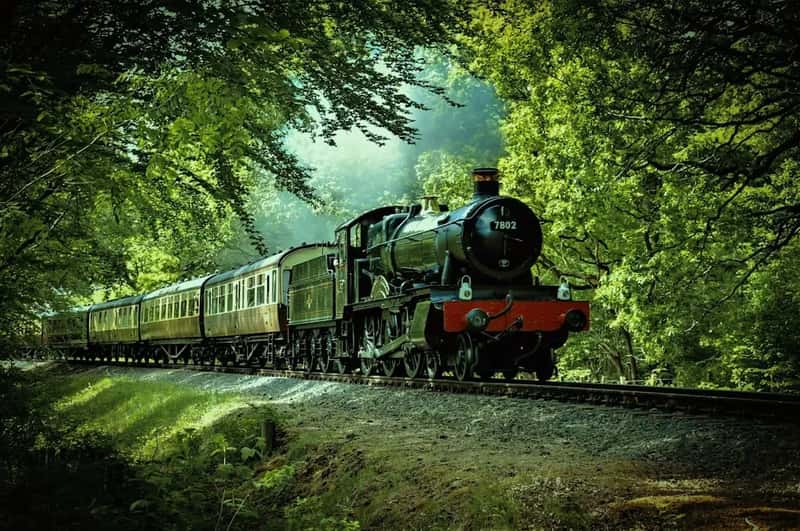
How you move between places is just as central to slow travel as where you stop. Choosing trains, bicycles, or walking over flights and rental cars isn’t just about nostalgia. Slow tourism researchers note that at its core, slow tourism promotes sustainable practices, urging travellers to minimise their environmental impact by choosing low-impact transportation.
There’s also a practical upside beyond sustainability. Ground transport forces a slower rhythm on the whole trip, since you can’t hop three time zones before lunch. Rail travel in particular has seen renewed interest in recent years, with new scenic and luxury routes across Europe explicitly marketed around this unhurried pace.
Staying Longer in One Place

Slow travel researchers describe this as one of the defining features of the movement. As one academic review put it, slow travel enables people to travel at their own pace, being able to avoid fixed schedules if preferred, which is a lot easier to do when you’re staying somewhere for a week or two instead of two nights.
A longer stay also changes your relationship with a place. You stop being a tourist rushing to the next landmark and start becoming, briefly, a temporary resident who knows which bakery opens early and which street gets shade in the afternoon. That familiarity is hard to manufacture on a whirlwind trip, no matter how good the itinerary is.
Connecting With Local Communities
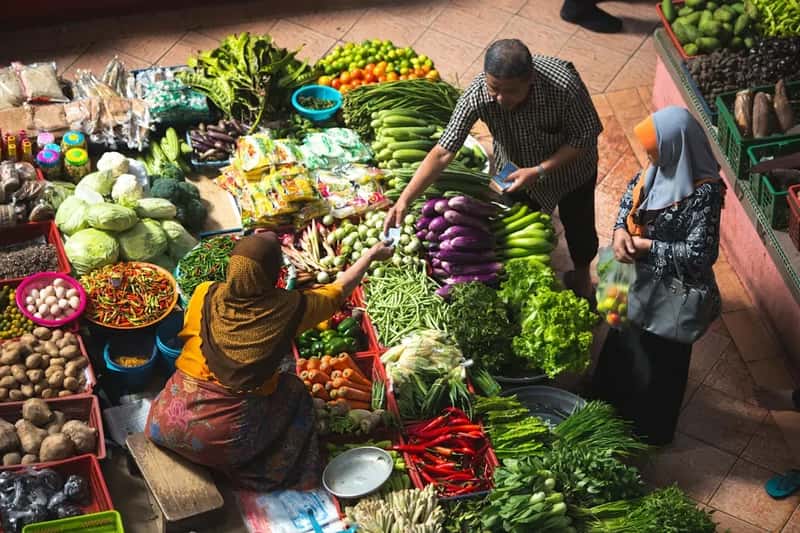
Spending time in one place naturally opens the door to real interactions, not just transactions. Slow tourism scholarship points out that this connection promotes deeper interactions between travellers and local populations, enhancing cross-cultural understanding and providing economic benefits to host communities, as visitors are more likely to spend money on local products and services.
This is also where slow travel quietly becomes more ethical travel. Choosing family-run guesthouses over international hotel chains, or a neighborhood market over a mall, sends money directly into the local economy rather than routing it elsewhere. It’s a small shift with a real cumulative effect.
Eating Like a Local, Not Like a Tourist

Food is often the easiest entry point into slow travel because it requires no special planning, just curiosity. Skipping the restaurant with the English menu out front in favor of wherever locals are actually eating tends to lead to better meals and better stories. It’s also one of the fastest ways to understand a place’s rhythm, since meal times, market days, and seasonal ingredients all say something about how people actually live there.
This preference shows up clearly in current travel data. Tour operators in Italy reported that in 2025, a majority of their package travelers chose itineraries built primarily around Italian cuisine, reflecting a broader shift toward food as a central travel experience rather than a side activity. Cooking classes, farm stays, and vineyard visits have followed the same pattern, turning meals into the main event rather than a break between sightseeing.
The Environmental Case for Slowing Down

Sustainability isn’t a side benefit of slow travel, it’s often the whole point for a growing number of travelers. As one analysis put it, slow travel aligns with sustainable practices, fostering environmentally conscious travel, with a critical benefit being the reduction of a traveler’s carbon footprint by choosing slower modes of transport, like trains, walking, or cycling.
This matters more given the scale of the industry. Global travel and tourism contributed an estimated eleven trillion dollars to global GDP in 2024 alone, according to industry tracking, which gives a sense of just how much environmental impact even small shifts in travel habits can have when adopted broadly. Choosing a slower, lower-impact trip isn’t going to fix aviation emissions on its own, but it is a genuine lever individual travelers can pull.
Unplugging and Protecting Your Mental Space

Part of what makes slow travel appealing right now has less to do with destinations and more to do with escaping constant connectivity. Some slow travelers describe it as reclaiming a “joy of missing out” mindset, deliberately stepping back from the pressure to document and optimize every moment of a trip.
Practically, this can mean leaving the phone in the hotel room for a morning walk, or blocking out a day with genuinely nothing scheduled. Slow tourism advocates frame this as part of the point rather than a bonus, noting that the approach encourages travelers to reconnect with their surroundings and even take on old-fashioned habits like sketching or journaling instead of scrolling.
Practical Tips for Planning Your First Slow Trip
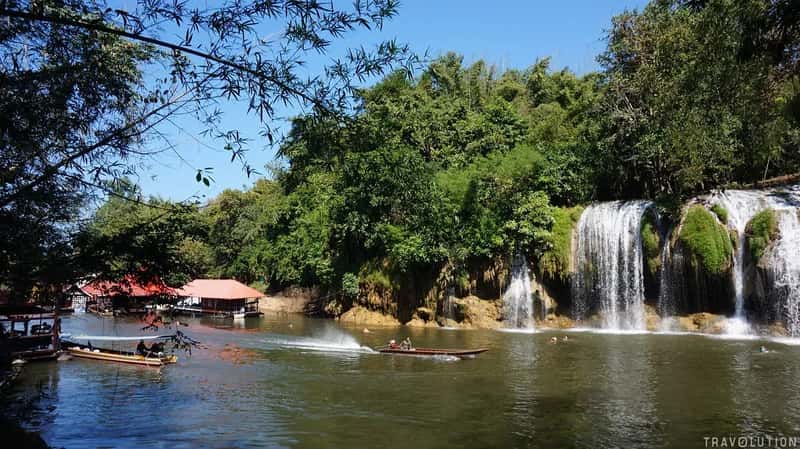
Starting small is the easiest way in. Pick one region instead of a country-wide tour, book at least four or five nights in your main base, and leave at least one full day with no plans at all. Resist the instinct to fill every gap in the schedule, since those gaps are usually where the best unplanned moments happen.
Budget-wise, slow travel can actually work in your favor, since longer stays often qualify for weekly or monthly discounts on accommodation, and fewer flights or transfers mean fewer transportation costs overall. Current travel forecasts already show travelers shifting toward shorter-distance, lower-cost trips in response to rising costs, and slow travel fits naturally into that same budget-conscious mindset. It’s less about spending less and more about spending differently, putting money into experiences and local businesses rather than logistics.
A Quieter Way to Travel
Slow travel isn’t a rejection of curiosity or ambition. If anything, it asks for more of both, just directed differently, toward depth instead of breadth. The trips people tend to remember years later are rarely the ones with the most stamps in a passport.
They’re the ones where something ordinary, a conversation, a meal, an unplanned afternoon, stuck. That’s really the whole case for less. It leaves room for more to actually land.