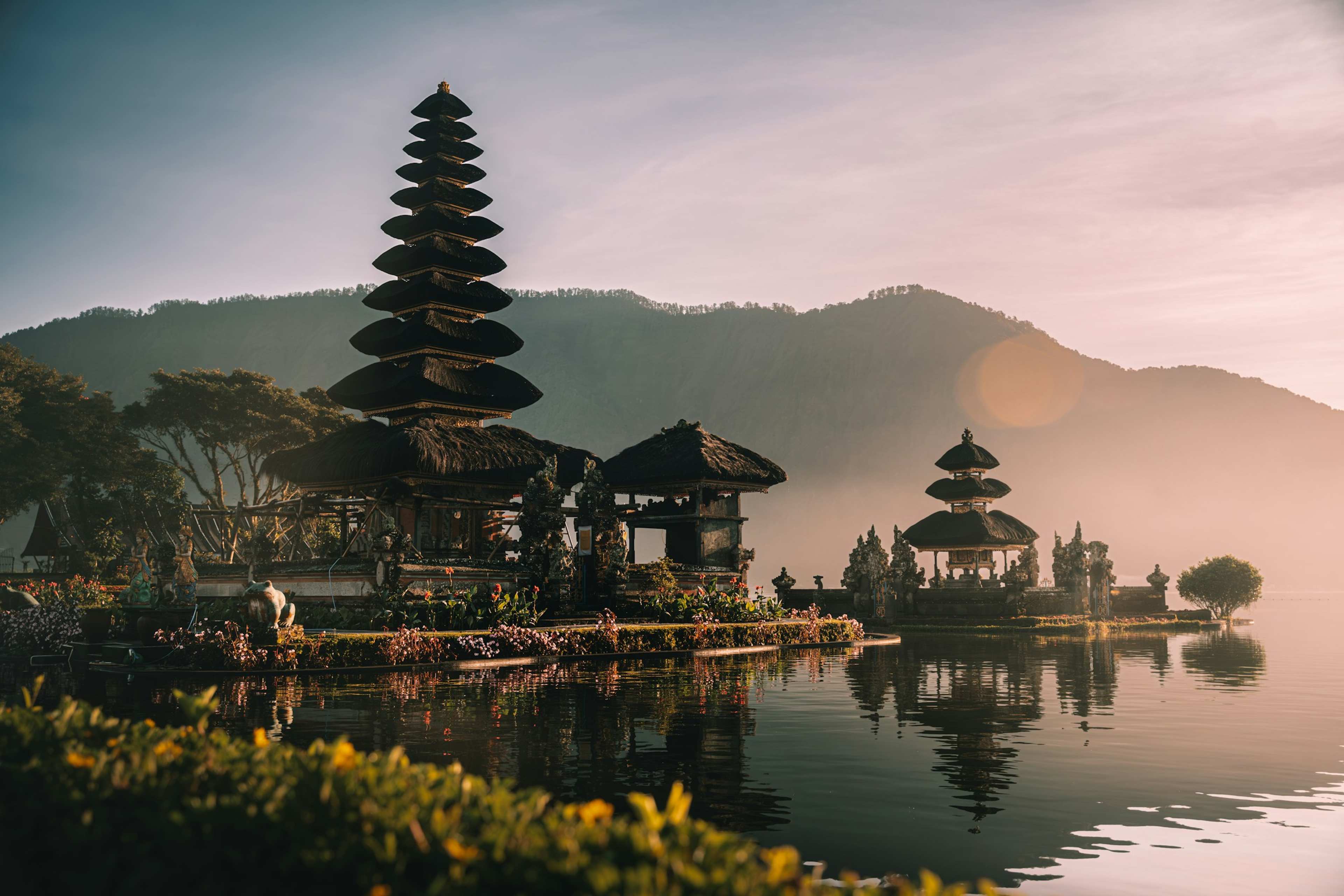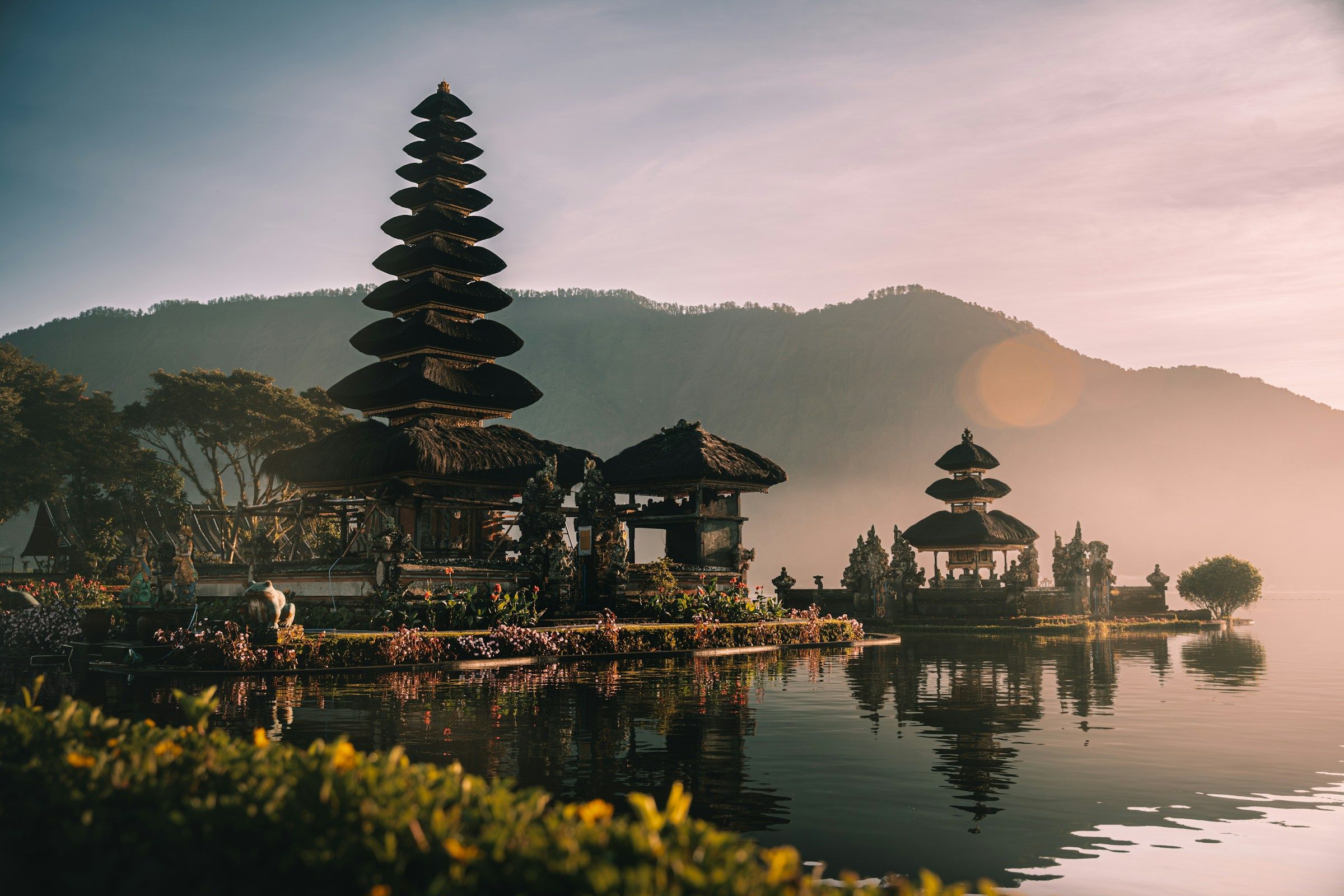
Every year the travel industry rolls out glossy bucket lists of places to see before you die. This year, a growing chorus of guidebooks, tourism boards, and destination researchers are doing the opposite: telling travelers to hold off. It isn’t about boycotting anywhere forever. It’s about giving overwhelmed places, strained ecosystems, and frustrated locals a chance to catch their breath.
The reasoning behind these recommendations varies from spot to spot. Sometimes it’s a housing crisis fueled by short-term rentals. Other times it’s a glacier melting faster than expected, or a cruise port project that locals have fought for over a decade. Below are twelve destinations that travel experts, tourism boards, and sustainability researchers are flagging in 2026 as places to reconsider, at least for now.
1. Antarctica
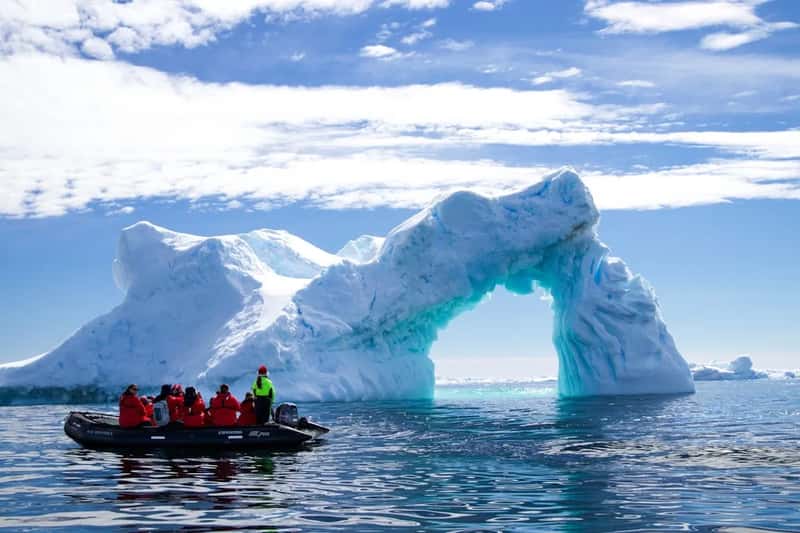
It might seem strange that a continent with almost no permanent residents could suffer from overtourism, but that’s exactly the concern experts are raising. Antarctica has no tourism infrastructure, no local economy that benefits from visitors, and an extremely fragile ecosystem, with around 120,000 people visiting between 2023 and 2024 and that number projected to double by 2033.[1] Conservationists worry the pace of growth is outstripping the continent’s ability to absorb it.
Although international regulations promoted by the Antarctic Treaty exist, conservation experts warn that sustained tourism growth could exceed control capacity, and climate change is already altering ice conditions and polar ecosystems.[2] Fodor’s Travel included the continent on its 2026 “No List” precisely because a place meant to prioritize scientific research is instead becoming a bucket-list photo op for a rapidly rising number of visitors.
2. The Canary Islands, Spain
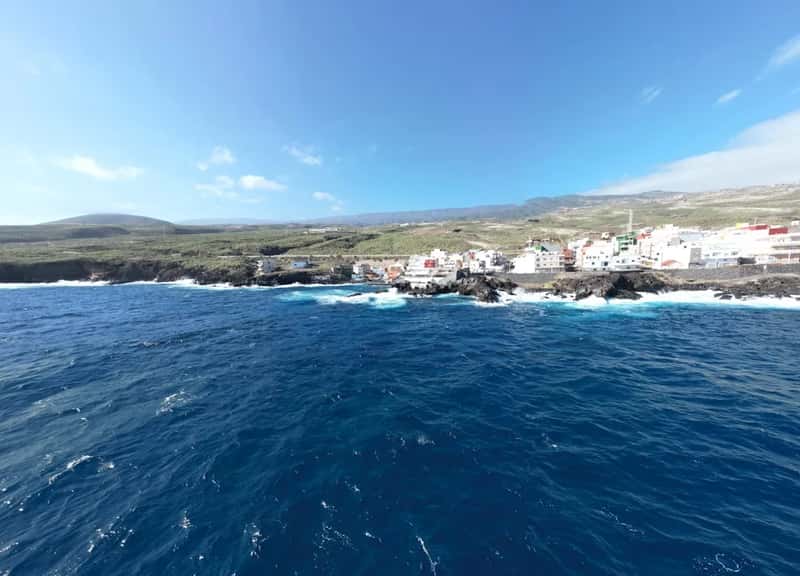
Spain’s Atlantic archipelago has become a flashpoint for anti-overtourism sentiment. Protests have multiplied, with locals chanting “Canarias tiene un límite” (“The Canaries have a limit”), demanding limits on visitor numbers and arguing that overtourism is putting a strain on housing, ecosystems, and local life.[3] The frustration isn’t really about visitors themselves; it’s about who ends up profiting from them.
One expert put it plainly, noting that tourism brought money and opportunity but also concentrated wealth, since most hotels are now owned by large investment groups and much of the profit leaves the islands.[3] Fodor’s placed the Canaries on its 2026 No List alongside seven other destinations facing similar pressures.
3. Glacier National Park, Montana
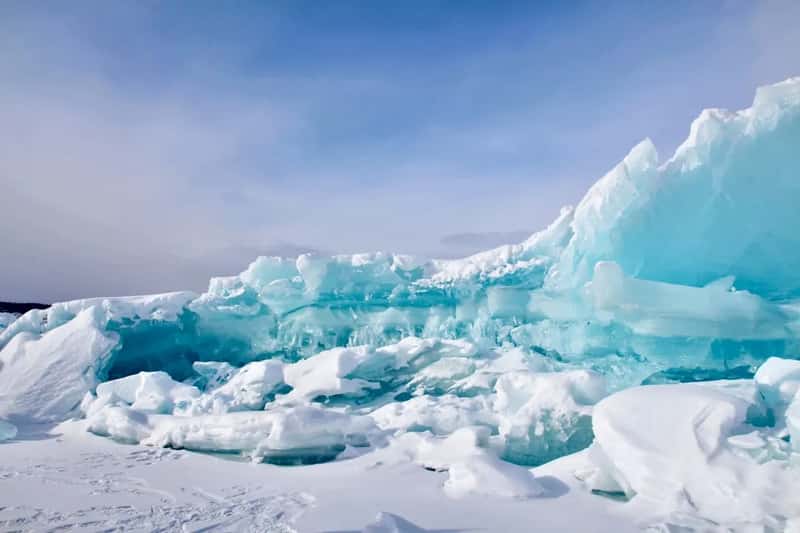
Montana’s crown jewel of natural parks is buckling under its own popularity, and the science behind why it made this year’s list is sobering. In Glacier National Park, only 27 of the 150 glaciers from the 20th century remain, with estimates that they will disappear by 2030, and the area is warming almost twice as fast as the global average.[4] That’s a striking statistic for a park literally named after the ice formations that drew people there in the first place.
The crowding problem compounds the environmental one. Located in Montana, Glacier National Park is one of North America’s most spectacular natural parks, with mountains, crystal-clear lakes, and historic glaciers, but its popularity has led to massive visitor flows that far exceed the park’s capacity.[2] Experts suggest spreading visits to shoulder seasons or exploring nearby, less-trafficked wilderness areas instead.
4. Isola Sacra, Italy
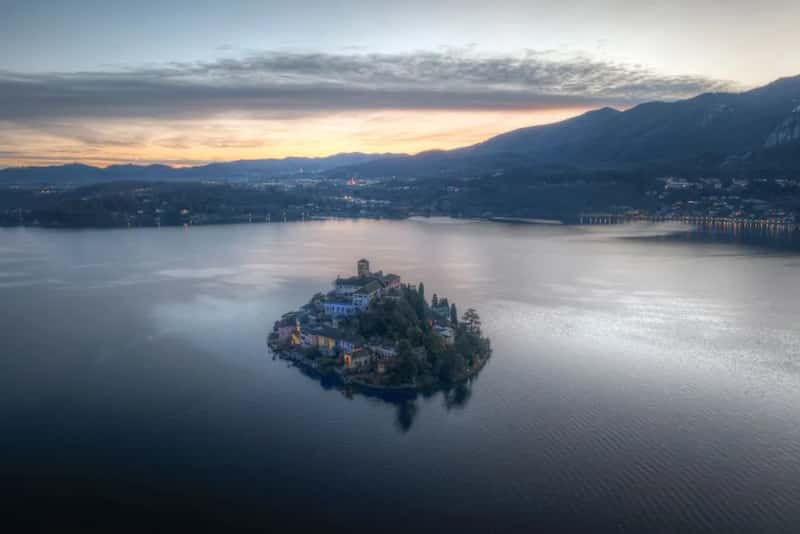
Most travelers have never heard of this quiet coastal district near Rome, and that’s precisely why locals are fighting to keep it that way. Isola Sacra is a quiet coastal district in the town of Fiumicino, just 20 miles from Rome, that is under threat from intended plans to allow the world’s largest cruise ships to dock there, requiring the extraction of 105 million cubic feet of sand and threatening marine diversity and coastal erosion.[5] Environmental groups warn the damage could be irreversible.
Residents aren’t opposed to tourism in general; they’re opposed to a specific, large-scale project. Controversy has erupted after authorities approved the docking of large cruise ships, and locals have opposed the project since 2010, citing the risks posed to the fragile coastline.[3] Fodor’s added the district to its 2026 No List as a reminder that even under-the-radar places can face outsized industrial pressure.
5. The Jungfrau Region, Switzerland
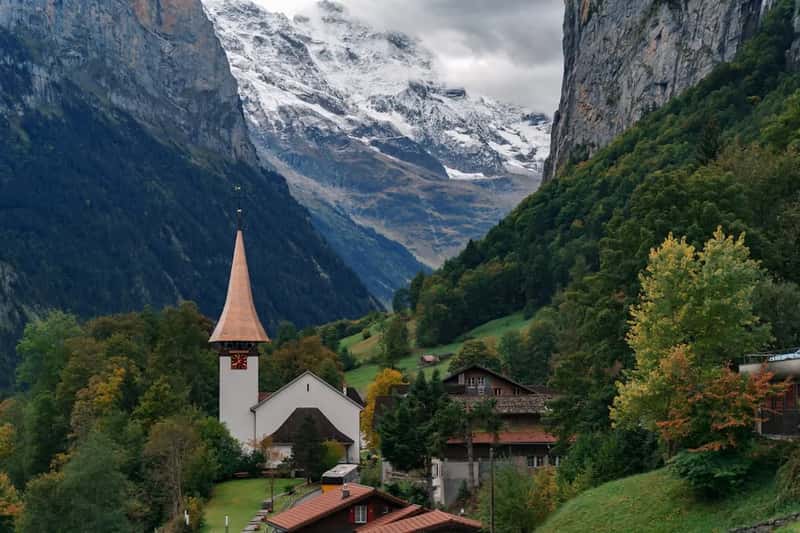
The Bernese Oberland’s dramatic peaks have long been marketed as “the top of Europe,” but the marketing may be working too well. The Jungfrau Region, home to the iconic Jungfrau mountain and its stunning alpine landscapes, has seen a sharp increase in visitors in recent years, and despite being a UNESCO World Heritage site, the area is feeling the pressure of overtourism, particularly in its charming villages and scenic railway routes.[6] Trails and mountain railways built for a fraction of today’s visitor numbers are showing the strain.
Climate change is layering an additional threat onto the crowding issue. At Jungfrau, increased traffic is putting pressure on glaciers that are already retreating and the region’s natural resources.[4] Travel experts suggest exploring quieter Swiss valleys that offer similar alpine scenery without the same crush of day-trippers.
6. Mexico City, Mexico
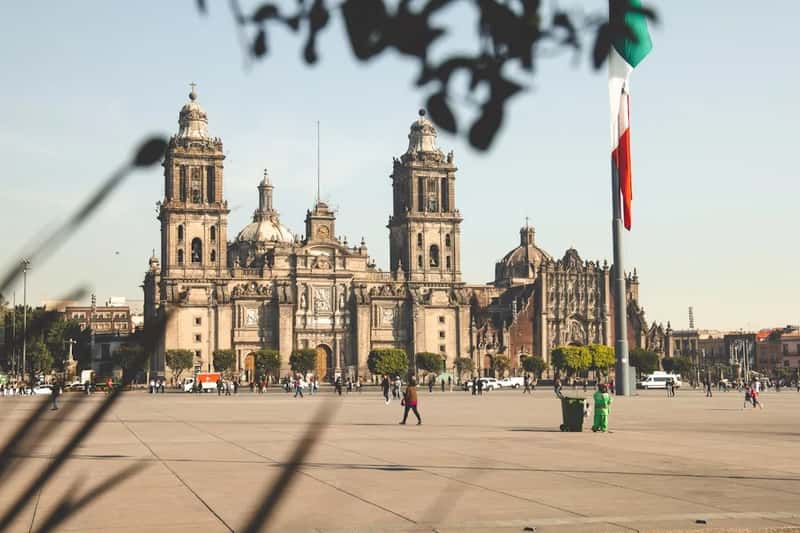
Mexico’s capital is a case study in how tourism-driven gentrification can reshape a city almost overnight. The Mexican capital is a vibrant cultural hub and one of the most visited metropolises in Latin America, but uncontrolled tourism growth has generated significant social tensions in several traditional neighborhoods, as gentrification driven by the proliferation of tourist accommodations has driven up residential rents and displaced residents from historic neighborhoods.[2] Neighborhoods like Roma and Condesa have become emblematic of the friction between remote workers, short-term renters, and longtime residents.
The tension has spilled into the streets in ways that are hard to ignore. Mexico City was one of four new destinations added to Fodor’s 2026 No List, with intense protests erupting due to rent increases, the lack of regulation for short-term rentals, and changes in local daily life.[4] Experts note that a visit planned with more awareness, staying longer, spending locally, and avoiding peak-season crowding, can help ease rather than add to the pressure.
7. Mombasa, Kenya
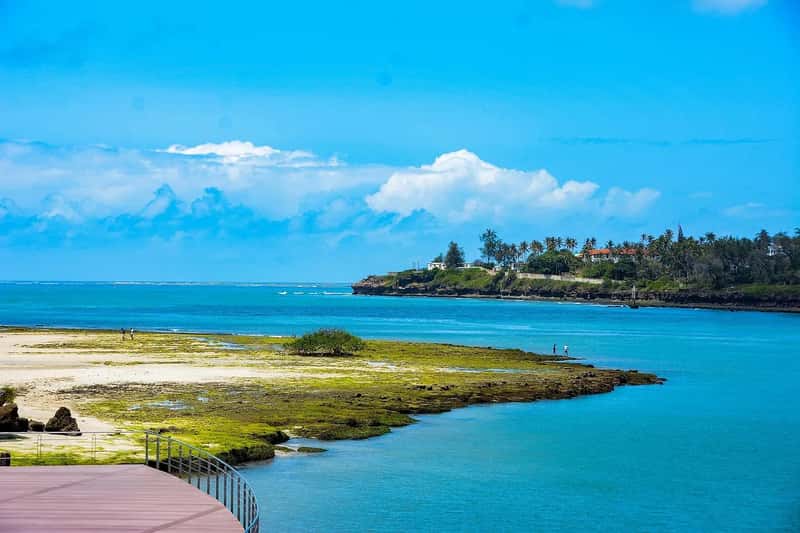
Kenya’s coastal tourism engine is running hotter than its infrastructure can handle. Kenya hit a record 2.4 million international arrivals in 2024, and Mombasa is absorbing 70% of coastal tourism with no clear plan for how many visitors is too many, while beaches are littered, sewage flows untreated into the ocean, and youth unemployment sits at 44%.[1] That combination of environmental strain and economic frustration has made the city a focal point of concern.
Cruise tourism specifically has surged in a way that’s outpaced planning. In Kenya, Mombasa was added to the list due to a 14.6% increase in international arrivals and a 164% increase in cruise traffic.[4] Security has also become a factor experts are watching closely, following isolated but serious incidents affecting visitors.
8. Montmartre, Paris
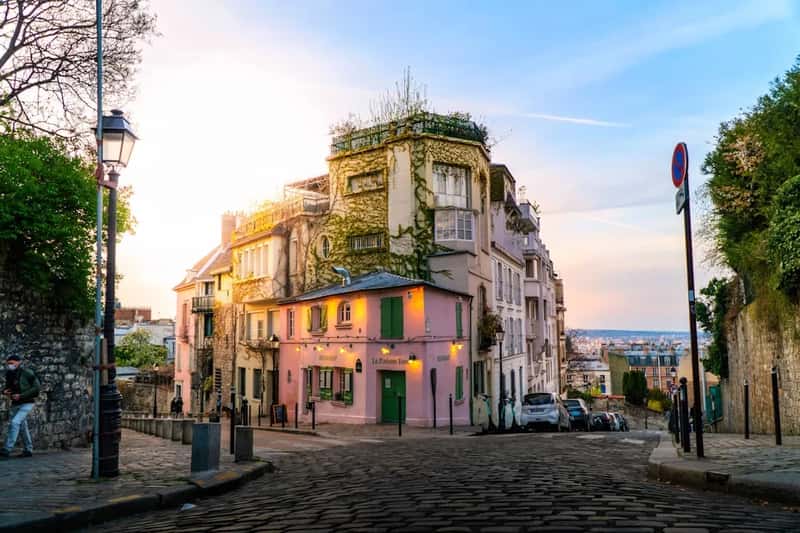
The cobblestone streets and hilltop views that made Montmartre famous are now, ironically, part of the problem. Eleven million visitors a year now crowd the steps of Sacré-Coeur, more visitors than the Eiffel Tower attracts, while real estate prices in the neighborhood rose 35% in just the past year, and a local pétanque club that had held its space since 1971 was evicted in 2024 to make room for a luxury hotel expansion.[1] For a neighborhood once known for its bohemian, artistic character, that kind of displacement stings.
Longtime residents describe the shift in stark terms. Parisian residents spent the summer complaining about the “Disneyfication” of Montmartre, where food shops are rapidly giving way to souvenir and trinket stalls, and where family space is being given over to tourist cafes.[5] Travel experts suggest that Paris has plenty of other historic neighborhoods worth exploring that aren’t buckling under quite the same weight.
9. Santorini and Mykonos, Greece
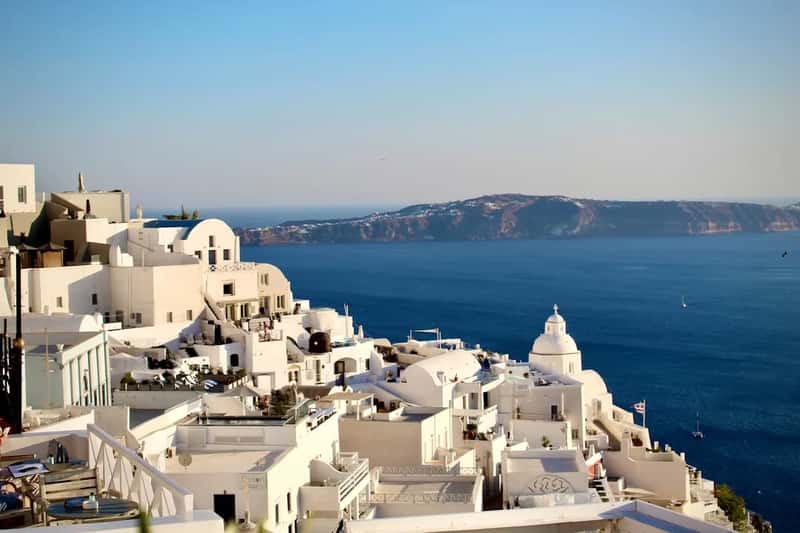
Greece’s most photographed islands have started charging for the privilege of a quick visit, and the fee itself tells you how bad the congestion has gotten. The Greek islands of Mykonos and Santorini now charge cruise visitors €20 per person during the peak summer season.[7] The goal is to thin out the single-day cruise crowds that can overwhelm narrow clifftop streets built centuries before mass tourism existed.
The policy reflects a broader recognition that unchecked crowding actually hurts the visitor experience and the local economy alike. A Santorini that preserves its clifftop villages generates more per-visitor revenue from boutique hotels, local restaurants, and independent artisan shops than one degraded by overcrowding.[8] Experts recommend visiting in shoulder season or opting for a multi-night stay rather than a rushed cruise stop.
10. Barcelona, Spain
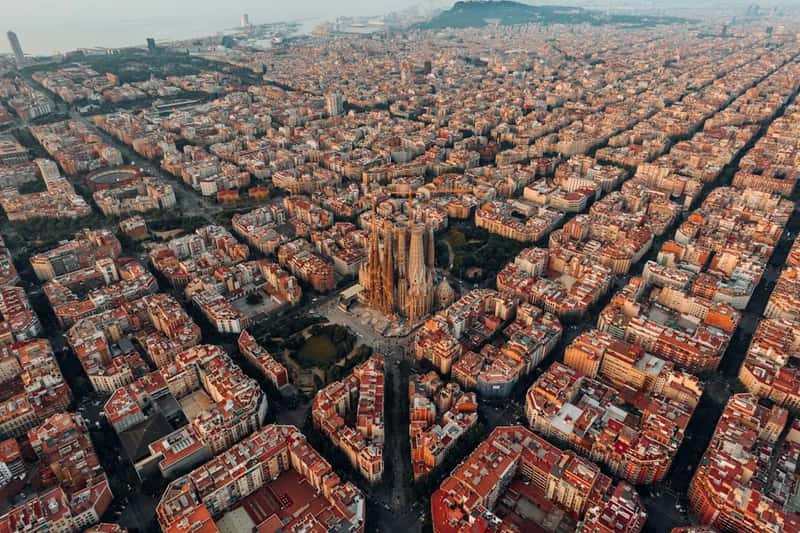
Barcelona has become something of a poster city for the overtourism backlash, and 2026 marks a real shift in how the city is responding. Barcelona has enacted bold policies to reshape its tourism model, with no new hotels or short-term rental permits being issued in the city’s most visited neighbourhoods this year, a proposed €7-per-night tourist tax earmarked for housing and infrastructure improvements, and a €400 million strategic fund to help redirect tourism toward cultural events, business conferences, and more sustainable, high-value experiences.[7] These are not symbolic gestures; they represent a structural attempt to change who benefits from tourism in the city.
The tax changes have been just as significant on the regional level. Catalonia doubled the tourism tax in a move framed as a way to regulate visitor numbers and help finance affordable housing, with a quarter of the revenue intended for housing policy, after years of resident anger over overcrowding and rents.[9] Experts suggest that until these measures have time to work, travelers might consider giving the city’s most saturated districts, like the Gothic Quarter and Sagrada Família area, a lighter footprint.
11. Bali, Indonesia
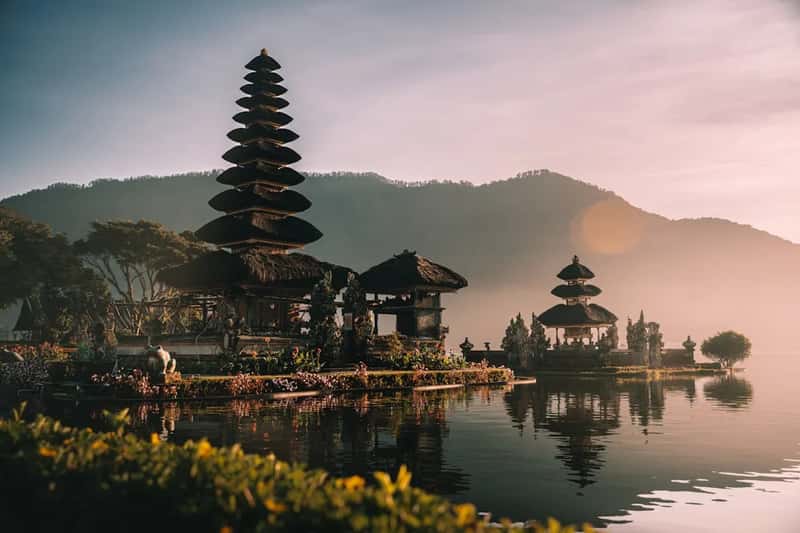
Bali’s popularity has only intensified in recent years, and the island’s response has been to lean into new fees and monitoring rather than simply absorbing the growth. Indonesia has intensified enforcement of its IDR 150,000 tourism levy, approximately US$10, for all international visitors arriving in Bali, as part of a broader sustainable tourism framework aimed at funding ecological restoration, cultural preservation, waste management systems, and long-term tourism infrastructure improvements.[10] The fee itself is a signal of how much strain the island’s waste systems and roads have been under.
Bali was previously flagged by Fodor’s for similar reasons, and the underlying pressures, traffic congestion, water shortages in tourist zones, and rapid unregulated development, haven’t disappeared. The Bali tourism levy increasingly mirrors visitor management models already implemented in destinations such as Venice and Barcelona, where tourism taxes and entry-related charges are used to offset overtourism pressures and support urban infrastructure maintenance.[10] Experts suggest exploring Indonesia’s other islands, many of which offer similar natural beauty with a fraction of the crowds.
12. Venice, Italy
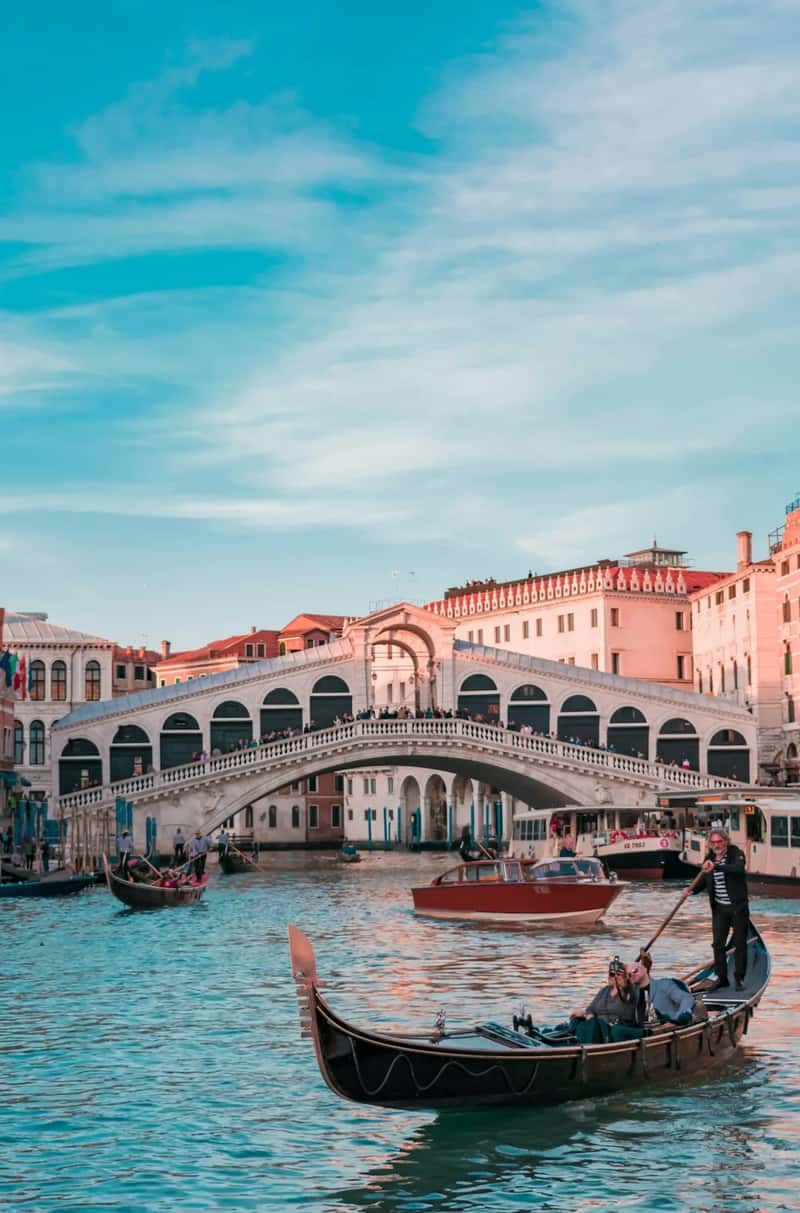
Venice remains a cautionary tale even though it was recently dropped from Fodor’s official No List. Fodor’s noted that Venice and Barcelona have now been removed from the list, not because they have been “magically cured,” but because the spotlight must shine on other places reaching a breaking point.[3] In other words, the underlying overcrowding hasn’t gone away; the narrative has just moved elsewhere.
The city’s own solution underscores how serious the problem still is. Venice remains the most theatrical example because it has turned overtourism into an actual entry-charge experiment, with the 2026 fee starting April 3 and applying only on selected days during the busiest spring and early-summer windows, aimed not at charging everyone all the time but at targeting the crush periods when the historic center gets swarmed by day visitors.[9] A city that has to charge people just to enter on its busiest days is not a city that has solved its crowding problem.
None of this means these twelve places are off-limits forever, and none of the organizations behind these warnings are calling for boycotts. Fodor’s has been explicit about that framing, describing its annual list as a nudge to ease up on a destination for now, not a permanent verdict. The common thread running through all twelve entries is capacity: infrastructure, housing markets, glaciers, and coastlines that were never built to handle the current volume of visitors, let alone the growth still projected for the coming years.
If there’s a practical takeaway, it’s that timing and intention matter more than ever. Traveling in shoulder season, staying longer in fewer places, and directing spending toward locally owned businesses can turn even a visit to a stressed destination into something less extractive. For now, though, plenty of travel experts agree that the more responsible move is to let these twelve places rest, and to send your money and your footsteps toward the destinations that are still asking for more of both.