Walk into almost any ferry terminal in America and you can spot the tourists in about four seconds. They’re the ones standing in the wrong line, staring at their phones for a schedule that’s posted three feet away, and sprinting for a boat that hasn’t even started boarding yet. Meanwhile, the regulars are already sitting down, already paid, already picking their seat with the calm of someone who’s done this ten thousand times.
It’s not luck, and it’s definitely not some secret handshake at the ticket window. It’s a set of small, oddly specific habits that most people never notice – until they’re standing in the rain wondering why everyone else got a dry seat with a view. Here’s what actual daily riders on America’s busiest ferry systems do without even thinking about it anymore.
1. They Never Fight the Crowd for the “Best” Deck
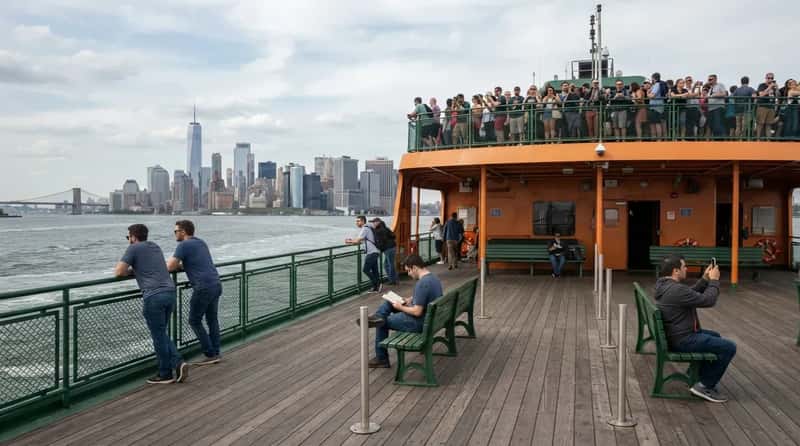
Everyone assumes the top outdoor deck is the prize seat, so that’s exactly where every visitor stampedes the moment the gate opens. It feels obvious – open air, better wind, better photos. Regulars know that instinct is exactly what makes that deck miserable within about ninety seconds of boarding.
On the Staten Island Ferry specifically, seasoned commuters have known for years that most people run to the top level, but the second floor is actually less crowded and has more room to spread out. It’s a small swap, but it gets you a better photo, more space to lean on the rail, and a calmer ride overall. Almost nobody outside the regular crowd figures it out on their own, and nobody tells them either.
2. They Show Up Ready to Board, Not Ready to Shop for a Ticket
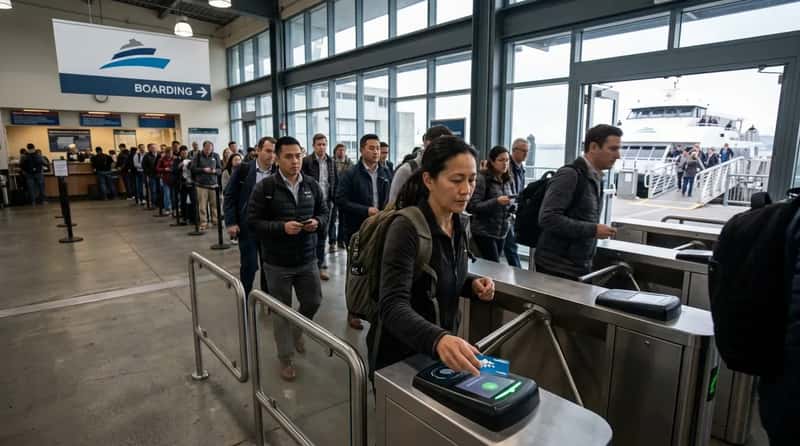
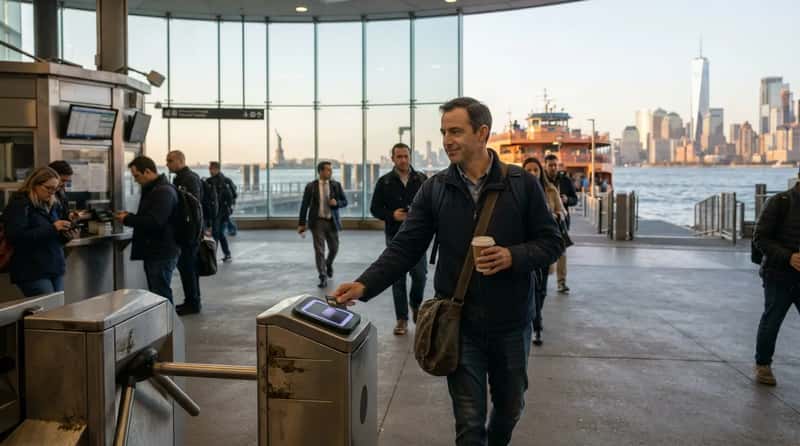
Nothing marks a first-timer faster than digging through a wallet for cash at the counter while the line backs up behind them. Regular riders on San Francisco Bay Ferry tag on and tag off with a Clipper card, treating it as the easiest payment option for regular riders. No fumbling, no small talk with the ticket window, no scrambling for the right amount of change while everyone behind them sighs.
That habit isn’t just about speed – it’s about avoiding a second line entirely. Riders without Clipper or the app can still buy paper tickets onboard with cash or card, but that means waiting in a separate queue once they’re already aboard. It’s a small inconvenience, but it’s exactly the kind of thing no regular willingly signs up for twice.
3. They Treat Vehicle Reservations Like Concert Tickets
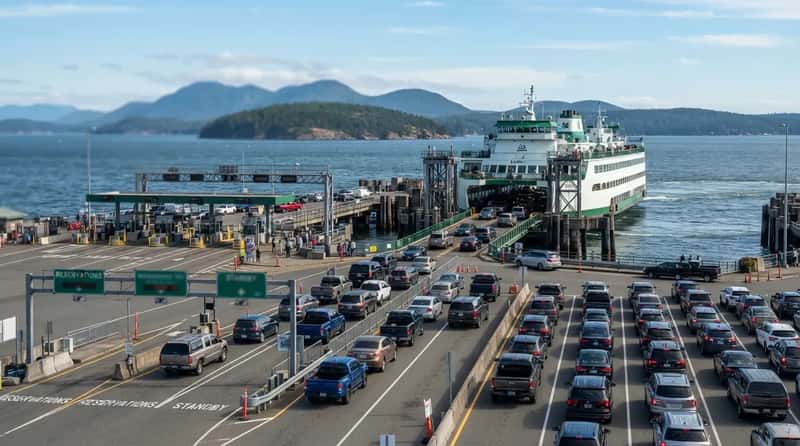
Most people assume you can just show up and drive onto a ferry whenever you feel like it. On routes like Washington State’s Anacortes-San Juan Islands run, that assumption ends badly, usually with a long wait in a standby lane watching boat after boat leave without them. Summer ferry reservations open months in advance and, based on demand in previous years, can vanish almost like concert tickets for a popular show.
Regulars don’t wing it. They know reservations cover sailings from June 14 through September 19, with limited standby space, so booking ahead is strongly encouraged rather than optional. They also remember something newcomers forget completely: reservations are only for vehicles, they’re good for one-way trips only, and you have to book both your departure and your return separately or risk getting stranded on the wrong end.
Fast Facts
- Reservation window for Anacortes-San Juan Islands runs June 14 through September 19
- Reservations apply to vehicles only – walk-on passengers don’t need one
- Each reservation covers a single one-way trip, not a round trip
- Departure and return sailings must be booked as separate reservations
4. They Know Exactly Which Sailings to Avoid
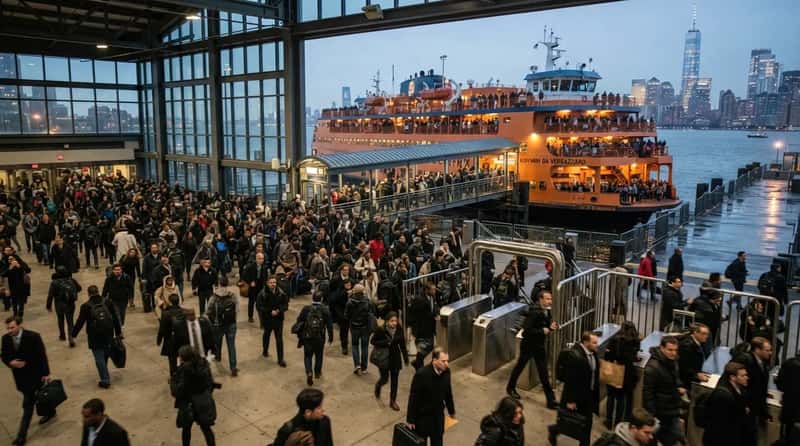
Every terminal has a stretch of the day locals quietly steer clear of, and it’s rarely a secret if you know where to look. Ferry operators actually recommend avoiding commuter hours if you’re after a leisurely ride, and most of them post the busiest windows right on the printed schedule.
On the Staten Island Ferry, that busy window is impossible to miss once you know the trick: during rush hour the boats are packed wall to wall with commuters, which is not the best time for a leisurely ride, and those trips are clearly flagged with yellow highlighting on the schedule. Regulars glance at that color-coded schedule out of pure habit before they even leave the house. Everyone else finds out the hard way, wedged shoulder-to-shoulder between briefcases and backpacks.
5. They’ve Made Peace With the Parking Reality

New riders assume ferry parking is a given, like a mall lot that always has a spare space somewhere. Veterans know it’s closer to musical chairs, and the music stops earlier than you’d think. At San Francisco Bay Ferry terminals, limited free parking is available at certain locations, while other terminals only offer paid parking with no free option at all.
Even the “free” lots have unwritten rules regulars learn the painful way, usually just once. At the Larkspur terminal, one frequent rider noted that commuters on the Larkspur side will take up all the parking spaces by 9 a.m., forcing latecomers to park across the street or pay for a nearby lot. The workaround locals actually use is timing: Larkspur Landing Ferry offers free parking on weekends and after 1 p.m., so regulars simply plan their trips around that window instead of circling the block hoping for a miracle.
Quick Compare
- Weekday mornings at Larkspur: spaces gone by 9 a.m.
- Weekends at Larkspur: free parking all day
- Weekdays after 1 p.m. at Larkspur: free parking kicks in
- Other Bay Ferry terminals: paid parking only, no free option
6. They Never Assume a Ticket Guarantees a Seat
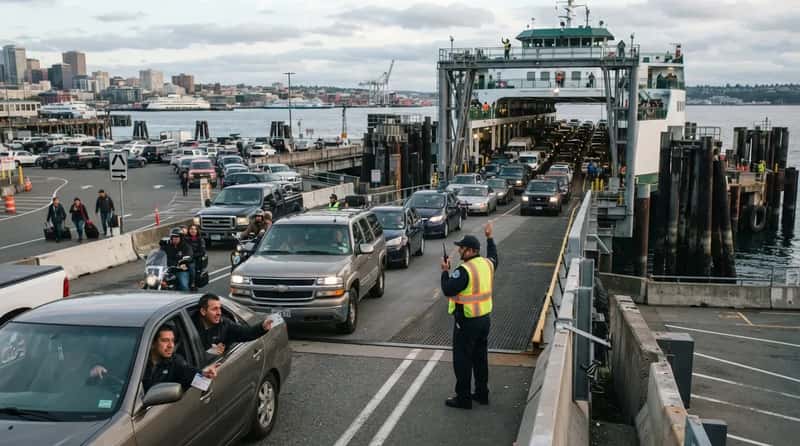
This is the one that trips up out-of-towners constantly, and it genuinely surprises people the first time it happens to them. Buying a ticket in advance feels like a lock-in, the way a plane ticket or a concert ticket would be, but on most ferry systems it isn’t anything close. Most ferries load first-come, first-served, and purchasing tickets in advance mainly saves time at the tollbooth – your ticket does not guarantee space on a specific sailing.
Regulars internalize that distinction completely, almost without noticing they’ve done it. They treat the ticket as a formality and the arrival time as the real reservation that actually matters. It’s a subtle mental shift, but it’s the difference between calmly boarding with coffee in hand and standing at the dock watching a full boat pull away without you.
7. They Show Up With a Buffer, Not on the Dot
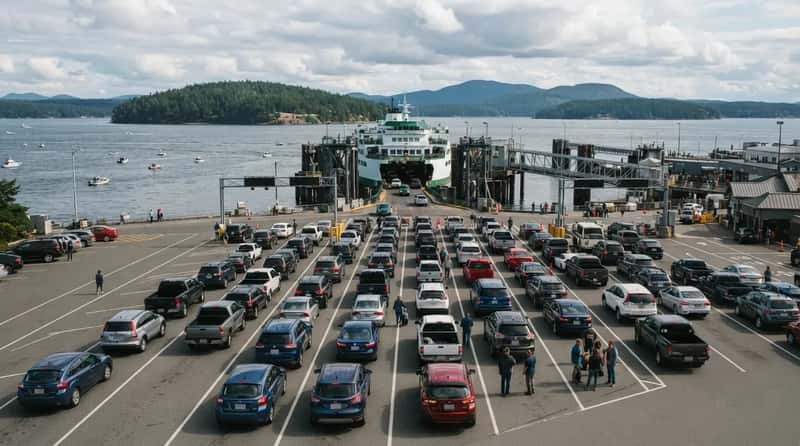
Cutting it close is a rookie move at almost every terminal in the country, and the margins regulars build in are surprisingly specific rather than a vague “early is good” rule of thumb. On Washington State Ferries’ reservation routes, staff advise riders to arrive at the terminal 30 to 45 minutes early for Port Townsend/Coupeville and 45 to 60 minutes early for Anacortes/San Juan Islands. That’s not a suggestion buried in fine print – it’s the actual difference between making the boat and rebooking your whole day.
Even on simpler, non-reservation systems, the habit holds firm. San Francisco Bay Ferry riders are told to plan to arrive 10 to 15 minutes prior to departure since ferries depart on time, no exceptions for stragglers. Regulars don’t treat that as a friendly reminder – a ferry that leaves on schedule waits for absolutely no one, and most of them learned that lesson exactly once before it became permanent muscle memory.
At a Glance
- Port Townsend/Coupeville: arrive 30-45 minutes early
- Anacortes/San Juan Islands: arrive 45-60 minutes early
- San Francisco Bay Ferry: arrive 10-15 minutes early
- Every route: boats depart on time, no exceptions
8. They Know the No-Show Fee Trap Before It Bites Them
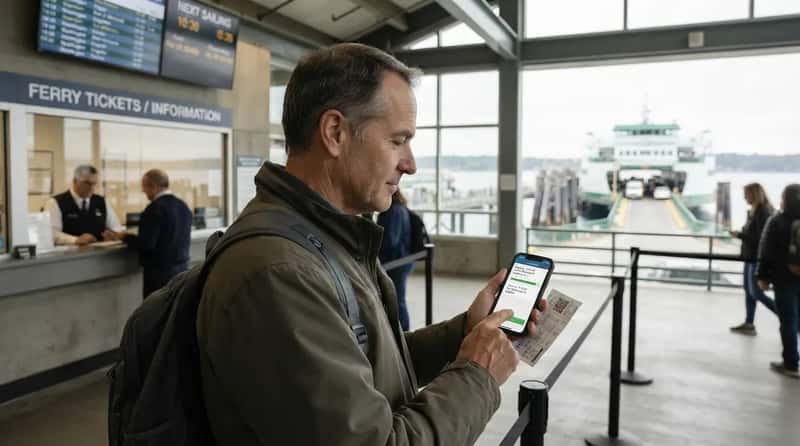
Here’s a mistake almost every new reservation-holder makes at least once, usually with good intentions: booking two options “just in case” the first one falls through. Regulars know that habit costs real money instead of just buying flexibility. If you make multiple reservations and only use one, you will be charged a no-show fee for every unused reservation left on the books.
The fee itself isn’t small pocket change either – no-shows are charged a flat $10 fee, and starting in 2026, no-show fees paid with a card will carry an additional 3% charge on top of that. Regulars book exactly one reservation per leg of the trip and cancel the moment plans change, rather than hedging their bets and quietly paying for the privilege later.
Worth Knowing
- No-show fee: a flat $10 per unused reservation
- Starting in 2026, card payments add a 3% surcharge on top
- The fee applies per leg – booking two “just in case” doubles it
- Canceling early, not hedging, is the habit that actually saves money
9. They’ve Cracked the “Free Loop” Trick Newcomers Never Discover
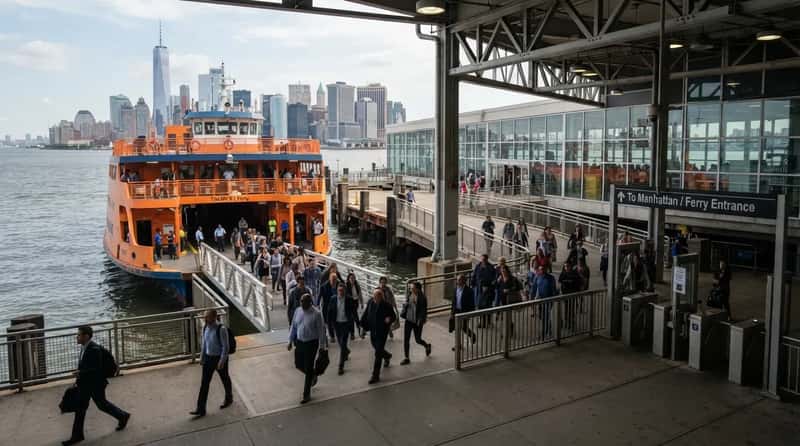
This is the closest thing ferry regulars have to a party trick, and it feels like cheating the first time someone shows you. On the Staten Island Ferry, riders realize they don’t have to treat the trip as one-and-done in either direction. Walking through the terminal to the departure gates on the Staten Island side lets you board the next ferry straight back to Manhattan, and with a little luck you can time it perfectly – though it’s smart to budget an extra 30 minutes just in case the timing doesn’t line up.
It sounds like a loophole, but it’s really just an open secret hiding in plain sight. Everyone has to get off the ferry once it arrives on Staten Island, but it’s easy enough to hop off, walk back through the terminal, and catch the next ferry, which usually leaves about five minutes later. Casual riders never think to try it because nobody tells them it’s allowed. Regulars use it constantly for a free round-trip skyline view of Lower Manhattan and the Statue of Liberty, no extra fare required.
The best things in New York are still free – you just have to know where to stand.
Common wisdom among Staten Island Ferry regulars
10. They Dress Like the Water Doesn’t Care What Season It Is
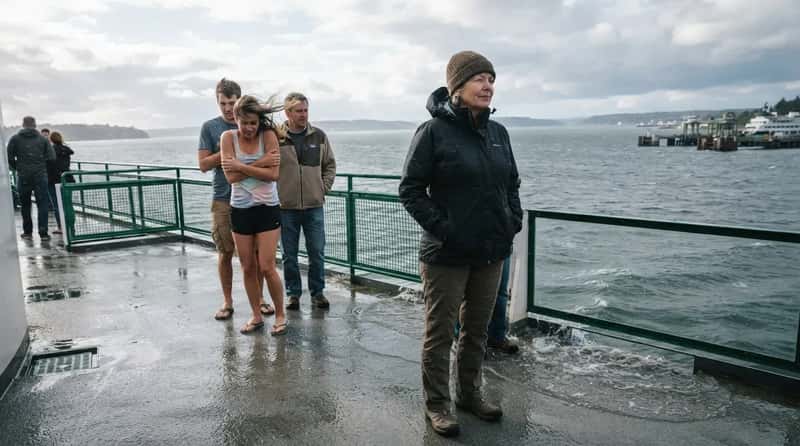
This one seems obvious until you watch someone in shorts and flip-flops shiver their way across open water in the middle of July. Frequent riders don’t get fooled twice, because the advice holds true everywhere ferries run: bring a jacket, because it can be windy on the water even in summer, even when the forecast on land promised a warm, still afternoon.
Deck conditions add another layer regulars respect and newcomers completely ignore. When it’s raining or snowing, the decks can get very slippery, and even on sunny, calm days water can splash up onto the deck without warning. Veterans automatically watch their footing near doorways and ramps without needing a sign to remind them, because they’ve felt that first slippery step at least once and never forgot it.
Worth Knowing
- Wind picks up fast once you’re away from the dock, even in July
- Wet or snowy decks get slippery near doors and ramps
- Splashing water can reach the deck even on calm, sunny days
- A packable jacket works for almost any season on the water
11. They Know Where Everything Is Before They Need It
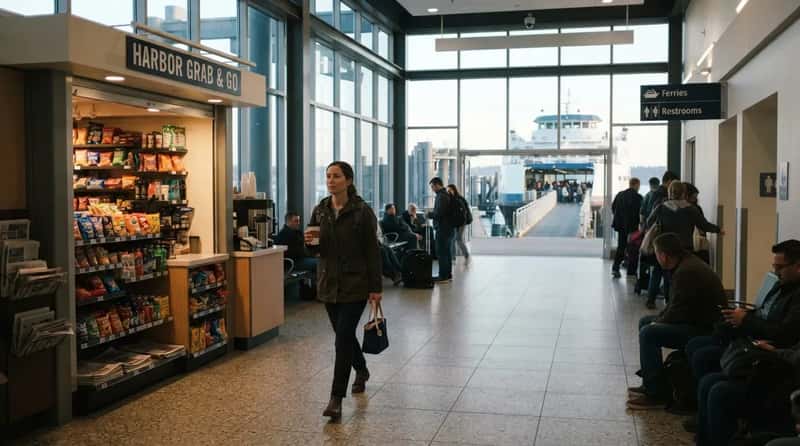
The last giveaway is the smallest one, and it’s almost invisible if you’re not watching for it: regulars never wander around looking lost inside the terminal itself. They already know that snacks and restrooms are available in the terminal, and they use that thirty-second window before boarding instead of scrambling once they’re already on the water with no way off until the next dock.
That small habit – clocking the terminal layout on autopilot – is really the whole story in miniature. Regulars aren’t smarter or luckier than anyone else standing in the same line. They’ve just done it enough times that every step, from tapping a card to picking a deck to timing the free loop back home, happens without a second thought.
What It All Comes Down To
None of these habits are secret rules or insider hacks in the traditional sense – they’re just things regulars pick up through repetition while everyone else is still reading the schedule for the first time. Skip the crowded top deck, tap a fare card instead of hunting for cash, book exactly one reservation, and remember the free loop back to Manhattan, and suddenly you’re not the person sprinting for a boat that already left.
The terminals haven’t changed. The schedules haven’t gotten any friendlier. The only thing that’s different is the people who’ve learned to read them – quietly, patiently, one ordinary commute at a time – until it stops feeling like a system to figure out and starts feeling like second nature.