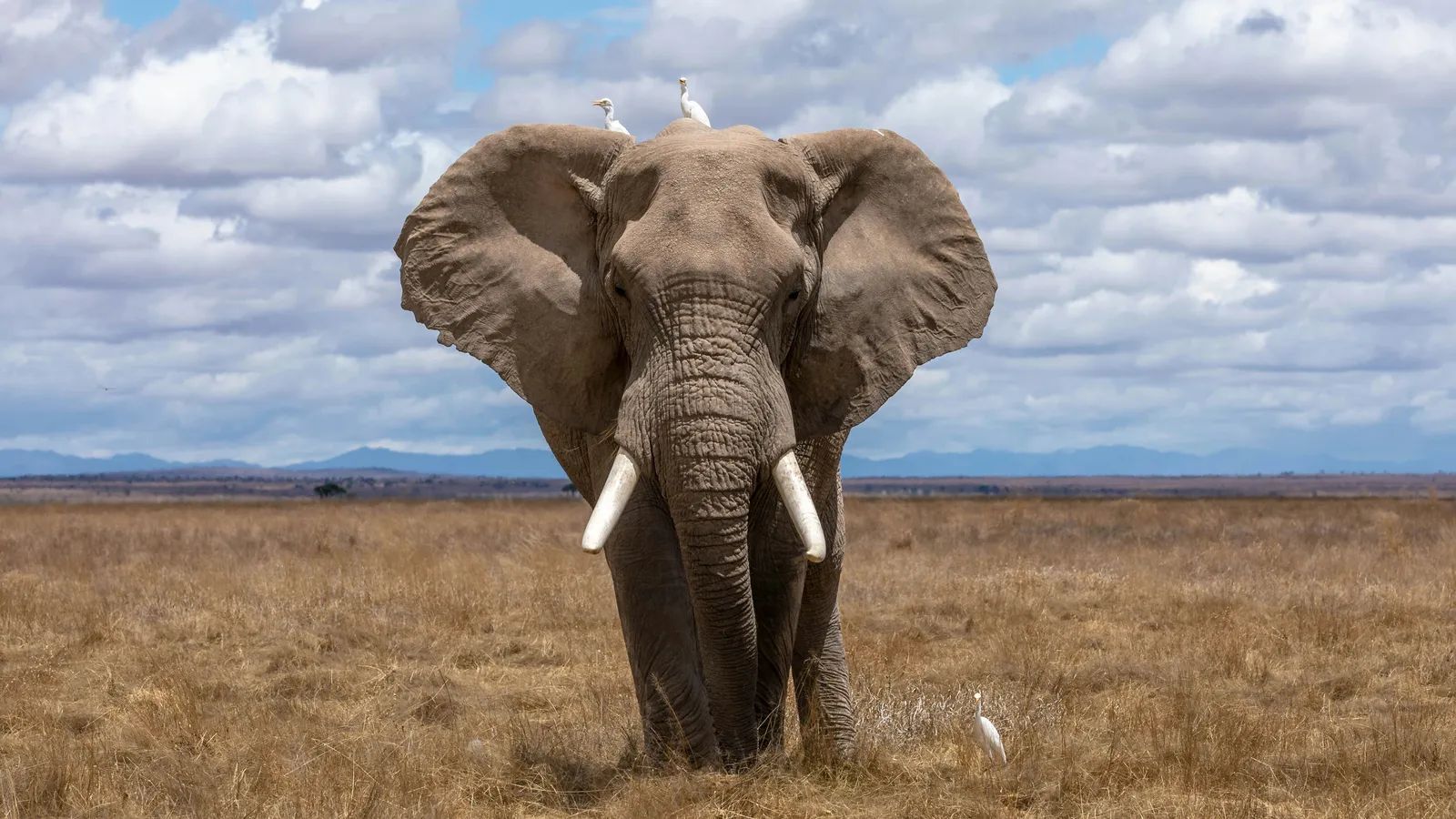
Elephants have long shaped the landscapes they inhabit through their movements and feeding habits. An elder female carries knowledge of distant water sources that can sustain a herd during prolonged dry spells. When such an individual is lost, the group loses practical information that younger members have not yet acquired. Delegates at the recent U.N. biodiversity talks in Armenia reviewed how such losses fit into broader patterns of species decline. ([1])
Knowledge Passed Through Generations
Older elephants often recall routes to reliable water even after seasonal pools have vanished. This memory helps the herd survive periods when forage is scarce and temperatures rise. Younger animals rely on these experienced leaders to locate resources that would otherwise remain hidden. The absence of one such matriarch can therefore reduce the options available to the entire group during future droughts.
Elephants also move seeds across considerable distances inside their digestive systems. They deposit those seeds in new locations far from the original trees, supporting forest regeneration in areas where other dispersers have already disappeared. In forests stripped of large mammals and birds, many tree species lose their primary means of spreading. The canopy may appear unchanged for years, yet the underlying diversity erodes over decades.
Species Already Beyond Recovery
Some losses have already become permanent. The slender-billed curlew, last seen in Morocco in 1995, was formally declared extinct in 2024. Other species hover near the same threshold. The vaquita and the Sumatran rhino persist in tiny numbers, yet both face the realistic prospect of vanishing within the coming decade.
A child born today could encounter these animals only through historical recordings or computer reconstructions. Such outcomes illustrate how certain absences leave lasting gaps in ecosystems. Recovery becomes impossible once the final individuals are gone.
Pressures That Compound Over Time
Rising ocean temperatures have shortened the recovery windows for coral reefs between bleaching events. Severe heat now kills entire colonies rather than merely stressing them. The structures that once sheltered fish and other reef life disappear, altering habitats for entire communities of marine species.
An intensifying El Niño pattern adds further stress across the Pacific, raising the likelihood of drought and wildfire in tropical forests. At the same time, ongoing conflicts divert national resources and political attention away from long-term environmental priorities. Authoritarian restrictions in several regions also limit the open exchange of information and collaboration needed for effective monitoring.
Fragile Gains Require Sustained Attention
Conservation programs have produced measurable recoveries for certain populations in recent years. These successes demonstrate that targeted protection can reverse declines when applied consistently. Yet the same examples show how quickly progress can stall without continued support for monitoring, habitat security, and enforcement.
International negotiations continue to track national commitments, but many ecological changes unfold across timescales longer than a single conference cycle. The challenge lies in translating short-term wins into durable protections that account for shifting climate conditions and competing demands on government budgets. Without that continuity, even documented improvements remain vulnerable to reversal.