On a screen, a visa error rarely looks serious. It might be one letter in a name, a zero typed as the letter O, or an exit date read one way when it was meant another. These slips take seconds to make and are easy to miss.
Vietnam’s rules have also tightened in the last two years. Fines went up in December 2025, and a new deportation decree followed in April 2026. This article walks through how a small mistake can turn into a large bill, using the rules as they stand in late 2026.
Why Small Errors Matter More Than They Seem

Vietnam’s eVisa system checks data character by character. The US State Department warns that even minor differences between the application and the passport, such as typos in names or missing middle names, may result in a denial of entry by immigration authorities[1]. Airlines do a similar check before you ever reach Vietnam.
One visa guide notes that at check-in the airline compares your passport with the eVisa data, and a mismatch means you won’t be issued a boarding pass[2]. So the first penalty can arrive at your departure airport. If you fly anyway, the same comparison happens at Vietnamese passport control.
The Name and Passport Number Trap
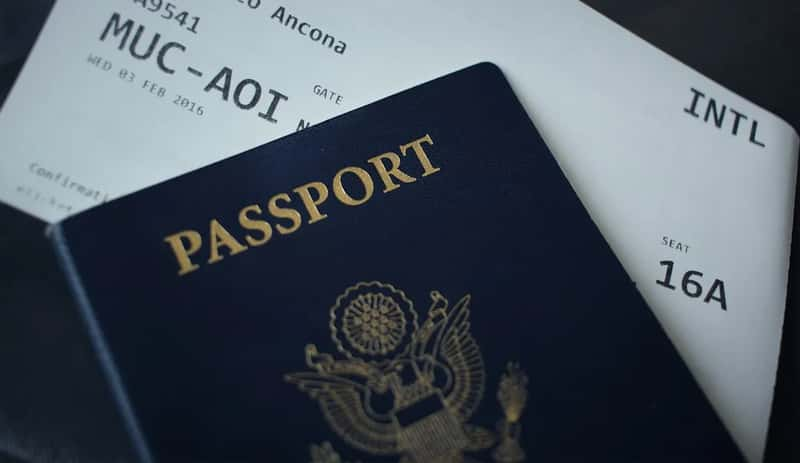
The most common slip is a mismatch between what you typed and what your passport’s machine readable lines show. One guide describes how even one character difference between what you entered and what your machine-readable zone actually shows triggers automatic rejection[3]. Names, passport numbers and dates of birth are all covered.
The worst case is an application that gets approved with the wrong data. Guides also flag the zero versus letter O problem in passport numbers as a typical cause of denied boarding. An approved eVisa with an error generally cannot be edited, so the usual fix is a new application and a new fee.
What an eVisa Costs and What You Don’t Get Back

The government fee is modest on paper. Most sources put it at US$25 for single entry or US$50 for multiple entry[4]. The trouble is that the fee on a flawed application is not refunded.
That means a second application, a second fee and, if you’re already booked, possibly a change to your flights. None of this is large alone. Costs usually stack when you’re trying to fix things at the last minute.
Passport Validity, Entry Port and Entry Date
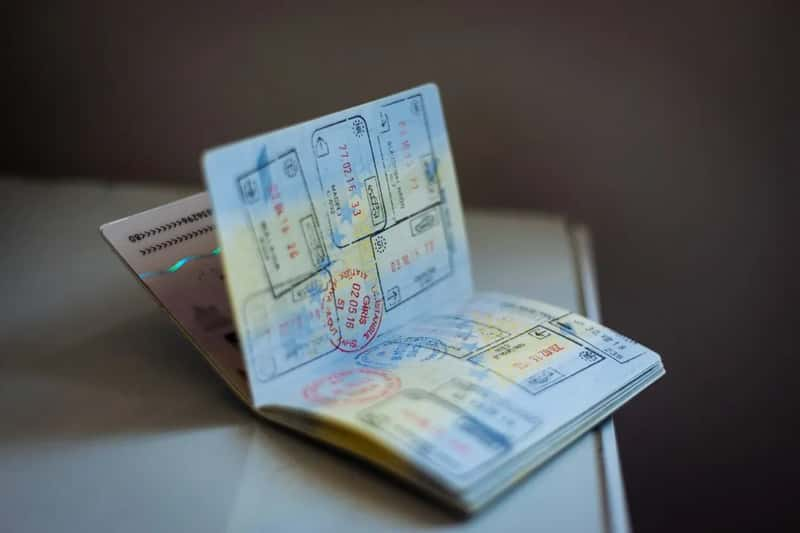
A few other details trip people up. Vietnam expects your passport to be valid for at least six months from the date you enter, not from today[3]. Choosing the wrong checkpoint is another cause of trouble, since an eVisa is only valid at the specific port of entry you declare on the application[5].
Dates matter too. You can only enter Vietnam on or after the entry date stated on your E-Visa[5]. Misreading validity dates can lead to early entry or to overstaying, which is where the costs start to climb.
The Exit Date Is Stricter Than People Assume
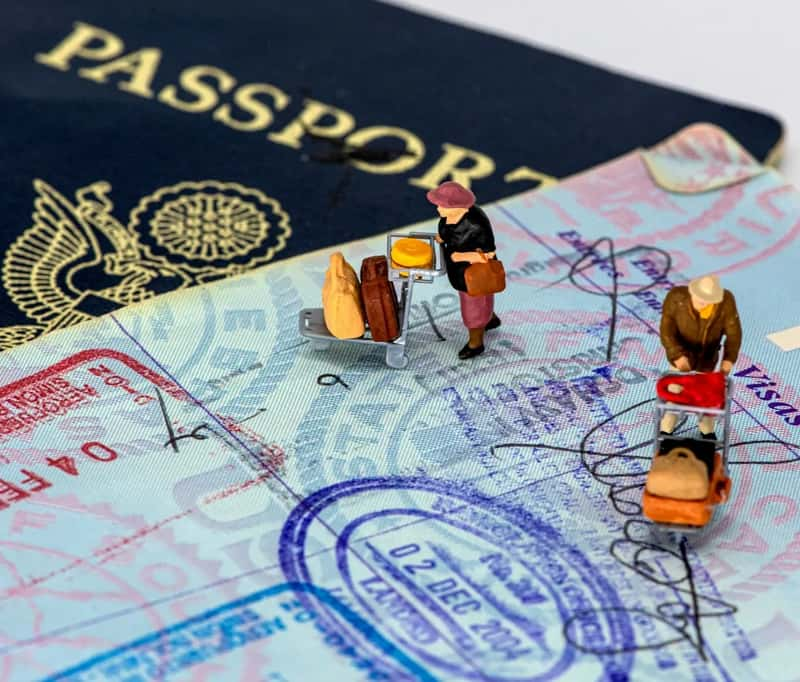
Your exit date is the last day you are legally allowed to be in the country. One source explains that you must leave by midnight on this date[6]. Leaving earlier carries no penalty, but one day late counts as an overstay.
Another guide gives an example of how this plays out. If an eVisa shows 04/09/2026, you must be out on or before September 4, and departure after midnight on September 4 counts as overstay[7]. Date formats differ between countries, so a day and month swap is an easy way to get this wrong.
You Can’t Extend an eVisa From Inside Vietnam
Many travelers assume they can fix a short stay once they’re in the country. They can’t. E-visas cannot be extended or renewed from inside Vietnam, so staying beyond 90 days means leaving and applying for a new one from outside[8].
The 45 day visa exemption is similarly rigid. Vietnam currently lets 24 countries[9] enter without a visa for 45 days, under two resolutions running to March and August 2028. Reporting on the exemption also says those stays cannot be extended, so leaving is the only option.
How Overstay Fines Work Under the 2025 Rules

Overstaying is an administrative offence, not a criminal one, so you get fined, not jailed[10]. Still, the scale changed. Decree 282/2025 doubled the maximum overstay fine to VND 40 million on December 15, 2025[9], which is about 1,520 US dollars.
The fine rises with the length of the overstay. According to one summary of the schedule, under 16 days costs VND 500,000 to 2,000,000, 16 to 30 days costs VND 5,000,000 to 10,000,000, and 90 to under 180 days costs VND 20,000,000 to 25,000,000[11]. The top band applies to stays of a year or more. Even one day[11] is already a violation.
Deportation, Entry Bans and the October 2026 Change
From day 16 of an overstay, deportation becomes possible as an additional penalty. One analysis says entry bans last six months after a forced exit and three years after deportation[10]. A separate decree, 59/2026, has governed the deportation procedure since April 1, 2026.
There is also a newer practical shift. One visa service reports that as of October 2026 airport immigration has stopped handling visa overstays[12], and that travelers who cannot pay face immediate deportation. Reporting on this is not uniform, and older guidance says authorities can stop overstayers from leaving until a penalty is settled, so check with the Vietnam Immigration Department before relying on either version.
How the Costs Can Add Up and How to Avoid Them
A bill near 2,800 dollars is easy to imagine from real components. The overstay fine alone can reach about 1,520 dollars at the top of the scale. Add a replacement eVisa fee, rebooked or new flights, accommodation and any deportation related costs, and the total climbs quickly. Exact flight and hotel costs vary too much to estimate here.
The prevention list is short:
- Copy your name and passport number from the machine readable lines, not from memory.
- Check zero versus the letter O, and one versus the letter I.
- Confirm the entry port and entry date match your actual arrival.
- Check that your passport is valid for at least six months from entry.
- Read the exit date the day the eVisa arrives, and apply for the longer visa if your dates are tight.
Check every field again at least a few days before you fly. A corrected application takes far less time when the flight is still days away.