Anyone who has booked a trip lately has probably noticed the final price rarely matches the number that first popped up on the screen. A hotel room advertised at a reasonable rate somehow turns into a total that includes a resort fee, a city tax, and a service charge nobody mentioned upfront. That pattern is not a coincidence, and it is not slowing down. Between rising fuel costs, overtourism backlash, and governments looking for new revenue, the gap between the advertised price and the actual price is widening fast, and travelers heading into 2027 are going to feel it in more places than ever before.
Tourist taxes keep climbing across Europe

Europe is in the middle of what one tracking site calls the biggest wave of new and rising overnight tourist taxes yet, with more European cities and countries introducing or raising these charges in 2026 than in any year before. Amsterdam already sits at the top of the list, charging 12.5% of the room price, working out to roughly 18 euros per person per night. Barcelona has taken an even sharper turn, with visitors this year paying about 6 euros a night for a youth hostel, 8.40 euros at a 4 star, and up to 12 euros at a five star hotel, per person.
None of this is done climbing either. Vienna is already moving from 3.2% toward 5%, with plans to reach 8% in 2027, and Barcelona’s regional surcharge is set to keep rising by about 1 euro a year through 2029. Norway has now joined in too, having approved a visitor’s contribution equal to 3% of accommodation cost after years of debate. For a family booking a European city break in 2027, these small nightly add-ons are quietly turning into one of the more predictable extra costs of the trip.
Airline baggage fees jump after the fuel shock

Checking a bag used to be a fairly stable cost, and then it stopped being one. In a single stretch between late March and early April 2026, every major US airline raised checked baggage fees in the same week, with Delta, United, Southwest, American, and JetBlue all increasing what travelers pay. The trigger was a wartime fuel crisis, as jet fuel prices more than doubled since February 2026 following military strikes on Iran.
The new normal is a first checked bag running about 45 dollars, with a second bag at 55 dollars or more. Industry watchers do not expect relief either, noting that a financial expert warned baggage fees are likely to stay sticky, meaning once they go up, they tend to stay there. Airlines also have a quiet financial incentive to keep leaning on bag fees rather than base fares, since baggage fees are not subject to the 7.5% federal excise tax applied to domestic ticket prices, so a fee increase puts more net revenue in an airline’s pocket than a fare increase of the same size. For a family of four checking two bags each, that single week of hikes added roughly 320 to 480 dollars more than they would have paid in February 2026.
Hotel resort fees and the new hidden charges

Federal rules were supposed to fix this. A rule that took effect in May 2025 requires hotels to show their full price upfront, and it has genuinely helped with transparency. The problem is that showing a fee is not the same as removing it. As one travel outlet put it, travelers who have booked recently probably noticed the fees didn’t shrink, they just moved.
Las Vegas remains the clearest example, where a recent count found that out of 90 hotels tracked, 45 had increased their resort fees, with an average fee of 42.36 dollars per night. Nationally, a NerdWallet study of 160 hotels found that resort fees average about 33 dollars per night and can range from roughly 15 to 50 dollars a day. Hotels have also gotten creative with the labels, layering on what one report describes as daily housekeeping fees, luggage storage charges, early check in premiums, and sustainability surcharges that are opt out rather than opt in.
Cruise lines bring back fuel surcharges

Cruising had mostly avoided fuel surcharges for close to two decades, since the last time passengers widely paid them was during the 2007 to 2008 oil price spike, with even the sharp 2022 spike not bringing them back. That streak broke this year. Two Asian based lines, StarCruises and Dream Cruises, notified passengers in March 2026 of new charges, with StarCruises adding roughly 25 dollars per guest per day.
Whether the big three follow depends heavily on how much fuel they locked in ahead of time. Royal Caribbean has an advantage here, having hedged roughly 60% of its fuel needs for 2026, which gives it a financial buffer and helps explain why it has said it will not impose surcharges. Carnival is in a tougher spot, since the company does not hedge fuel purchases at all, making it the most directly exposed of the major cruise groups to oil price swings. If a family books a typical seven night sailing on a line that does add the fee, the math works out to roughly 250 to 280 dollars in additional charges for a family of four, and importantly, these surcharges can sometimes be added even after the cruise has already been paid in full.
Museum and landmark entry fees on the rise

Some of the world’s most visited sites decided this was the year to raise prices, particularly for visitors coming from outside Europe. The Louvre is charging non European visitors 32 euros starting January 14, 2026, an increase of 45% for non European visitors. The Palace of Versailles moved at the same time, with non European visitors now paying 25 euros starting January 14, 2026.
Rome joined the trend too, charging a new fee to get close to the Trevi Fountain, with officials expecting the charge to bring in about 6.5 million euros that will go toward managing the city’s tourism. None of these fees are enormous on their own. Stacked together across a week long European itinerary that includes a couple of major museums and a landmark or two, though, they start adding up to a noticeable line item that simply did not exist a few years ago.
US cities and states raise their own lodging taxes

It is not just Europe pushing costs upward. Hawaii’s hotel tax rose this year, with the state now charging a 10% tax on hotel stays and vacation rentals, which is 0.75% higher than the former rate. San Diego overhauled its structure entirely, and travelers there now fall into one of three tax zones charging 11.75%, 12.75%, or 13.75% depending on location.
Smaller cities are piling on too, often in ways easy to miss on a booking confirmation. Newark added a hotel surcharge of three dollars for each occupied day starting January 1, 2026, while Hanford raised its transient occupancy tax from eight percent to twelve percent for stays billed from January 1, 2026 onward. New York City has also tightened its lodging bills, adding a separate unit fee of 1.50 dollars per unit per day on top of state and local occupancy taxes. Individually these amounts look small, but they reflect dozens of local governments making the same calculation at once.
New visa and entry authorization fees
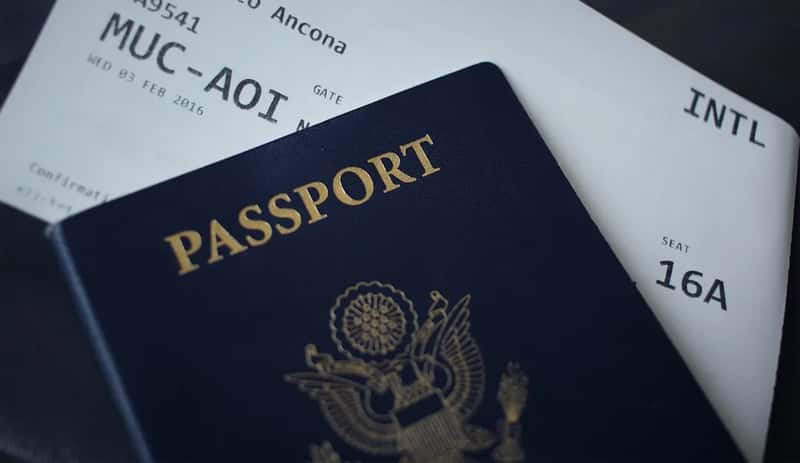
Getting into a country is starting to cost more before you even book a hotel. UK bound American travelers now need an Electronic Travel Authorization, which costs 16 pounds, or about 22 dollars. Europe’s own version, the ETIAS system for UK nationals, is expected to charge 17 pounds, or roughly 19.50 euros, and will be valid for three years.
These fees might feel minor compared to airfare, but the timeline is worth watching closely. The ETIAS launch has already slipped once, with reporting noting it could come into effect at the end of 2026, though it might not actually launch until 2027. For travelers planning multi country European trips, that means budgeting for entry fees is becoming as routine as budgeting for baggage, even if the amounts themselves stay modest for now.
Day tripper fees and overtourism levies
Some destinations have stopped worrying about overnight guests and started charging people who never even book a room. Venice brought its daytripper charge back for peak season, and visitors now pay 5 euros if they book ahead and 10 euros if they do not. Greece has gone further for cruise passengers stopping at its most popular islands, charging up to 20 euros to disembark at Mykonos or Santorini during summer.
Even tiny towns are getting in on this. The Dutch village of Zaanse Schans, with a population of just around a hundred people, started charging an entry fee for the first time after absorbing 2.4 million visitors last year. Tenerife added its own twist, introducing a new eco tax for hikers in its national parks. The through line across all of these is the same: places that used to welcome foot traffic for free are now treating visitor volume itself as something worth pricing.
Short term rentals face new limits and higher effective prices

Vacation rentals are not escaping the squeeze either, and in some cities the pressure is coming from supply restrictions rather than a direct tax. New York has tightened things considerably, where short term rental supply has been constrained by stricter registration and hosting limits, pushing travelers toward higher base prices before taxes are even applied. Barcelona is taking the most dramatic approach of all, moving toward a plan to phase out short term tourist apartments entirely by 2028.
Where rentals remain legal, the tax treatment is often getting stricter too. The Netherlands raised the accommodation tax rate from 9% to 21% of the overall stay as of January 1, 2026, applying to hotels, online rental platforms, bed and breakfasts, hostels, and guesthouses alike. Put together, the combination of fewer available listings and higher applicable taxes means the rental that once looked like the budget friendly alternative to a hotel is closing that price gap fast.
Where this leaves travelers heading into 2027

None of these individual charges are enormous on their own, and that is precisely the point. A few extra dollars on a checked bag, a few euros on a hotel tax, a small landmark entry fee, a fuel surcharge tacked onto a cruise invoice. None of it looks dramatic in isolation, but stacked together across a single trip, these charges are quietly reshaping what a vacation actually costs compared to the number a traveler first saw when they started planning.
The honest advice for 2027 is the same advice that keeps showing up across every one of these categories: check the full total before you book, not just the headline price. The gap between the advertised fare and the final bill has never been wider, and there is little sign that gap is about to close on its own.