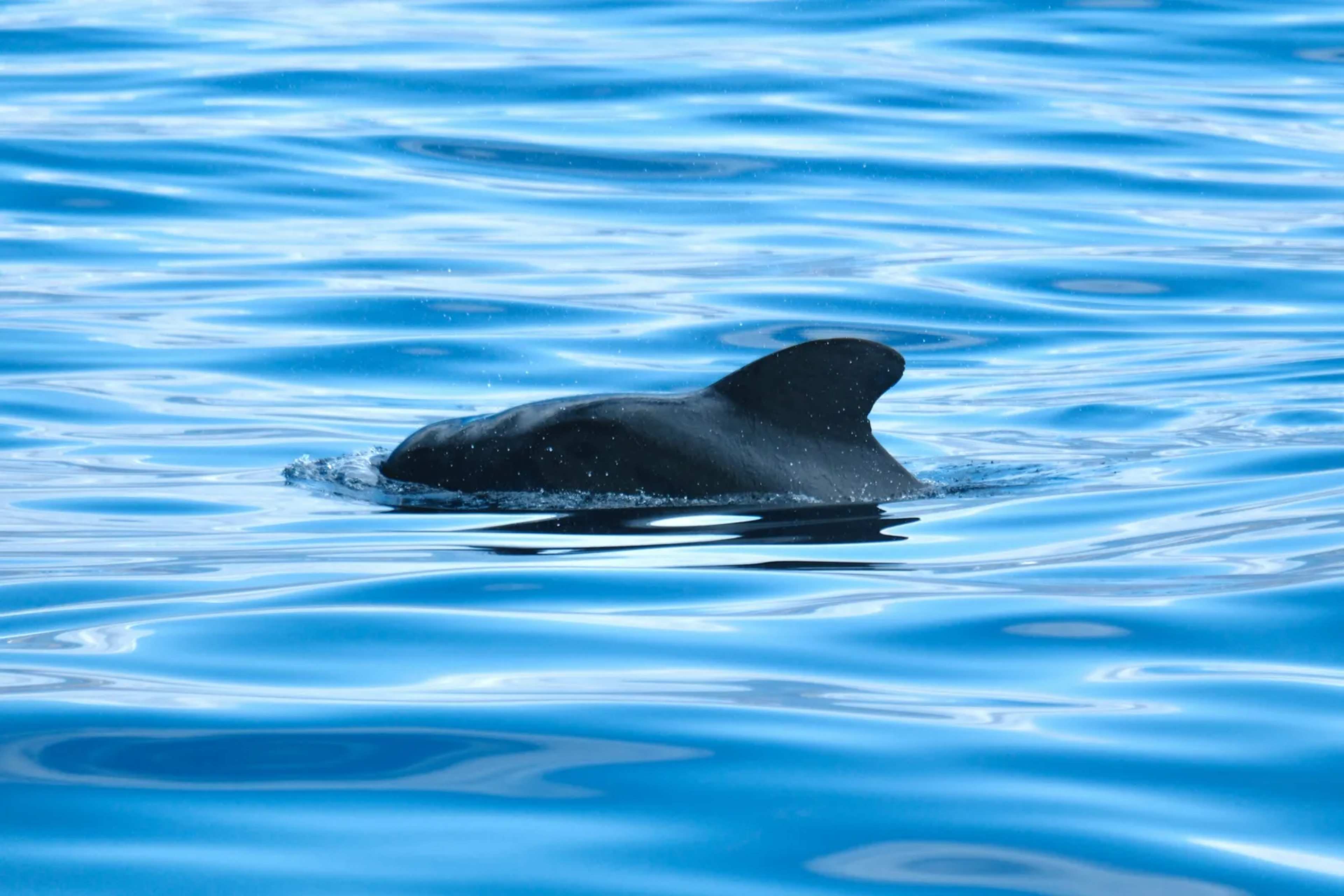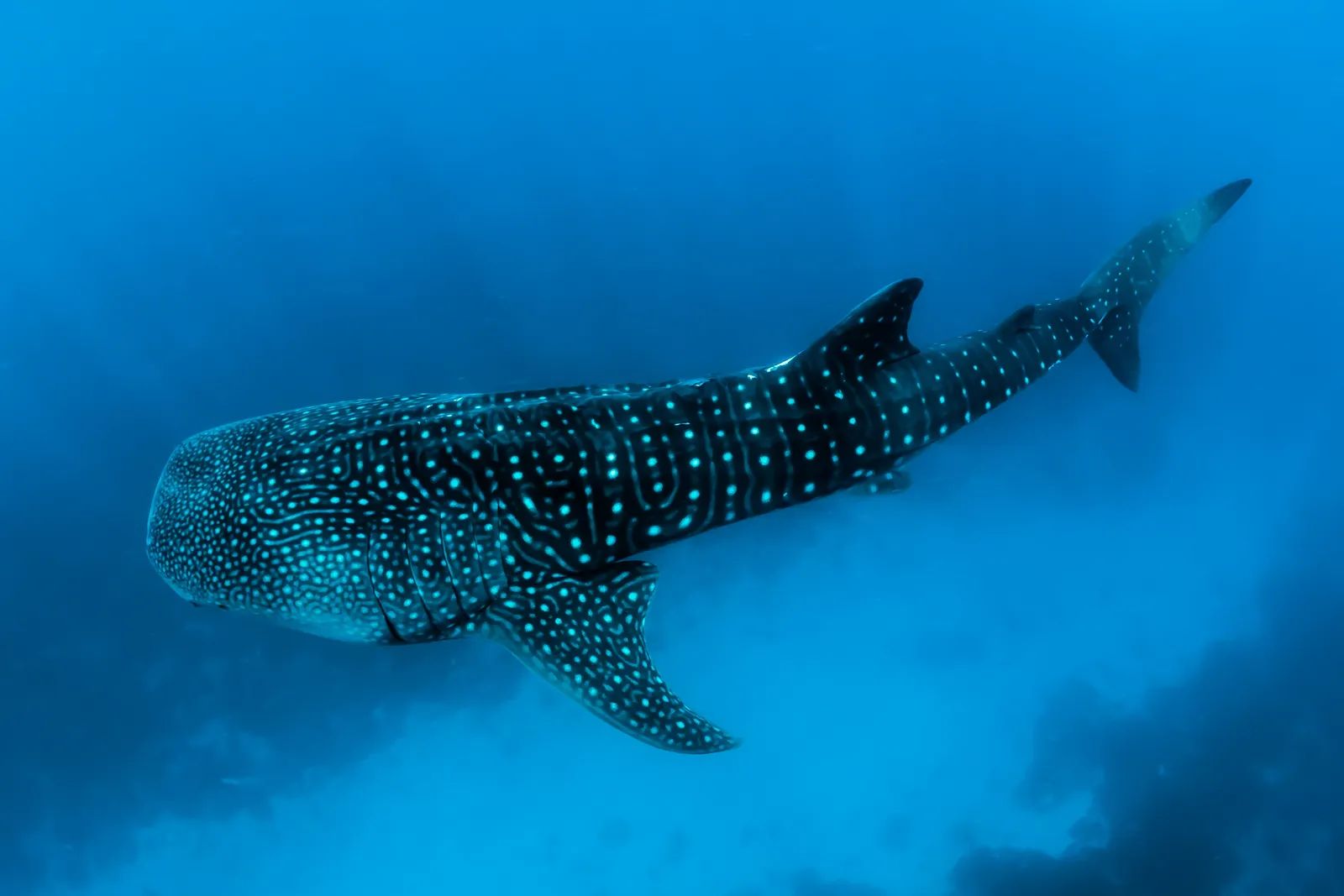
Plans for a marine protected area in Indonesia’s Saleh Bay could shield whale sharks at several stages of their lives, according to conservationists. The proposal reaches beyond the adult giants that gather there. It also targets the juveniles that appear to depend on the bay’s sheltered waters. The plan is Plans to create a marine protected area for whale sharks in Indonesia’s Saleh Bay ([1]), and it now awaits a national decision.
A bay that serves the whole life cycle
Whale sharks are the largest fish in the ocean, and their movements have long been difficult to protect. Saleh Bay offers something different. Adults pass through it on a migratory route and feed there, which has made the bay important for the species for years. Researchers have also gathered growing evidence that younger animals use the same water.
Juvenile whale sharks appear to develop in the bay because it combines abundant food with few predators. For a young fish, that balance matters. A protected zone that covers only adult feeding areas would leave a gap in the protection of the animals that will later return as adults.
Where the boundaries would fall
A provincial government document, which Mongabay reviewed, says the proposed zone would cover 90% of the known whale shark hotspots in Saleh Bay. The bay sits near the volcanic Mount Tambora on Sumbawa Island, in West Nusa Tenggara province. Monitoring of the species there began in 2015, and the IUCN classifies the whale shark as endangered.
That coverage figure gives the plan much of its weight. Hotspots are where animals concentrate, so protecting most of them would address the places where pressure from fishing and other activity is most likely to fall. The document describes the zone in terms of known sightings, which means its boundaries could shift as new data comes in.
A possible first pupping ground
The most striking possibility is also the least settled. Sightings of newborn whale sharks suggest the bay could be a pupping ground, a place where females give birth. If confirmed, it would be the first such site documented anywhere in the world.
Researchers have been careful on that point. They say the pupping claim has not yet been verified, and the bay’s status as a nursery rests on observations that still need further confirmation. That caution is important for readers to keep in mind. The evidence is promising, but it is not yet proof.
Related Stories From Travelbinger

What happens next
The proposal has the backing of the West Nusa Tenggara provincial government and local communities. What remains is a final decision from Jakarta, and that decision will determine whether the protections move from plans to rules. Several developments will shape the outcome:
- A final ruling from the national government in Jakarta on the marine protected area
- Further research to confirm whether Saleh Bay is used as a pupping ground
- Continued monitoring of juvenile and adult whale sharks in the bay
For local communities that have already backed the plan, the decision will affect how the bay is managed in the years ahead. For the whale sharks, it could mean protection that follows them through more of their lives. Whether the bay becomes the first documented whale shark nursery remains an open question, but a protected zone would give researchers a safer place to find out.