Every traveler knows the urge to capture the perfect shot. The excitement of standing before something you’ve only seen in photos before can make your finger practically itch toward that shutter button. Still, there’s a side to travel photography most people don’t think about until it’s too late.
Some images can land you in serious legal trouble, disrespect entire communities, or even put your own safety at risk. We’re in 2026, where a single photograph can instantly reach millions online. That means the stakes have never been higher. Let’s talk about what you really shouldn’t be photographing on your next adventure.
Military Bases and Defense Installations
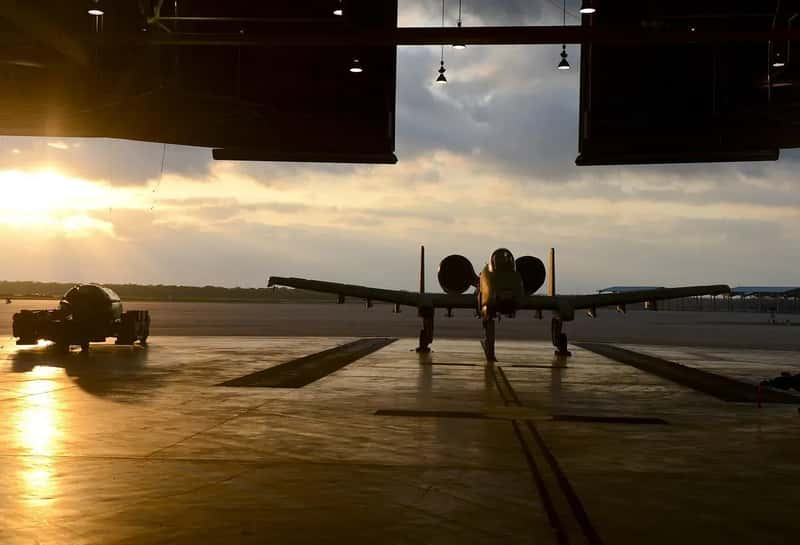
It is unlawful to photograph vital military and naval installations or equipment without first obtaining permission of the commanding officer, according to U.S. federal law. Violators can be fined or imprisoned for up to one year. This isn’t just an American thing either.
Countries worldwide enforce similar restrictions to protect national security. Military bases enforce strict policies to prevent unauthorized exposure of classified operations, advanced weaponry, and security protocols, as even a single leaked image could reveal strategic locations. A single photo with a restricted aircraft in the background can cause problems, even if the photographer never intended harm.
Airport Security Areas and Immigration Checkpoints
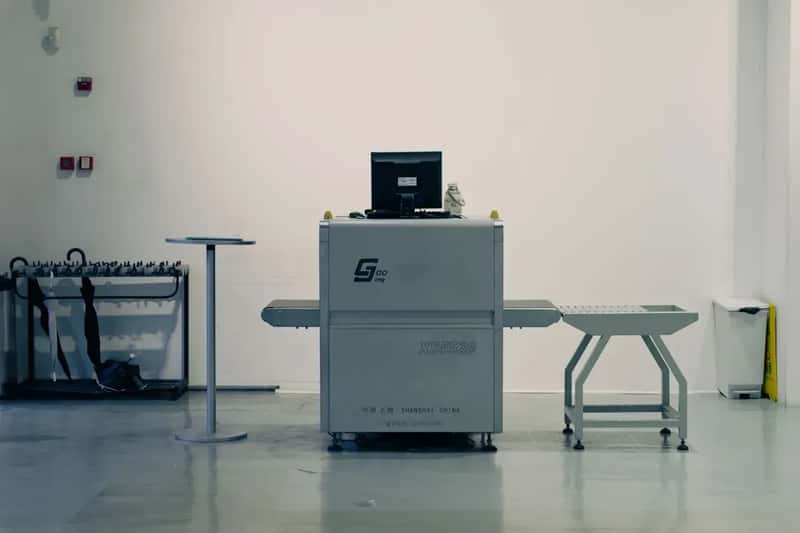
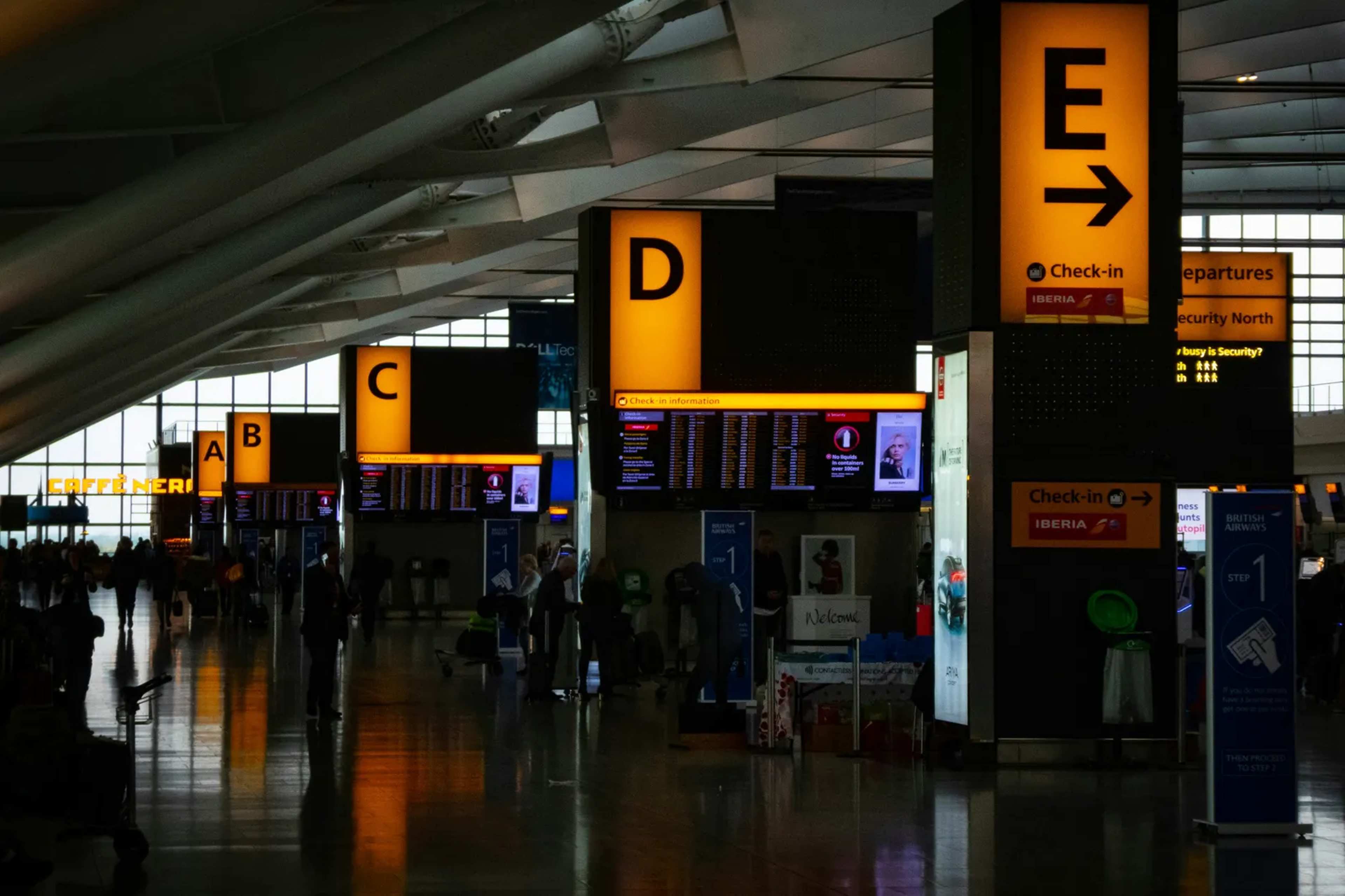
Security checkpoints might seem mundane, yet photographing them carries real consequences. Airports strictly prohibit photography to protect passengers and critical security operations, as authorities fear leaked images could expose surveillance blind spots or immigration procedures. Travelers caught taking unauthorized photos risk fines, questioning, or even confiscation of their devices.
In early 2024, ongoing discussions about TSA photography policies continued to generate confusion. While technically photography at screening areas might be permitted in some locations if it doesn’t interfere with operations, the reality is far more complicated. Security personnel have broad authority to determine what constitutes interference, and arguing about your rights while you’re trying to catch a flight rarely ends well.
Children Who Aren’t Your Own
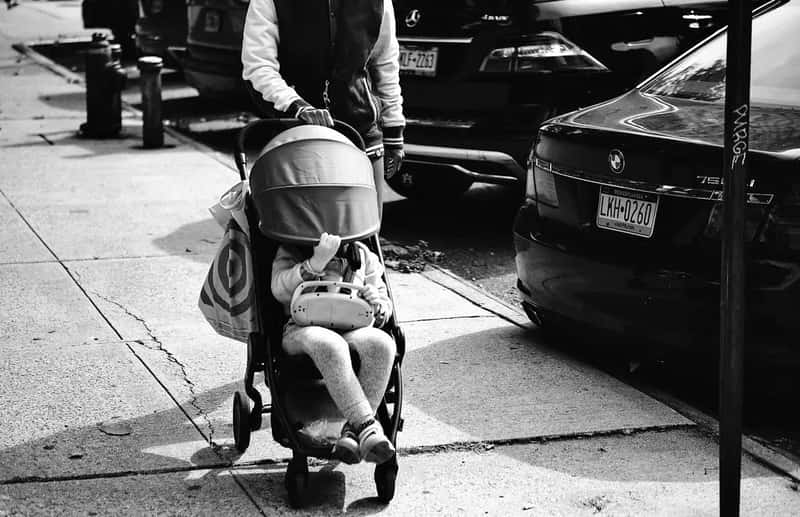
This one gets tricky fast. Legally, taking a photo of a child in public is often allowed, but the true legal risk lies in what happens next: how the photo is used, where it is shared, and whether it violates privacy or child protection laws. Commercial uses without consent are prohibited almost everywhere, and any sexual or exploitative use is a serious criminal offense.
Different countries have wildly different standards too. In the United Arab Emirates, taking unauthorized images of people, even in public spaces, can result in a fine of up to roughly one hundred thirty five thousand U.S. dollars and potentially jail time. In 2023, the Abu Dhabi Judiciary Department published guidelines that visitors should adhere to regarding this exact issue. Even if something is technically legal where you’re traveling, parents understandably get protective when strangers photograph their kids, and confrontations can escalate quickly.
Indigenous People and Local Communities Without Consent
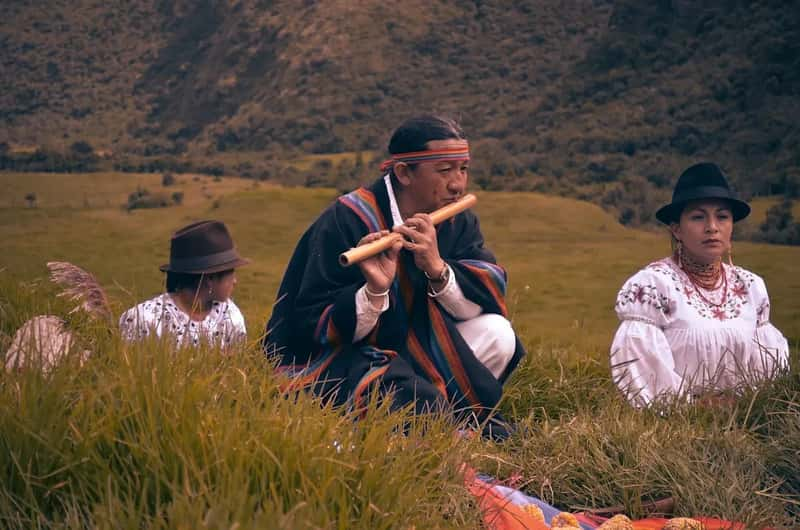
Here’s the thing about photographing people from Indigenous or traditional communities: A single photograph can honor dignity and tradition, or cause harm if taken without consent or context, as history is filled with examples of images taken without permission, reducing people to curiosities. For many Indigenous groups, there’s a belief that a little piece of your spirit is snatched away when you have your picture taken, representing one of many cultural nuances at play.
Ethical photography begins and ends with consent, treating it as an act of partnership to create images that carry integrity and honor the people you meet. Simply snapping away because someone looks “authentic” or “exotic” isn’t cultural appreciation. It’s cultural extraction. Respecting the rights of Native American communities is paramount, and it’s crucial to obtain informed consent from individuals and communities before taking their pictures or sharing them publicly.
Religious Sites and Sacred Spaces
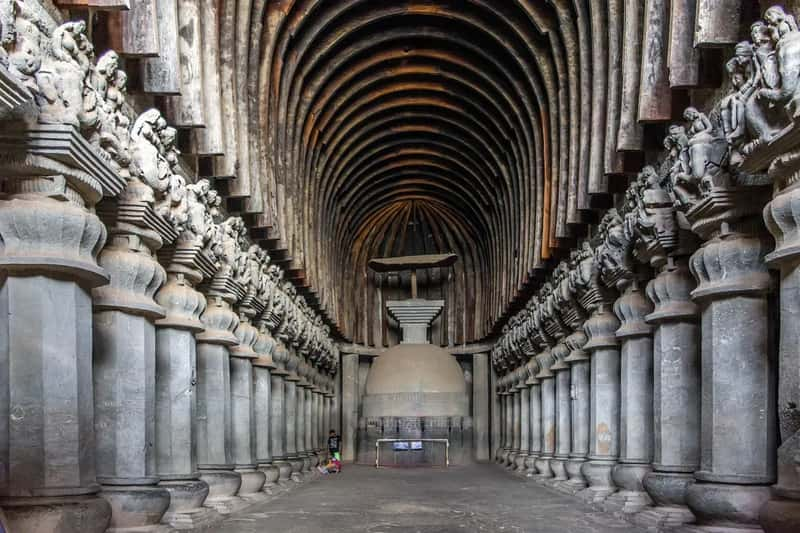
Walk into many temples, mosques, or churches worldwide and you’ll quickly notice the “no photography” signs. These aren’t suggestions. The primary reason photography is not allowed in temples is that they are sacred places to those who worship there, containing holy objects, and photographing inside is considered a sign of disrespect.
Under regulations in some locations, worshippers are not allowed to take pictures or record videos using mobile phones, professional cameras, or any other recording equipment within certain holy sites. If people are worshipping or meditating, taking photographs can be very disruptive, as worship is accomplished when people are still and focused, and there shouldn’t be noises or flashes happening in the background. Taking photographs and posting them openly invites security threats, as information about exits, specific positioning of items, and location of security cameras can be revealed.
Security concerns aside, spiritual respect matters most. Let’s be real: do you really need a photo of the inside of every sacred space you visit, or can the memory itself be enough?
Your Exact Location in Real Time
This one might surprise you since it’s not about what you photograph but what information comes with it. Geotagging your vacation photos while you’re still away essentially broadcasts to the world that your home sits empty. Smart thieves monitor social media for exactly this kind of intelligence.
The rise of location tagging on platforms like Instagram and Facebook throughout the early 2020s corresponded with increased reports of targeted burglaries. Privacy settings should be used to make sure only people you trust can see your profile and photos, and locations should not be tagged, while ensuring there isn’t anything that would allow a location or identity to be recognized. Save those stunning beach sunset posts for after you’re back home, when sharing them won’t compromise your security.
Think about it this way: every photo you take while traveling tells a story. Make sure it’s the story you actually want to tell, not one that creates problems you never anticipated. Did you consider what might be in the background before you pressed that button?