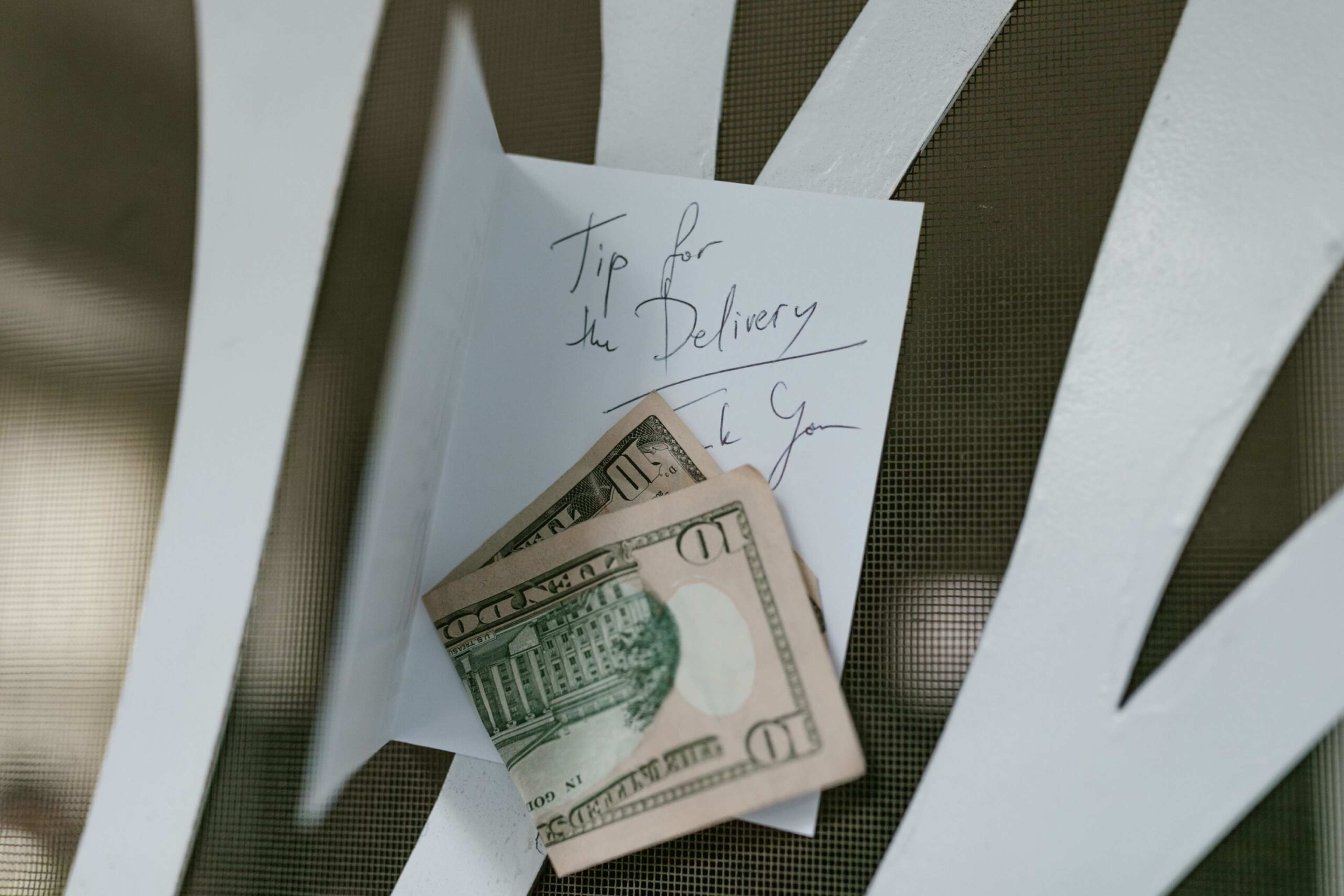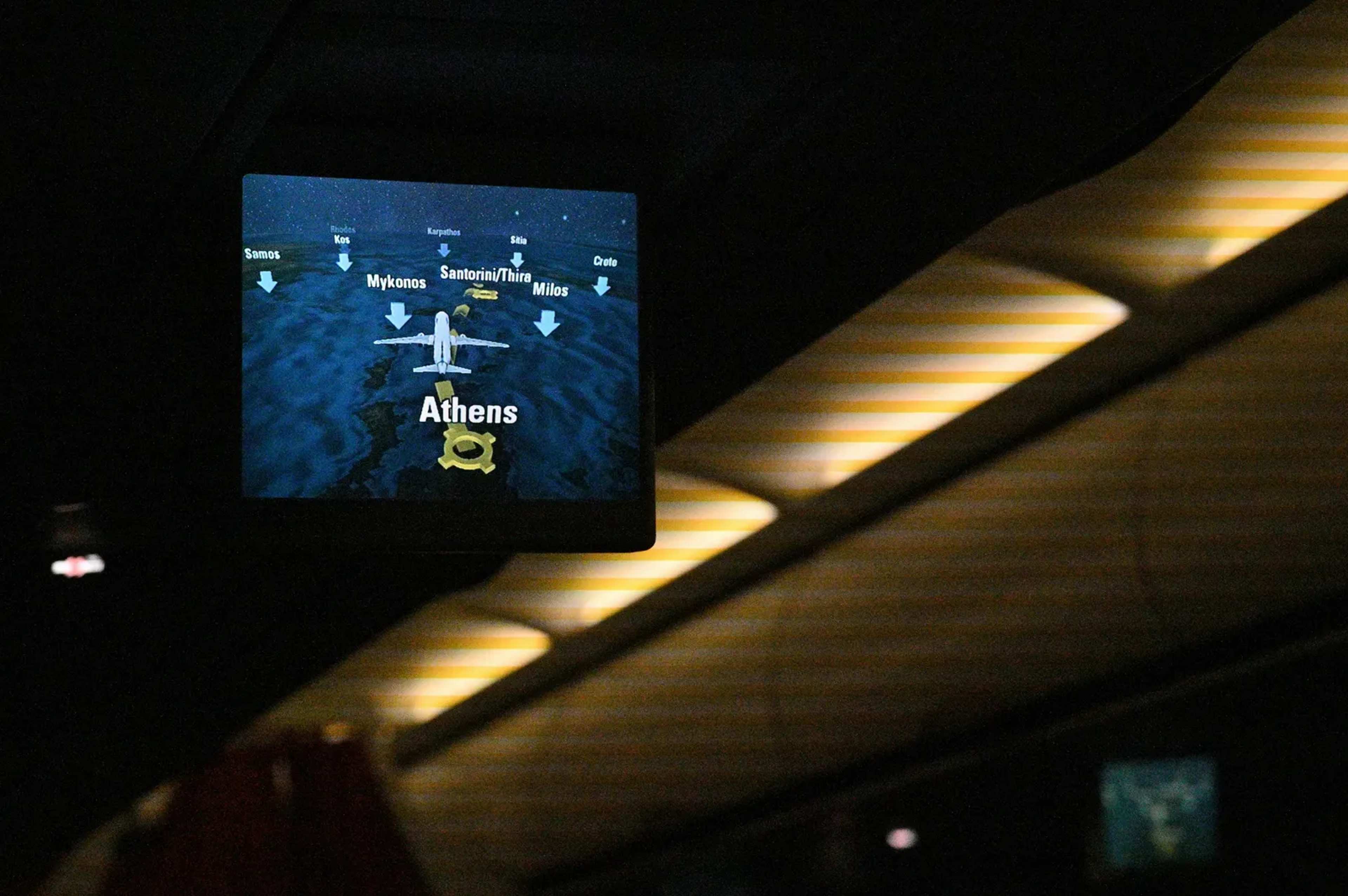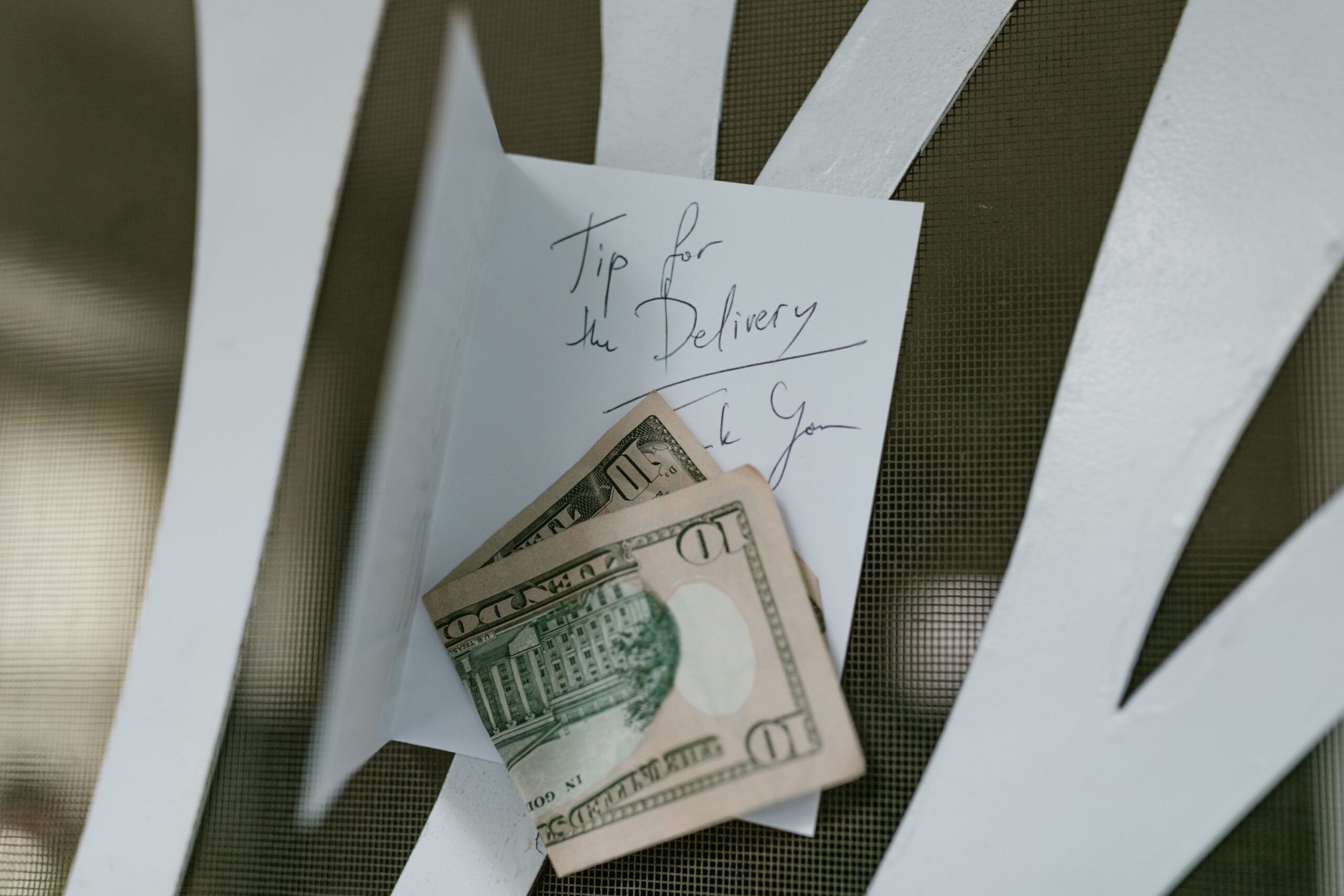
Few moments at the end of a trip feel as small and as loaded as the pause over a restaurant bill. You know a number is expected, or maybe it isn’t, and the answer changes every time you cross a border. A habit that feels automatic at home can look odd, or even unwelcome, a few thousand miles away.
Japan, Italy and Mexico make a useful trio because each one handles gratuity in its own way. One mostly skips it, one builds charges into the bill, and one leans on tips more than many visitors realize. Here is how the customs differ from what American travelers are used to.
Three Countries, Three Ideas of Service

In the U.S., fifteen to twenty percent is standard at restaurants, while ten to fifteen percent is more common in Mexico.[1] That gap is the easy part. Japan and Italy move further away from the American model, though for different reasons.
In Japan, service quality is built into pricing and professional culture, known as omotenashi, rather than into gratuity.[2] Italy works differently again, since servers there earn a living wage and there is no such thing as a tipped wage.[3] Mexico is closer to the American logic, because many service workers in restaurants, hotels and tourism depend on tips as a primary part of their income.[4]
Japan: Pay the Bill and Say Thank You
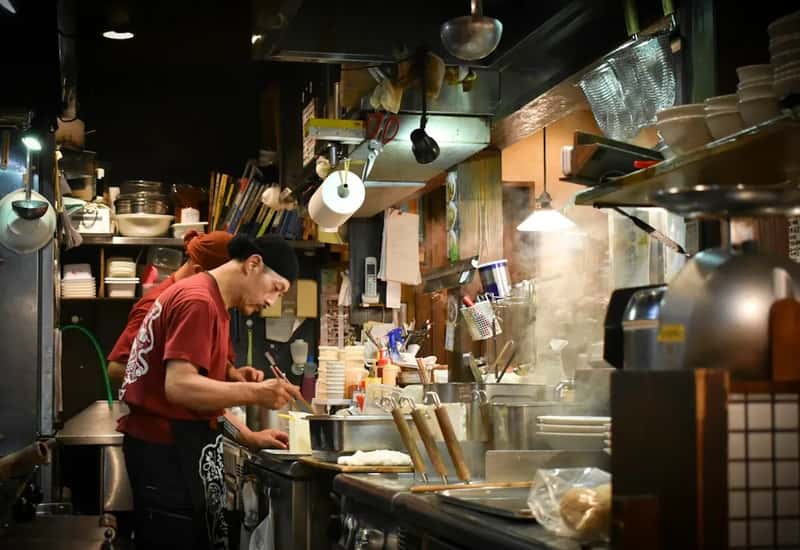
For ordinary situations, the guidance is consistent: no tip at standard restaurants, taxis, bars or hotels.[2] Payment is usually made at the register near the exit, not at the table.[5] Leaving coins on the table can backfire, since it often prompts staff to chase you down the street to return the money.[5]
That chase is not an insult. It reflects professionalism rather than rudeness.[5] A better way to show appreciation is to say gochisousama deshita, which means thank you for the meal.[6] Travel guides also report that many hotel staff are barred by company policy from accepting gratuities.[6]
Japan’s Rare Exceptions and Small Quirks
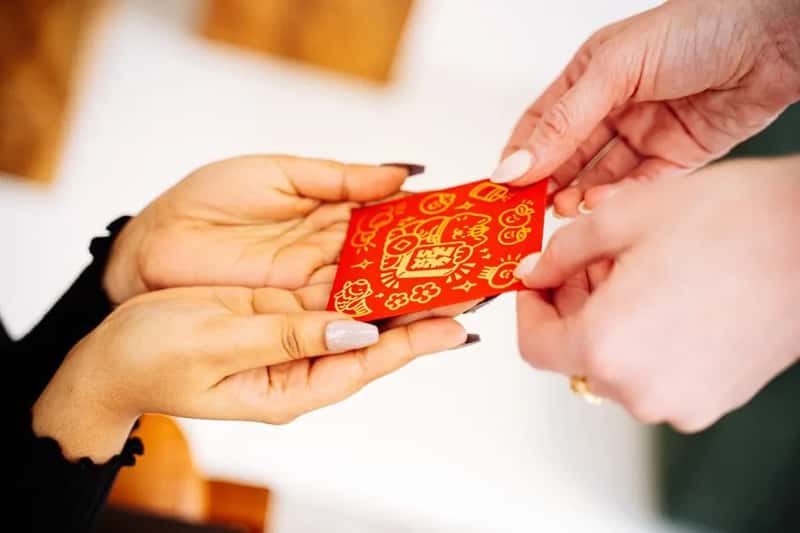
There is one traditional gesture that looks like a tip but isn’t quite one. It’s called kokorozuke, a small gratuity in an envelope for your assigned host at a ryokan, given at the start of your stay.[7] It is optional, increasingly rare even among Japanese guests, and usually ¥1,000 to ¥3,000 per person.[7] Some staff will decline it politely.
Private guides are another gray area, with one guide suggesting a small amount in an envelope for a private tour guide on a stay of several days.[8] On bills, you may meet charges that aren’t tips at all. Some tourist facing or internationally themed restaurants add a service charge of ten to fifteen percent,[5] and the otoshi seating charge at an izakaya is a normal, legal cover charge.[9] When you pay, place cash or a card on the small tray provided rather than handing it over directly.[5]
Italy: Coperto Is Not a Tip
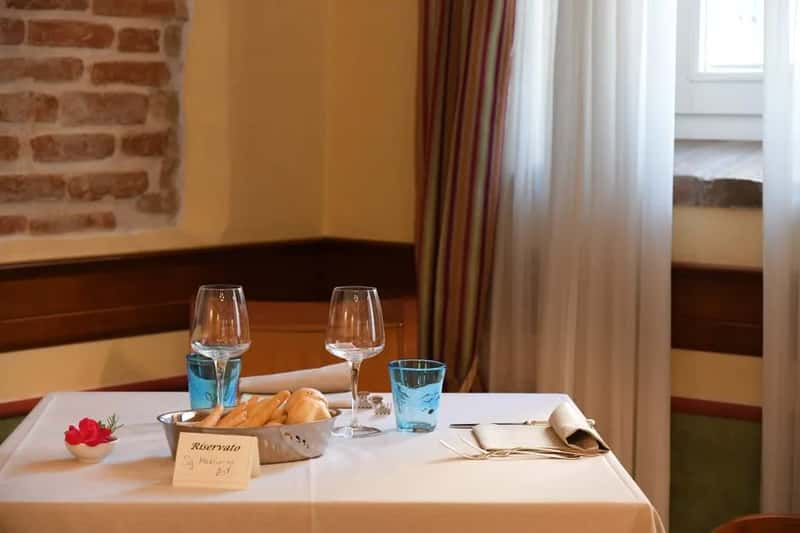
The first surprise on an Italian bill is usually the coperto. It’s a per person charge, usually between one and four euros, covering the table setting, cutlery and often the bread basket.[10] You pay it when you sit down, but standing at a bar for an espresso won’t trigger it.[3]
It’s also required to be visible, because the coperto must be listed on the menu by law.[11] One guide adds that the coperto goes to the restaurant, not directly to the server.[10] Treating it as a gratuity is, according to one rail operator’s travel blog, one of the most common travel mistakes.[12]
Italy: The Servizio Charge and What to Leave
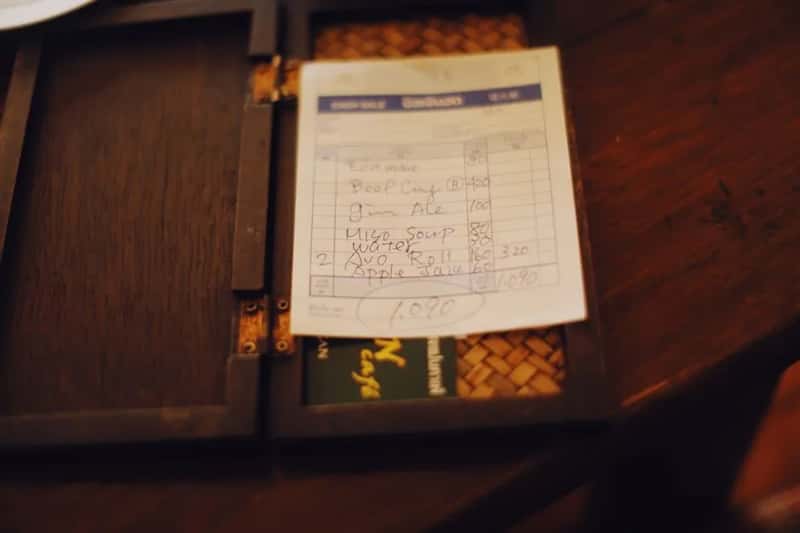
Servizio is a different line item altogether. It’s a service charge, typically ten to fifteen percent, that is much less common than the coperto and mostly appears in tourist heavy areas, with large groups, or sometimes in hotels.[10] Sources vary on its size, with another guide putting it at fifteen to twenty percent,[11] so the menu is your best reference. Where it appears, no further tip is needed.[10]
When there’s no servizio, tipping is voluntary, not obligatory.[13] Rounding up is the most common Italian approach, so a bill of 47 euros becomes 50.[13] Another guide suggests rounding up or leaving one to two euros per person for good service,[13] and warns that a twenty percent American style tip isn’t customary and can confuse or embarrass servers.[13]
Mexico: Ten to Fifteen Percent at the Table
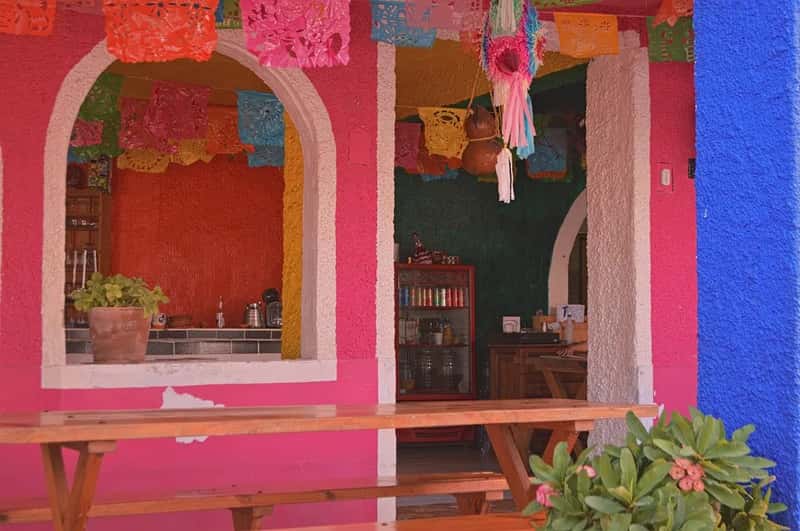
Mexico does expect a tip, though the math is a little gentler than in the States. The standard at sit down restaurants is ten to fifteen percent for good service and fifteen to twenty percent for exceptional service.[4] At neighborhood spots, ten percent is plenty at local fondas.[14]
Upscale places lean higher. At upscale restaurants in Mexico City, Tulum and Los Cabos, fifteen percent has become the norm.[4] One guide offers a simple example: on a bill of around 500 pesos, 50 pesos is a standard tip.[1]
Mexico: Read the Bill Before Adding a Tip

In Mexico, the bill doesn’t include a service charge by default, so look for propina incluida or servicio incluido near the bottom.[4] The catch is that some resort areas add one anyway. In beach resort areas such as Cancún, Los Cabos and Puerto Vallarta, some restaurants add a fifteen to eighteen percent service charge automatically.[14]
Reports also say that PROFECO, Mexico’s consumer protection agency, issued a nationwide warning in early 2026 after busy tourist restaurants in Cancun began adding a fifteen percent charge automatically.[1] On payment terminals, some display ten, fifteen and twenty percent buttons, while others ask for a peso amount.[15] If a tip shows up without your consent, ask the server or manager to remove it before authorization.[15] Cash is usually the safer route, since cash tips are preferred by restaurant staff even if you pay the bill by card.[4]
Mexico: Hotels, Bars, Taxis and Tours

Tipping in Mexico reaches well beyond restaurants. One guide lists 20 to 50 pesos per bag for hotel porters and 50 to 100 pesos per night for housekeeping, left daily.[16] At bars, 20 to 50 pesos per round works, or ten to fifteen percent of the tab with sit down service.[4]
Taxis are looser. Tipping drivers isn’t required and is less expected than in the U.S., though rounding up to the nearest 10 or 20 pesos is a common courtesy on short journeys.[4] For tours, one guide suggests 100 to 200 pesos per person for a half day and 200 to 500 pesos for a full day.[16] Even small jobs count, as grocery baggers are typically given 5 to 20 pesos.[16]