The United States contains millions of acres of wetlands and streams that draw birders, paddlers, anglers, and hikers each year. A fresh proposal from the Trump administration would narrow the federal definition of protected waters, leaving many of those places outside the reach of Clean Water Act safeguards. The change builds on a 2023 Supreme Court ruling that already limited the Environmental Protection Agency’s authority. Public comments on the latest version close October 9, 2026. ([1])
From Court Decision to New Definition
The Supreme Court’s Sackett v. EPA decision in 2023 restricted federal oversight to “relatively permanent” waterways. That phrase left room for interpretation, prompting the administration to issue an earlier rule last November that treated waters flowing daily or during a defined wet season as covered. The newest proposal tightens the standard further, requiring continuous daily flow except for brief interruptions such as droughts shorter than 30 days.
Under the Clean Water Act, companies and individuals must secure permits before discharging pollutants or dredge-and-fill material into covered waters. A narrower definition means fewer permits would be required in many locations, particularly intermittent streams and wetlands that do not meet the daily-flow test.
Where the Changes Would Be Felt Most
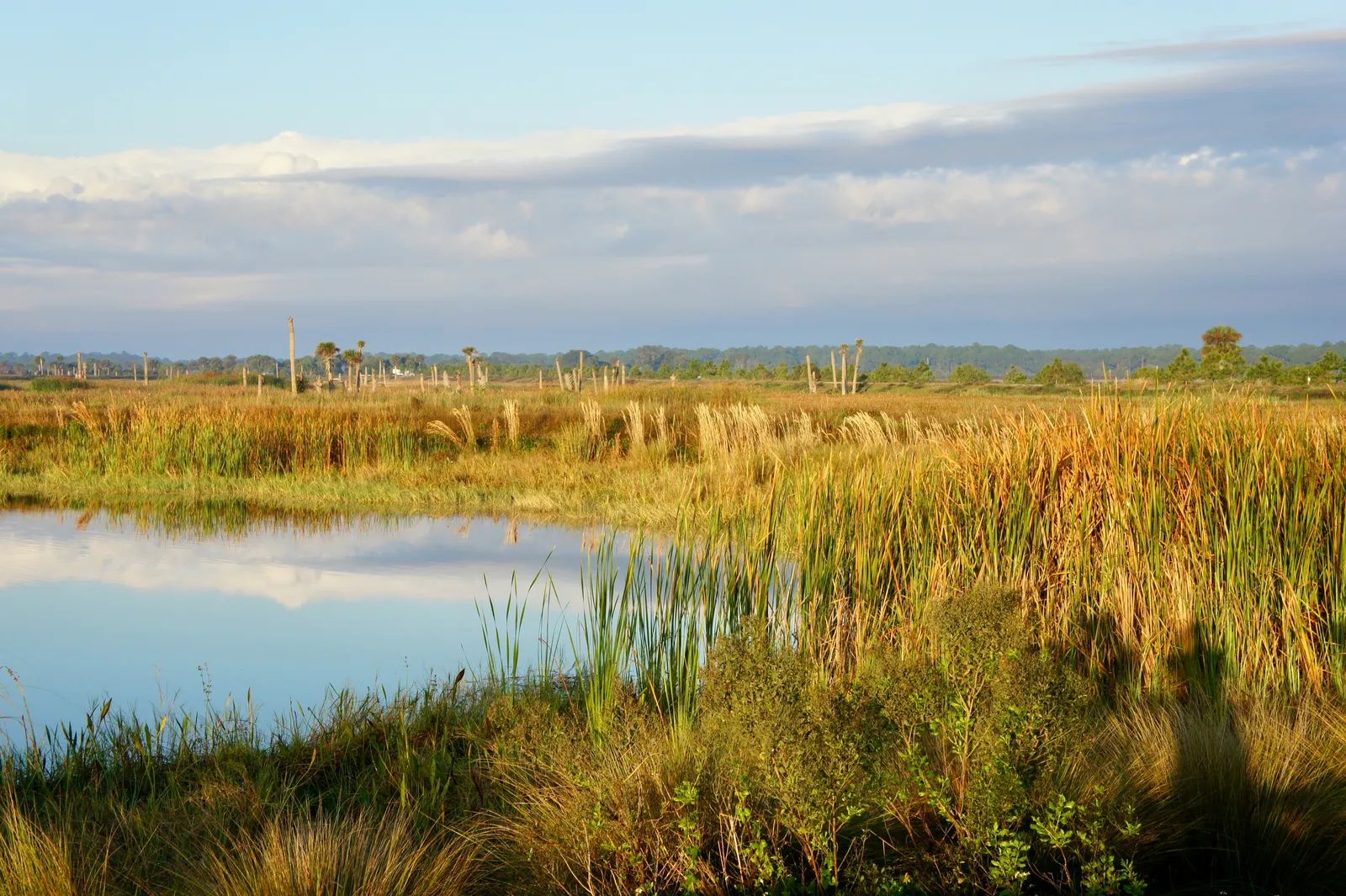
Arid and semi-arid regions stand to lose the largest share of protections. Western states already host many seasonal streams and isolated wetlands that support migratory birds and local wildlife. Similar features appear across the Great Plains and parts of the Southeast, where seasonal flooding creates critical habitat for fish and amphibians.
Travelers who visit national wildlife refuges, state parks, and private preserves for kayaking, wildlife photography, or fishing could eventually notice shifts in water quality or habitat condition if development or agricultural activity increases in newly unprotected areas. The proposal does not immediately close any sites or alter access, yet environmental groups warn that reduced oversight could accelerate habitat loss over time.
Stakeholders and Practical Consequences
Landowners and developers gain clarity on which projects require federal review, potentially speeding approvals in some cases. Conservation organizations and outdoor recreation businesses, however, see greater risk to the scenic and ecological qualities that attract visitors. States retain their own regulatory tools, though many rely on the federal baseline to maintain consistent standards across watersheds.
The timeline matters. With comments due in less than a month, final adoption could occur before the end of the year or early in 2027, depending on the volume of feedback and any legal challenges. Travelers planning multi-year trips to wetland destinations may want to track state-level responses in the interim.
How to Weigh In Before the Deadline
Anyone can submit comments through the Federal Register docket referenced in the proposal. Written remarks from individuals, businesses, and advocacy groups all become part of the public record and can influence the final language. The Center for Western Priorities has already highlighted concerns about arid-region streams that support both wildlife and recreation.
Even after the comment period closes, implementation would face scrutiny from courts and Congress. The outcome will shape which waters remain under federal watch and, by extension, which landscapes continue to draw nature-focused travelers in the years ahead.