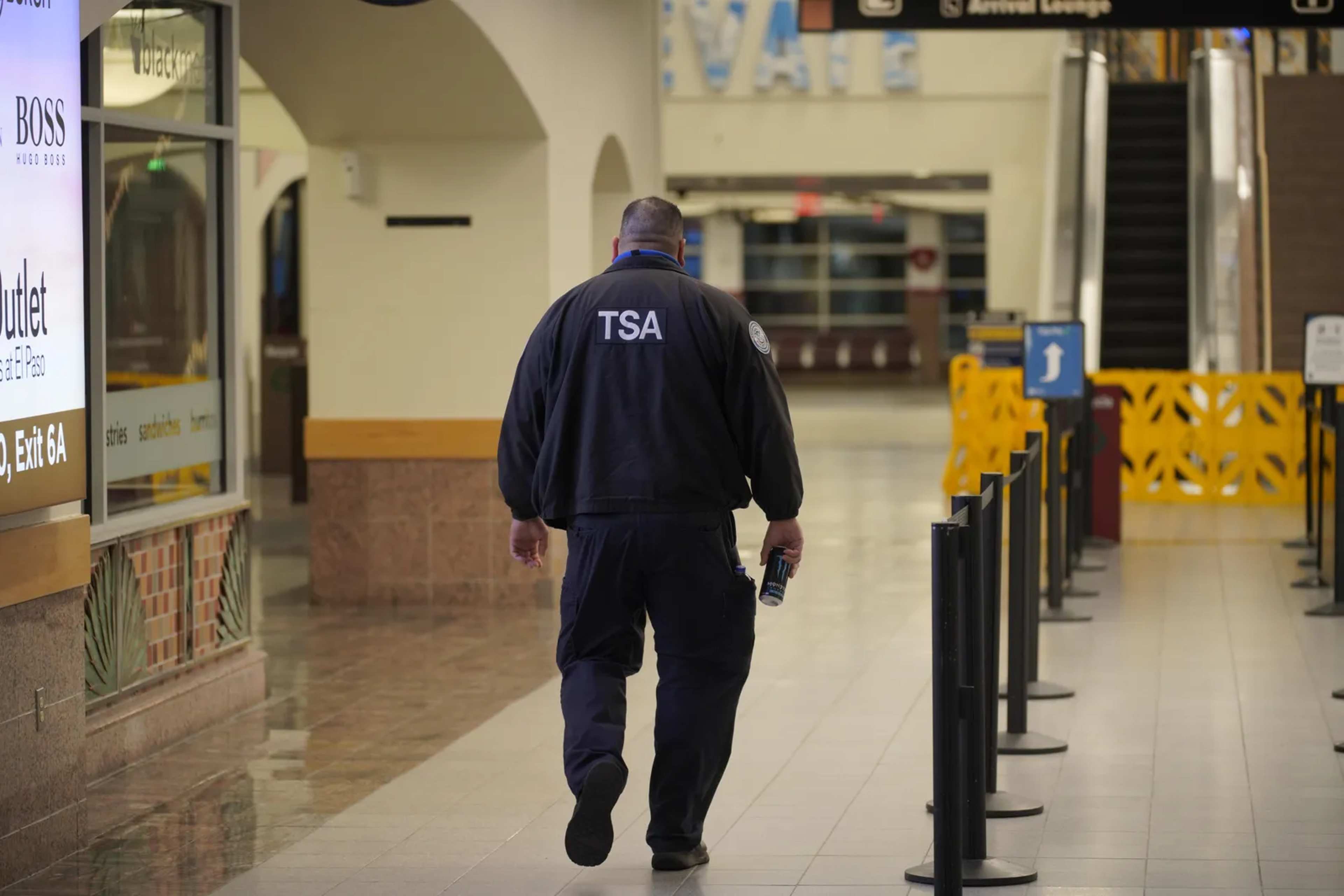
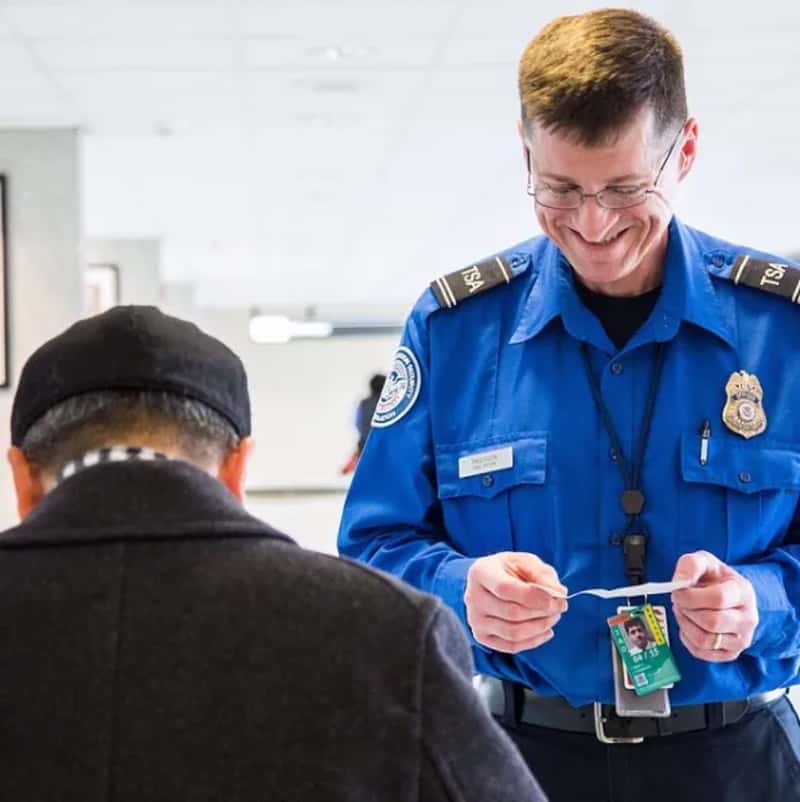
Next time you hand over your ID at airport security, take a look at the officer’s podium. The stool or chair that used to sit there may be gone. The Transportation Security Administration confirmed on Tuesday, September 29, that airport security employees checking boarding passes and IDs will no longer be allowed to sit while working.[1]
The headline suggests a sweeping rule for every TSA employee, but the reporting points to something narrower. The change targets one specific checkpoint role, and it has already drawn a formal protest from the officers’ union. Here’s what is known so far, and what isn’t.
What TSA Actually Changed
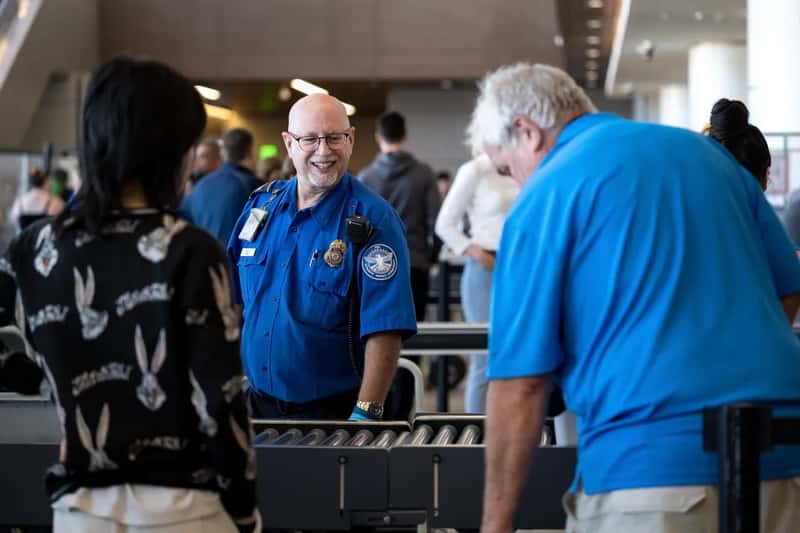
The core of the policy is simple. All chairs are being removed from the travel document checker podiums at the entrance to checkpoints nationwide, according to the union representing the screeners.[1] Without a chair, officers at that post have to stay on their feet for the whole shift.
TSA has described the move in positive terms. In a statement, the agency called it a “welcome change” that reinforces both security posture and hospitality.[2] Coverage from several outlets repeated that language almost word for word, which suggests it came from a single official statement.
Who the Rule Covers, and Who It Doesn’t
Despite broad headlines, the rule isn’t described as covering every TSA officer. Fox News reported that the standing rule applies only to ID-check officers.[3] Officers working other stations, such as bag screening or body scanners, aren’t named in the coverage I reviewed.
That distinction matters when you consider the size of the workforce. TSA says nearly 50,000 agents work at about 440 airports nationwide.[4] The document checker position is only one role among many, though it’s one nearly every traveler meets first.
Why TSA Says Officers Should Stand
TSA gives two reasons, and they’re fairly general. The agency said the rationale was twofold: making sure employees meet its fitness standards and creating an amiable environment for travelers.[5] In its words, all officers must be capable of performing their national security function while creating a welcoming and professional setting.
The agency also leans on the visibility of the job. TSA noted that document checkers are often the first employees travelers interact with at security checkpoints.[6] The implication is that a standing officer looks more alert and more approachable, though TSA hasn’t published details beyond that.
How the Rollout Happened
The timing has become part of the story. The union said chair removal had already begun at most commercial airports, and one union leader said neither AFGE nor its local chapters received formal notification.[1] Workers appear to have learned about it informally first.
Accounts of the exact start date vary. CNN reported that every chair is being removed nationwide, while some employee accounts indicate certain airports had already removed them months earlier.[8] Those employee accounts are anecdotal, so it’s wise to treat the earlier timeline as unconfirmed.
New Leadership and a Wider Overhaul
The change arrived early in a new administrator’s tenure. CNN noted the policy came nearly two months after David Cummins took over as TSA administrator.[9] His announced priorities go well beyond chairs.
That broader plan, as CNN described it, includes expanding TSA PreCheck, rolling out new technology, privatizing some checkpoints and improving the passenger experience.[1] Still, it isn’t clear whether requiring officers to stand relates to this overhaul.[1] Linking the two would be speculation.
A Workforce Already Locked in Labor Disputes

The union’s frustration didn’t start with chairs. The agency’s relationship with AFGE has been contested in court since 2025. In a January 15, 2026 ruling, a federal judge blocked TSA from eliminating a collective bargaining agreement covering approximately 47,000 airport security screeners.[10]
That history gives context to the union’s claim that it wasn’t consulted. The union suggested the change likely came from leadership working groups at headquarters that did not involve it.[2] That is the union’s reading, not a finding. I couldn’t find a source showing whether the standing rule raises any legal question under the existing agreement.
What We Still Don’t Know
Several things remain unclear. TSA hasn’t released evidence showing that removing the chairs itself improves threat detection.[8] Likewise, the sources I reviewed don’t include data on injuries, fatigue, or shift lengths at document checker posts.
It’s also uncertain whether any exceptions exist, such as accommodations for officers with medical conditions. The agency’s statement references fitness for duty requirements, but I didn’t find details on how they apply here. Until TSA or the union publishes more, claims about health effects, good or bad, are predictions rather than facts.
What Travelers May Notice
For most passengers, the visible difference will be small. The officer at the podium will be on their feet, and the chair will be missing. Wait times, ID requirements, and screening procedures haven’t been reported as changing.
Whether the experience feels more welcoming is a matter of opinion, and TSA hasn’t offered traveler survey data to back the claim. The policy is only days old, and further reporting will likely show how it plays out at busy checkpoints. If you fly soon, you’ll be able to judge the change from the front of the line.