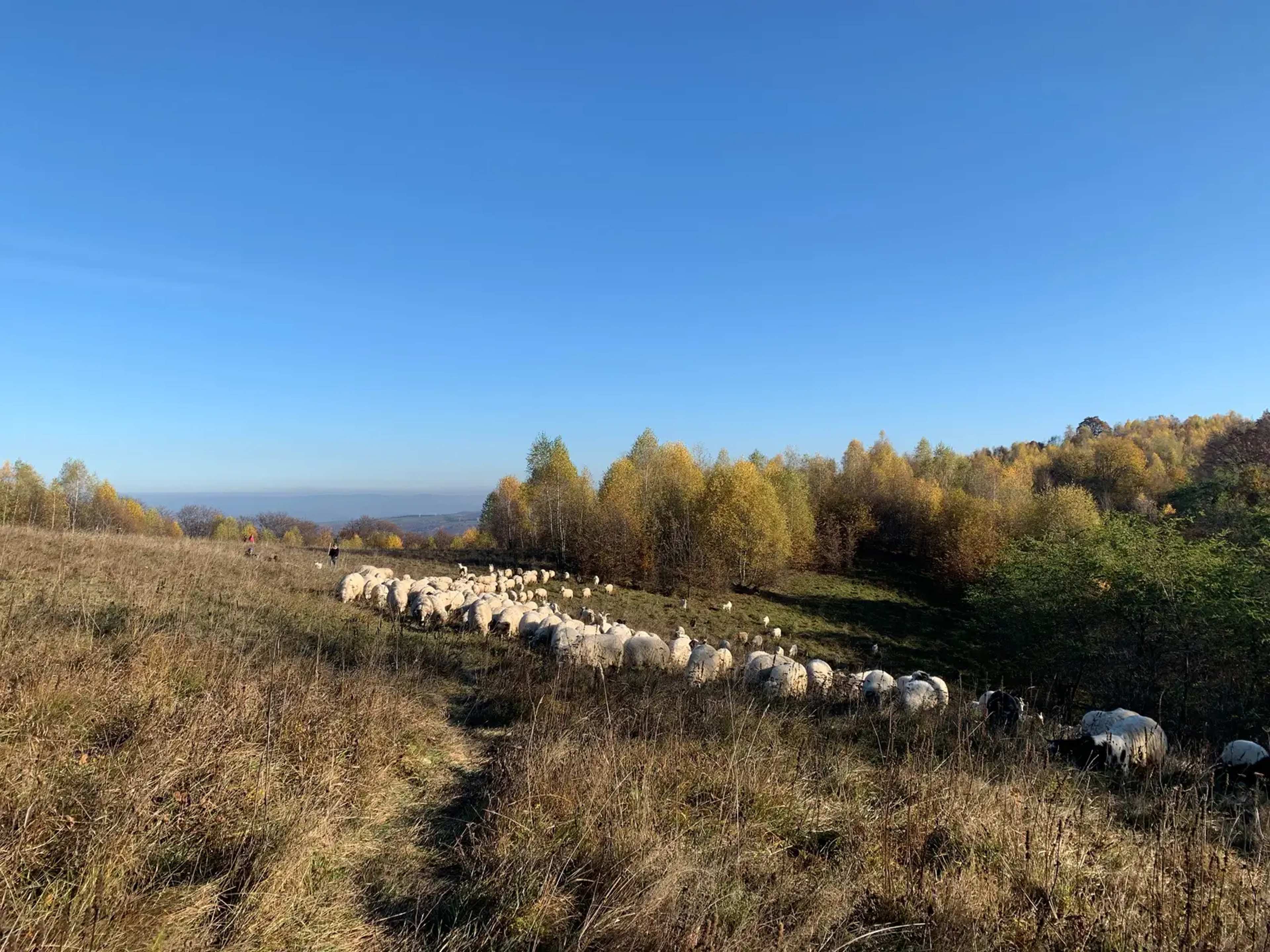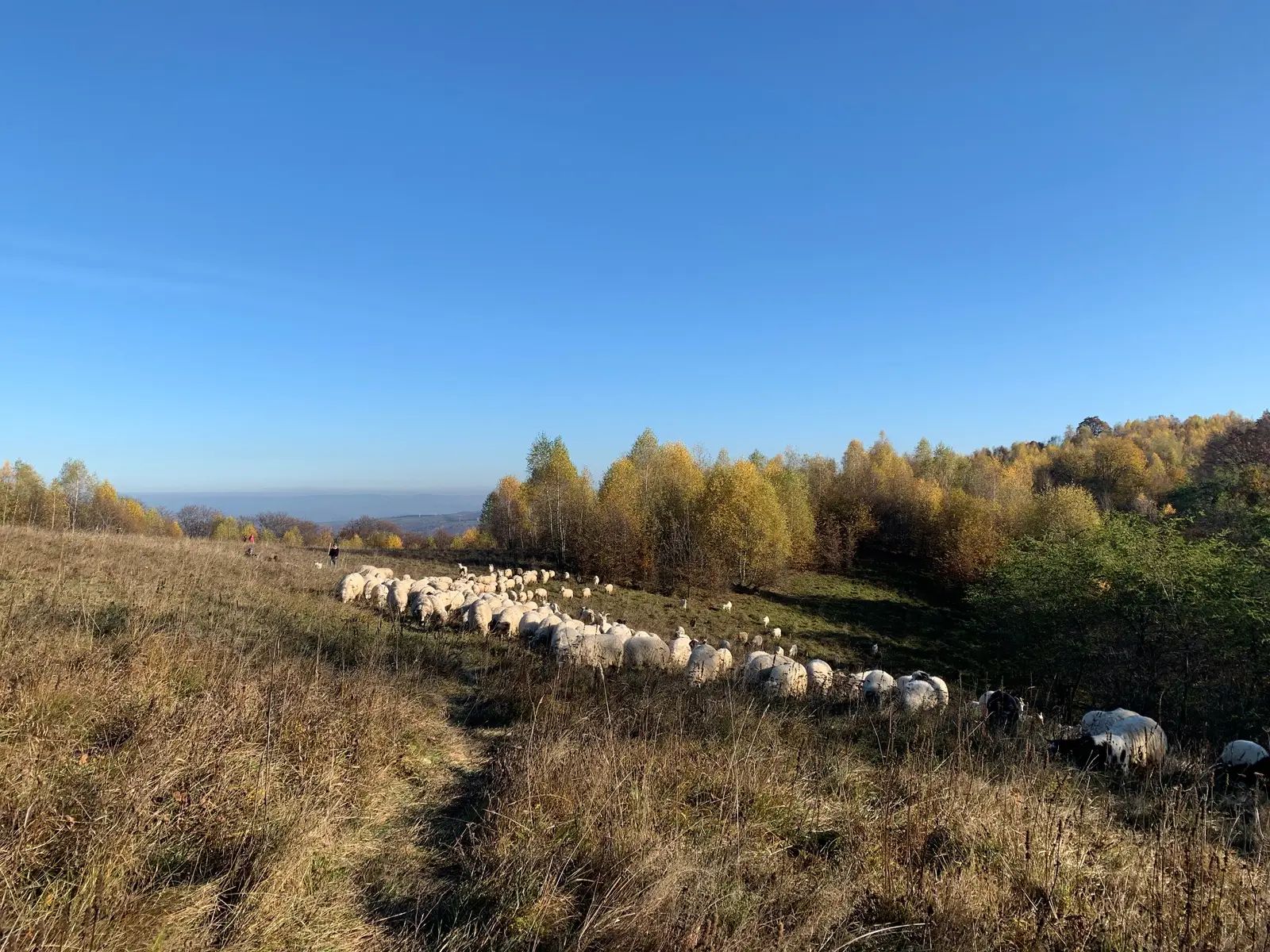
Vershire, Vermont – Sabra Ewing and Sebastian Lousada bought a former dairy farm where old apple trees already stood among the pastures. They noticed the grass grew noticeably thicker under the tree canopies than in the open fields. Their sheep soon began to favor those shaded areas, and the manure the animals left behind added further richness to the soil and plants below. ([1])
Observation Drives Early Decisions
The couple paid close attention to how the animals used the land. Ewing recalled that farmers spend much of their time watching patterns in the field. When the heritage sheep entered the orchard area, the preference for shade became clear within days. The lusher growth under the trees offered both better forage and protection from the sun.
These early signs aligned with a practice known as silvopasture, in which livestock graze among trees that provide shade, improve soil, and diversify farm output. The 250-acre property included roughly 30 acres of pasture that already showed promise for this approach.
Grants Help Expand Tree Cover
Ewing and Lousada applied for support to add more trees across the pasture. A grant from the American Farmland Trust covered costs for planting additional species alongside the existing apples and maples. Funding from the U.S. Department of Agriculture’s Natural Resources Conservation Service also contributed to the effort.
The couple used the resources to introduce 80 varieties of apples and other useful trees. The expanded canopy now shelters the sheep while the animals continue to fertilize the ground beneath. Ewing described acting quickly on the grant because the idea already matched what she had seen in the field.
Farm Products Reflect the System
Flag Hill Farm now raises heritage sheep breeds under the mixed tree cover. The animals supply high-quality wool and help maintain the pasture through grazing. The farm also operates an on-farm distillery that turns apples into hard cider and brandy.
This combination of livestock, trees, and value-added processing creates multiple revenue streams from the same land. The system reduces reliance on external inputs while the trees and animals work together to build soil health over time.
Trend Continues Despite Shifting Support
Silvopasture has drawn interest from other U.S. farmers who see similar benefits in animal preference and pasture quality. Many have adopted the method even as some earlier financial programs have become less available. The Vermont example shows how observation and targeted grants can launch the practice on a working farm.
Stakeholders such as landowners, conservation groups, and agricultural agencies continue to track how these systems perform when public funding changes. The practical results at Flag Hill Farm illustrate one path forward for producers seeking to integrate trees and livestock.