Most people assume overnight road trip parking is simple: find a big lot, kill the engine, and sleep until sunrise. Veteran road trippers know that assumption is exactly what gets people towed, ticketed, or startled awake by a flashlight tapping on the window at 2 a.m.
The truth is messier than any single blog post admits. A Walmart that welcomed RVs last spring might have a “no overnight parking” sign posted by fall, and a rest area that feels perfectly legal in Texas can get you a knock from a ranger three states over. Here’s what experienced road trippers actually do differently, rule by rule, and why the ones near the end matter most.
#23 – The “One Night Only” Rule Almost Everyone Breaks Once
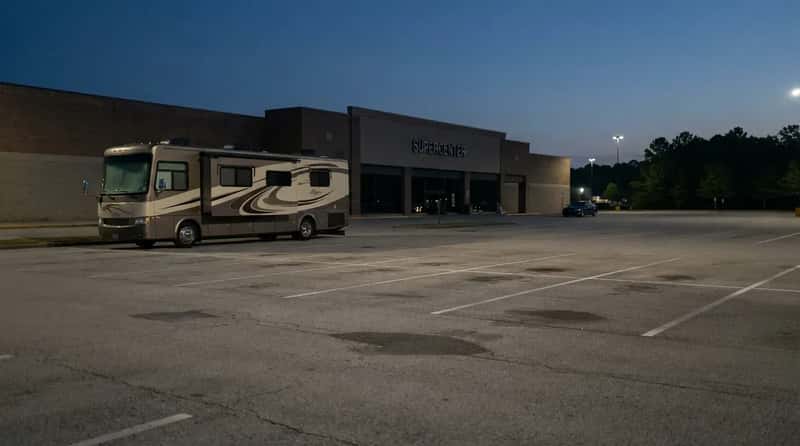
Nearly every veteran has a story about stretching a single overnight stop into two nights, and regretting it by morning. The RVers’ Good Neighbor Policy, endorsed by industry groups including RVillage and Campendium, encourages those parking on private business property overnight to follow a strict code of conduct. The very first rule is simple: stay one night only.
That single rule is the reason the whole privilege still exists. Stores and lots that see the same RV parked for a week start posting signs, and one bad guest ruins it for the next hundred travelers. Veterans treat “one night” as a hard limit, not a suggestion, because the alternative is watching a free option vanish entirely.
#22 – Truck Stops: Why the “RV Reserved” Sign Doesn’t Always Mean What You Think
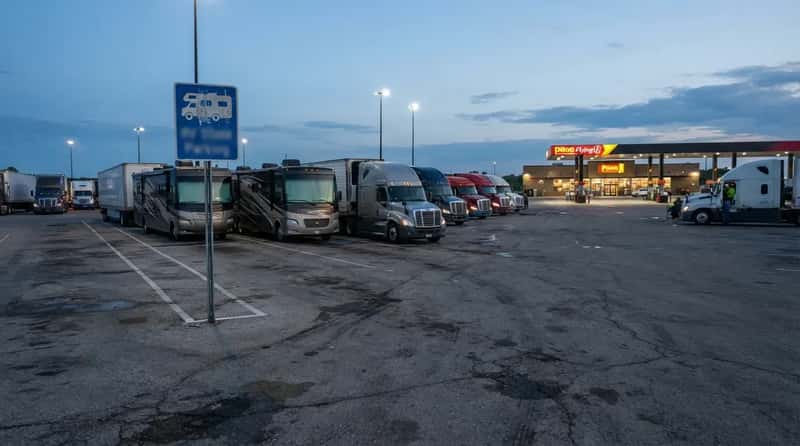
Pull into a Pilot Flying J expecting a guaranteed spot, and you might find every marked “RV” space already taken by a semi. Roughly 23% of major chain locations feature designated RV parking with clearly marked spaces, while the most common arrangement, covering about 60% of locations, mixes RVs into general parking areas alongside trucks.
That mixed-use setup comes with its own unwritten etiquette. These shared areas require an understanding of professional driver priorities, since truckers are working against strict federal clocks and RVers usually aren’t. Veterans know the paid reserved lanes exist for a reason and never assume a marked spot is theirs until they’ve actually paid or asked.
Fast Facts
- About 23% of major truck stop locations have clearly marked, dedicated RV parking spaces.
- Roughly 60% mix RVs into general parking areas right alongside big rigs.
- Paid reserved RV spots exist at some locations for travelers who don’t want to gamble on availability.
- Truckers work under federal Hours-of-Service limits, making their need for a spot more time-sensitive than an RVer’s.
#21 – Rest Areas: Same Highway, Wildly Different Rules Depending on the State Line
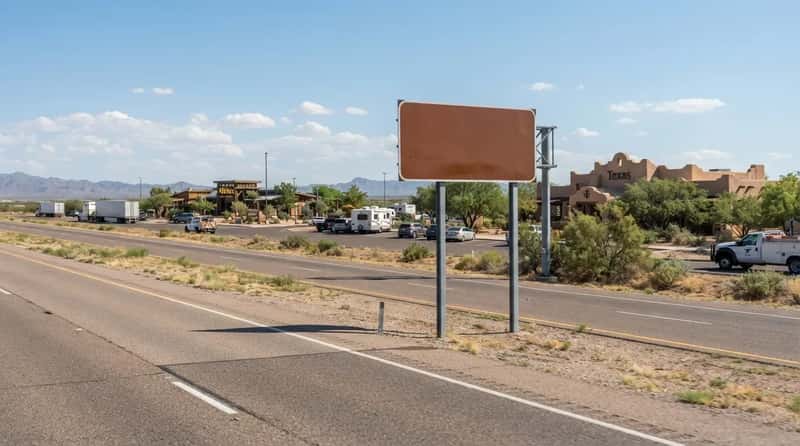
Cross one state border and the rules for the exact same interstate rest area can flip completely. Each state Department of Transportation sets its own policy. Texas generally allows overnight parking for a limited time, while California has stricter rules and may prohibit it in some or all of its rest areas.
Even where it’s allowed, the clock is always ticking. Time limits typically range from 2 to 8 hours, and exceeding them can bring real penalties, not just a warning. Veterans never assume yesterday’s state rule still applies today.
#20 – Walmart’s Secret: There’s No Company-Wide Policy At All
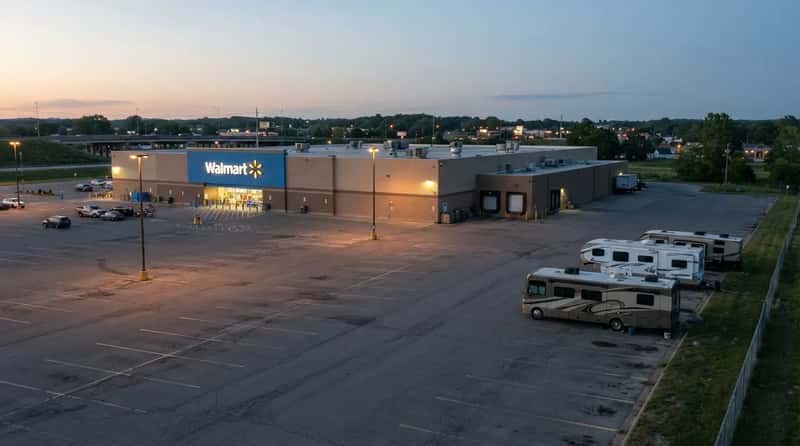
Most people think there’s one universal “Walmart lets RVs park overnight” rule. There isn’t. Walmart has no single, blanket policy allowing overnight RV parking at every store, which means one location might welcome you while another five miles away calls a tow truck.
Corporate leaves the final call to the people on the ground. Individual stores can permit overnight stays at their own discretion, but in plenty of cities, local zoning laws or ordinances prohibit overnight parking in commercial lots regardless of what the store itself wants.
#19 – The Manager Phone Call Veterans Never Skip, Even When an App Says Yes
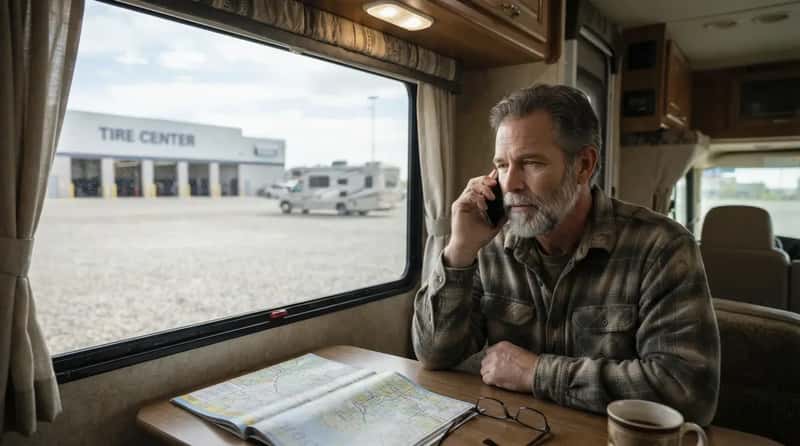
New RVers trust an app icon. Veterans trust a human voice. Checking an online tool isn’t enough, since policies change constantly, and getting verbal permission from an actual manager is the only real confirmation.
Even that phone call can go sideways fast. One traveler described calling ahead, getting bounced between departments, and finally hearing: “a guy came on and said yes, one night only, park toward the back near the tire center, no slide-outs.” That kind of specific, verbal green light is worth more than any five-star app rating.
#18 – Cracker Barrel’s Surprising Official Answer Contradicts What Actually Happens
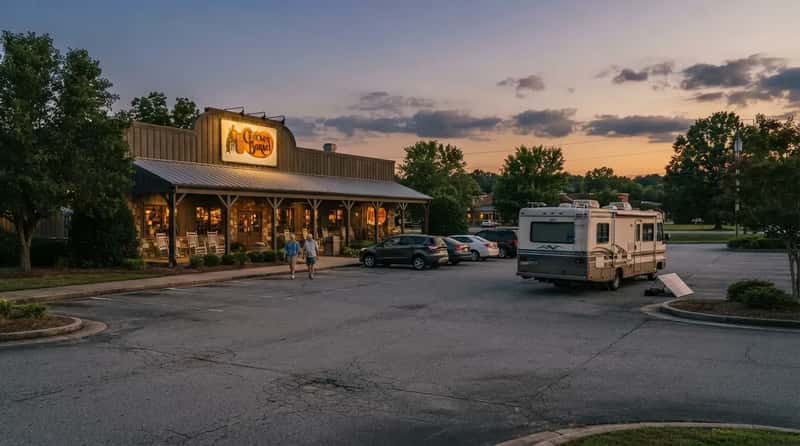
Ask Cracker Barrel’s corporate office directly, and you’ll get an answer that surprises most road trippers.
We are not able to accommodate overnight parking at this time.
Cracker Barrel corporate statement
That sounds like a flat no, but it isn’t the full story. In practice, overnight RV parking is still allowed at plenty of locations, and it depends entirely on the store manager and local city laws. Veterans know to ignore the corporate line and ask the person actually standing behind the host stand.
#17 – Why Veterans Trust Nothing Older Than Three Months
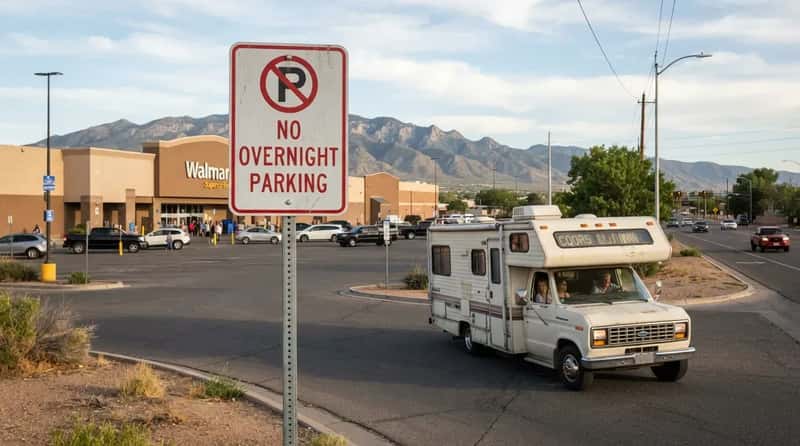
A green flag on a parking app from last year might as well be ancient history. One experienced couple learned this the hard way after trusting outdated data from an app that said a Walmart in Albuquerque was RV-friendly.
They showed up to a massive “No Overnight Parking” sign right at the entrance. Policies change, managers change, city ordinances change, and a report from last year might as well be from a different decade. If a review is older than three months, veterans call ahead instead of trusting it.
#16 – The “No Camping, Just Parking” Line That Keeps the Privilege Alive
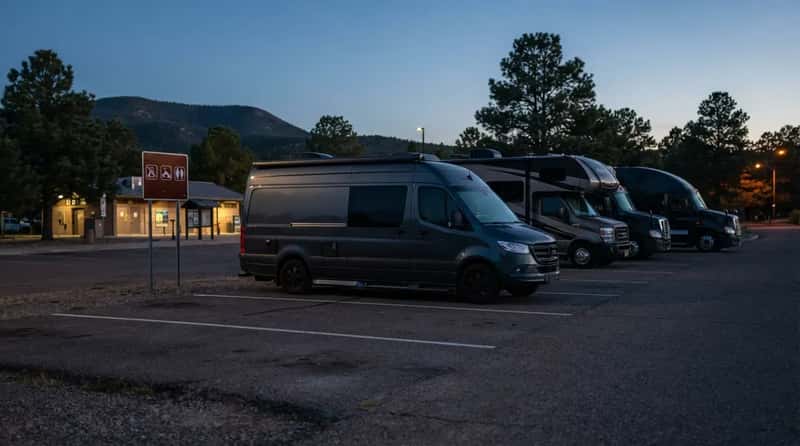
There’s a legal-sounding line every veteran repeats like a mantra: park, don’t camp. At rest areas nationwide, the distinction matters more than most travelers realize. Camping isn’t allowed at any rest area, meaning no slide-outs, no awnings, and no lawn chairs.
The same logic carries over to store parking lots. You’re welcome to crawl into your camper and sleep, but you’re not welcome to set up camp or linger outside. Veterans keep everything tucked in, because the moment a chair or grill comes out, it stops looking like a rest stop and starts looking like a campsite nobody approved.
#15 – Cabela’s and Bass Pro: Great Lots, But the Real Landlord Is the Mall
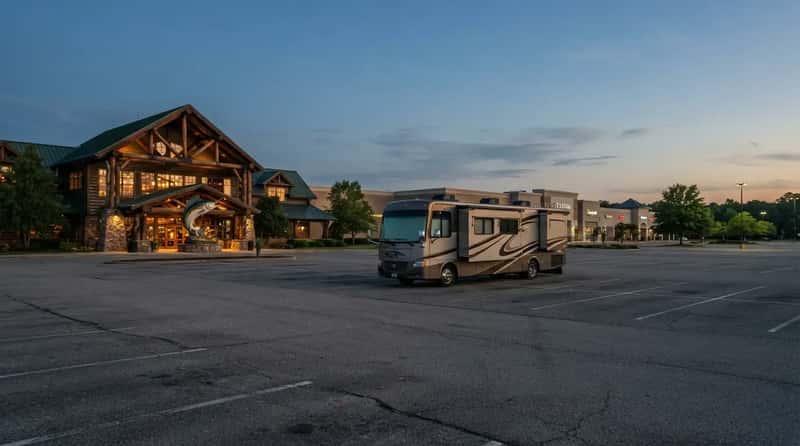
Cabela’s and Bass Pro Shops look like the perfect overnight spot, with huge, flat lots built for boat trailers. But the store itself often isn’t the one calling the shots. Most locations sit inside or attached to larger shopping malls, and mall policy can quietly override anything the store itself wants.
Amenities have also quietly disappeared over the years. Where overnight stays are still allowed, expect a level lot and a fully stocked store, but not much else, since most dump stations reportedly closed at these locations in recent years. Veterans call ahead instead of assuming last year’s amenities are still there.
#14 – Harvest Hosts: The Paid Membership That Beats Free Parking
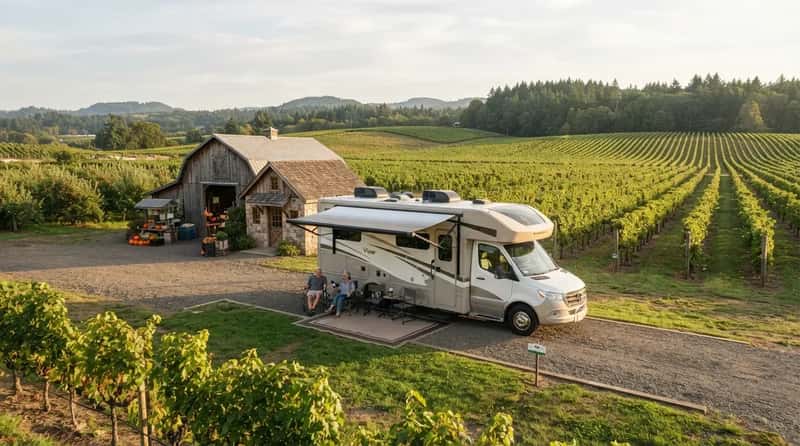
Plenty of road trippers refuse to pay for overnight parking on principle. Veterans who’ve tried Harvest Hosts usually change their tune fast. The network connects RVers with orchards, wineries, farms, breweries, and other unique properties willing to host overnight stays, for an annual membership around $99.
The appeal isn’t just novelty, it’s reliability. Instead of gambling on a manager’s mood at a retail lot, members get a confirmed host who actually wants them there, whether that’s a golf course, a family farm, or a small-batch winery. For many long-haul travelers, that certainty is worth every dollar.
At a Glance
- Annual membership runs about $99 for access to the full host network.
- Hosts include wineries, breweries, farms, golf courses, and small orchards nationwide.
- Most hosts expect a small purchase or tasting fee in exchange for the stay.
- Stays are typically confirmed in advance, unlike a walk-up retail lot.
#13 – Why Local City Ordinances Can Overrule Even a Store’s Yes
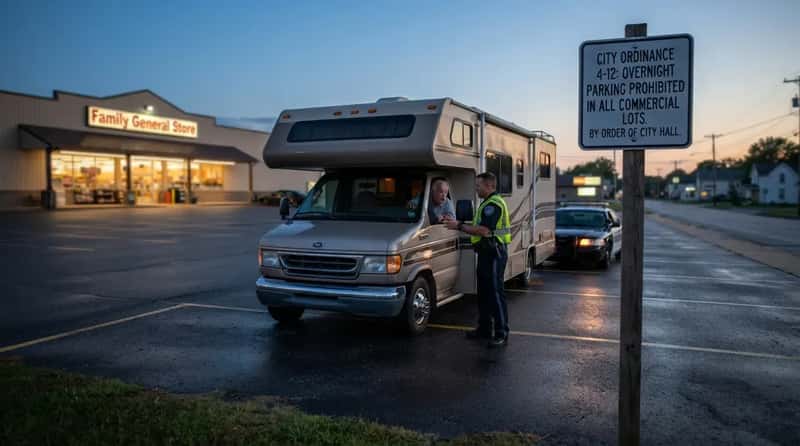
A store manager can say yes all day long, and it still might not matter. City hall has the final word in plenty of towns. Some cities flatly don’t allow overnight parking in commercial lots, even if the business itself is fine with it.
This shows up across every chain, not just one, since a manager’s permission and a municipal code are two completely separate things. Veterans know that a friendly voice on the phone is only half the equation, and the other half rarely gets mentioned until someone’s already been asked to leave.
#12 – The Curb Trick Regulars Use When the RV Spots Are Full
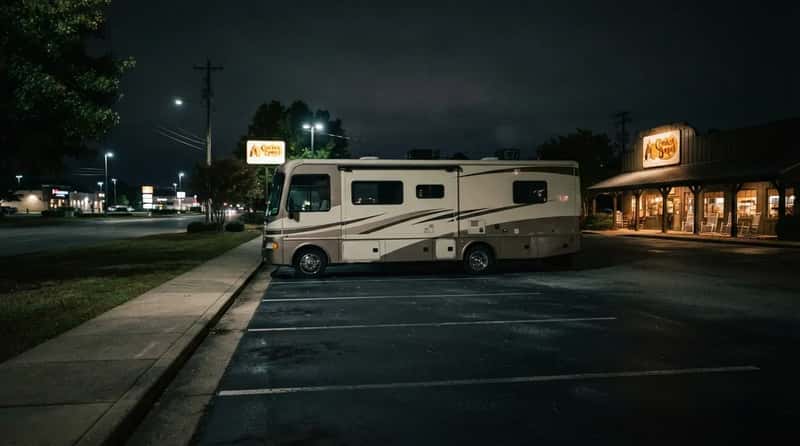
Show up late to a busy Cracker Barrel or Flying J, and the designated RV spots are often already gone. Regulars have a workaround that’s become common practice: pull along a back curb and use a few regular spaces end to end.
The same improvising happens at restaurant lots after hours, once regular business traffic clears out. It’s not an official rule anywhere, but it’s how thousands of road trippers actually solve the problem when the marked spots run out for the night.
#11 – Casinos: The Overnight Stop With a Hidden Perk
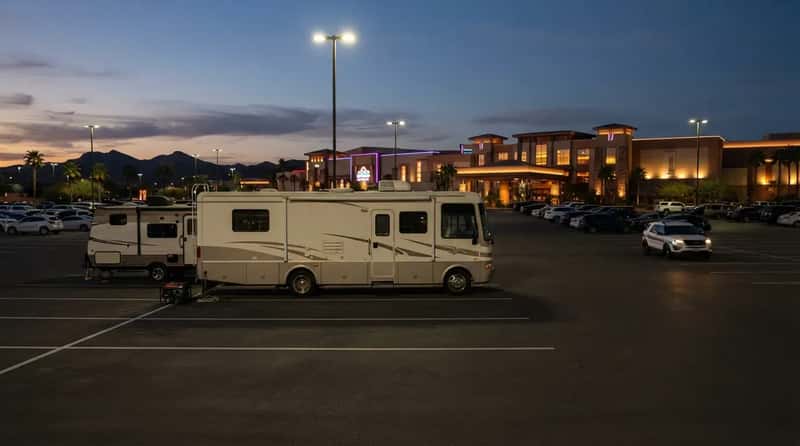
Most first-timers never think to try a casino parking lot, and that’s exactly why veterans love them. Many casinos across the country offer free RV parking, which turns a boring overnight stop into a chance to grab dinner or try your luck at blackjack without ever unhooking the trailer.
The catch is the same one that applies everywhere else on this list: always ask permission first. Policies vary wildly by property, but the ones that say yes often throw in security patrols and well-lit lots that beat a random highway shoulder by a mile.
#10 – Generators: The Rule That Gets People Kicked Out Fastest
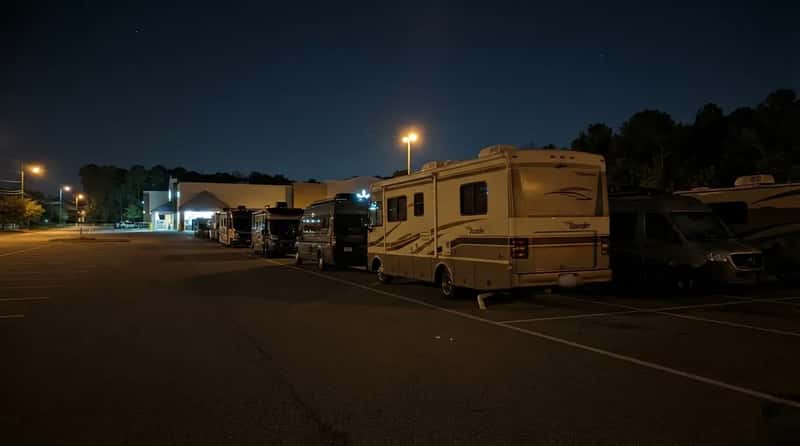
Nothing burns goodwill faster than a generator humming at midnight in a quiet lot. Most rest areas have already made the decision for you, since running generators is usually prohibited or heavily restricted because of noise complaints.
The same unofficial rule applies at Walmarts, Cracker Barrels, and truck stops, even where nothing’s posted on a sign. Veterans run off battery banks or simply skip the air conditioning for one night, because a single noise complaint is often the exact reason a location bans RVs for everyone who comes after them.
#9 – Idaho’s Oddly Generous 16-Hour Rule
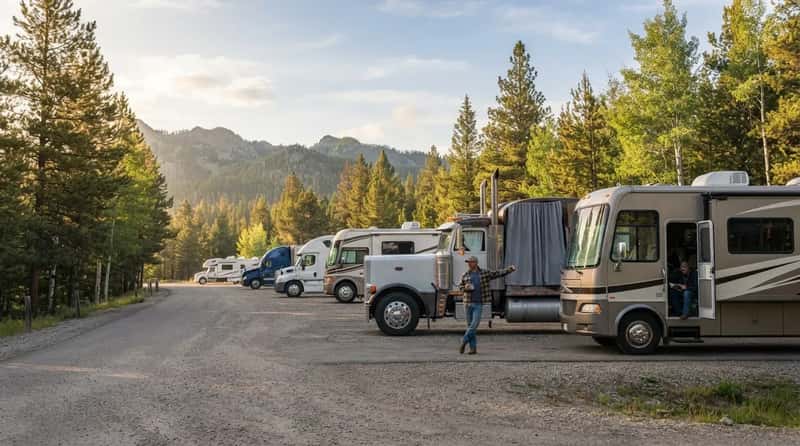
Most states cap rest area stays at a handful of hours, which makes Idaho stand out. Idaho’s Department of Transportation allows genuine “rest and relaxation from the fatigue of travel,” letting drivers park up to 10 hours at interstate rest areas and up to 16 hours at state highway rest areas.
That’s nearly double what drivers get in stricter states just a few hundred miles away. Veterans crossing Idaho on long hauls treat it as one of the few genuine full-night stops on the map, instead of the quick nap-and-go so many other rest areas force on travelers.
#8 – Texas’s 24-Hour Window vs. Pennsylvania’s Strict 2 Hours
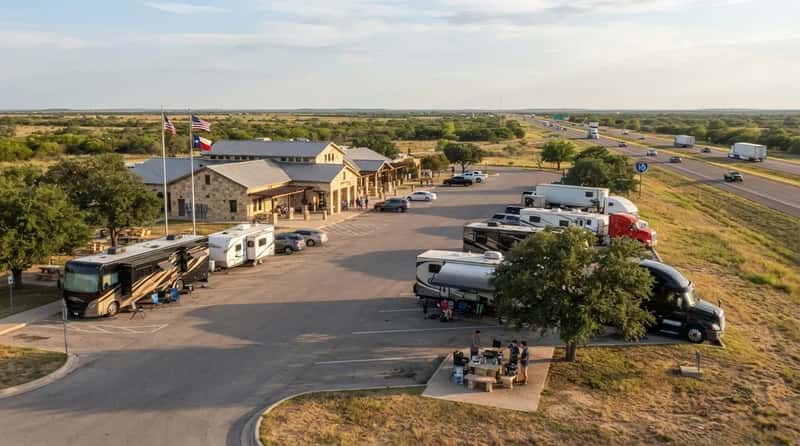
Few contrasts capture how inconsistent this whole system is like Texas next to Pennsylvania. Texas publishes a statewide 24-hour visitor limit at safety rest areas, giving travelers a genuinely relaxed overnight window most states never offer.
Drive into Pennsylvania, though, and that cushion disappears almost entirely, since state code limits roadside rest areas to just 2 hours. Veterans plan entire routes around this exact gap, using Texas rest areas for real sleep and treating Pennsylvania stops as strictly bathroom-and-coffee breaks.
Quick Compare
- Texas: up to 24 hours at safety rest areas.
- Idaho: up to 16 hours at state highway stops, 10 hours at interstate rest areas.
- Most states: roughly 2 to 8 hours before a time limit kicks in.
- Pennsylvania: capped at just 2 hours, among the strictest limits anywhere.
#7 – Love’s Travel Stops Quietly Became Campgrounds
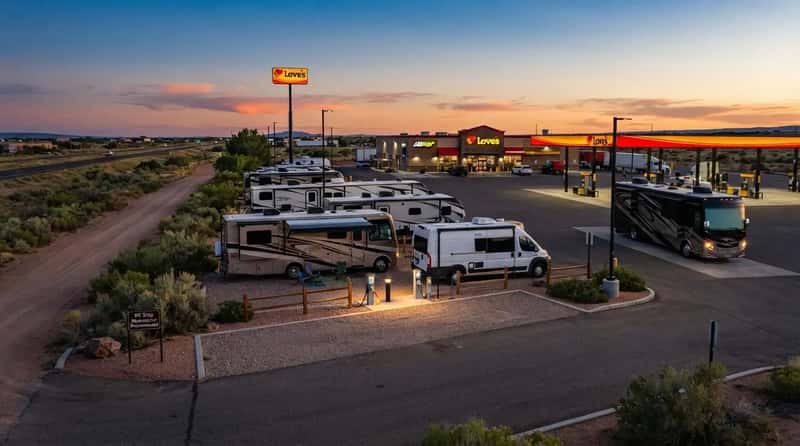
Most people still picture truck stops as diesel pumps and a diner. Love’s has quietly turned into something closer to a campground chain, with locations that are RV-friendly and often feature dump stations and dedicated RV fueling lanes.
That’s a real shift from the free-lot-only days most veterans remember. A growing number of Love’s locations now offer reservable RV Stops with partial hookups for a fee, turning a simple fuel stop into a legitimate, bookable overnight base for the night.
#6 – The “Buy Something” Rule That Isn’t About the Money
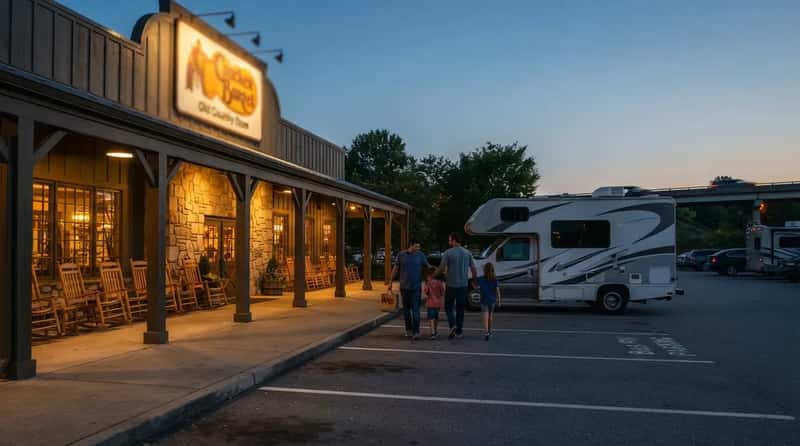
Veterans almost never leave an overnight stop empty-handed, and it’s not really about the purchase itself. Buying gas, food, or supplies is a small thank-you for the free parking, and it’s part of the same Good Neighbor code that keeps the whole system running.
At Cracker Barrel specifically, this habit is practically ritual. Have dinner, breakfast, or both, and pick up something small in the country store. That little courtesy is what keeps the welcome mat out for the next RVer, because skip it enough times across enough locations and the free parking quietly disappears.
#5 – Why Parking Up Front Is the Rookie Mistake
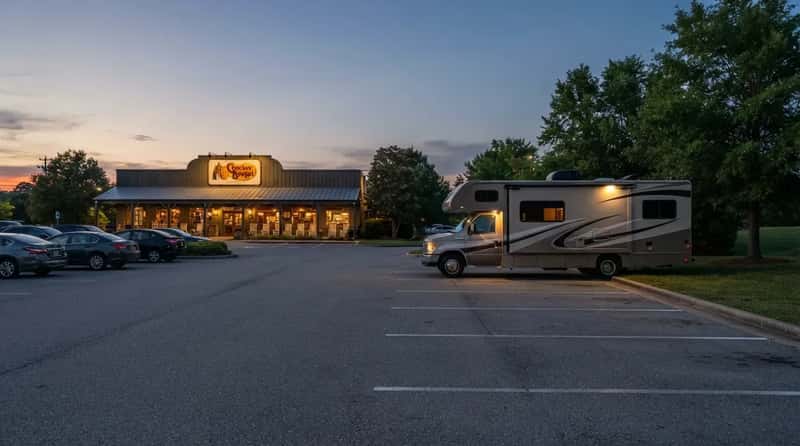
New RVers grab the closest, most visible spot without thinking twice. Veterans do the opposite on purpose. Proper boondocking etiquette at Cracker Barrel means parking off to the side or near the back of the lot, never right up front where dinner and breakfast patrons need the space most.
It’s not just courtesy, it’s self-preservation too. Parking farther back protects your own privacy as much as it respects other customers, since nobody wants strangers peering through their windows on the walk into the restaurant. A spot near the back means fewer headlights, fewer strangers, and a much quieter night.
#4 – Truckers vs. RVers: The Tension No One Talks About
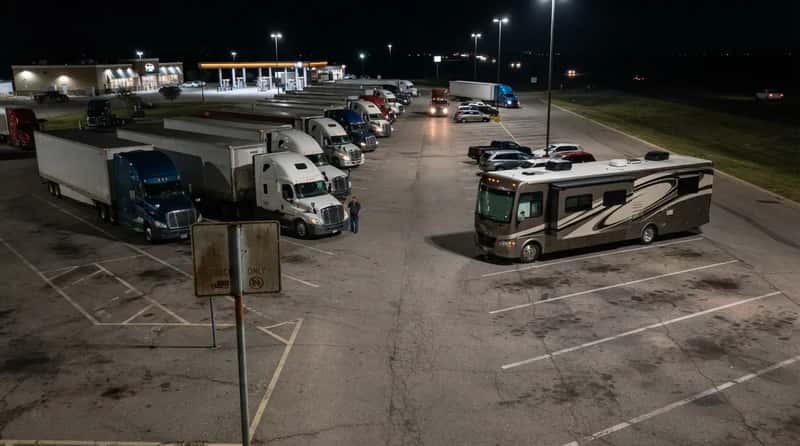
Plenty of road trippers have no idea how much friction exists between them and professional drivers over parking. RVers taking up truck spots is a constant complaint among truckers, and the frustration makes sense once you consider the stakes: commercial drivers work under strict, federally mandated rest rules with far fewer legal parking options than a personal RV ever has.
That imbalance is real and growing. RVers need safe places to stop when they’re tired too, and both sides technically have a right to rest, but the tension over shared space isn’t going away anytime soon. Veterans avoid marked truck-only rows entirely, no matter how empty the lot looks at 11 p.m.
#3 – Ohio’s Turnpike Loophole Most Drivers Never Discover
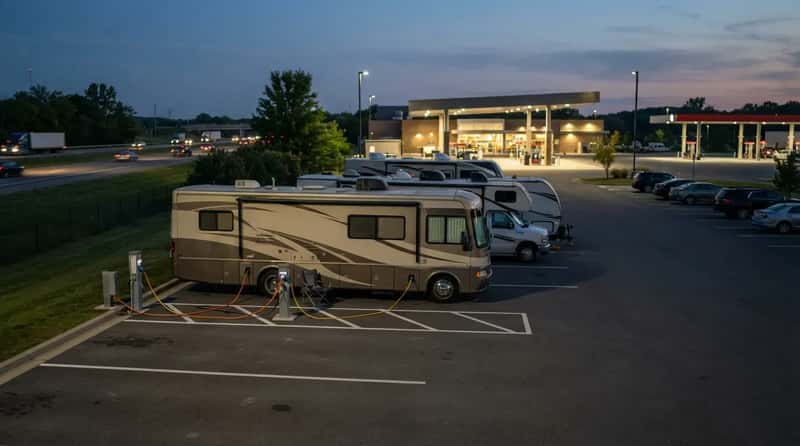
Ohio’s blanket rest area policy sounds strict on paper, until you learn about one specific stretch of highway. Ohio doesn’t allow overnight camping at rest areas, with one big exception: eight service plazas on the Ohio Turnpike welcome RVs up to 40 feet long to overnight park and plug in for a fee.
Those eight plazas function almost like real campgrounds hiding inside a toll road. The sites are first come, first served, so veterans crossing Ohio time their driving day specifically to land at one of these plazas instead of gambling on a generic exit-ramp rest area posted with a strict no-overnight sign.
Worth Knowing
- Eight service plazas dot the Ohio Turnpike, each open to RVs overnight.
- Rigs up to 40 feet long can park and plug in for a fee.
- Spots are first come, first served, with no reservations taken.
- Every other rest area in Ohio bans overnight camping outright.
#2 – The Drowsy-Driving Stat That Changes How Veterans Plan Stops
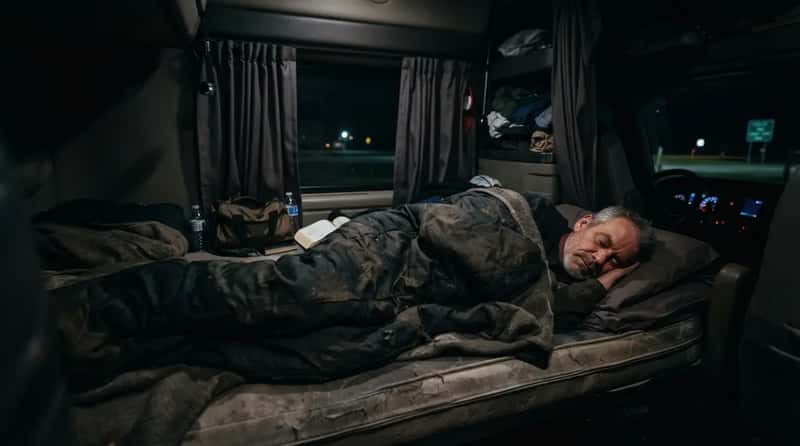
Most casual travelers push through tiredness because the destination feels close. Veterans stop the second they feel it, and the numbers explain why. Drowsy driving causes roughly 100,000 crashes every year in the U.S., most of them happening between midnight and 6 a.m.
That single statistic reframes the entire overnight-stop debate. It was never really about finding a free spot to save a few dollars, it’s about not becoming a statistic during the exact hours crashes spike. Every rule on this list ultimately exists to get tired drivers off the road before that window hits.
#1 – The Golden Rule: Always Have a Plan B
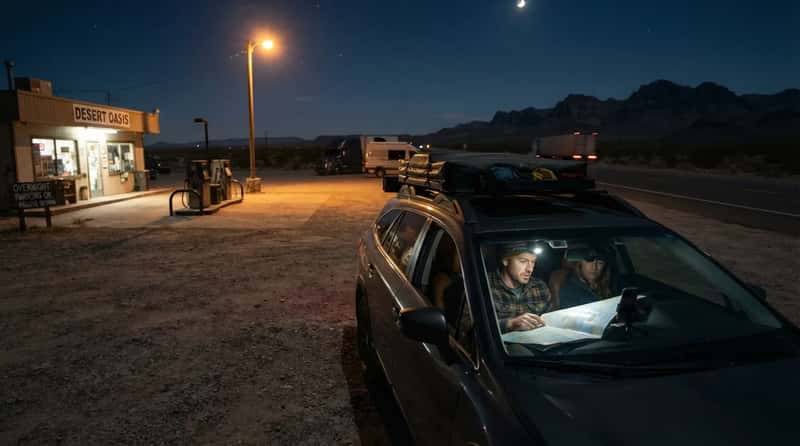
Every veteran road tripper eventually gets burned by a spot that fell through, and it changes how they plan forever. The pattern is consistent across every chain and every state: nothing is guaranteed. A green light from an app, a friendly voice on the phone, even last week’s report, can all turn into a locked gate or a fresh “no overnight parking” sign by the time headlights hit the lot.
A good overnight plan always includes a backup, and the key is flexibility. Veterans keep a second and third option loaded before they ever leave the highway, because the single biggest difference between a rough night and a good one isn’t luck. It’s simply having somewhere else to go.
Put all 23 rules together, and the real lesson isn’t about any single chain or state law. Overnight parking on the road runs almost entirely on trust, courtesy, and flexibility, not fixed policy. The travelers who keep getting welcomed back are the ones who ask first, stay quiet, pack up small, and treat every free spot like a favor instead of a right.
Which of these rules have you learned the hard way? Drop your own overnight parking story in the comments.