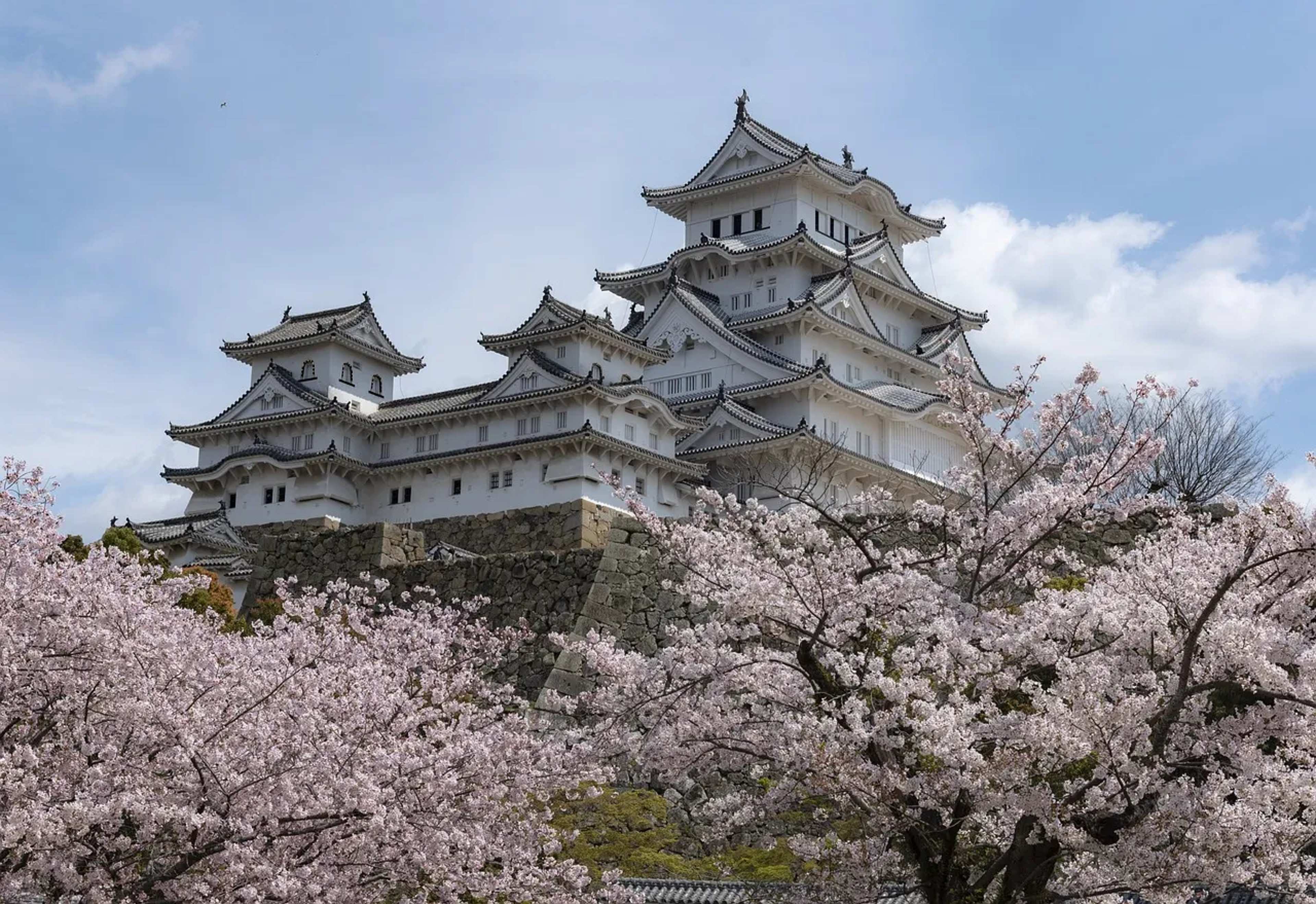

Ask anyone who grew up in the 1970s about their family vacations and you’ll get that look – the specific, faraway one – before they even open their mouth. The station wagon. The paper map folded twelve wrong ways. The motel with the buzzing neon sign. Something about those trips locked into memory with a grip that no Instagram grid or five-star resort has managed to replicate. The 1970s were actually a peak era for American vacation-taking, even with an economy that kept sputtering, and the families who lived those trips will tell you so with zero hesitation.
But here’s where it gets genuinely complicated: nostalgia isn’t the same as truth. Some things about 1970s vacations were objectively, irreversibly better. Others were rougher than memory admits – sometimes dangerously so. What follows are 25 honest memories – the beautiful, the frustrating, the long-lost, and the surprisingly still-true – counting down to the one thing that explains why those trips still live so vividly in the people who took them.
#25 – Flying Was a Formal Event, Not a Grind – But You Probably Couldn’t Afford It
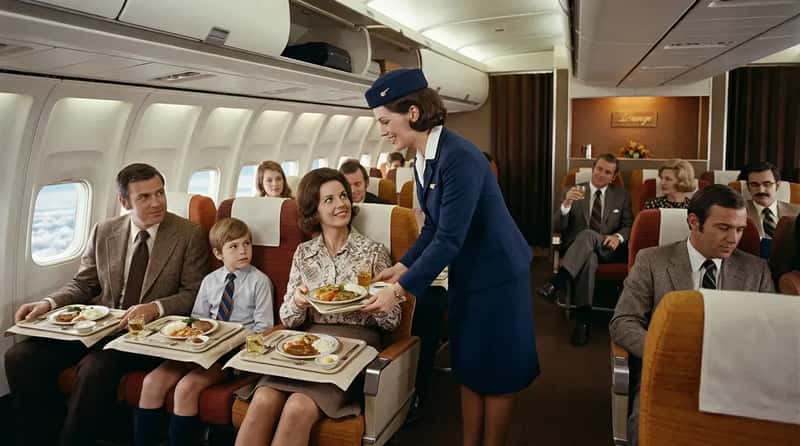
In the 1970s, boarding a plane felt like a real occasion. Economy passengers got actual hot meals. There were in-flight cocktail lounges. Security was minimal and curbside-to-gate took minutes. People dressed up because – for most families – flying was genuinely rare, and rare things got treated with respect. The glamour was not manufactured. It was earned by scarcity.
The reason it was rare? The price. A domestic round-trip ticket from New York to Los Angeles could cost upwards of $550 – which, adjusted for inflation, equals roughly $3,500 in today’s dollars. Air travel belonged to executives and the wealthy, not to a middle-class family hauling four kids to the beach. The experience was extraordinary. The access was not. Both things were true at the same time.
At a Glance
- 1970s domestic airfare was regulated by the Civil Aeronautics Board – airlines couldn’t compete on price, only on service
- Airline deregulation didn’t arrive until 1978, which is why fares only started dropping in the early 1980s
- Today’s average domestic round-trip runs around $370 – a fraction of what families paid in real dollars fifty years ago
- The tradeoff: hot meals, legroom, and lounge cars gave way to cheaper tickets and a lot less elbow room
#24 – The Vacation Budget Actually Made Sense With What Families Earned
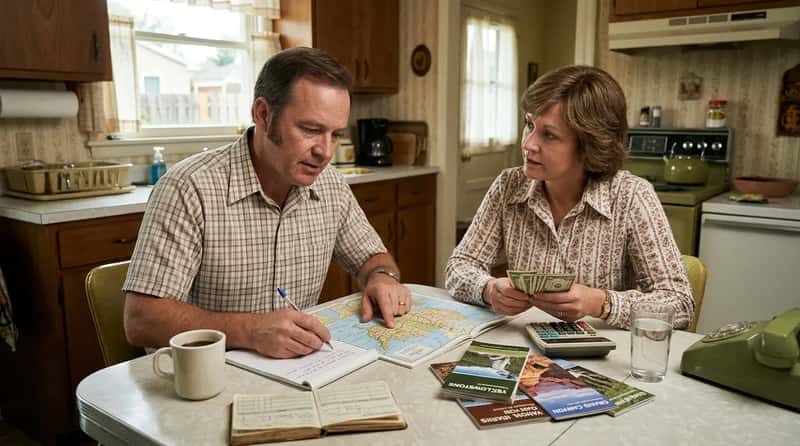
Here’s a number worth sitting with. In the 1970s, families leaned heavily toward domestic destinations – national parks, nearby beaches, regional resorts within driving distance – and typically spent around 5 to 8 percent of their annual income on vacations. That’s a proportion most families today would find almost impossible to imagine achieving.
Today, financial experts still recommend staying in that same 5 to 10 percent range, but the real cost of travel has grown in ways that make it harder to stay there. A one-week family vacation for four now commonly runs $6,000 or more once flights, lodging, and meals are tallied. The math was simply different in the 1970s, and the math mattered.
#23 – The Station Wagon Was Its Own Kind of Magic
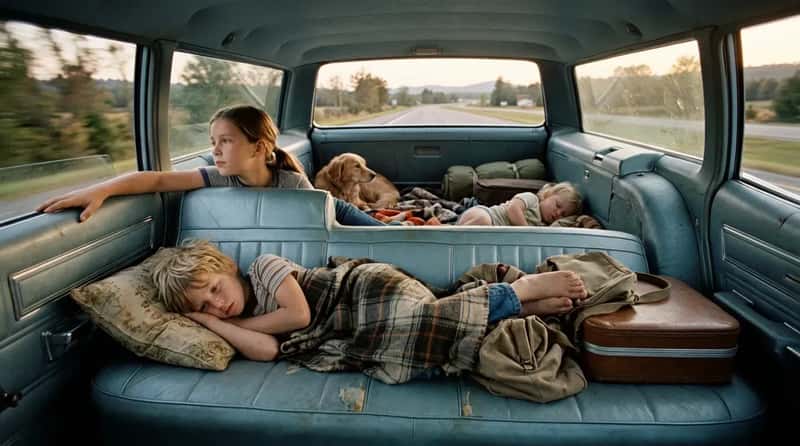
No minivan, no SUV, no built-in screens, no headphone jacks. The 1970s station wagon was a rolling living room where kids stretched out across the back seat, built forts from luggage, watched the landscape blur past the rear window, and fell asleep somewhere around the state line. The car wasn’t the transportation to the vacation. The car was the vacation – every mile of it.
There was a tactile, fully present quality to those drives that today’s backseat entertainment systems genuinely cannot reproduce. You were stuck together – the whole family, in one moving box, for ten hours – and somehow that was the point. The arguments, the license plate games, the elbows in the ribs: all of it became the story. The miles were the memory.
#22 – Paper Maps Were Both the Problem and the Adventure
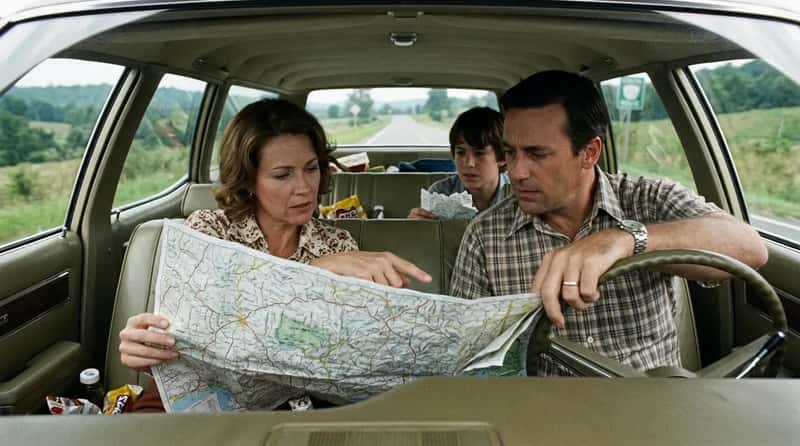
Dad unfolded a massive paper map across the steering wheel at rest stops. Mom navigated by landmarks and the occasional handwritten note from a gas station attendant. Wrong turns weren’t failures – they were detours that sometimes led somewhere better than the original destination. The open road had a genuine sense of mystery because nobody fully knew what was around the next bend.
The honest downside: you could spend an hour genuinely lost in the middle of nowhere, no way to call ahead, no way to know if the next gas station was five miles or fifty. The freedom was real, and so was the stress. Those two things coexisted, and together they created a kind of alert, engaged travel that GPS has largely – if understandably – eliminated. When everything is certain, nothing feels like discovery.
#21 – Roadside Diners Were the Real Five-Star Experience
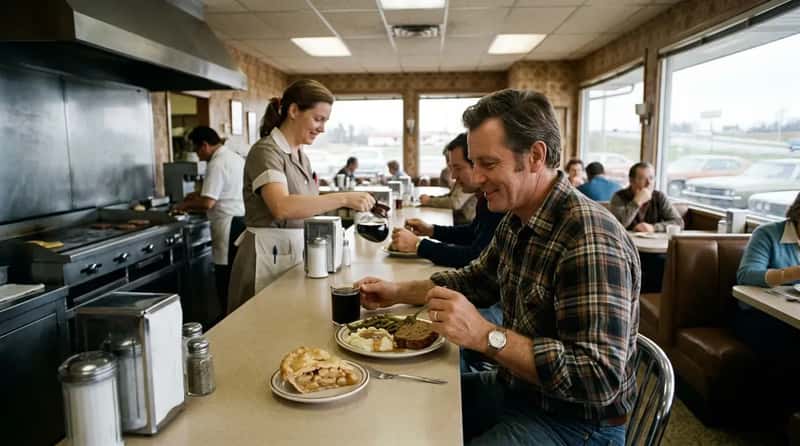
A good diner in 1975 gave you a real meal – pie included – for a couple of dollars. The waitress knew what “coffee” meant without a four-word qualifier. The food was specific to that town, that region, that cook working the same flat-top since 1963. Every stop had a personality, and every personality was different from the last one.
Today those diners are mostly gone, replaced by highway chains with identical menus from Maine to Arizona. What you gain in predictability you lose entirely in character. The 1970s diner wasn’t always good – the food could be greasy, the pie filling could be from a can – but it was rooted in a specific place in a way that a chain franchise simply is not. When people say vacations used to be better, this is often the thing they’re actually mourning, even if they can’t name it.
#20 – Kids Rode Without Seatbelts – and the Freedom Was Real, Even If the Risk Was Too
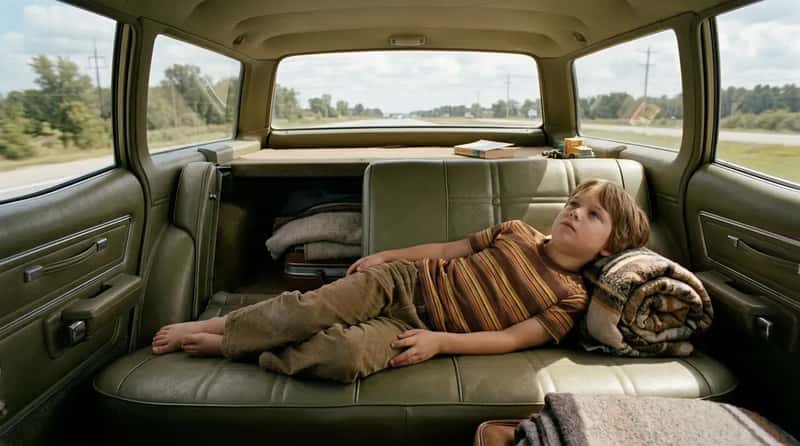
In the 1970s, kids stretched out across the back seat, slept flat across luggage, and occasionally claimed the rear window ledge like it was a personal sunbathing deck. Safety regulations weren’t what they are now, and families traveled with a physical looseness that today would earn a traffic stop. Children had room to move, to sprawl, to fully inhabit the backseat like a second home.
Nobody is arguing that seatbelts are bad. Modern safety standards exist for very good reasons and save thousands of lives every year. But there is something worth acknowledging about the physical freedom those kids had – the ability to lie flat, stare up through the rear window at passing clouds, and let the miles rock them to sleep. Today’s buckled-in, screen-equipped setup is safer. It is also, undeniably, more like a small cubicle on wheels.
#19 – The Motel Was an Experience Unto Itself
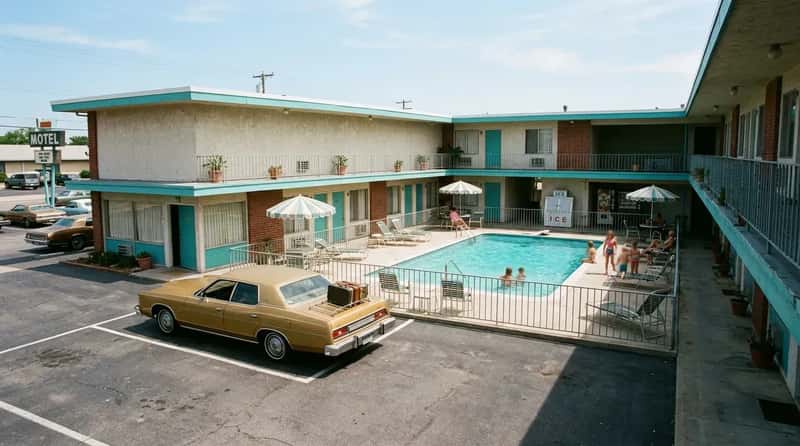
The parking spot right outside the door. The ice machine rattling down the hall. The pool that smelled aggressively of chlorine and was ice-cold regardless of the season. The coin-operated vibrating beds that kids considered the greatest invention in human history. Every one of those details felt like a destination in itself – not a place you stayed on the way to something else, but an event with its own logic and charm.
The most underrated feature of the 1970s motel: you could pull off the highway at 9 PM with no reservation and find a room. No app. No cancellation fees. No “sold out” message from a booking platform. You looked for the lit vacancy sign and pulled in. The spontaneity wasn’t a bug – it was the entire feature, and it made the road trip feel genuinely open-ended in a way that today’s pre-booked itinerary cannot.
Worth Knowing
- The average mid-range hotel room now costs around $167 per night – spontaneous walk-ins at that price are rare and often come with a premium
- Third-party booking platforms have made last-minute deals possible, but also created dynamic pricing that spikes exactly when you need a room most
- The motel’s defining feature – drive up, park in front of your door, walk in – has been largely replaced by lobbies, elevators, and check-in lines
- Coin-operated vibrating beds were phased out of most motels by the mid-1980s; they were apparently more popular than anyone officially admitted
#18 – Route 66 Was Still Alive – and Then It Wasn’t
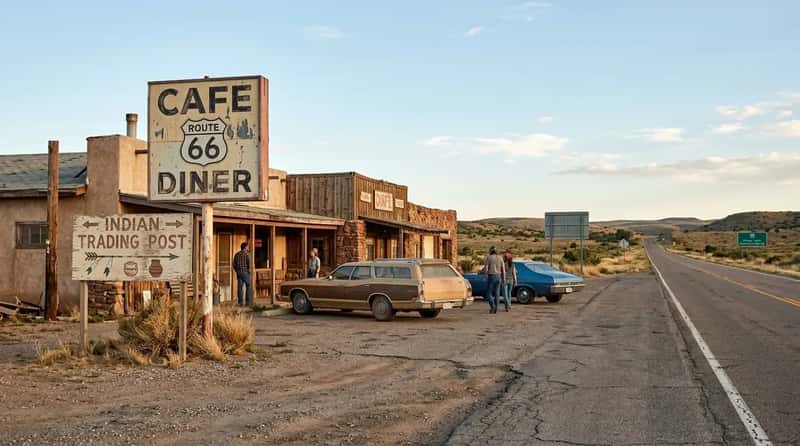
For millions of 1970s families, driving Route 66 wasn’t a nostalgic recreation – it was just how you crossed the country, stop by stop, diner by diner, from Chicago to Santa Monica. The trading posts, the wigwam motels, the dinosaur parks, the hand-painted signs pointing toward things that had no right to exist and absolutely did: all of it was still functioning, still open, still waiting for you to pull in.
By the mid-1970s, Route 66 was being bypassed mile by mile as the interstate highway system expanded. The businesses that had grown up along it were dying in real time, often without anyone in the wider world noticing. The 1970s were the last decade when you could drive that route and experience something close to its original spirit – which means the families who did it then were the last Americans to take that particular trip. They didn’t always know that. Now they do.
#17 – The Roadside Attractions Were Wonderfully, Unapologetically Weird
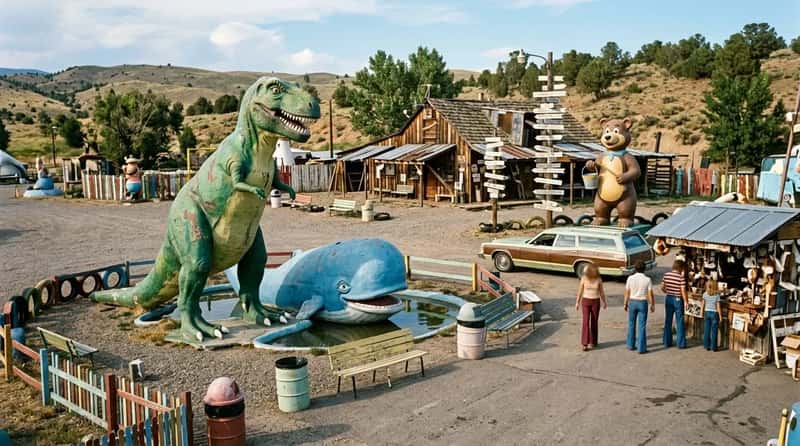
Handmade signs with arrows pointing off the highway. Parking lots smelling of popcorn and sunscreen. Giant fiberglass animals. Hillbilly-themed parks. Wizard of Oz walk-throughs. Marine shows that felt like the most exotic thing your family had ever witnessed. America in the 1970s was packed with roadside oddities built by individuals who had one idea and absolutely committed to it, consequences be damned.
Most of them are gone now – not just closed, but erased. Replaced by outlet malls and long stretches of commercial nothing. The giant blue whale sitting in a pond in Catoosa, Oklahoma, the Mystery Spot in Santa Cruz – these weren’t polished. They weren’t optimized. They were weird and specific and entirely their own thing. Today’s highway corridor is controlled and branded and predictable. The 1970s version was genuinely surprising, and sometimes the surprise was the whole point of the trip.
#16 – Packing a Cooler Was a Whole Skill Set
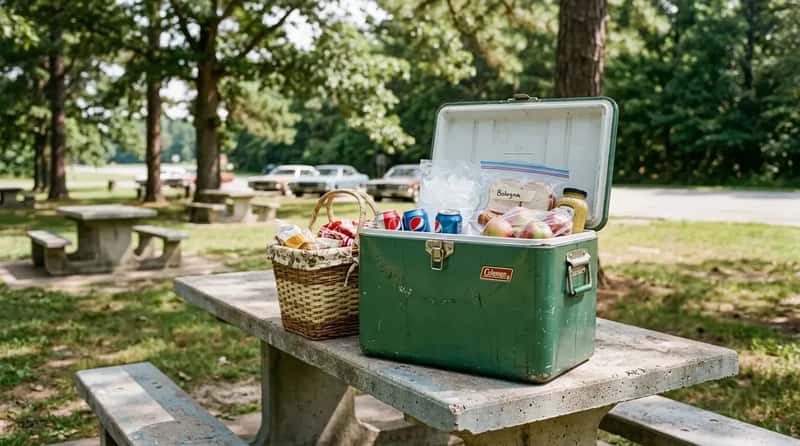
The sound of ice being dumped into a cooler and sandwiches being packed into an old woven picnic basket was, for millions of American kids, the official signal that vacation had begun. Bologna on white bread with mustard, eaten at a concrete picnic table off I-70, was the official food of the American family road trip. It wasn’t glamorous. It was completely sufficient, and somehow it tasted like freedom.
The cooler also forced something valuable: stopping. Sitting outside. Eating together at actual rest areas, many of which had playgrounds and walking paths and real trees overhead. Today’s version of the same trip involves a drive-through bag consumed in the car while the GPS recalculates. Neither is exactly elegant. But one of them involves sitting in actual sunshine, and it wasn’t the drive-through version.
#15 – Yellowstone Was a Dream Destination – and You Could Actually Get In
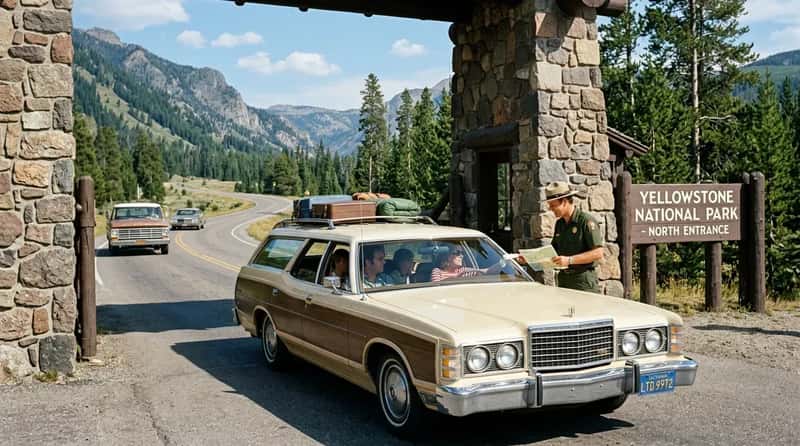
In the 1970s, you pulled up to the Yellowstone entrance, paid a modest fee, and drove through one of the most spectacular landscapes on earth without a timed reservation, a lottery system, or a six-month advance booking requirement. The park was crowded by 1970s standards. Compared to peak summer today, it was practically serene. You could stop when you wanted. You could linger.
The national park system hit a record 331.9 million visits in 2024 alone – a number that keeps climbing. Yellowstone drew nearly 4.7 million visitors that same year. Today, major parks require advance reservations during peak season, entry windows are timed, and popular overlooks have queues. The parks themselves haven’t gotten bigger – Yellowstone is the same size it has always been. The number of people who want to stand at its edge has simply outgrown the capacity to absorb them all gracefully.
Quick Compare
- 1970s Yellowstone: Drive up, pay, enter – same-day access, no reservation required
- Yellowstone today: 4.7 million annual visitors; timed entry systems used at multiple major parks during peak season
- 1970s national park system: Roughly 170 million annual visits at its 1970s peak
- National parks today: Record 331.9 million visits in 2024 – nearly double – across the same amount of land
#14 – The Grand Canyon Hit Different When You Earned It With Two Days of Driving
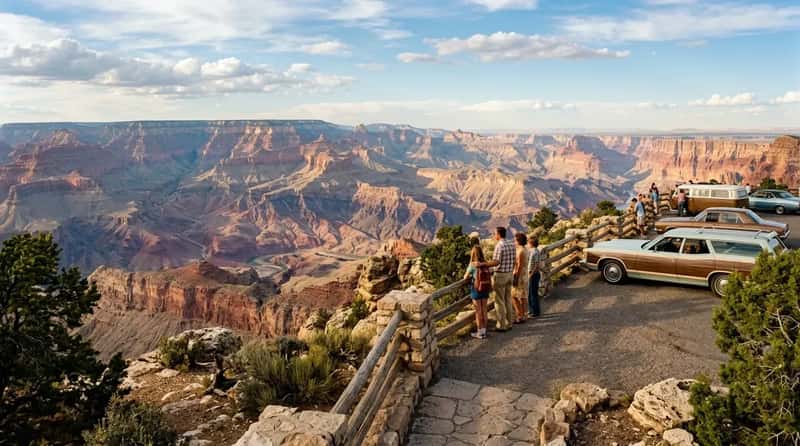
After hours – sometimes two full days – of road tripping through scrubland and desert heat, the first glimpse of the Grand Canyon felt like a reward rather than a photo op. The scale of it, the color of it, the absolute silence of it: families who arrived that way brought a physical and emotional readiness to the moment that the landscape then filled completely. The investment created the impact.
Today you can fly into Phoenix, rent a car, and be at the South Rim in roughly four hours from any major U.S. city. That’s genuinely convenient. But convenience and impact aren’t the same thing. The canyon hasn’t changed a single inch. The arrival has changed enormously – and arrival, it turns out, is most of what makes a view feel like a revelation instead of a screensaver.
#13 – Disney World Was Cheap When It Opened – But It Was Also Simpler
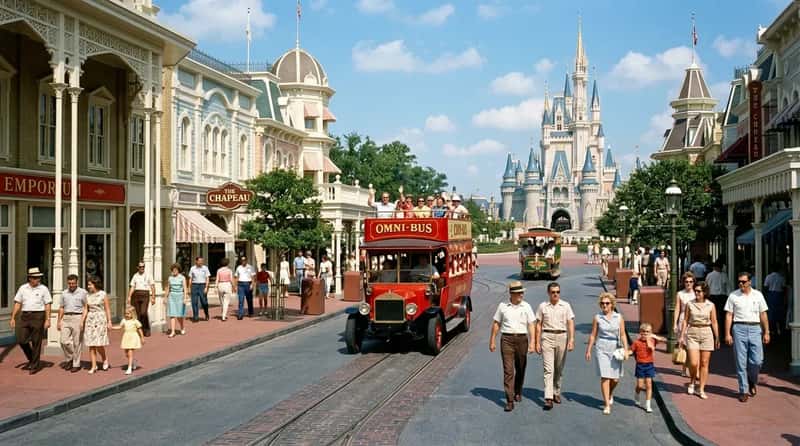
When the Magic Kingdom opened on October 1, 1971, a one-day admission ticket cost $3.50 – equivalent to roughly $23 in today’s dollars. A single-day ticket now starts at a minimum of $109 and climbs significantly from there depending on the date, a gap that inflation alone cannot explain. The early park was smaller, slower, and lacked the strategic planning that visiting Disney World today seems to demand as a baseline skill.
That said, Disney World in its first years sold books of ride tickets separately from the gate admission – meaning the real cost was higher than $3.50 even then. And what visitors got for that price was one park, a handful of attractions, and a world that genuinely felt magical because nothing like it had existed before. The wonder was real. It was also partly a product of having nothing to compare it to, which is a resource that only works once.
#12 – Waikiki Was Actually Exotic Back Then
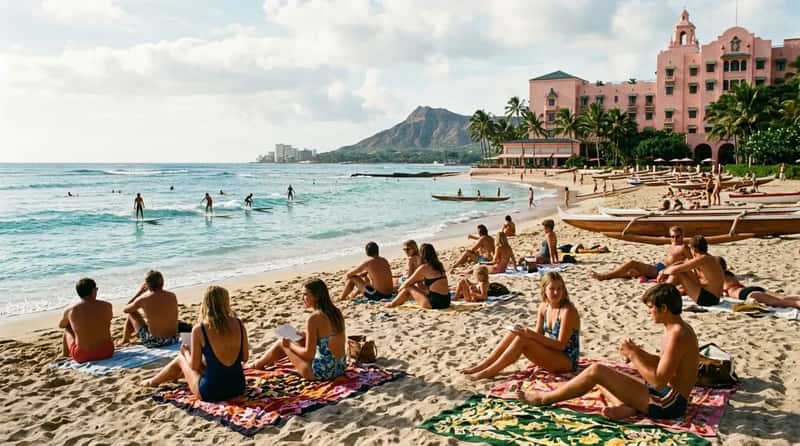
In the 1970s, Waikiki meant the legendary Royal Hawaiian Hotel, relatively uncrowded beaches, local surfers still dominating the waves, and quiet spots where you could spread a beach blanket without negotiating for space. For a middle-class family that had saved up to make the trip, landing in Hawaii felt like arriving on a different planet – green, warm, flower-scented, and running at a pace that actually let you exhale.
Today it’s a wall of high-rise hotels, luxury shopping centers, and beaches so densely packed you can barely see the sand between towels. The authentic Hawaiian culture that made those early visitors feel like they’d discovered something has been largely replaced by a commercialized version built for maximum throughput. The transformation didn’t happen by accident – it happened because everyone wanted a piece of what 1970s visitors found. The destination got crushed under the weight of its own appeal.
#11 – Las Vegas Was Cheaper, Weirder, and Had Actual Danger to It
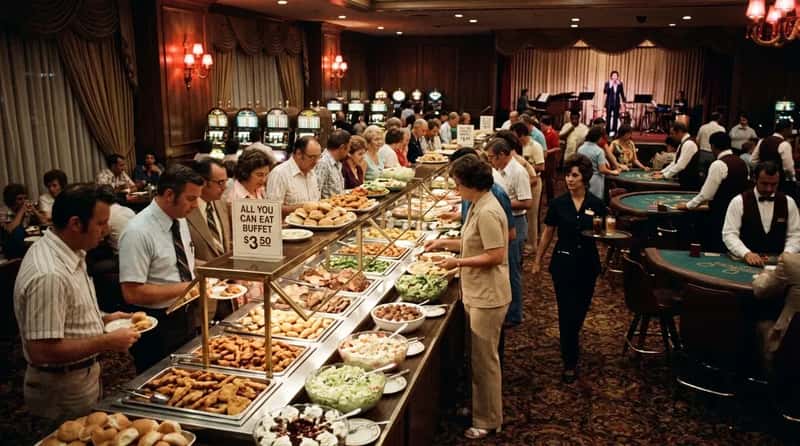
The Vegas of the 1970s was all cheap buffets, lounge singers, and genuine mob mystique. The Rat Pack era was fading but the city still carried an unmistakable air of adult sophistication and low-key menace. You could eat yourself unconscious at a buffet for a few dollars. The shows cost almost nothing. The whole city operated like a secret that grown-ups were in on, which made it fascinating even to families passing through who were too young for the casino floor.
Today’s Las Vegas is a family-friendly entertainment complex with celebrity chef restaurants, arena-level shows, and luxury shopping malls that could anchor any city in America. It’s more polished and more technically impressive in almost every measurable way. But many people who remember the 1970s version will tell you quietly that something specific disappeared when the corporations moved in and the weirdness got sanded off – something that no amount of Michelin stars can fully replace.
#10 – Camping Was the Great Equalizer
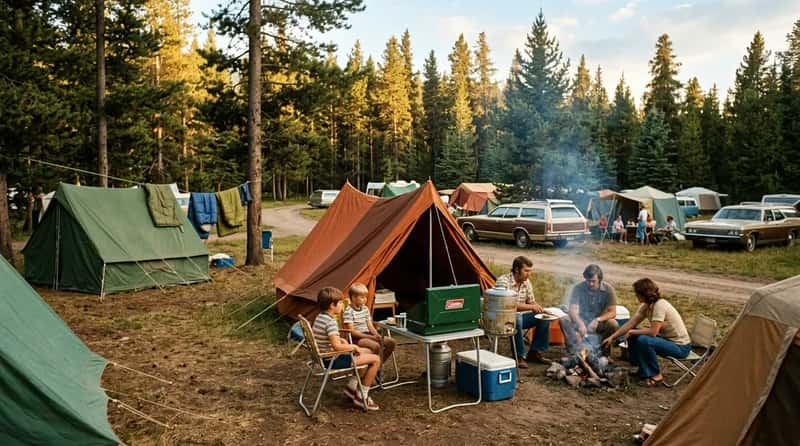
In the 1970s, camping wasn’t a “glamping” statement or a wellness brand – it was what families did when hotels cost too much, which was often. A tent, a Coleman stove, and a cooler full of hot dogs was a complete vacation infrastructure. National park campgrounds were accessible, affordable, and communal in a way that meant the family two feet away had the same beat-up gear, the same budget, and the same smoke-in-the-eyes problem around the fire.
Today’s camping spans from primitive tent sites to $400-a-night luxury outdoor experiences with heated floors and curated menus. There’s a market for all of it, and that’s fine. But the democratic, slightly uncomfortable, everyone’s-in-the-same-boat quality of 1970s camping – the shared inconvenience that turned strangers into temporary neighbors – created a social texture that organized resort camping simply doesn’t replicate. Sometimes the whole point is that it’s hard for everyone equally.
#9 – Film Cameras Made Every Photo Count
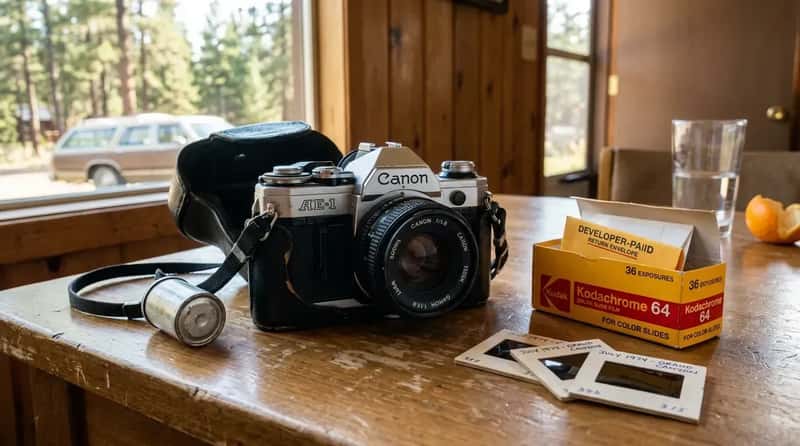
You got 24 exposures, maybe 36 if you splurged on the bigger roll. You used them with care. You did not photograph your lunch. Each shot was composed – not artistically, necessarily, but deliberately, because you understood that there were only so many left and they had to cover the whole trip. The Polaroid versions developed slowly in your hand, the image emerging like a secret being told.
The wait between taking a photo and seeing it – sometimes days or weeks, once the film came back from the drugstore – created a second experience: the reveal. Today’s vacationers take thousands of photos and meaningfully revisit almost none of them. 1970s families took 36 and showed the slideshow every Thanksgiving for the next decade. Scarcity created attention, and attention created memory. The math on that hasn’t changed.
Fast Facts
- A standard 35mm roll of Kodachrome slide film in the 1970s yielded 36 exposures – the hard limit that made every frame a decision
- Getting film developed typically took 1 to 2 weeks through a drugstore; the reveal was its own separate event
- The average smartphone user now takes more photos in a single vacation day than a 1970s family took on an entire two-week trip
- Kodak discontinued Kodachrome film in 2010 – the last roll ever processed was developed in December of that year in Parsons, Kansas
#8 – The Borscht Belt and Regional Resort Culture Was Its Own World

The Catskills were still clinging to their Borscht Belt glory days in the 1970s, with family resorts offering all-inclusive vacations built around communal meals, evening entertainment, swimming, and a social director who made sure you were never bored and never alone unless you specifically wanted to be. These weren’t luxury resorts – they were loud and slightly chaotic and genuinely communal, the kind of place where strangers became friends over brisket and a comedian who worked too hard for his laughs.
The all-inclusive format – before the term became a beach resort cliché – meant you paid once and stopped thinking about money for the week. Families returned to the same resort every summer for years, building relationships with other families who did the same. When those resorts faded in the late 1970s and 1980s, an entire social architecture went with them – one that had no clean replacement, only scattered echoes.
#7 – The Drive-In Movie Was the Perfect Vacation Night Cap
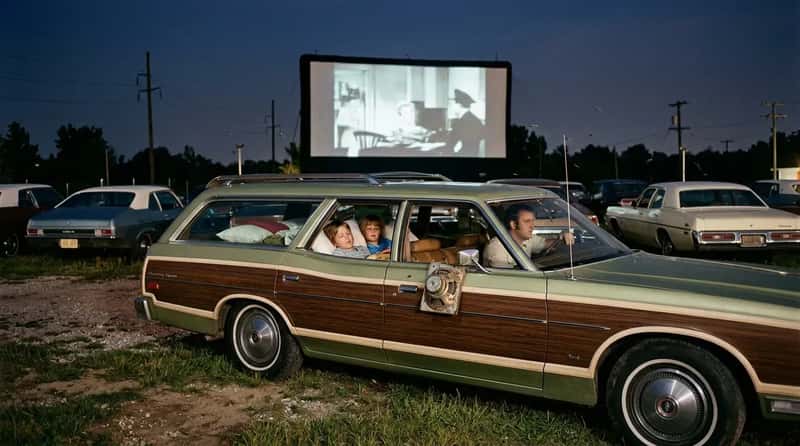
At some point on nearly every 1970s family road trip, someone spotted a drive-in marquee and the evening was decided. You pulled in, clipped the tinny speaker to the window, broke out the cooler snacks, and watched a movie in the open air while bugs tapped against the windshield. Kids fell asleep in the back before the second feature ended. Nobody minded. The whole thing cost less than a restaurant appetizer costs today.
At their peak in the late 1950s, over 4,000 drive-in theaters operated across the country – by some estimates closer to 4,500. By the time families were road-tripping in the 1970s, the decline had already begun, but hundreds were still running. Today fewer than 300 remain in operation nationwide. The drive-in as a routine, casual vacation stop – the kind you didn’t plan, you just saw the sign and turned in – is effectively gone. What replaced it at the motel was cable TV, which is convenient and entirely not the same as watching a movie from your actual car under actual stars.
#6 – International Travel Was Out of Reach – But That Kept Things Beautifully Simple
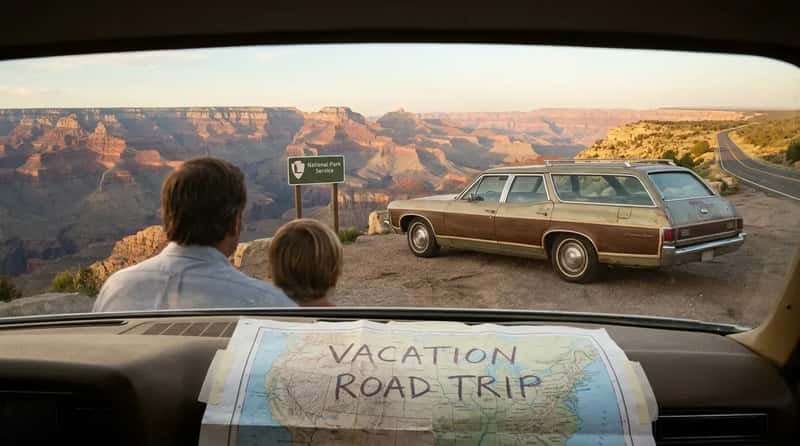
For most American families in the 1970s, “vacation” meant America – the national parks, the regional resorts, the beaches, the roadside Americana, the stretch of highway between here and somewhere worth seeing. International travel wasn’t part of the cultural conversation for working families the way it is now. A one-way ticket from New York to London could exceed $300, which translates to over $2,000 in today’s dollars, and that was before hotels and meals abroad.
Today it costs significantly less in real dollars to fly internationally than it did in the 1970s, and the world got genuinely more accessible – which is an unambiguous good. The tradeoff is that the “undiscovered” corners of Europe and Southeast Asia that 1970s backpackers stumbled onto in near-solitude are now on TikTok, booked six months out, and crowded with people who all read the same recommendations. Discovery scales poorly.
#5 – Nobody Was Documenting the Trip for an Audience – They Were Just Living It
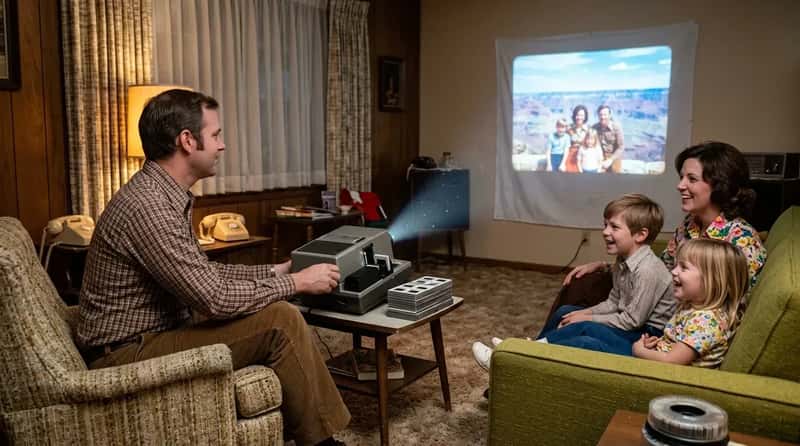
There was no pressure in the 1970s to make a vacation look a certain way for anyone outside the family. You weren’t building a personal brand. You weren’t performing a lifestyle. The audience for your trip was your own living room slideshow and maybe the neighbors who came over for dinner. The vacation was designed entirely for the people taking it – not for the people who might see a curated version of it later.
Today, modern vacations are partly designed for documentation, which quietly changes the experience itself. You choose destinations that photograph well. You arrange the shot before you actually look at the thing you came to see. A 1970s family visiting the Grand Canyon stood at the edge and looked at it – just looked, for as long as they wanted, with nobody waiting for the frame to clear. That quality of unwitnessed presence is harder to achieve now than it has ever been in the history of American tourism.
#4 – Rest Stops Were a Whole Sub-Culture of Vacation Life
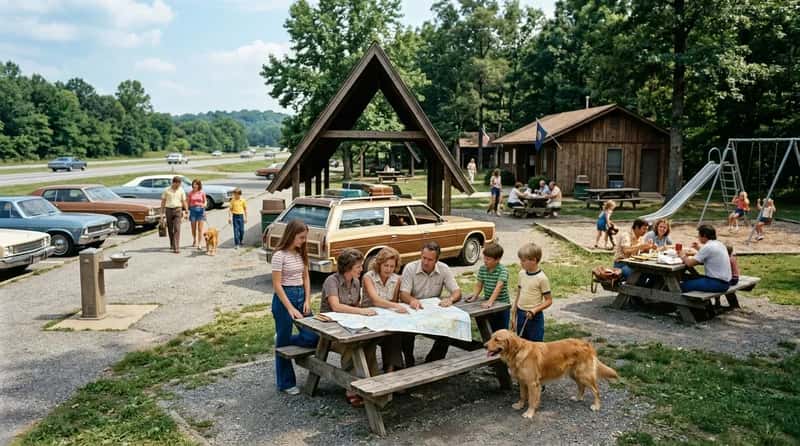
Today’s highway rest stop is a utilitarian pause – bathrooms, vending machines, a map board nobody uses. In the 1970s, rest stops were small events. Families piled out, stretched, let the dog run, spread the paper map across a picnic table, argued about the best route, and watched other families doing exactly the same thing twenty feet away. There was a shared sociology to the rest stop that the drive-through era quietly eliminated.
Many 1970s rest stops had actual picnic pavilions, playgrounds, and welcome centers staffed by real people who could tell you what was worth seeing at the next exit. The human infrastructure of the road trip – the attendant who mentioned the waterfall, the waitress who knew the shortcut, the stranger at the next picnic table who’d just come from where you were headed – was a form of real-time local knowledge that GPS replaced efficiently and imperfectly at the same time.
#3 – The Catskills, the Poconos, and the Great American Near-Vacation Are Gone
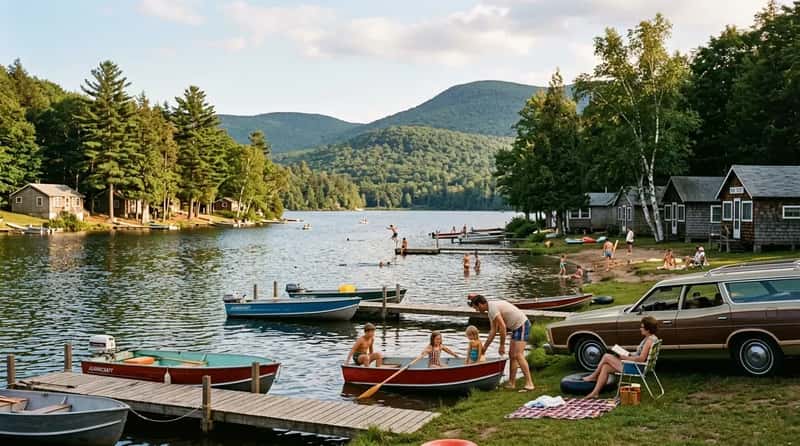
Before budget airlines made it easy to fly anywhere for a long weekend, American families had an elaborate geography of near-vacations – the kind you could drive to in four to six hours and feel genuinely removed from ordinary life. The Poconos. The Ozarks. The Smokies. The Catskills. Regional retreat zones with entire economies built around families who didn’t want to go far but absolutely needed to go somewhere. These weren’t compromise destinations. For the families who loved them, they were the destination – every year, the same one, with the same lake and the same cabin and the same neighbors in the next site.
Some of those regions still exist, but the specific culture built around them – the family resort with a social director and a nightly talent show, the lake cabin returned to every summer for fifteen consecutive years, the town that existed almost entirely to serve one nearby city’s vacation needs – has mostly dissolved. What replaced it is more flexible, more global, and genuinely more impressive by almost any objective measure. It is also less rooted. A lot of 1970s kids had one vacation place that was theirs, and knowing exactly where you belonged for two weeks every summer was its own particular kind of wealth.
#2 – The Postcard Was the Only Way to Share the Trip in Real Time – and That Was Enough
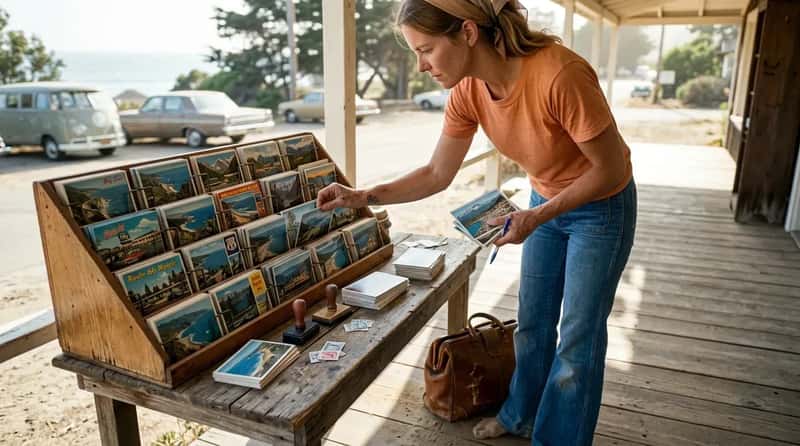
You found the rack of postcards at the gift shop, picked the one that best captured where you were, wrote twelve cramped words on the back, bought a stamp, and dropped it in a mailbox. By the time it arrived, you’d already been home for a week. And somehow that was deeply satisfying – a physical artifact of a real place, chosen carefully, sent with genuine intention to one specific person who actually wanted it.
The postcard and the film photo shared the same essential quality: they required patience, and patience creates meaning. Today’s vacationers share their trip in real time with hundreds of people simultaneously, often while still standing at the thing they came to see. That’s remarkable technology. But the postcard that arrived eleven days later, slightly bent, that a grandmother stuck on her refrigerator for the next three years – that had a specific gravity that a tagged Instagram post doesn’t quite reach. Weight comes from waiting, and waiting is the one thing modern travel has almost completely optimized away.
Why It Stands Out
- A postcard required a deliberate act: find the rack, choose the image, write the note, buy the stamp, find the mailbox – every step was intentional
- The recipient knew exactly one person sent it, chose it, and wrote it – for them specifically
- An Instagram post reaches hundreds instantly; a postcard reached one person days later and sat on a refrigerator for years
- U.S. postcard sales have declined sharply since the smartphone era – the postcard as travel ritual is now more novelty than norm
#1 – The Vacation Wasn’t Optimized – and That’s Exactly Why It Worked
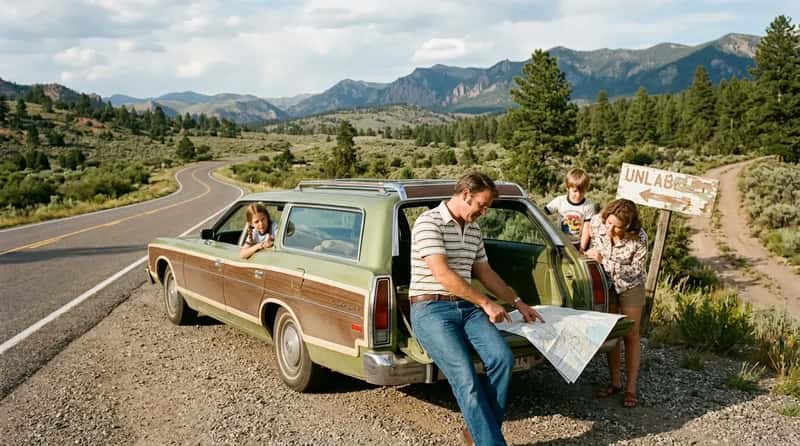
Here’s the honest truth that 25 memories of 1970s vacations keep pointing back to: nothing was optimized. There were no star ratings to consult before choosing a diner, no algorithm suggesting the statistically best route, no app to tell you which overlook got the best light at which hour. The wrong turn that led to the best meal of the trip. The motel that looked rough from the road but had a pool the kids claimed for three straight hours. The roadside attraction you almost skipped and then didn’t. Every one of those moments was created by the absence of certainty.
Modern travel is extraordinarily good at reducing friction – and in removing the friction, it has also removed much of the texture. The 1970s vacation wasn’t better because the planes were better or the hotels were cleaner or the roads were smoother. It was memorable because it was uncontrolled, because it demanded presence, because the family in that station wagon had no choice but to be exactly where they were. The friction was the story. The inconvenience was the memory. They were busy making it – one slightly wrong turn at a time.
Were 1970s vacations better? Not across the board – flying cost a fortune in real dollars, safety was genuinely alarming in ways we’ve rightly corrected, and most of the world was simply off the table for working families. But the things that made those trips unforgettable were structural: the spontaneity, the shared physical presence, the patience forced by film cameras and paper maps, the weird regional culture of roadside America that has largely been erased. Today’s travel is faster, safer, and more accessible. It is also, for many people, strangely harder to remember. The 1970s family vacation had friction, and friction is where the stories live.