Airports are designed to move millions of people as efficiently as possible, and that relentless flow of travelers, luggage, and distractions creates something else entirely: a hunting ground. Thieves, both opportunistic and highly organized, have learned to read the chaos of terminals, security lines, and baggage carousels the way a poker player reads a table. Understanding exactly what they’re watching for is the first real step toward not becoming their next mark.
The Scale of the Problem Is Bigger Than Most Travelers Realize

In 2024, airlines and airports mishandled around 33.4 million bags worldwide, costing the industry an estimated five billion dollars in recovery, compensation, and logistics. That number sounds like an operational failure, and a lot of it is. Lost or stolen bags made up about eight percent of those mishandled cases, while damaged or pilfered luggage climbed to eighteen percent – a sign that opportunistic theft and sticky fingers behind the scenes are becoming a bigger slice of the problem.
In the US alone, 3,798 cargo theft incidents were recorded in 2024, a 26 percent increase year-on-year, with losses approaching $455 million. Identity theft and shipment manipulation now account for one third of those thefts. At the baggage claim level, the picture is similarly grim. In the latest research, Dallas Fort Worth holds the highest incidence of baggage theft among US airports, followed by Los Angeles and Atlanta – three of America’s busiest airports with the highest passenger volume, long walking distances, and crowded baggage claim areas.
Thieves Look for the Distracted, the Overwhelmed, and the Obvious

Airport thieves are cunning and observant, seeking easy opportunities amidst the crowd. They blend seamlessly into their environment, looking like travelers or even staff. Their primary targets are those who appear distracted – such individuals offer little resistance and are easy prey. Juggling three bags while squinting at a departures board is practically an invitation. Unattended belongings are magnets for thieves. Items left without supervision can vanish quickly.
Airport thieves often work in groups. One creates a distraction while another steals valuables. They might use spilled drinks or dropped items as diversions, and the brief chaos aids their operation. Some thieves even engage targets in conversation to divert attention – an overly friendly stranger might not have good intentions. Experienced travelers know this instinctively, but first-timers or fatigued road warriors are especially at risk.
The Security Checkpoint Is One of the Riskiest Spots in the Building
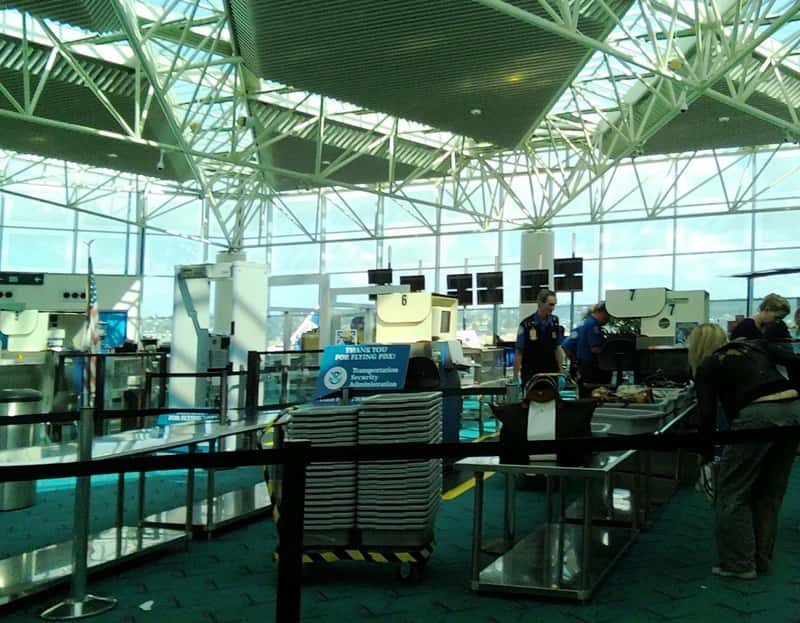
Travel safety experts warn that the TSA security checkpoint is actually “one of the riskiest places” when it comes to possible theft. “When you’re distracted by removing shoes, emptying pockets, and following instructions, your belongings become exposed and vulnerable.” Most people wouldn’t guess it – there are uniformed officers everywhere – but the volume of activity and the mandatory separation from your own belongings creates the perfect window. The TSA itself has warned of a sharp rise in phone thefts at airport security checkpoints in 2026.
A common method of theft involves a situation where you are delayed getting through the body scanner – someone in front of you picks up a small item belonging to you, like a wallet or phone which you have placed in a small open tray designed to hold keys and phones, and places it in their larger bag and walks away with it hidden from your view. Sophisticated thieves may even hand off the stolen item to an accomplice. According to reports, the TSA recovers nearly 100,000 lost items each year, with electronics being a significant portion of these recoveries.
Baggage Claim Is an Open Door With No Lock

Many baggage reclaim areas are completely open to the public – no boarding pass checks, no ID scans, just an honor system where everyone politely pretends they would never walk off with a stranger’s luggage. This lack of access control is deliberate for operational efficiency, but it leaves arriving passengers deeply exposed. Analysis of incident reports at Nashville International Airport found that nearly every reported theft happened at baggage claim, and many of the alleged thieves kept coming back and taking more bags off the carousels.
According to that same analysis, there were close to 60 reports of stolen luggage over a five-year timespan, and more than a third of those reports said the thefts were committed by repeat offenders accused of stealing luggage from the terminal on multiple occasions. Many of the country’s major airports have seen increases in reports of motor vehicle thefts, with thieves targeting airport parking lots. Vehicle thefts from Hartsfield-Jackson Atlanta International Airport, for example, more than tripled in a single year – 301 cars stolen through October 2024, compared with 95 for all of 2023.
The Insider Threat: When the Danger Comes From the Other Side of the Badge
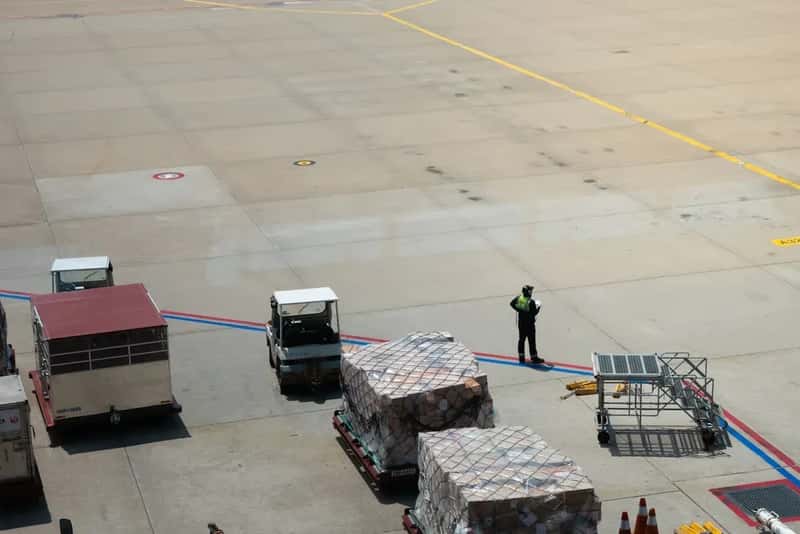
Air travel is one of the few situations in which individuals are encouraged to refrain from securing their valuables to facilitate screening, thereby providing an opportunity to some airport employees to use the privileged access offered by their jobs to steal from passengers’ luggage. The TSA estimates there are about 1.8 million aviation workers at US airports. In some cases, workers have used access privileges to commit crimes, including stealing aircraft and smuggling guns.
Miami International Airport, JFK International Airport, and Los Angeles International Airport are the top airports with the most employees fired for stealing. In September 2023, NBC Miami reported on three TSA employees who were arrested for grand theft after being filmed on security cameras stealing cash and other goods from passengers’ handbags. Luggage theft by insiders has been recorded globally, in locations including Algeria, Argentina, Bolivia, Colombia, India, Indonesia, Peru, Spain, and Sri Lanka. This is not a problem confined to any single country or region.
How to Protect Yourself, Practically and Effectively
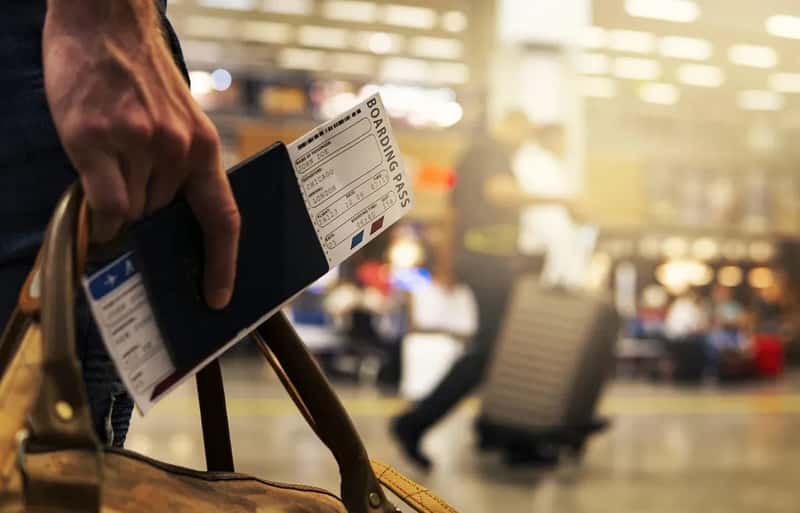
The best thing a traveler can do is ensure all valuables are stored safely inside bags, since it is much more difficult for thieves to go through a bag than to snatch loose articles from bins. Taking inventory of all valuables immediately after going through security is also critical – if something is stolen, airport security and law enforcement could help catch the thief if the disappearance is reported quickly. Slipping your phone into a zippered bag pocket rather than dropping it into a tray takes two extra seconds and dramatically reduces your risk. Placing an AirTag tracker inside checked luggage lets you see its location at all times in the Find My app, and the device can even play a sound through its built-in speaker to help you locate your bag.
After exiting the plane, going directly to baggage claim to retrieve checked luggage is strongly advised. Arriving before the bags are loaded onto the conveyor belt means you can spot your suitcase as it first appears. Anti-theft accessories also make a real difference – bags with slash-proof materials and hidden compartments, as well as luggage with built-in TSA locks and tamper-evident zippers, all deter thieves from attempting to access your bag.