Plenty of Americans think of Canada as the easy international trip, the one where a quick drive over a bridge or a short flight north barely counts as leaving the country. The border is friendly, the language is mostly familiar, and the distances can be small. Still, the paperwork depends heavily on how you arrive.
A document that works at a land crossing may be useless at an airport check in desk. Another that most people carry every day may not work at all. Here is what each type of trip requires, and the few extra rules that catch travelers off guard.
No Visa and No eTA, but You Still Need Proof
U.S. citizens do not need a tourist visa to visit Canada for less than 180 days.[1] They are also exempt from the eTA requirement, which is unusual, since most other visa exempt travelers need one to fly to Canada.[2] For a normal vacation or a family visit, there is no application to file in advance.
That doesn’t mean you can show up with nothing. Canadian law requires everyone entering the country to show proof of citizenship and identity.[1] Visits longer than 180 days generally require a visa[1], and working in Canada is a separate, permit based process.[2]
The U.S. Passport Book Is the Safest Choice
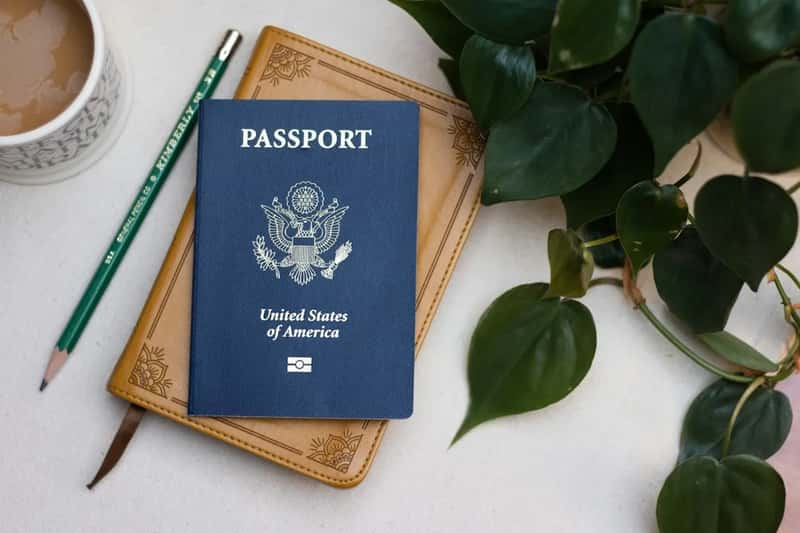
If you want one document that works however you travel, it’s the passport book. For most international air travel, including travel to Canada, U.S. citizens need a valid passport book.[3] By land or water it is accepted too, so it covers every scenario in this article.
Your passport must be valid at time of entry.[1] Check the expiration date well before you book, since renewals take time. Travelers who arrive without a passport can still sometimes get through, but border agents will need to manually verify citizenship using alternative proofs, which can lead to lengthy questioning and processing delays.[3]
Driving In: Documents That Work at Land Crossings

Drivers have more options than flyers. U.S. citizens can use a valid U.S. passport, passport card, or NEXUS card to enter.[1] By land or water, you can also use an Enhanced Driver’s License.[3]
An Enhanced Driver’s License is accepted for land and sea crossings, but it’s only available to residents of five states: Michigan, Minnesota, New York, Vermont, and Washington.[4] It includes proof of citizenship through an embedded RFID chip.[4] If you live elsewhere, the passport card or NEXUS card is your lighter alternative to the full passport book.
Flying In: Stricter Rules at the Airport
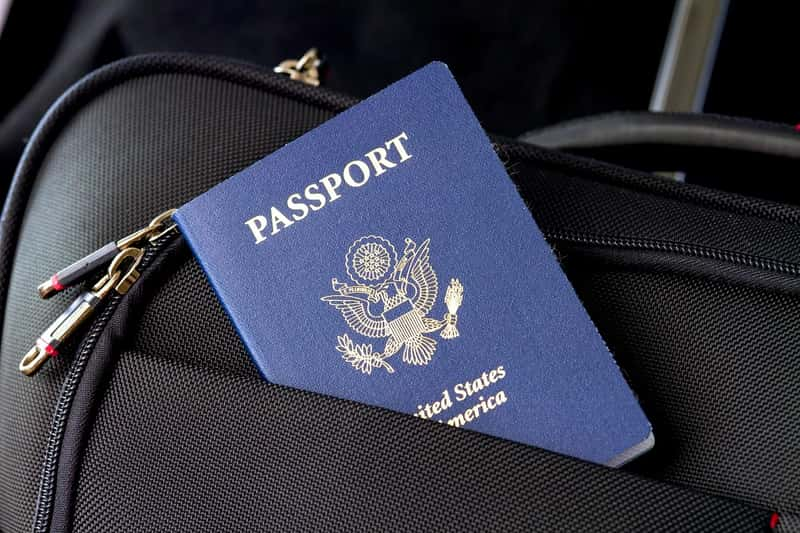
Air travel narrows your choices. For air travel, you must have a valid U.S. passport, since passport cards and enhanced driver’s licenses won’t work for flights.[6] Passport cards also cannot be used for domestic flights within Canada.[1]
NEXUS is where guidance varies. Certain NEXUS members may be eligible to travel using their NEXUS card on approved routes[3], but not every guide agrees, so carrying a passport is the safer move. Airlines may deny boarding if you do not have the required travel documents.[3] The trip home matters as well, because flying back into the U.S. requires a valid passport book.[4]
Arriving by Ferry or Other Sea Routes
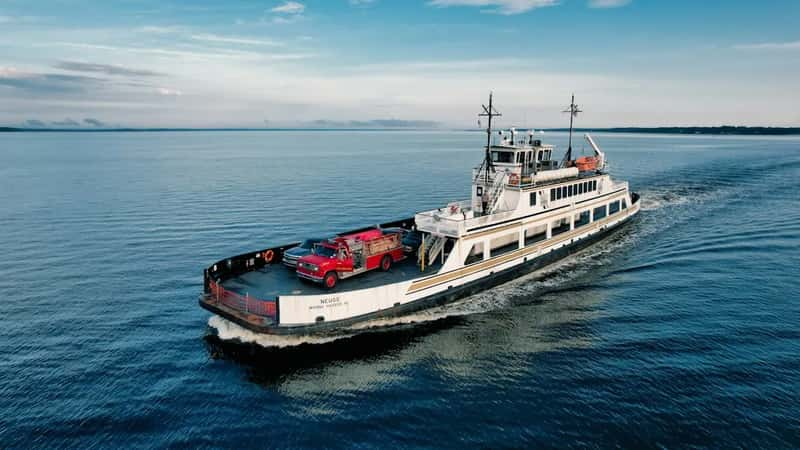
Ferries fall under the water category, which is treated much like a land crossing. If you are crossing by land or by sea, such as on a cruise ship or ferry, you have more flexibility than air travelers.[7] That means a passport book, passport card, NEXUS card, or Enhanced Driver’s License can all work.
You may use a passport card to enter Canada if you’re entering via land or sea.[3] Keep in mind that these accepted documents cover entry into Canada only. Requirements for returning to the United States may differ and are governed by U.S. rules.[3]
Traveling With Children

Kids get a break at land and sea crossings. Children under 16 traveling to Canada require only proof of U.S. citizenship, such as a birth certificate.[8] Citizens aged 15 and under can enter by land or sea with just a birth certificate.[3]
The flying rule is different, since guides say U.S. citizens generally need a passport book for air travel.[3] If you’re not the child’s parent or guardian, bring extra documentation. If traveling with a minor for whom you do not have full legal custody, a letter of authorization from the child’s parents or legal guardians may be necessary.[8]
The Customs Declaration and ArriveCAN
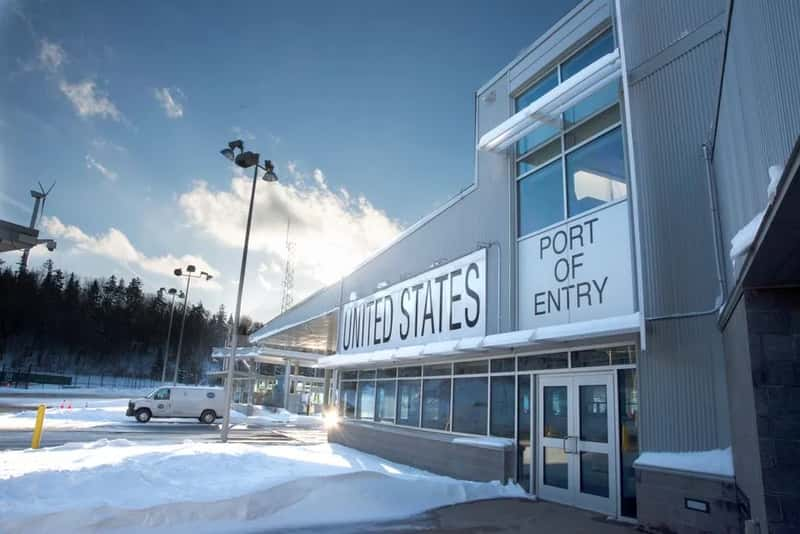
ArriveCAN was a mandatory pandemic tool, but that era is over. ArriveCAN has not been mandatory since October 1, 2022.[9] Today it is a free and optional way to submit an Advance CBSA Declaration before flying into a participating Canadian airport.[10]
You still have to make a declaration, because everyone entering Canada must complete a customs and immigration declaration.[11] The app simply lets you do it early. You can submit it up to 72 hours in advance[12], one submission can include up to eight travellers[10], and it does not currently work with NEXUS kiosks.[10]
Criminal Records and DUI Convictions
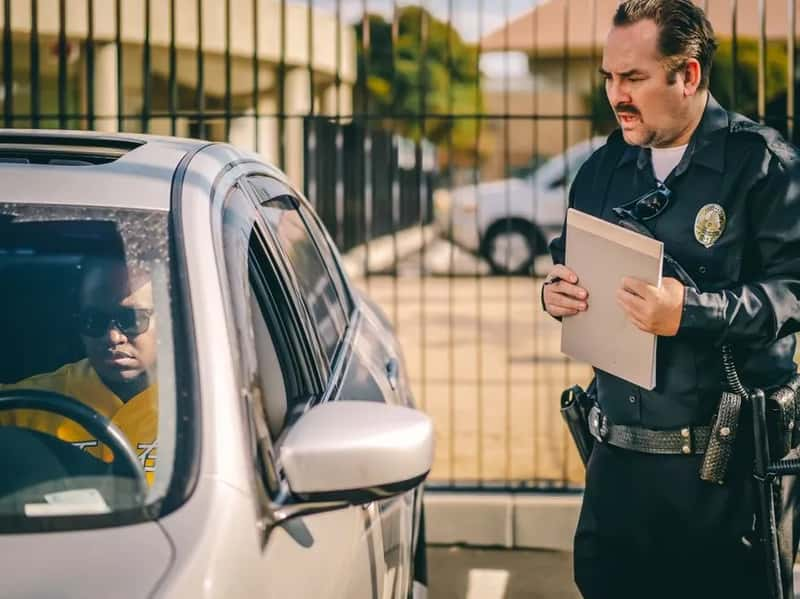
This is the issue that turns people around at the border. A single DUI conviction, even a misdemeanor in your home state, can make you criminally inadmissible to Canada.[13] The reason is that Canadian border agents apply Canadian law, not the laws of the state that convicted you.[13]
Time alone doesn’t always solve it. A twenty year old DUI could still result in denied entry if no action has been taken to resolve the person’s inadmissible status.[14] The usual routes are applying for a Temporary Resident Permit or Criminal Rehabilitation[15], and petitions for rehabilitation generally become possible after five years have passed since all sentences, probation, and fines were completed.[16] Speaking with a Canadian immigration lawyer well before your trip is the sensible first step.
Carrying Cash and Firearms

Large sums of money must be reported. The State Department’s Canada page lists 10,000 Canadian dollars or more as the threshold on both entry and exit.[1] Staying under that amount, or declaring anything above it, keeps a simple crossing simple.
Firearms involve more paperwork than most visitors expect. According to the State Department, you must complete the Non Resident Firearm Declaration form three times, since making copies is not possible[1], and the CBSA officer at the border must witness you completing it.[1] Check the current Canadian rules before you pack anything that falls into this category.
A Short Checklist Before You Cross
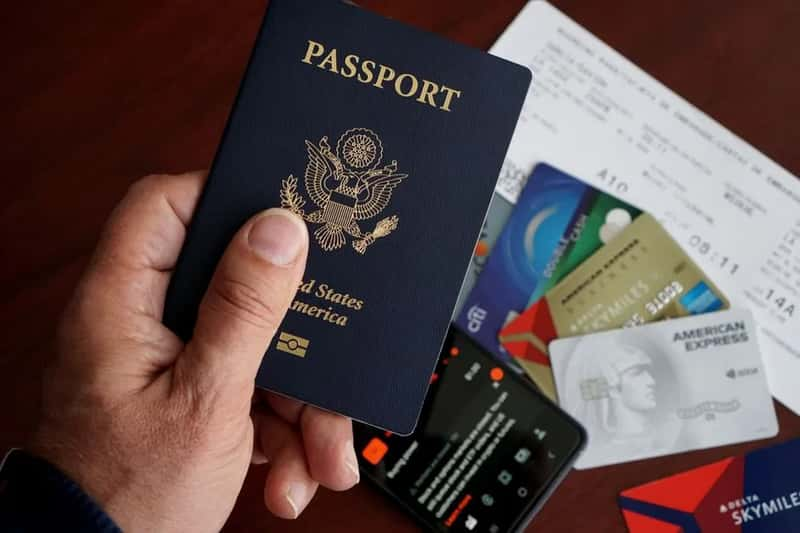
By car or ferry, bring a passport book, passport card, NEXUS card, or an Enhanced Driver’s License if your state issues one. By plane, bring a valid passport book. For children under 16 crossing by land or sea, a birth certificate is enough, with a custody letter if you aren’t their legal guardian.
Confirm your passport hasn’t expired, decide whether to file the optional Advance CBSA Declaration if you’re flying into a participating airport, and sort out any criminal record issue before departure. The State Department’s Canada travel page and the Canada Border Services Agency website are the places to confirm current entry rules.