Most drivers heading south spend their planning time on routes, hotels and insurance. The paperwork that proves you’re allowed to be there often gets a quick glance at best. That’s a small oversight with real consequences, since the tourist card is the document immigration officers expect you to hold from the moment you enter until the moment you leave.
The rules have shifted in recent years, and plenty of older advice floating around the internet no longer matches what happens at the booth. Air travelers now deal with a very different process than people arriving in a car. Here’s what applies to you at a land crossing in 2026.
What the Tourist Card Actually Is
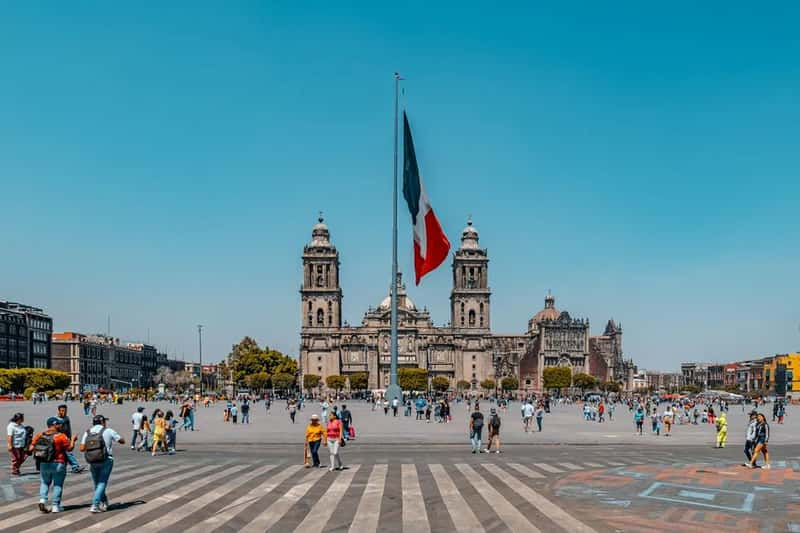
The Forma Migratoria Múltiple, or FMM, is a tourist permit and is not the same as a visa.[1] Think of it as the record of your legal stay as a visitor. Mexico’s immigration authority, the Instituto Nacional de Migración (INM), sets the fee each January.[2]
You may have heard that the paper card is gone. That’s only partly true. The digital-only change applies to air arrivals.[3] Paper FMMs are still being issued at the land borders.[1]
What It Costs in 2026
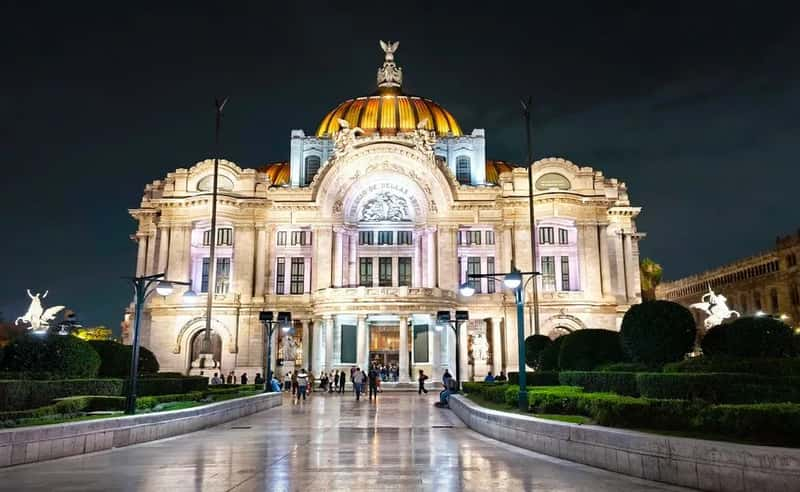
The fee for 2026 is 983 pesos, which is about 54 U.S. dollars.[2] INM’s 2026 fee schedule lists that amount for visitor status without permission to work.[7] At the crossing, you can pay with cash or a credit card.[8]
A few third party sites quote other numbers, including figures in the 700 and 800 peso range. Those appear to be outdated or inconsistent, so treat them cautiously. Confirm the amount before paying, because government fees can change.[7]
When the Card Is Free

Short trips get a break. If you’ll be in Mexico for seven days or less, you can get a free FMM, but you still need to stop at the border and fill out the paperwork.[8] The waiver covers the fee, not the stop.
This matters for weekend travelers who assume free means optional. One traveler who miscalculated the length of a stay reported that immigration voided the first form and issued a new one without charging again.[9] That’s one person’s experience, not a guarantee, so count your days carefully before you commit to a number.
How Many Days You’ll Be Granted
The maximum is 180 days. The official issuing the permit can assign any expiration date under that limit at their discretion.[1] You’re not guaranteed the full 180.[9]
If you want a long stay, say so plainly at the desk. A border guide recommends asking for the full 180 days when they ask how long you’d like.[8] Don’t plan on fixing it later, because an FMM cannot be extended or renewed.[2]
Filling It Out Online Before You Go
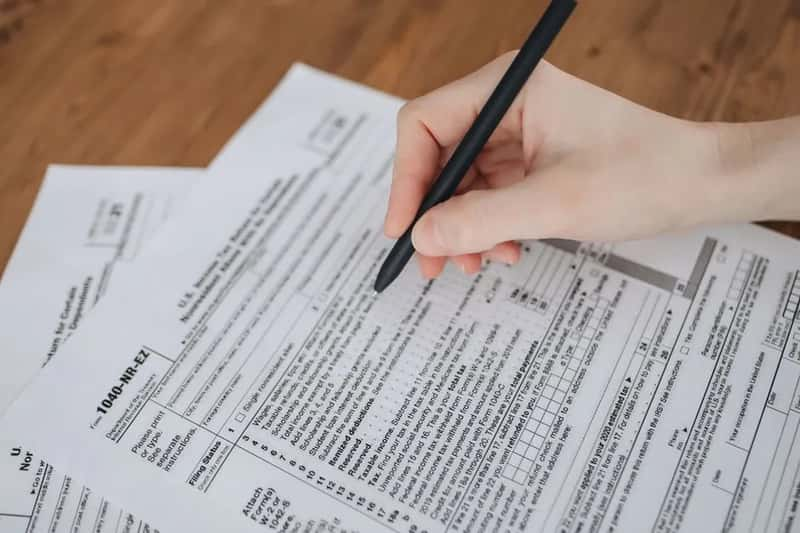
You can save some time at the booth. INM offers an electronic version you can complete on its website before presenting yourself at the crossing.[3] The online form is for land entries only.[10]
Doing it ahead doesn’t let you skip the stop. You still need to get an entry stamp and show proof of payment.[9] If you bought your FMM online, bring a printed receipt or you may have to pay again.[1]
Where to Stop at the Border
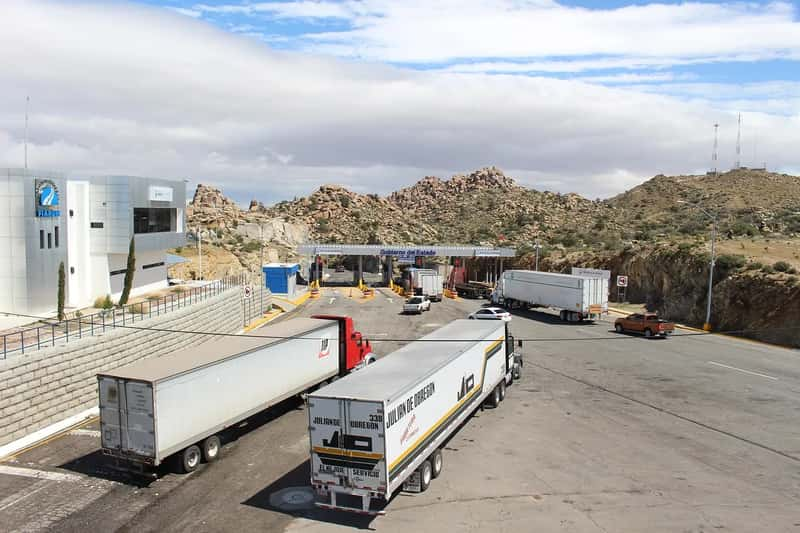
Mexican immigration isn’t always obvious from the road. You must go into the INM office to get your FMM, or get it stamped if you purchased it online.[1] Pull over and ask, even if traffic seems to wave you through.
Smaller crossings sometimes lack a dedicated office. In that case, go to the area for items to declare and tell the agents you need an FMM.[1] Driving on without the stamp is how travelers end up with problems at checkpoints later.
Documents to Have in the Car
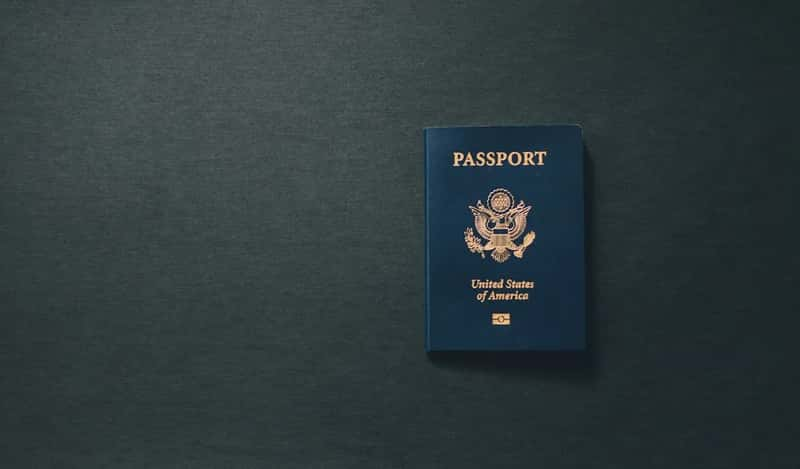
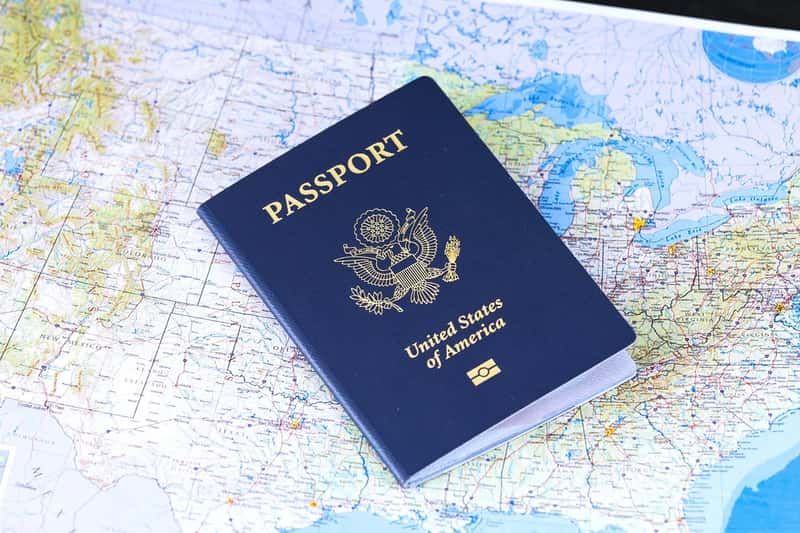
You’ll need either a passport book or a passport card for a land entry. The passport card is allowed only for land and sea travel and can’t be used to fly.[2] A driver’s license can’t be used on its own, because a passport is needed to get an FMM.[1]
Insurance belongs on the list too. Liability coverage is mandatory everywhere in Mexico, even if you’re staying in the free zone.[11] Your U.S. policy generally won’t satisfy that, so buy a Mexican policy before you cross.
The Vehicle Permit Is a Separate Thing
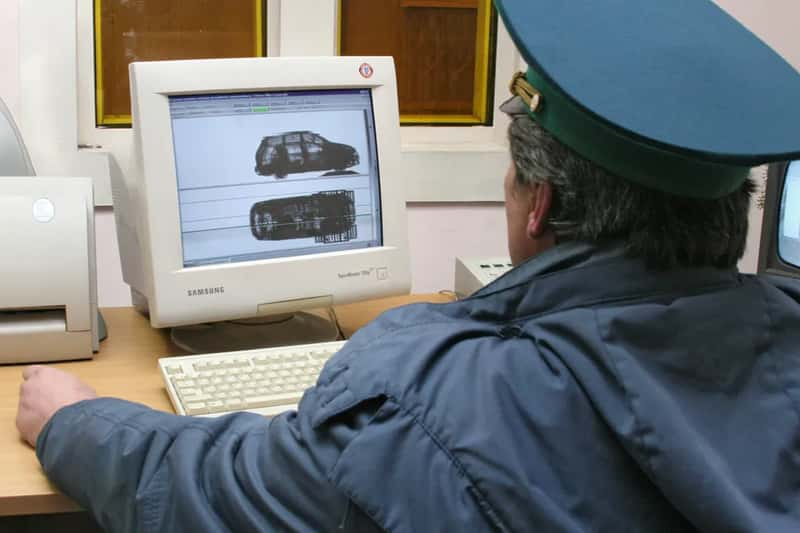
Digital / Цифра, CC BY-SA 3.0)
The tourist card covers you, not your car. If you’re driving a U.S. plated vehicle beyond the border free zone into mainland Mexico, you need a Temporary Import Permit from Banjercito.[12] The free zone includes the Baja California Peninsula, Quintana Roo, parts of Sonora, and certain areas near the land borders.[11]
Banjercito is the only legitimate source. It’s the only institution authorized to issue these permits for foreign vehicles.[12] Have your passport, your FMM, the title or registration, and your license ready, plus a notarized letter from the lienholder if the vehicle is leased or financed.[13] One industry guide puts the 2026 cost around 51 U.S. dollars at the border or 45 online, plus a refundable deposit that depends on the vehicle year.[14]
Keeping the Card and Leaving Cleanly
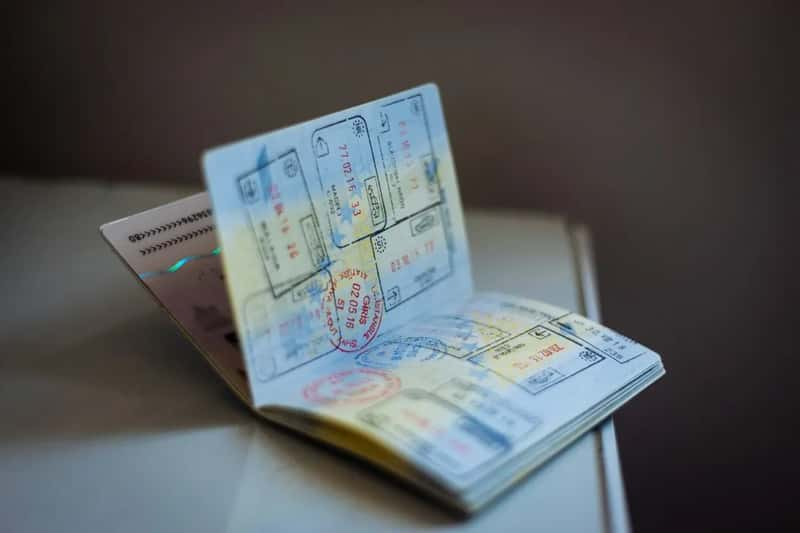
Treat your FMM like a boarding pass you can’t replace on the spot. Officers tear off part of the form when you enter, and you must hold on to your stub and turn it in when you leave Mexico.[15] Tuck it into your passport and keep it there.
Losing it creates a chore. A lost card means an INM office visit and a replacement fee before you can leave.[16] On the vehicle side, canceling the permit with Banjercito and driving the car out before your status lapses is how the deposit gets refunded.[17]
Road Safety Notes for Drivers

The paperwork gets you in, but the route still matters. The State Department reissued its Mexico advisory on May 29, 2026, and it remains at Level 2, exercise increased caution.[18] The six Level 4 states in that advisory are Colima, Guerrero, Michoacán, Sinaloa, Tamaulipas, and Zacatecas.[19]
Timing is the practical lesson. The advisory tells travelers to avoid traveling between cities after dark.[18] It also says highways 85/85D, 54, and 40/40D have seen armed robberies and carjackings, and should not be used after dark.[20]
A Short Checklist Before You Cross

Pack a valid passport or passport card, and decide how many days you need. Fill out the FMM online if you like, and bring a printed receipt if you pay in advance. Budget 983 pesos for stays beyond seven days, or expect the form to be free for shorter ones.
Buy Mexican liability insurance, and get a Banjercito vehicle permit if you’re going past the free zone. Stop at the INM office on entry, and ask for the number of days you want. Keep your FMM stub safe until you hand it in on your way out.