Most people post vacation photos with the best of intentions. They want to share the joy, the view, the food, the moment. It feels harmless. But according to former burglars who have spoken openly about their methods, that single beach selfie or airport check-in can be all the information a thief needs to empty your home while you’re sipping cocktails thousands of miles away. The warning is simple, consistent, and backed by real data: posting in real time is one of the most dangerous digital habits you can have.
The Scale of the Problem Is Bigger Than You Think
A UK survey revealed that a massive 78% of burglars use social media to find their targets, using platforms such as Facebook, Twitter, and Google Maps. That’s not a fringe behavior. That’s the majority. According to research by alarm and doorbell company Friedland, four out of five burglars are now using social media to track their victims and select possible targets. These aren’t opportunists stumbling upon an unlocked door anymore. They’re doing their homework online, often days before they ever step foot near your home.
In 2024, there were 779,542 home burglary cases in the US. A break-in happens roughly every 25.7 seconds on average, and the average loss per case is around $2,661. What’s especially sobering is that only about 11% of cases get solved, so many people never get their things back. The numbers make it clear: this is not a theoretical risk. It is a daily reality for hundreds of thousands of households.
Real-Time Posts Tell Burglars Exactly What They Need to Know
Sharing photos and videos from your vacation on social media before you return home is incredibly risky. If burglars know that you will be away from home for several days or longer, that means they will have plenty of time to find your house, figure out how to get in, study your neighbors’ routines, and decide the best time to break in. That’s not speculation – it’s the actual process that convicted burglars have described when interviewed by researchers and law enforcement.
Experienced burglars describe how they have read posts on Facebook, Twitter, and other platforms in which people have told their friends about their Christmas plans and how they would be away for a few days. This is effectively a green light to a burglar who knows they will have abundant time to overcome any security systems, gain entry into a property, and help themselves to what they can find. Research by Friedland also found that 80% of criminals return to a property a number of times before breaking in. If they managed to find a target on social media, they could be watching and waiting for the right time to pounce.
High-Profile Cases That Show This Isn’t Just Theory
In Crawley, a burglary gang used Facebook to establish friendly relationships with people to get knowledge of their holiday plans. Once those people went away, the burglars struck. Over a four-month period, the gang targeted over 12 homes while the owners were away on vacation. This wasn’t a random series of crimes – it was a deliberate, socially engineered operation carried out almost entirely through a social media platform most people use to keep up with friends and family.
In 2019, a London-based organized burglary gang was arrested after targeting a number of high-value homes. Police investigations revealed how the gang had compiled details of potential victims by tracking Instagram and Twitter posts in which luxury items and travel plans had been exposed. In London, socialite Shafira Huang was also the victim of a robbery by thieves who had been monitoring her social media posts and learned that her property was unoccupied. Celebrities and everyday people alike are vulnerable – the method doesn’t discriminate based on fame or wealth.
Your Photos Contain Hidden Data That Gives Away Your Location
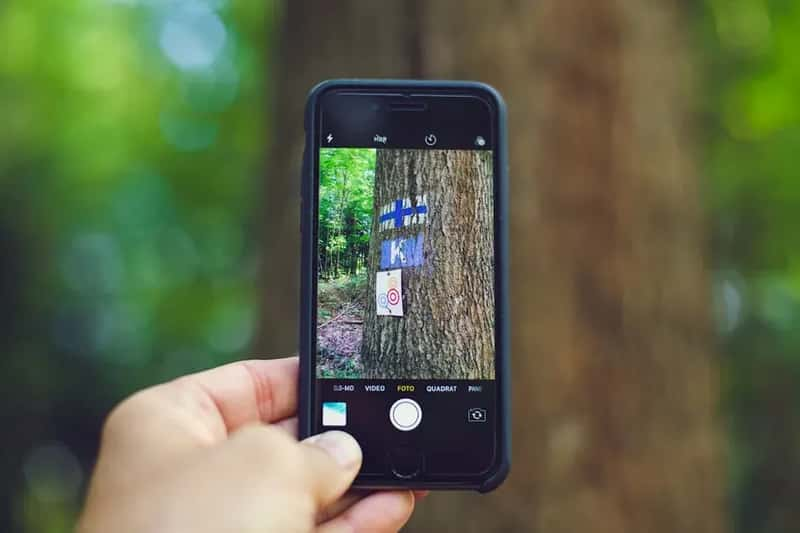
One of the ways in which criminals use social media to target homes is by examining the exchangeable image file (EXIF) data attached to photos. When a photo is taken with a digital camera or smartphone, the image file includes hidden data that typically includes the camera name, the date and time, and possibly the GPS coordinates of where the image was taken. Burglars can use this information to confirm someone is away from home. Most people have no idea this data even exists, let alone that it can be read by anyone who knows how to look.
Most modern smartphones and digital cameras have built-in GPS capabilities. If location services are enabled for the camera app, the device automatically records the precise coordinates and embeds them into the photo’s EXIF data the moment you press the shutter button. Many users aren’t even aware this feature is active, inadvertently creating a detailed map of their movements embedded within their digital photos. If you post a photo of a new purchase taken inside your home, you’ve just shared your address alongside an inventory of your valuables. If you consistently post geotagged photos from your favorite café or park, you are creating a map of your daily routine for anyone to see. This information can be exploited by stalkers, burglars, or malicious individuals.
Summer Is Prime Time – and Burglars Know Your Schedule
More burglaries happen in June than any other month, accounting for 11.3% of all reported cases, according to a Safewise survey. During the year, summer is the busiest season for burglaries, especially in July and August. Fall comes next, then spring, while winter has the lowest rate. This seasonal spike lines up almost perfectly with when most families take vacations – and when most people are posting poolside and beach photos in real time across every social platform imaginable.
By paying close attention to social media, burglars can figure out what homes are good targets based on expensive items shown off online, how often the occupants are out of the house, and what kind of person the occupant is. Without going near a person or their home, they can build a complete profile of them and their property as a potential target. Burglars also look for pictures of a target’s home, updates on whether they’re on holiday, and identify those who have checked into airports or restaurants – showing they are away from home for at least a couple of hours, giving the burglar the opportunity to strike.
Your Vacation Post Could Also Void Your Insurance Claim

Some insurers have declined claims on the basis of “breach of the policy” because clients have not taken precautions and have posted on social media channels that they are away. This is a consequence most homeowners never consider when they hit “share.” Beyond the theft itself, they may discover that the very act of announcing their absence online has handed the insurance company a reason to walk away from the claim entirely.
According to an April 2025 industry report from PropertyCasualty360, 42% of disputed insurance claims involved social media surveillance as a key factor in denial or reduction of payout. In cases where social media posts have triggered burglaries, insurance companies have started rejecting insurance claims. The pattern is becoming harder to ignore: posting your vacation in real time doesn’t just attract thieves – it can strip away the financial protection you counted on to recover from the loss.