Three years ago I could tell you, almost to the hour, what a two week trip through Italy and France would look like before I’d even booked a flight. I had spreadsheets. I had backup restaurants for my backup restaurants. Somewhere along the way, that whole system quietly stopped working, and I stopped trying to force it.
This isn’t a story about giving up on Europe. It’s about giving up on the idea that a European trip can still be planned the way it used to be planned, back when museums took walk ins and trains mostly ran on time. The continent changed. The old habits didn’t catch up.
The itinerary that fell apart on day two
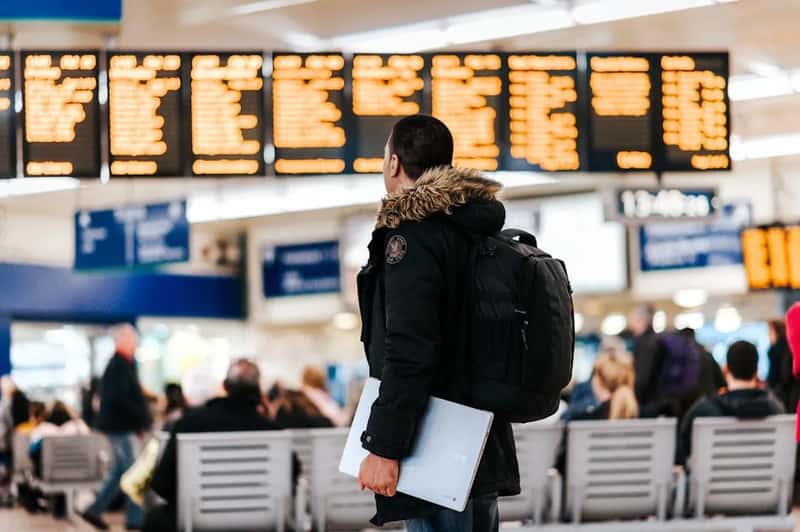
My last fully scripted trip was a fifteen stop tour through five countries, timed down to the train transfer. It survived exactly two days before a missed connection in Milan turned the whole thing into a scramble of rebookings and refunded reservations. Every subsequent stop had been planned around the one before it, so one delay knocked the rest over like dominoes.
What struck me afterward wasn’t the disruption itself. Delays happen. It was how little slack I’d built in, because the planning process had rewarded precision over flexibility at every step. A trip designed for a version of Europe that moves predictably just doesn’t hold up against the one that actually exists in 2026.
Entry fees turned spontaneity into paperwork
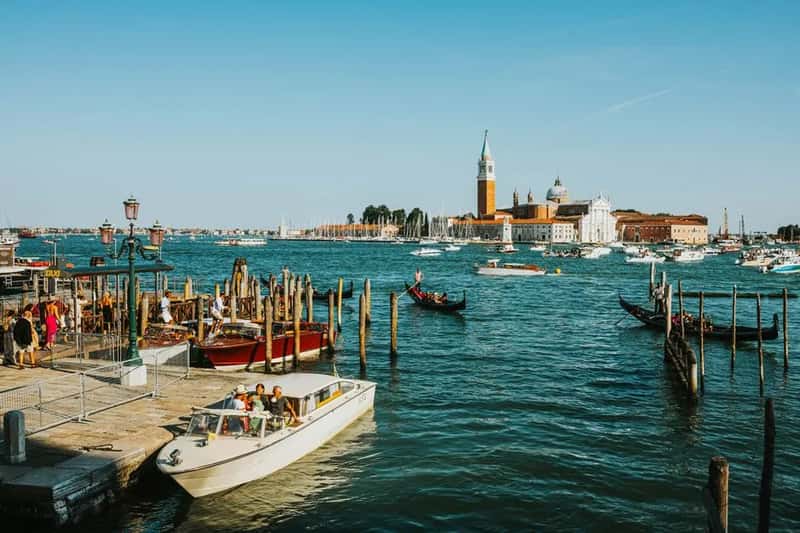
Venice used to be a city you could wander into on a whim. That stopped being entirely true in 2024. First introduced in 2024 as an experimental measure and continued through 2025, the access fee specifically targets day visitors who arrive and leave on the same day without contributing much to the local economy.[4] By 2026 the program had grown rather than shrunk. Venice confirmed that its daytripper fee returned in 2026 with an expanded calendar covering 60 days between April and July, an increase from the 54 days during which the fee was applied in 2025.[4]
The pricing itself pushes people toward advance booking whether they want to plan that far ahead or not. Visitors who book at least four days ahead will pay 5 euros, while bookings made closer to arrival cost 10 euros.[5] The city’s reasoning makes sense on paper, since residents have dwindled to fewer than 50,000 while tourist accommodation now exceeds that figure[4]. Still, it means checking a calendar of restricted dates before you can even decide when to show up, which quietly kills the idea of a loosely planned Italian afternoon.
The booking window keeps shrinking
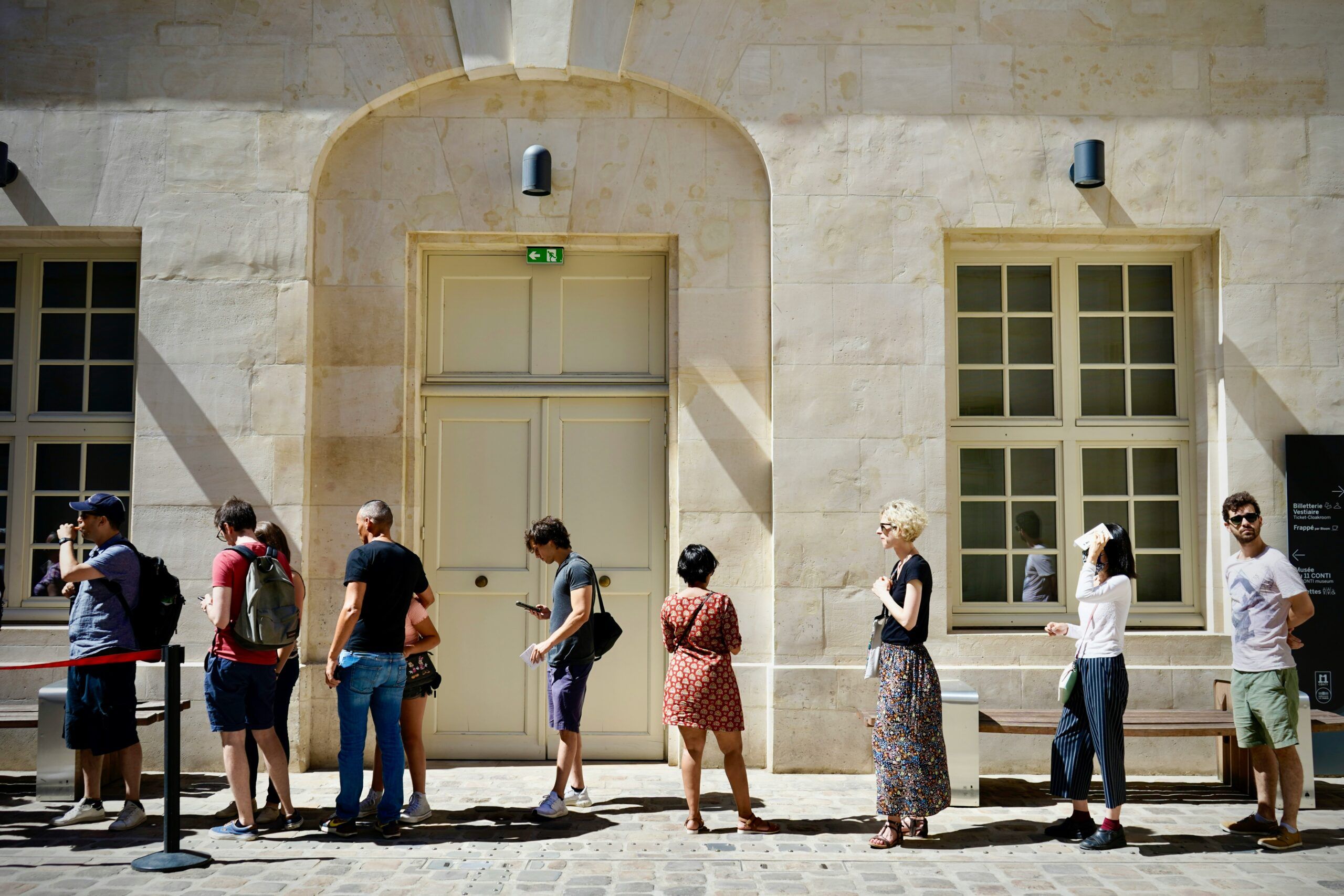
It isn’t just Venice. Museums across the continent now sell out timed entry slots weeks in advance for anything remotely popular, and the popular list has gotten longer every year. Restaurants that once took walk ins now require reservations set days ahead, partly because staff shortages mean fewer tables can be turned over on short notice.
When every stop on a trip needs its own advance booking, a carefully sequenced itinerary becomes fragile rather than efficient. Miss one slot and there often isn’t a same day alternative, only a next available opening days later. Planning tightly used to mean maximizing a trip. Now it often just means maximizing the number of things that can go wrong.
Weather has gotten less predictable
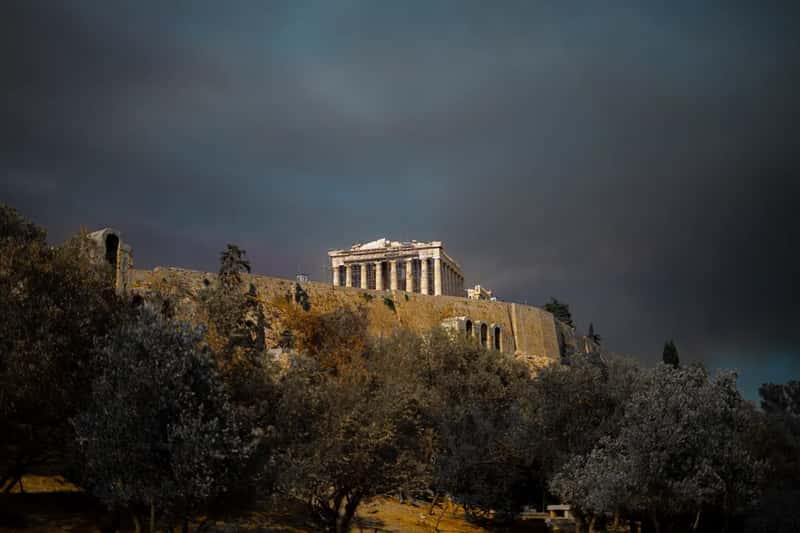
Southern Europe’s summers have grown noticeably harsher in recent years, with heat waves pushing temperatures into territory that used to be rare outside of North Africa. Archaeological sites including the Acropolis have repeatedly closed their outdoor areas during peak afternoon hours in recent summers, simply because conditions became unsafe for staff and visitors alike.
None of that fits neatly into a schedule built around fixed opening hours and a set number of days per city. A trip planned for June sunshine can just as easily land in a heat advisory that shuts down the exact outdoor sites you built the day around. Shoulder season used to be a reliable workaround. It has gotten less reliable too, as heat spells now creep earlier into spring and later into autumn.
Strikes and transit chaos mock careful schedules
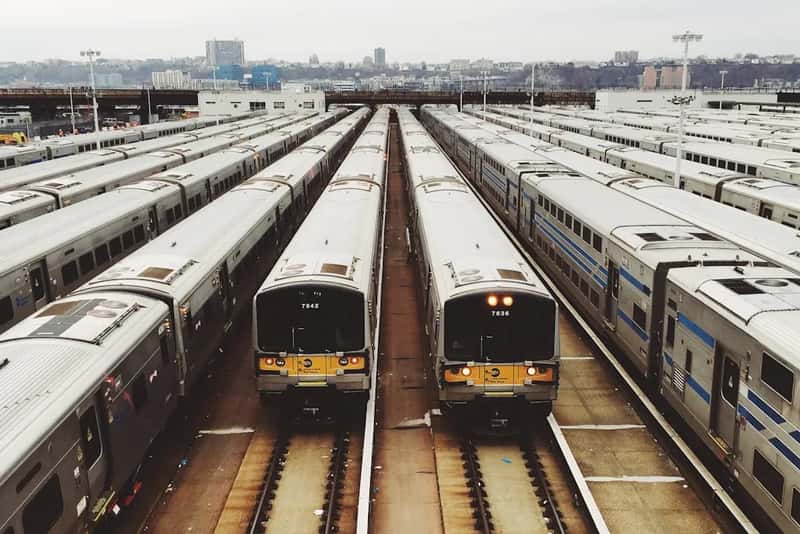
Anyone who has traveled through France knows that rail and air traffic control strikes are not a rare event, they are closer to a seasonal fixture. A train schedule built weeks in advance can be upended overnight when SNCF workers or French air traffic controllers walk out, sometimes with only a day or two of formal notice.
Italy’s train network has its own history of periodic strike days, and connecting flights across the continent can fall apart when one country’s air traffic control action ripples outward. None of this is new to European travel, but it interacts badly with itineraries that assume every leg will run on time. A loosely planned trip absorbs a canceled train far better than one where every hotel and ticket depends on the last piece landing exactly on schedule.
Tourist taxes keep changing the math
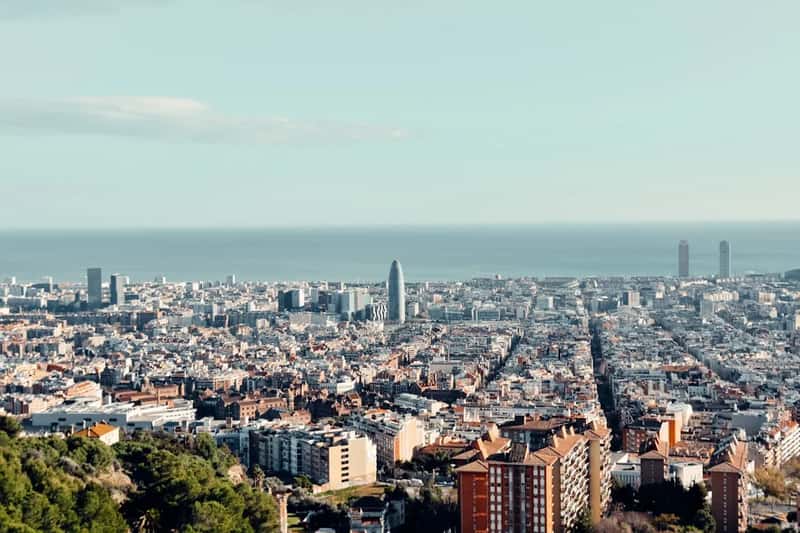
City taxes and entry fees have become a moving target rather than a fixed line item. Starting April 1, Barcelona nearly doubled its hotel guest tax, hiking it from 5 to 9 dollars up to 10 to 17 dollars per person, per night.[6] Cruise passengers face separate charges that are also climbing, since Barcelona’s mayor has floated raising cruise passenger fees to roughly 9.30 dollars per night, a full doubling of the current rate.[6]
Housing pressure sits behind a lot of these changes. Barcelona has announced plans where the city intends to revoke licences for roughly 10,000 registered short stay apartments by 2028[7], which will reshape where visitors can even stay in the years ahead. Budgeting a trip six months out, only to have taxes and accommodation rules shift by the time you arrive, is exactly the kind of moving target that makes rigid planning feel pointless.
What loose planning actually looks like now

My trips today start with a rough shape rather than a fixed script. I pick two or three regions, book the first few nights, and leave the rest open until I’m actually on the ground and can see what’s realistic. It sounds less organized. In practice it has produced better trips, because I’m not fighting a schedule that assumes a version of Europe that no longer exists.
The one thing I still book ahead of time is anything with a hard access limit, timed museum tickets, Venice’s access days if I’m passing through during the restricted window, a specific train if it’s the only one running that day. Everything else stays fluid. That single shift, from scripting the whole trip to locking only the pieces that truly require it, changed how stressful travel feels far more than any packing hack ever did.
The tools that make improvising easier
Uploaded by tm, CC BY 2.0)
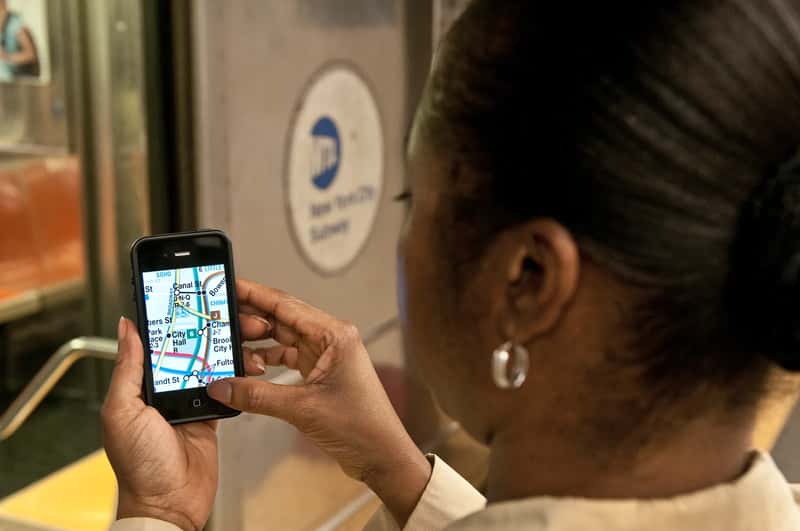
Traveling loosely only works if you can actually solve problems in real time, and the tools for that have gotten genuinely useful. Rail apps across Europe now show live disruption alerts and rebooking options within minutes of a cancellation, rather than leaving travelers to find out from a paper sign at the station. Local transit and museum apps increasingly show real time crowd levels or remaining ticket availability for the same day.
Translation apps handle the moments that used to require pre trip research into local phrases. Maps apps now flag temporary closures tied to strikes, heat advisories, or local events well before you walk into them. None of this makes planning unnecessary, it just shifts the planning from something done months ahead at a desk to something done in small doses while the trip is actually happening.
Final thoughts

Europe in 2026 rewards travelers who can adjust rather than those who scripted everything perfectly in advance. The fees, the crowds, the strikes, and the shifting local rules aren’t going away, and in most cases they’re expanding. Loosening the grip on a trip’s schedule isn’t a downgrade from careful planning, it’s simply a more honest response to how the continent actually works right now. The trips that have stuck with me most weren’t the ones that went exactly to plan. They were the ones where the plan bent without breaking.